The automotive landscape is undergoing a profound transformation, shifting consumer perceptions from conventional gasoline-powered vehicles to an increasingly electric future. This paradigm shift is perhaps best encapsulated by individuals who, once indifferent to cars, now champion electric vehicles (EVs) with fervent advocacy. This journey, from a pragmatic approach to vehicle ownership to an embrace of cutting-edge electric technology, reflects a broader societal movement toward sustainable and technologically advanced transportation solutions.
For many years, the primary consideration for vehicle acquisition revolved around utility and necessity rather than passion or performance. An individual’s car history might typically include a series of practical choices: a 1998 Ford Contour SVT, a 2011 Volkswagen station wagon, and a 2012 Honda minivan, all acquired to fulfill evolving family transportation needs. The introduction of twins, for instance, often necessitates a pragmatic upgrade, moving from a standard station wagon to a full-sized minivan, a vehicle type often lauded for its practical advantages despite societal stigmas. Minivans, with their spacious interiors, sliding doors, and versatile seating arrangements, are often seen as superior command centers for family logistics, challenging the prevailing narrative that favors SUVs. This practical approach to car ownership underscores a mindset focused on functionality, a perspective that would soon be radically altered by the advent of viable electric vehicle technology.
The Genesis of a Shift: From Hybrid Curiosity to Full Electric Commitment
The decision to replace an aging family vehicle often serves as a pivotal moment for considering new automotive technologies. Initially, the inclination might lean towards hybrid vehicles, driven by a general awareness of environmental concerns and the perceived "necessity" of eco-conscious choices, particularly in regions like California known for their progressive environmental policies. However, for those with a "boil the sea" approach to problem-solving, a partial measure like a hybrid might soon give way to a desire for a full commitment to electric power.
The growing public awareness of electric vehicles has been significantly influenced by media portrayals and technological advancements. A notable example is a widely circulated 2014 online comic that rapturously detailed the experience of owning a Tesla Model S, describing it as an "Intergalactic SpaceBoat of Light and Wonder." Such narratives, even for individuals with minimal prior interest in automobiles, planted seeds of curiosity. Five years later, this nascent interest, coupled with the increasing presence of EVs on roads and a desire to avoid the "bleeding edge" while still embracing the "leading edge," often culminates in a significant purchase: a fully electric vehicle. The acquisition of a 2019 Kia Niro EV, for example, represents this leap, transforming a previously car-apathetic individual into an enthusiastic proponent of electric mobility. This personal transformation mirrors a broader shift in consumer sentiment, where the initial skepticism surrounding EVs is giving way to widespread adoption and advocacy.
A New Worldview: The Obsoleteness of Internal Combustion
The experience of driving a modern electric vehicle is often described as transformative, fundamentally altering one’s perception of what automotive transportation should be. The quiet, smooth acceleration, instantaneous torque, and reduced maintenance requirements present a stark contrast to traditional gasoline-powered cars. This difference is so profound that many new EV owners express a desire to convert all their vehicles to electric, even highly practical ones like minivans, if suitable electric alternatives were readily available. The superior overall driving experience often leads to a radical re-evaluation of internal combustion engine (ICE) vehicles. What was once considered normal – cars powered by "barely controlled liquid fuel detonations" – begins to feel deeply unnatural and, for lack of a better word, obsolete, in a world offering increasingly viable electric alternatives.

This profound shift in perception is not merely anecdotal; it is supported by the accelerating global transition towards EVs. Data from BloombergNEF indicates a consistent upward trend in EV sales, with millions of units sold annually and projections showing EVs dominating new car sales in major markets within the next decade. This growth underscores the idea that electric vehicles are no longer a niche product but a mainstream contender, fundamentally reshaping the automotive industry.
The Evolution of Electric Vehicles: A Historical Overview
The journey of electric vehicles from an experimental curiosity to a mainstream option is a testament to persistent innovation and evolving market conditions. The question of how this transformation happened so rapidly for many consumers requires an understanding of EV history.
Early Promise and the First Demise: Electric vehicles actually predate their gasoline counterparts, enjoying a brief period of popularity in the late 19th and early 20th centuries. Early electric cars offered quiet, clean operation, appealing particularly to urban dwellers. However, limitations in battery technology (short range, long charging times) combined with Henry Ford’s mass-produced Model T and the discovery of vast oil reserves led to the dominance of gasoline cars, effectively sidelining EVs for decades.
The Resurgence and the "Killing" of the EV1: The late 20th century saw a renewed interest in electric vehicles, largely driven by environmental concerns and mandates for zero-emission vehicles. The General Motors EV1, produced from 1996 to 1999, stands as a critical, albeit controversial, chapter in this resurgence. Documentaries like "Who Killed the Electric Car?" highlight the EV1’s advanced design and the intense loyalty of its lessees. However, the technology of the time, particularly battery chemistry (early models used lead-acid batteries), meant the EV1 was incredibly expensive to produce (estimated at $100,000 to $250,000 per unit) and offered limited range. While conspiracy theories abound regarding its demise, the prevailing view among automotive historians and industry analysts points to prohibitive costs, technological immaturity, and a lack of market infrastructure as the primary factors for its discontinuation and the controversial recall of all leased vehicles.
The "Revenge" of the Electric Car and the Lithium-Ion Revolution: The true dawn of the modern electric car era is extensively chronicled in documentaries like "Revenge of the Electric Car." This period, roughly from 2005 to 2008 onwards, marked the critical moment when Lithium-Ion batteries became viable for automotive applications. This breakthrough dramatically improved energy density, reduced weight, and extended range, making electric vehicles a practical possibility once more.
Key vehicles from this era include:
- The Tesla Roadster (2008): Though a high-priced sports car (around $100,000), it demonstrated that EVs could be desirable, high-performance vehicles, challenging the perception of electric cars as slow or quirky. It leveraged off-the-shelf laptop battery cells in a revolutionary power pack design.
- The Nissan Leaf (2010): Positioned as an affordable, mass-market electric car, the Leaf introduced EVs to a wider audience. While its early models had limited range, it proved the viability of a dedicated EV platform.
- The Chevrolet Volt (2010): A plug-in hybrid electric vehicle (PHEV), the Volt offered electric-only driving for daily commutes and a gasoline engine as a range extender, alleviating range anxiety for many consumers.
These early modern EVs, despite their imperfections – the Roadster’s cost, the Leaf’s initial range limitations, and the Volt’s hybrid nature – laid the groundwork for the current generation of electric vehicles. They demonstrated that EVs could be well-conceived, reach the market in volume, and gain consumer acceptance.
The Current Landscape: Affordability and Accessibility
A decade after the "Revenge" era, the electric vehicle market has matured significantly. What was once an expensive and experimental proposition for a niche audience has become increasingly accessible.
- Price Parity: In 2008, a Tesla Roadster cost $100,000. Today, vehicles like the Tesla Model 3 and the Kia Niro EV are available for around $38,000 to $45,000 before incentives. After national and state tax incentives and rebates, the effective price can drop to approximately $30,000 or even lower, making them competitive with comparable gasoline vehicles. For instance, a detailed cost analysis by organizations like Corporate Knights often shows that, when factoring in lower fuel and maintenance costs, the Total Cost of Ownership (TCO) for many EVs is already competitive with, or even superior to, ICE vehicles over their lifespan.
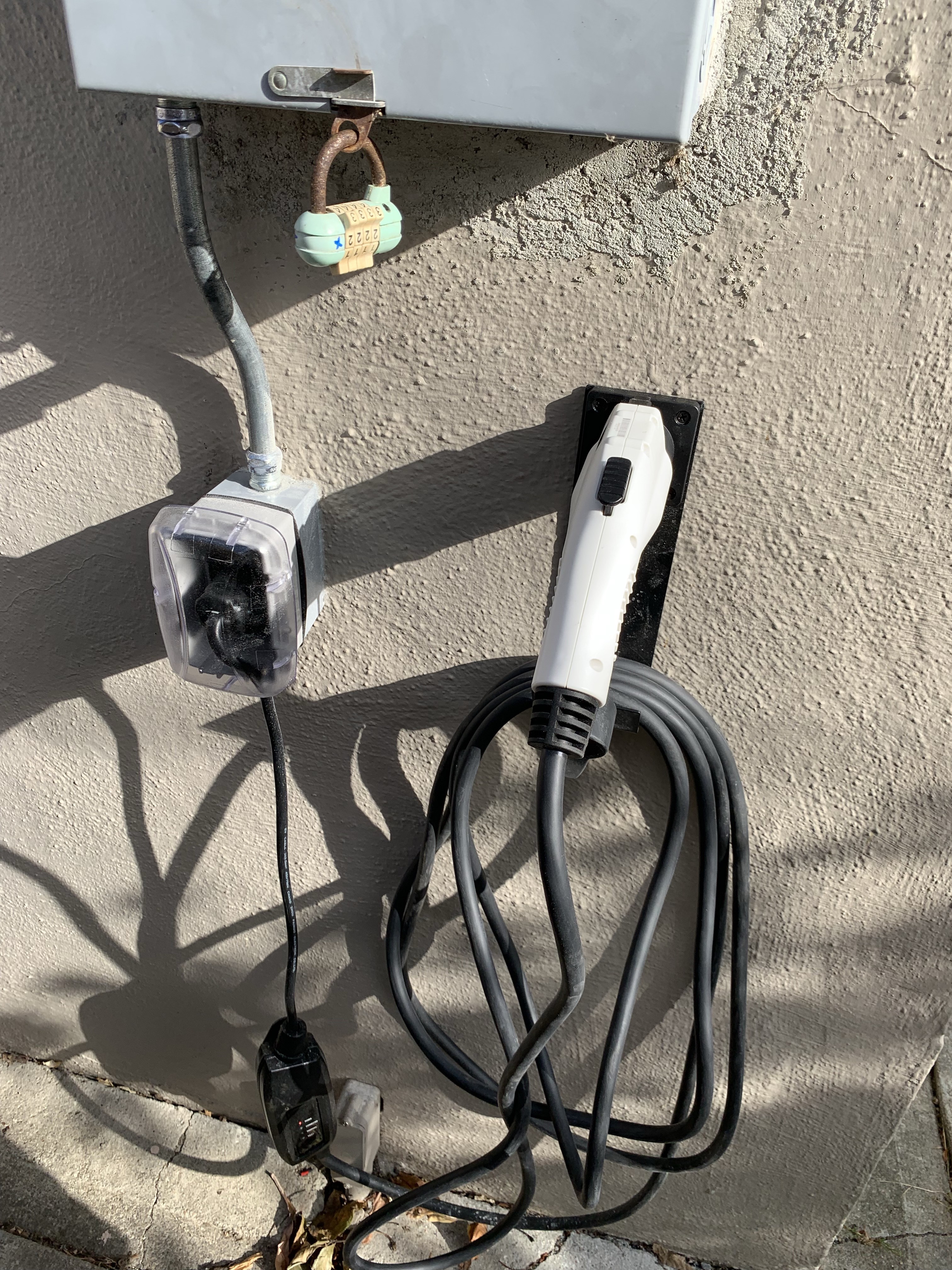
- Technological Advancements: Battery technology continues to improve, leading to greater energy density, longer ranges (many modern EVs offer 250+ miles on a single charge), and faster charging capabilities. The proliferation of Level 2 home chargers and DC fast-charging networks has significantly mitigated range and charging anxiety.
- Diverse Offerings: The market now boasts a wide array of EV models, from compact sedans and crossovers to luxury vehicles and trucks, catering to diverse consumer preferences and needs. Major automotive manufacturers, including Volkswagen, General Motors, Ford, Hyundai-Kia, and others, have committed billions to developing dedicated EV platforms and expanding their electric lineups. For example, Volkswagen Group aims for 50% of its global sales to be EVs by 2030, while General Motors has declared its ambition to phase out gasoline cars by 2035.
Addressing Common Myths and Looking Ahead
Despite rapid advancements, several myths and misconceptions about electric vehicles persist. Concerns about range, charging infrastructure, battery degradation, and environmental impact (from battery production) are frequently raised. However, industry experts and educational resources, such as explainer videos by figures like Matt Ferrell, effectively debunk these myths with factual data. Modern EVs offer ample range for most daily driving, charging infrastructure is expanding rapidly, battery warranties are robust, and lifecycle assessments consistently show EVs have a lower carbon footprint than ICE vehicles, even when considering manufacturing.
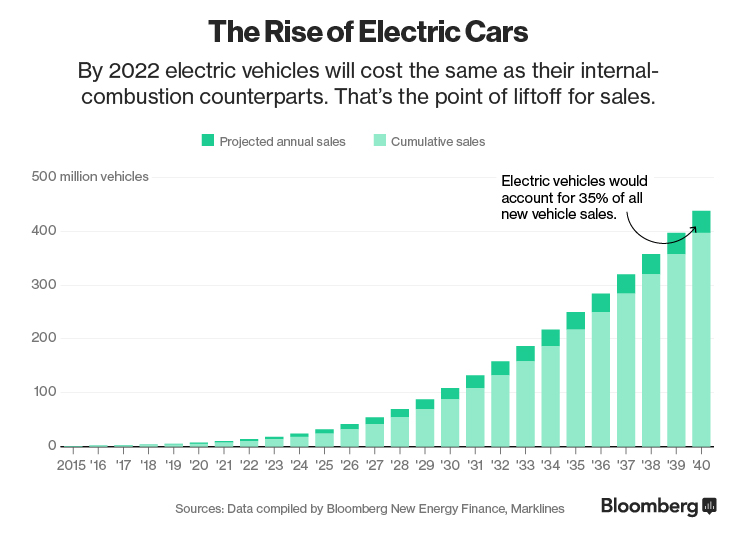
The trend lines are unequivocally clear: the future of personal transportation is electric. The transformation from a practical, utilitarian approach to car ownership to an enthusiastic embrace of electric vehicles is a powerful testament to the superior experience they offer. The quiet operation, instant torque, reduced environmental footprint, and lower running costs represent a compelling package that is rapidly winning over consumers globally.
The implications of this shift are far-reaching. Environmentally, it promises cleaner urban air and a significant reduction in greenhouse gas emissions, especially as grids become greener. Economically, it spurs innovation, creates new jobs in battery manufacturing, charging infrastructure, and software development, while potentially reshaping the geopolitical landscape around energy resources. Socially, it could lead to quieter cities, new opportunities for smart grid integration (Vehicle-to-Grid technology), and a fundamentally different relationship between people and their vehicles.
The journey from automotive indifference to passionate electric vehicle advocacy, as experienced by many, is not merely a personal anecdote; it is a microcosm of a global, inexorable transition. The electric car is no longer a futuristic concept or an expensive experiment; it is a present-day reality, offering a superior driving experience and paving the way for a more sustainable and technologically advanced future. The era of gasoline-powered vehicles, once an undisputed norm, is increasingly being viewed as a relic of the past, making way for an electric tomorrow that is both inevitable and exciting.
About the Author