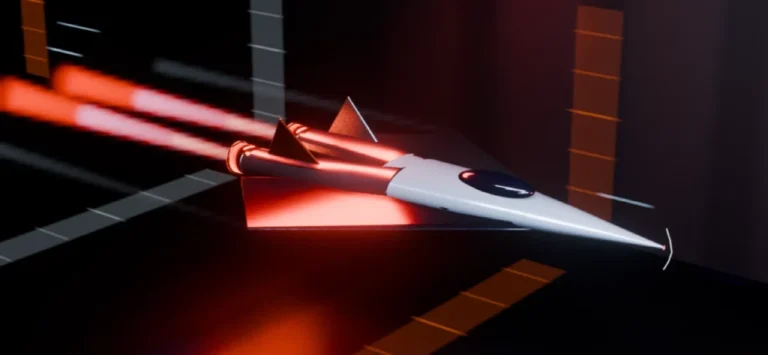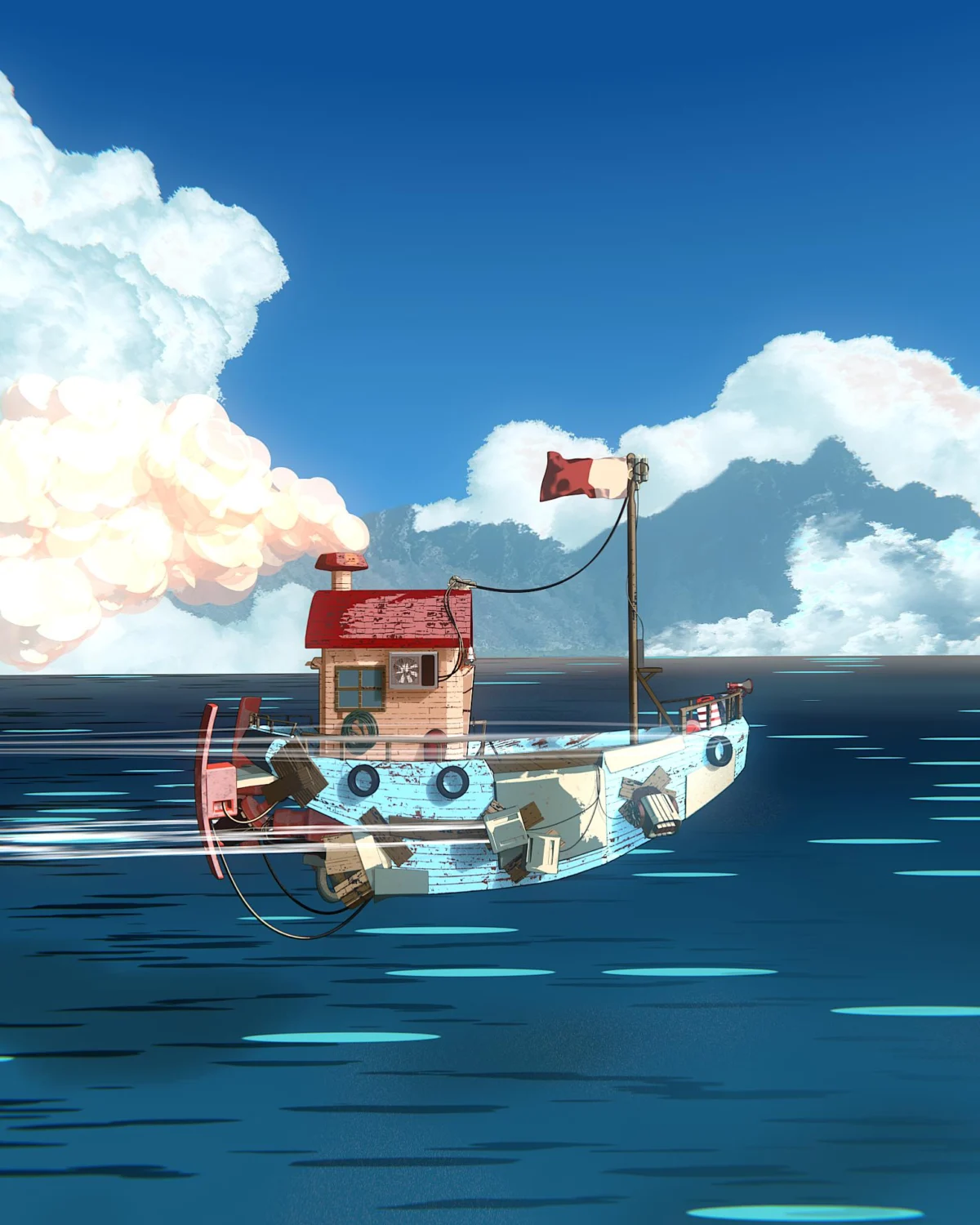
Every week, a vibrant ecosystem of digital artists converges on the Blender Artists forum, a critical hub for the global 3D creation community. From this prolific outpouring of talent, BlenderNation, a prominent online publication dedicated to the open-source 3D creation suite, meticulously selects and highlights exceptional pieces. This week, the spotlight shines brightly on "Flying Camper," an intricate and imaginative 3D rendering that has captivated the attention of both the BlenderNation editorial team and the wider online art community.
The featured artwork, "Flying Camper," is a testament to the advanced capabilities of Blender and the creative prowess of its users. While the specific artist behind this piece is not detailed in the provided snippet, the selection by BlenderNation’s long-standing editor, Bart van der Wolf, signifies a high level of technical execution, artistic vision, and conceptual originality. Bart, with his extensive history in the Blender ecosystem, dating back to its early tutorial development and his involvement with the crowdfunding that led to its open-sourcing, possesses a keen eye for identifying groundbreaking work. His curation through BlenderNation has become a reliable indicator of emerging trends and standout achievements within the 3D art world.
The Significance of Blender Artists Forum
The Blender Artists forum serves as a digital canvas and critique space for hundreds, if not thousands, of artists weekly. It is more than just a repository of images; it is a dynamic community where artists share their progress, seek feedback, collaborate, and draw inspiration. The sheer volume of work uploaded to the forum necessitates a discerning editorial process to identify pieces that not only showcase technical mastery but also demonstrate unique artistic expression. BlenderNation’s weekly roundup effectively filters this vast output, providing a curated glimpse into the cutting edge of 3D art created with Blender.
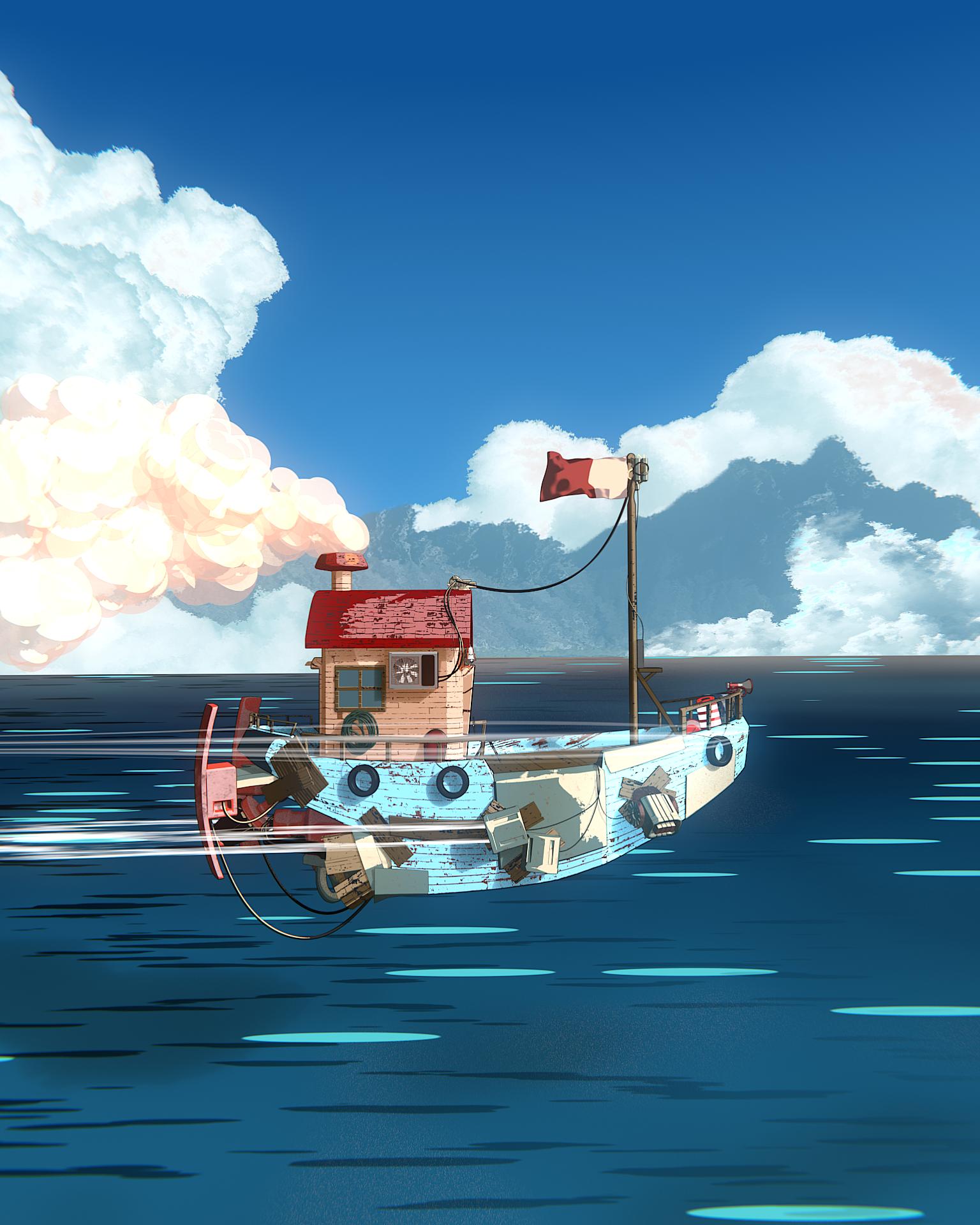
The "Flying Camper" piece, as highlighted by BlenderNation, represents a culmination of artistic and technical effort. Its selection implies a sophisticated understanding of 3D modeling, texturing, lighting, and rendering. The title itself, "Flying Camper," evokes a sense of whimsical ingenuity, suggesting a blend of the familiar comfort of a camper van with the extraordinary freedom of flight. This conceptual fusion is often a hallmark of compelling visual art, inviting viewers to ponder imaginative scenarios and alternative realities.
A Deeper Look at the "Flying Camper" Concept
While specific details of the "Flying Camper" artwork are not elaborated upon in the provided context, the name itself allows for informed speculation about its artistic merits. A "flying camper" could be interpreted in several ways:
- Futuristic or Steampunk Design: The artwork might depict a vehicle that reimagines the classic camper van with advanced propulsion systems, aerodynamic enhancements, and perhaps even fantastical elements like wings or anti-gravity devices. This would require meticulous design to balance form and function, even in a fictional context.
- Surreal or Dreamlike Landscape: The camper could be shown in an improbable setting, such as floating among clouds, parked on a distant celestial body, or integrated into a fantastical environment. This would test the artist’s ability to create atmospheric lighting and believable environmental storytelling.
- Narrative Implication: The artwork might suggest a story or a lifestyle, where nomadic living transcends terrestrial boundaries. This could involve the depiction of the camper in use, perhaps with a character or suggestive details that hint at its adventures.
Regardless of the specific interpretation, the creation of such a piece demands a high degree of technical skill. This includes:
- Modeling: Creating the detailed geometry of the camper, ensuring realistic proportions and intricate mechanical or design elements.
- Texturing: Applying materials that convey the look and feel of various surfaces, from weathered metal and painted panels to fabric interiors and perhaps even atmospheric effects.
- Lighting: Establishing a lighting setup that enhances the mood, defines the forms, and creates a sense of depth and realism (or intentional unreality).
- Rendering: Utilizing Blender’s powerful rendering engines (Cycles or Eevee) to generate the final image, optimizing settings for quality and efficiency.
The Role of BlenderNation and Bart van der Wolf
BlenderNation has been a cornerstone of the Blender community since its inception in 2006, founded by Bart van der Wolf. For nearly two decades, Bart has been the driving force behind the publication, curating news, tutorials, and community highlights. His personal history with Blender is deeply intertwined with the software’s development and dissemination. Having written some of the earliest Blender tutorials and worked for Not a Number (the original company behind Blender), Bart possesses an unparalleled understanding of the software’s evolution and its user base. His role in spearheading the crowdfunding campaign that ultimately led to Blender’s open-sourcing further solidifies his foundational importance to the project.
The consistent selection of outstanding artwork from the Blender Artists forum by BlenderNation serves multiple purposes:
- Artist Recognition: It provides invaluable exposure for artists, potentially leading to commissions, collaborations, and career advancements.
- Community Engagement: It fosters a sense of shared accomplishment and encourages artists to continue pushing their creative boundaries.
- Showcasing Blender’s Capabilities: It demonstrates to the wider world the professional-grade results that can be achieved with the free and open-source 3D software.
- Inspiration for New Users: It serves as a powerful source of inspiration for aspiring 3D artists, illustrating what is possible with dedication and skill.
Data and Trends in 3D Art Creation
The digital art landscape, particularly within the 3D sector, is characterized by rapid technological advancement and a continuously growing artist community. While specific data on the number of submissions to the Blender Artists forum is not publicly disclosed on a weekly basis, the platform consistently hosts a high volume of user-generated content. Industry reports from sources like Statista and Mordor Intelligence indicate a steady growth in the global 3D rendering software market, driven by demand in sectors such as gaming, film and television, architecture, product design, and advertising.
Blender, as a leading open-source solution, plays a significant role in democratizing access to professional 3D tools. Its free availability lowers the barrier to entry for individuals and small studios, contributing to the diverse and prolific output seen on forums like Blender Artists. The complexity and detail evident in featured works like "Flying Camper" suggest an increasing sophistication in the tools and techniques employed by these artists. This includes advancements in:
- Real-time Rendering: Technologies like Eevee in Blender offer near real-time feedback, accelerating the creative iteration process.
- Physically Based Rendering (PBR): Modern rendering workflows emphasize realistic material properties, leading to more believable and visually stunning results.
- Asset Libraries and Add-ons: The availability of extensive asset libraries and community-developed add-ons further enhances artists’ ability to create complex scenes efficiently.
Potential Implications and Future Outlook
The consistent highlighting of exceptional artwork on platforms like BlenderNation has tangible implications for the 3D art industry. It cultivates a competitive yet collaborative environment that drives innovation. Artists are inspired by each other’s work, leading to the exploration of new styles, techniques, and subject matter.
The "Flying Camper" piece, by its very nature, likely embodies a creative problem-solving approach, blending disparate concepts into a cohesive visual narrative. This ability to conceptualize and execute imaginative ideas is highly valued across various industries that utilize 3D visualization. The success of such artworks on community platforms can translate into professional opportunities, demonstrating an artist’s capacity to not only master technical skills but also to think creatively and communicate ideas effectively through visual media.
As Blender continues to evolve with regular updates that introduce new features and performance enhancements, the quality and complexity of artwork produced by its community are expected to rise further. The ongoing contributions of platforms like BlenderNation in showcasing this talent are crucial for maintaining the momentum and visibility of the Blender ecosystem. The "Flying Camper" is more than just a striking image; it is a representation of the boundless potential that emerges when artistic vision meets powerful, accessible technology, curated and celebrated by dedicated community hubs. The ongoing dialogue and visual exchange on platforms like Blender Artists, amplified by the editorial efforts of BlenderNation, are instrumental in shaping the future of digital art and 3D creation.
About the Author