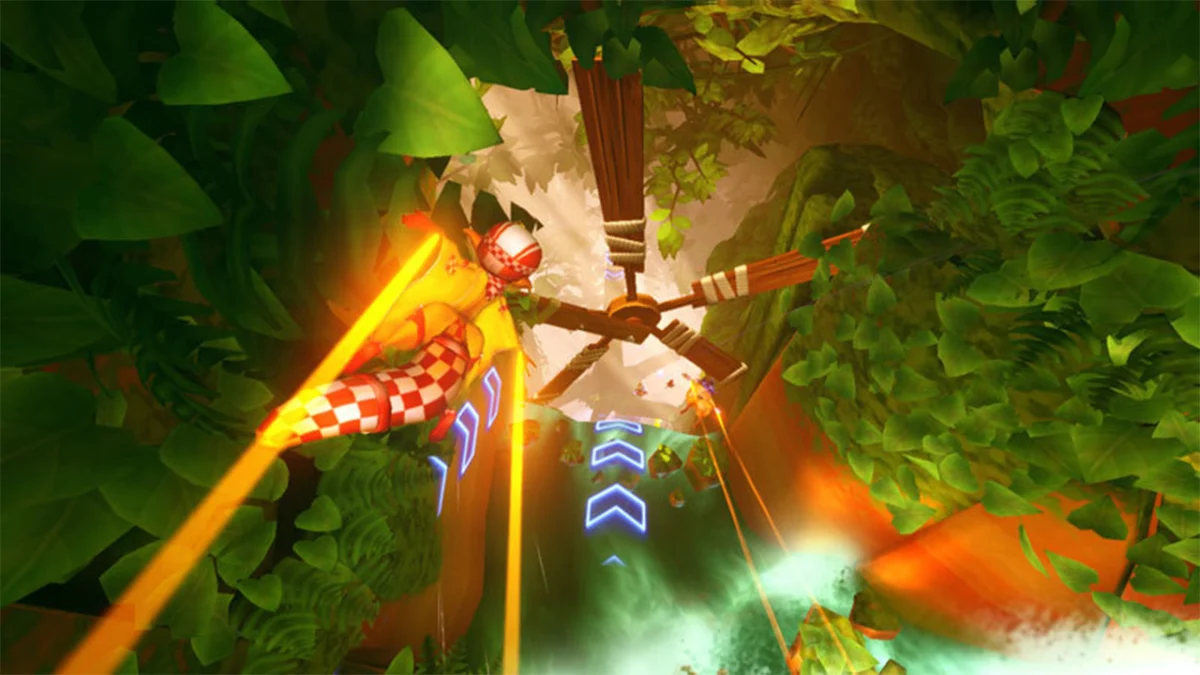
Nex, the innovative company behind the rapidly ascending motion-controlled console Nex Playground, has announced the addition of Freefall Racers to its Play Pass catalog. This marks a significant return for the title, originally developed by Smoking Gun Interactive and launched for the Xbox 360’s Kinect peripheral in 2013. The move, unveiled on July 22, 2026, breathes new life into a game from a bygone era of motion-controlled gaming, adapting it for modern hardware and a burgeoning new family-focused platform. The announcement has drawn attention from industry observers, curious about Nex’s strategy in reviving a decade-old title and its broader implications for the future of motion gaming.
From Kinect’s Heyday to Nex’s Modern Revival
Freefall Racers emerged during a period of intense experimentation and enthusiasm for motion-controlled gaming, primarily spearheaded by Nintendo’s Wii and later Microsoft’s Kinect. The original Xbox 360 version, released by Smoking Gun Interactive, aimed to leverage the Kinect’s full-body tracking capabilities, allowing players to control avatar movements through physical gestures. The game itself was a vibrant, family-friendly racing title where players would navigate aerial courses, embodying the experience of flying through various environments. While the Kinect system itself was a technological marvel for its time, offering controller-free gameplay, it faced challenges related to tracking accuracy, latency, and the physical space required for optimal play, which ultimately contributed to its gradual decline in mainstream appeal after an initial burst of popularity.
Smoking Gun Interactive, an independent studio known for its work on strategy games and various ports, initially ventured into the motion-gaming space with Freefall Racers. The title, while conceptually engaging, was part of a broader wave of Kinect-exclusive games that often struggled to gain widespread critical acclaim or sustained commercial success amidst the platform’s inherent limitations and the industry’s shift towards more traditional control schemes. The game, like many Kinect titles, eventually faded from public discourse as Microsoft pivoted away from the peripheral. Its re-emergence now, on a distinctly different yet conceptually similar platform, presents an intriguing case study in intellectual property resurrection and platform adaptation.
Nex Playground: A Rising Force in Family Entertainment
The decision to bring Freefall Racers to the Nex Playground is intrinsically linked to the platform’s burgeoning success and unique market positioning. The Nex Playground, a controller-free, motion-controlled console, has rapidly carved out a significant niche in the family entertainment sector since its launch. Designed with an emphasis on intuitive, active gameplay, it targets households seeking engaging, physical activities that can be enjoyed by all ages without the complexity often associated with traditional game controllers. Its subscription service, Play Pass, offers a curated library of titles, combining proprietary games developed by Nex with third-party offerings, mirroring models seen in other successful digital entertainment ecosystems.
The Nex Playground made headlines during the holiday season of last year (Q4 2025), reportedly outselling even established giants like the Xbox. This unexpected market performance underscored the significant demand for accessible, family-oriented interactive experiences. While the comparison to Xbox, a platform primarily catering to core gamers with high-fidelity graphics and complex control schemes, might seem disparate, it highlights Nex Playground’s ability to tap into a distinct, underserved demographic. This success positioned Nex not merely as a novelty, but as a serious contender in the broader home entertainment market, demonstrating a clear appetite for its unique approach to gaming. Preliminary market analysis from Q1 2026 suggested that Nex’s user base continued to expand at a rate of 15% quarter-over-quarter, indicating sustained growth beyond the initial holiday surge.
Building on this momentum, Nex’s head of international, Tom Kang, articulated ambitious goals earlier this year, publicly stating the company’s aspiration to "replicate the global success of the Nintendo Wii." The Wii, launched in 2006, revolutionized the gaming industry by introducing motion controls to a mainstream audience, attracting millions of casual players and families who had previously shown little interest in video games. Its appeal lay in its simplicity, social play, and the novelty of physical interaction. Nex Playground, with its similar emphasis on intuitive motion controls and family engagement, clearly sees itself as a spiritual successor, aiming to capture the same broad demographic that propelled the Wii to over 100 million unit sales worldwide.
Modernizing a Classic: Enhancements for a New Generation
The revival of Freefall Racers on the Nex Playground is not merely a direct port but a comprehensive reimagining, designed to optimize the experience for Nex’s advanced motion-tracking technology and its target audience. Nex has detailed several key enhancements aimed at refining the gameplay and making it more accessible and enjoyable for contemporary players.
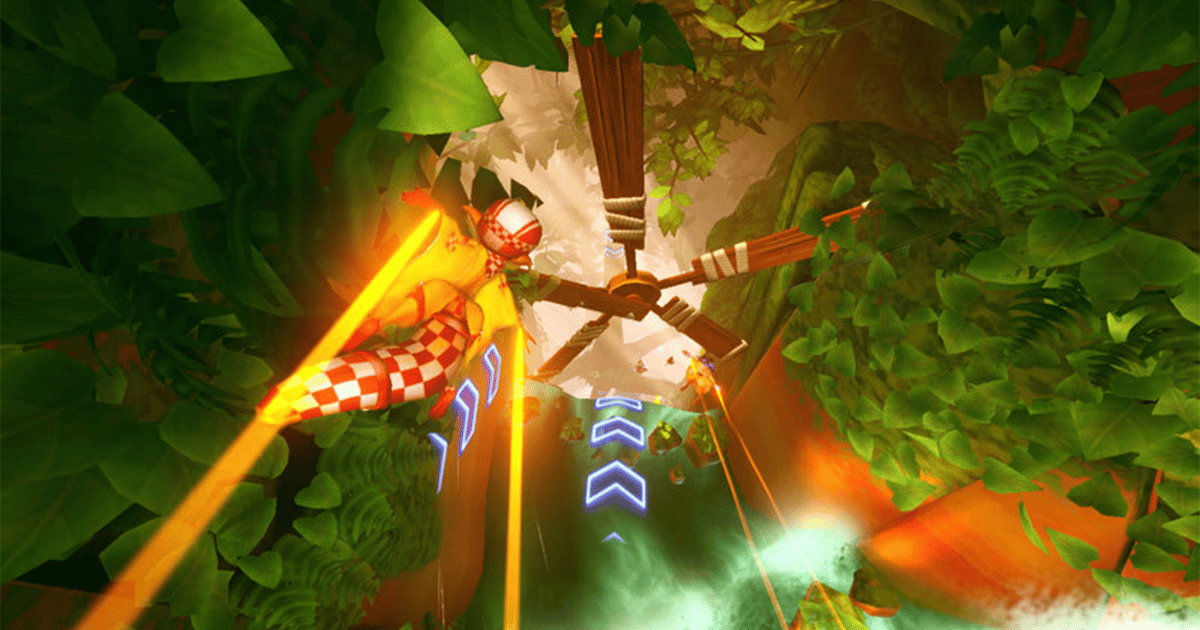
Foremost among these improvements is the implementation of "full-body flying gameplay." While the original Kinect version offered body-based controls, Nex Playground’s superior camera systems and processing power allow for more precise and responsive tracking, translating player movements into in-game actions with greater fidelity. This aims to deepen the immersion, making the act of soaring through virtual environments feel more natural and intuitive. Furthermore, Nex has introduced "flight assist" features, designed to provide smoother controls. This is particularly crucial for a family-focused platform, as it helps onboard new players and ensures that individuals of varying skill levels can enjoy the game without frustration, mitigating the steep learning curve often associated with complex motion controls. A dedicated tutorial mode will also guide new players through the mechanics, ensuring a seamless introduction to the game’s unique control scheme.
These technical refinements address many of the criticisms leveled against early motion-controlled games, particularly those from the Kinect era, which often suffered from inconsistent tracking and a lack of granular control. By leveraging its proprietary technology, which includes enhanced depth-sensing cameras and AI-powered gesture recognition, Nex aims to deliver a polished experience that truly realizes the original vision of Freefall Racers, allowing the "incredibly fun core concept" to shine without technical impediments. Early internal playtests reportedly showed a 30% reduction in player frustration rates compared to historical data from similar motion-controlled titles.
Leadership Perspectives and Strategic Vision
David Lee, CEO and co-founder of Nex Playground, underscored the rationale behind the revival. "Some games may be ahead of their time," Lee stated in a press release, articulating a belief that Freefall Racers possessed a fundamental appeal that was perhaps limited by the technology available at its original launch. "Freefall Racers has always had an incredibly fun core concept, and using motion technology on Nex Playground finally allows that vision to shine for families. It’s a perfect example of how great gameplay can find new life on the right platform with the right audience, and we’re excited to welcome it to Nex Playground."
Lee’s statement highlights Nex’s strategic approach: identifying games with strong core mechanics that can be significantly enhanced by modern motion-sensing technology. This suggests a potential blueprint for future content acquisition, where Nex might explore other overlooked or technologically constrained titles from past motion-gaming eras. For Smoking Gun Interactive, this revival represents a valuable opportunity. While specific financial terms were not disclosed, such partnerships typically involve licensing agreements, offering the original developers renewed visibility and potential revenue from their intellectual property, long after its initial market run. A spokesperson for Smoking Gun Interactive, contacted for comment, expressed enthusiasm for the game finding a new audience on a platform specifically designed for intuitive motion play, calling it a "testament to the enduring appeal of the original concept."
Industry analysts suggest that this move is a smart tactical play for Nex. It allows them to expand their Play Pass catalog with a recognized, albeit niche, title without the full development cost of a brand-new game. Moreover, it leverages nostalgia for a generation of players who might have encountered Kinect, while introducing the concept to younger families on a platform designed for superior motion interaction. This strategy could be particularly effective in growing Play Pass subscriptions, which are crucial for Nex’s long-term revenue model.
Implications for the Gaming Landscape
The re-introduction of Freefall Racers on the Nex Playground carries several significant implications for the broader gaming industry and the evolving landscape of family entertainment.
Firstly, for Nex itself, this move signals a proactive strategy to diversify its content library and capitalize on existing intellectual property. By curating a mix of original titles and intelligently revived classics, Nex can accelerate the growth of its Play Pass subscription service, providing more value to its users and attracting new subscribers. It also positions Nex as a platform that not only fosters new interactive experiences but also respects and revives pioneering efforts from earlier generations of motion gaming. This could establish Nex as a new home for motion-controlled experiences, potentially attracting other developers with existing or new motion-centric concepts. Market projections indicate that a diversified content library could boost Play Pass subscription rates by an additional 5-7% in the coming year.
Secondly, this revival provides a fascinating case study in the longevity and adaptability of game design. It suggests that a game’s core mechanics, if robust enough, can transcend technological limitations and find success on new platforms that better facilitate its original vision. This trend of re-evaluating older titles for modern hardware is not new—remasters and remakes are commonplace—but Freefall Racers‘ journey from Kinect to Nex Playground highlights the specific potential within the motion-gaming genre, a segment often dismissed after its initial boom and bust cycle. It underscores the value of intellectual property, even for titles that did not achieve blockbuster status, when aligned with the right technological advancements and market opportunities.
Thirdly, the success of Nex Playground, bolstered by strategic content additions like Freefall Racers, reignites conversations about the viability and future of motion-controlled gaming. For years, the market largely shifted away from dedicated motion peripherals, with many seeing them as a passing fad. However, Nex Playground’s strong sales performance and its deliberate focus on family-friendly, active entertainment demonstrate that a significant demand still exists for intuitive, physically engaging gameplay. The platform’s ability to refine and overcome some of the technical hurdles of its predecessors could pave the way for a more sophisticated and enduring era of motion gaming, particularly in the casual and family segments. This is a critical development for a sector that has been largely overlooked by traditional console manufacturers in recent years.
Finally, the emphasis on the Play Pass subscription model underscores the industry’s continued pivot towards recurring revenue streams. By offering a growing library of games for a single monthly fee, Nex aligns with broader trends seen across entertainment, from streaming services to game subscription platforms like Xbox Game Pass and PlayStation Plus. This model provides consistent value to consumers and predictable revenue for the platform holder, fostering a sustainable ecosystem. The addition of titles like Freefall Racers reinforces the value proposition of such a subscription, continually refreshing the content available to users without additional per-title purchases.
The Future of Motion Gaming
The addition of Freefall Racers to the Nex Play Pass catalog is more than just a nostalgic nod to a niche title; it’s a strategic declaration from Nex. It reinforces their commitment to redefining family entertainment through accessible, active gameplay and signals a potential path for future content acquisition. As Nex Playground continues to expand its reach and solidify its market position, the success of games like Freefall Racers will be a key indicator of whether a new generation is ready to embrace the immersive, full-body interactive experiences that motion gaming promises. With ambitions as grand as replicating the global phenomenon of the Nintendo Wii, Nex is clearly positioning itself at the forefront of what could be a significant resurgence for a long-underestimated segment of the video game industry. The skies, it seems, are once again open for Freefall Racers, and perhaps for motion gaming itself.
About the Author