As July draws to a close, a month marked by significant workforce reductions across Microsoft’s Xbox studios, the technology giant has simultaneously unveiled a contrasting and potentially impactful initiative: the gradual rollout of Xbox backward compatibility on PC. This strategic move, announced via Xbox Wire, brings a selection of original Xbox titles to the personal computer platform, allowing a new generation of players, and nostalgic veterans alike, to experience classic games with modern enhancements. The announcement arrives at a pivotal juncture for the gaming industry, grappling with issues of game preservation, evolving consumer preferences for digital media, and a challenging economic climate that has led to widespread industry layoffs.
The Dawn of Original Xbox on PC: Initial Rollout and Technical Enhancements
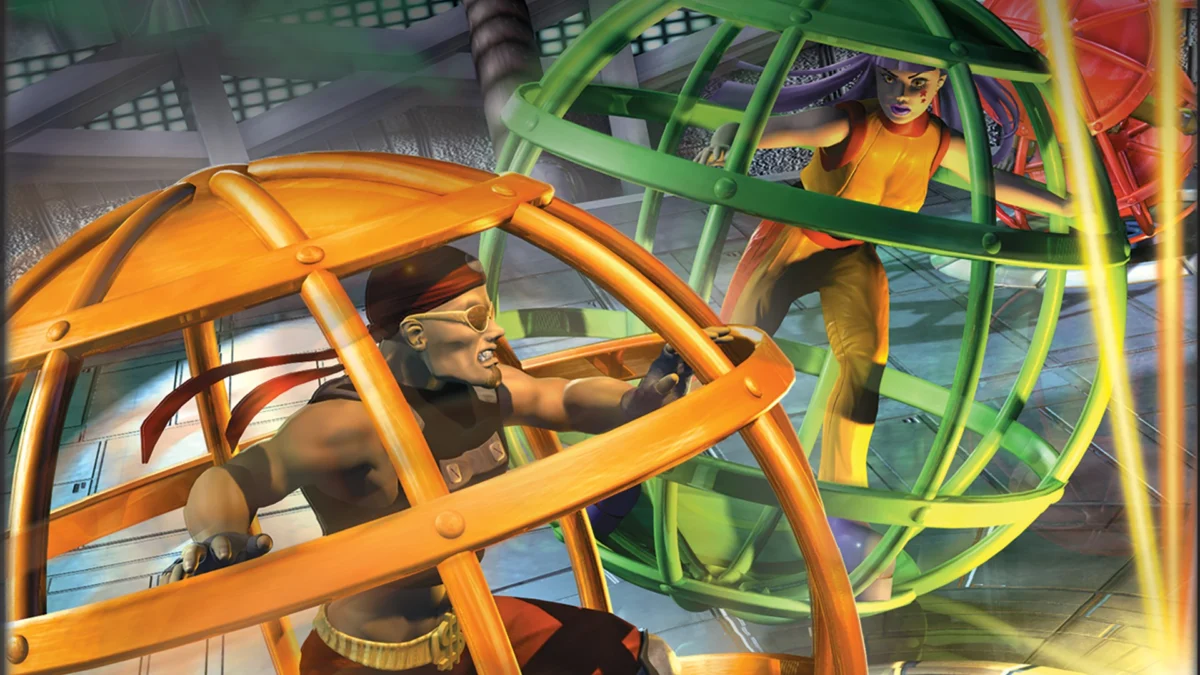
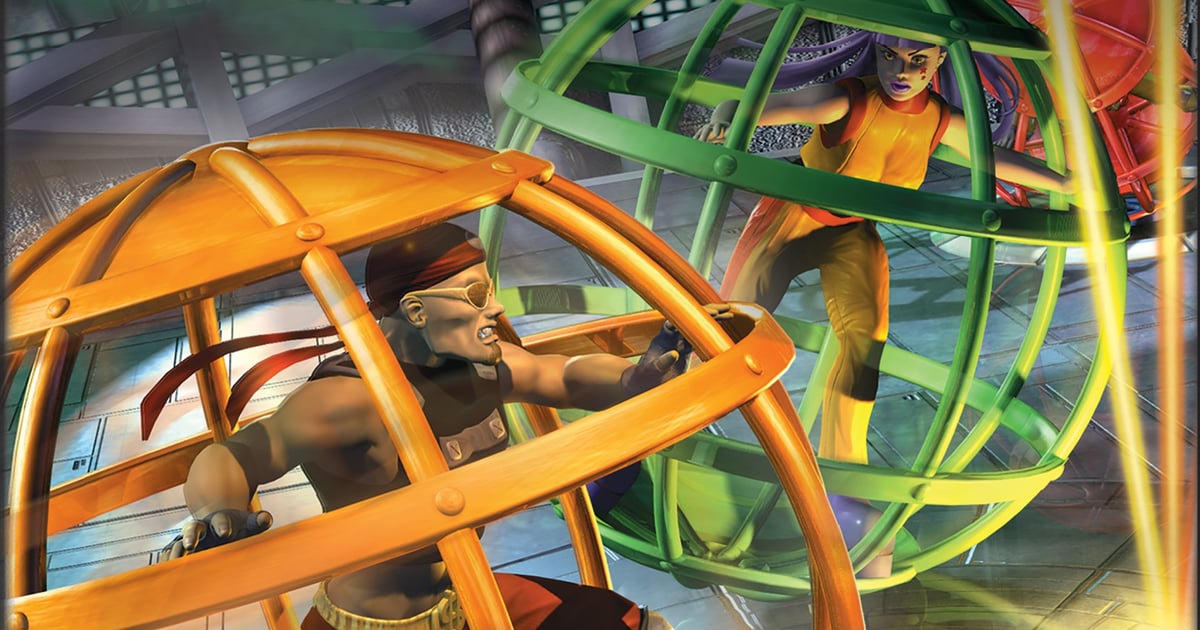
Beginning immediately, four seminal titles from the original Xbox era are now available for PC players: BliNX: The Time Sweeper, Conker: Live and Reloaded, Crimson Skies: High Road to Revenge, and Fusion Frenzy. This initial quartet represents a diverse cross-section of the original Xbox library, from platforming adventures and cult-classic shooters to arcade party games. Their introduction on PC marks a significant expansion of Microsoft’s long-standing commitment to backward compatibility, traditionally a console-centric feature, into the burgeoning PC gaming ecosystem.
The technical implementation of this backward compatibility on PC is designed to leverage modern hardware capabilities. Players can expect significant visual improvements, including up to 4x resolution upscaling, allowing these early 2000s titles to appear sharper and more detailed on contemporary high-definition and 4K monitors. Beyond resolution, the re-releases also offer a suite of configurable graphics settings. These include anisotropic filtering, which enhances texture detail at oblique angles; "enhanced" anti-aliasing, smoothing out jagged edges for a cleaner image; and Vsync support, which synchronizes the game’s frame rate with the monitor’s refresh rate to prevent screen tearing. These enhancements aim to bridge the visual gap between early 2000s console graphics and the expectations of modern PC gamers, offering a premium experience beyond simple emulation.
Accessibility has been a core tenet of this rollout. The four titles are available for direct purchase on PC storefronts, expanding their reach beyond dedicated Xbox platforms. Crucially, they are also included with all Xbox Game Pass plans, further enhancing the value proposition of Microsoft’s popular subscription service for its PC subscriber base. For players who already own digital console licenses for these specific titles, Microsoft has implemented a seamless carry-over system, allowing them to access the PC versions without an additional purchase. This consumer-friendly approach underscores Microsoft’s strategy to integrate its gaming ecosystem across devices and digital services.
A Broader Vision for Game Preservation and the Xbox Ecosystem
Jason Ronald, VP of Next Generation at Xbox, articulated the long-term vision behind this initiative. "This marks the beginning of a broader effort to preserve Xbox games from the past and bring them to PC over time," Ronald stated. This commitment signals that the initial four titles are merely the vanguard of a potentially much larger library of classic Xbox games destined for PC. The company also plans to introduce more features to eligible games in the future, including achievements for "select" original Xbox games, which are slated to roll out later in the year. The addition of achievements, a staple of modern gaming, provides an incentive for players to revisit these older titles and adds a layer of engagement that was absent in their original releases.
Microsoft’s dedication to backward compatibility is not new. The company has historically championed the feature on its console hardware, enabling Xbox 360 games to run on Xbox One, and later, an extensive library of original Xbox and Xbox 360 titles to be playable on Xbox One and Xbox Series X|S consoles. This consistent strategy has been lauded by players and critics alike as a significant contribution to game preservation, contrasting with some industry peers who have taken different approaches. By extending this philosophy to PC, Microsoft is further solidifying its position as a steward of gaming history, ensuring that its legacy content remains accessible and enjoyable for future generations. This move also strengthens the overall Xbox ecosystem, blurring the lines between console and PC gaming and reinforcing Game Pass as a comprehensive platform for both new and classic titles.
Industry Crossroads: Digital Shift, Preservation Challenges, and Contrasting Strategies
The announcement of PC backward compatibility arrives amidst a turbulent and transformative period for the video game industry, particularly concerning game preservation and the future of physical media. These broader industry trends provide a critical context for understanding Microsoft’s latest move.
Earlier in July, PlayStation, a direct competitor, announced a significant shift in its business model: the cessation of physical software production by January 2028. This decision, according to the company, stems from "the general preference for digital media significantly outpaces physical discs." While PlayStation continues to support digital storefronts for older titles, the complete abandonment of physical media raises concerns among preservationists and collectors regarding long-term access and ownership, especially if digital storefronts eventually close or become unsupported. This stark contrast highlights the divergent paths taken by major platform holders in navigating the evolving landscape of game distribution and preservation.
In parallel, and perhaps indicative of its own strategic considerations, Xbox employees have reportedly been testing a feature that would allow Xbox owners to digitize their existing physical game collections. This rumored feature, if implemented, would offer a potential solution for players looking to transition their physical libraries to digital formats. However, current reports suggest this feature would only work for Xbox One and Xbox Series X discs, notably excluding titles from the Xbox 360 and the original Xbox console. While a step towards addressing physical media concerns, its limitations underscore the complexities of backward compatibility and game preservation across multiple console generations. Microsoft’s new PC backward compatibility initiative, therefore, serves as an alternative, and perhaps more robust, pathway for preserving and accessing original Xbox games, particularly those from the era excluded by the rumored physical-to-digital conversion feature.
The Lingering Shadow of Layoffs: A Paradox of Growth and Restructuring
The positive news of PC backward compatibility unfolds against a backdrop of significant internal restructuring and mass layoffs within Microsoft’s gaming division. This marks a complex and, for many, contradictory period for the company. Microsoft is currently in its fifth round of mass layoffs since its acquisition of Activision Blizzard, a deal finalized in October of the previous year. The company recently confirmed plans to cut 3,200 roles across its video game division before the end of the current fiscal year, a continuation of thousands of job losses that have impacted various studios under the Xbox banner.
These workforce reductions have deeply affected prominent studios, including Double Fine, Compulsion Games, Ninja Theory, and Undead Labs, among others. The human cost of these decisions has been palpable, with multiple sources impacted by the layoffs expressing profound disappointment and concern. Developers recently told Game Developer that key Xbox studios could "fall apart" after years of debilitating cuts, citing a culture where "good work is not going to save your job at this company." This sentiment highlights a disconnect between the strategic investments in new features and the operational realities faced by employees.
This juxtaposition presents a nuanced picture of Microsoft’s corporate strategy. On one hand, the company is demonstrating a forward-thinking approach to expanding its platform, preserving its legacy, and enhancing its Game Pass subscription service. On the other hand, the extensive layoffs suggest a rigorous, perhaps brutal, re-evaluation of its operational costs and resource allocation following the massive Activision Blizzard acquisition. It could be argued that these layoffs are part of a broader effort to streamline operations and reallocate resources towards strategic growth areas, such as the Game Pass ecosystem and cross-platform initiatives, even if it comes at a significant cost to human capital in other divisions. The market valuation of Microsoft, which continues to climb, and the sheer scale of the Activision Blizzard acquisition (valued at nearly $69 billion) underscore the immense financial pressures and strategic imperatives driving these decisions.
Market Implications and Future Outlook
The expansion of Xbox backward compatibility to PC carries significant market implications. For Microsoft, it further solidifies the appeal of Xbox Game Pass, making it an even more compelling offering for PC gamers. By integrating classic titles alongside day-one new releases, Game Pass becomes a more comprehensive library, potentially attracting new subscribers and retaining existing ones. This strategy aligns with Microsoft’s broader goal of making Xbox content available "wherever and however you want to play."
For the PC gaming market, this move introduces a fresh influx of classic console-exclusive content, enriching the diversity of games available on the platform. It could also stimulate interest in the history of console gaming among PC-first players. As PC gaming continues its robust growth trajectory – with market analysis firms like Newzoo projecting PC gaming revenue to exceed $45 billion by 2027 – tapping into this expansive audience with legacy content represents a smart strategic play.
Looking ahead, the "broader effort" teased by Jason Ronald suggests a continuous flow of original Xbox and potentially even Xbox 360 titles making their way to PC. This could eventually lead to a more unified Xbox library accessible across various devices, further blurring the lines between traditional console gaming and PC gaming. The ongoing competition with platforms like Steam and Epic Games Store for PC market share will see Microsoft leveraging its unique console legacy as a distinct differentiator.
In conclusion, Microsoft’s decision to roll out Xbox backward compatibility on PC is a multifaceted development. It represents a significant step forward in game preservation, enhances the value proposition of Xbox Game Pass, and strategically expands the Xbox ecosystem into the vast PC market. Yet, this positive advancement cannot be entirely divorced from the difficult reality of widespread layoffs across its gaming division. The initiative stands as a testament to Microsoft’s dual focus: innovating for the future of gaming while simultaneously navigating the complex financial and structural challenges of consolidating its immense gaming empire. As the industry continues its rapid evolution towards digital-first models and cross-platform experiences, Microsoft’s actions will undoubtedly shape the landscape for players, developers, and competitors alike.
About the Author