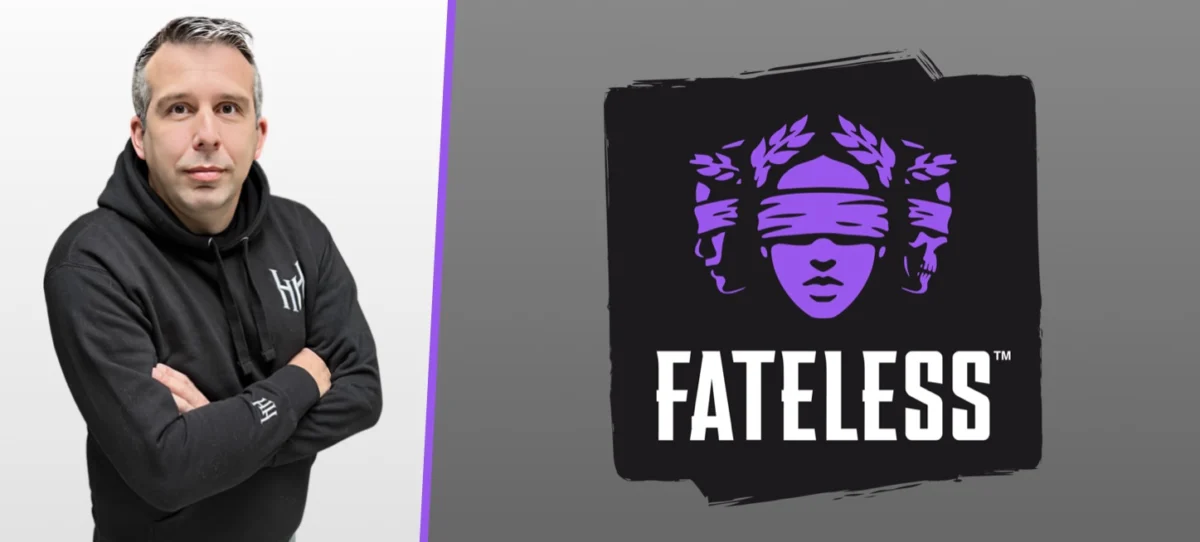
In a significant shift within the mobile gaming landscape, Simon Lockerby, the prominent content creator known globally as "HellHades," has transitioned from a community leader for Raid: Shadow Legends into a direct competitor of its developer, Plarium. Through his newly established game development studio, Fateless, Lockerby is preparing for the early access launch of Godforge, a squad-based role-playing game (RPG) designed to disrupt the genre by leveraging a pre-existing, high-value audience. This move represents a rare instance of a community-driven content platform evolving into a full-scale development house with substantial venture backing and a workforce of approximately 70 employees.
The Genesis of Fateless and the HellHades Ecosystem
The journey toward the development of Godforge began not in a corporate boardroom, but within the digital community of Raid: Shadow Legends. Simon Lockerby built his reputation through his YouTube channel and his comprehensive fansite, hellhades.com. The site became an essential resource for players, offering sophisticated tools for character optimization, gear management, and meta-analysis. As the site’s influence grew, it transformed from a hobbyist project into a primary business for Lockerby and his partner, Dan Francis.
The transition to game development was prompted by the community itself. According to Lockerby, frequent inquiries from his audience regarding whether he would ever create his own title led to the formation of Fateless. To bridge the gap between community management and professional software development, Lockerby and Francis partnered with Hisham Saleh, the former CEO of the indie studio Skeleton Hand. This partnership provided the necessary technical and executive infrastructure to scale the operation.
Financial Foundation and the "Unfair Advantage" of Community Funding
The financial trajectory of Fateless distinguishes it from traditional startups. The studio has successfully raised over $14 million in funding, a significant portion of which originated directly from the hellhades.com community and various angel investors. This internal backing serves as a testament to the trust Lockerby has cultivated within the player base.
From a business perspective, Fateless possesses what Lockerby describes as a "massive unfair advantage" in the realm of User Acquisition (UA). In the modern mobile gaming market, UA costs are the single largest expenditure for most studios, often requiring millions of dollars in monthly advertising spend to maintain a viable player base. Because Fateless already controls a platform that attracts millions of squad RPG enthusiasts, the cost of acquiring its initial "bottom-of-the-funnel" players—those most likely to engage deeply and spend money—is expected to be drastically lower than industry averages.
Market Context: The Squad RPG and Gacha Landscape
To understand the stakes of Godforge’s entry into the market, one must look at the current state of the squad RPG genre. Dominated by titles like Raid: Shadow Legends, Summoners War, and Star Wars: Galaxy of Heroes, the genre is characterized by "gacha" mechanics, where players collect and upgrade a vast roster of characters to compete in various PvE and PvP modes.
Raid: Shadow Legends, owned by Plarium (a subsidiary of Aristocrat Leisure), has been a juggernaut in this space, reportedly generating hundreds of millions of dollars in annual revenue. However, the genre has frequently faced criticism for "predatory" monetization practices and a lack of innovation in gameplay loops. Fateless aims to capitalize on these grievances by offering a more player-centric experience while maintaining the core mechanics that make the genre addictive.
Technical Innovations and Gameplay Evolution in Godforge
While Godforge is admittedly "cut from the same cloth" as its predecessors, Lockerby emphasizes that the goal is to evolve the genre rather than reinvent it. The game is designed to feature deeper character customization and equipment systems than those currently available in Raid.
A primary focus for the development team is the integration of MMO-style social features. Lockerby notes that many players in this demographic are former World of Warcraft or EverQuest enthusiasts who no longer have the time for traditional PC-based MMOs. To cater to this, Godforge will emphasize:
- Live Community Events: Real-time challenges that require coordination.
- Group Boss Battles: Cooperative gameplay where allies’ strategic choices directly impact the outcome.
- Narrative Depth: Inspired by titles like Etheria: Restart, the game seeks to offer a more immersive story than the typically thin narratives found in mobile gachas.
Chronology of Development and the Path to 2025
The development of Godforge has moved at an accelerated pace, reflecting the studio’s rapid scaling.
- The Foundation Phase: Lockerby and Francis establish hellhades.com as a premier data tool for Raid players.
- The Strategic Pivot: Following community feedback, the duo enlists Hisham Saleh and forms Fateless.
- The Scaling Phase: Fateless expands to a staff of 70, incorporating veterans from various sectors of the gaming industry.
- The Funding Rounds: Raising $14 million through a mix of community crowdfunding and angel investment.
- Alpha and Beta Testing: Internal testing phases focused on balancing the complex equipment and character systems.
- Projected Early Access: Godforge is currently scheduled for an early access release in the first half of 2025.
Balancing Monetization: The Whale vs. Free-to-Play Dynamic
One of the most delicate challenges for any squad RPG is balancing the needs of "whales"—high-spending players who provide the bulk of the revenue—with the "Free-to-Play" (F2P) community, which provides the necessary scale and vitality for the game’s ecosystem.
Lockerby has been transparent about the game’s financial goals, acknowledging that the studio must cater to big spenders to survive. However, he has also committed to an ethos that avoids the "predatory feel" often associated with the genre. To achieve this, Godforge will include:
- Normalized Modes: Competitive arenas where gear and spending levels are equalized, ensuring that skill and tactical knowledge are the only determining factors for victory.
- Ethical Event Design: Ensuring that in-game events are achievable through effort rather than purely through financial investment.
- Transparent Odds: Providing clear information regarding character acquisition to foster trust within the community.
Industry Implications: The Rise of the Influencer-Developer
The emergence of Fateless is a significant marker in the evolution of the creator economy. It signals a shift where influencers are no longer content being the marketing arm for established publishers; instead, they are becoming the publishers themselves. By owning the audience and the product, creators like Lockerby can bypass the traditional gatekeepers of the gaming industry.
Industry analysts suggest that if Godforge succeeds, it could serve as a blueprint for other high-tier content creators to launch their own studios. The ability to leverage a pre-built community reduces the financial risk of game development and provides a feedback loop that is far more direct than what most major studios enjoy.
Broader Impact and Future Outlook
As Godforge approaches its 2025 early access date, the gaming industry will be watching closely to see if Fateless can convert its "unfair advantage" into long-term market share. While the initial community support provides a solid foundation, the ultimate success of the game will depend on its ability to scale beyond the HellHades audience.
Lockerby acknowledges this challenge, describing the launch as a "massive snowball" being pushed off a cliff. The goal is for the game to gain enough momentum through its core community to eventually attract a global audience of millions who may have never heard of the hellhades.com brand.
In conclusion, Godforge represents a bold experiment in community-led game development. By combining deep genre expertise, a massive existing player base, and a substantial development team, Fateless is positioned to offer a formidable challenge to the established titans of the mobile RPG world. Whether it can maintain its "player-first" ethos while navigating the high-pressure world of mobile game monetization remains to be seen, but its progress marks a pivotal moment in the intersection of content creation and software development.
About the Author