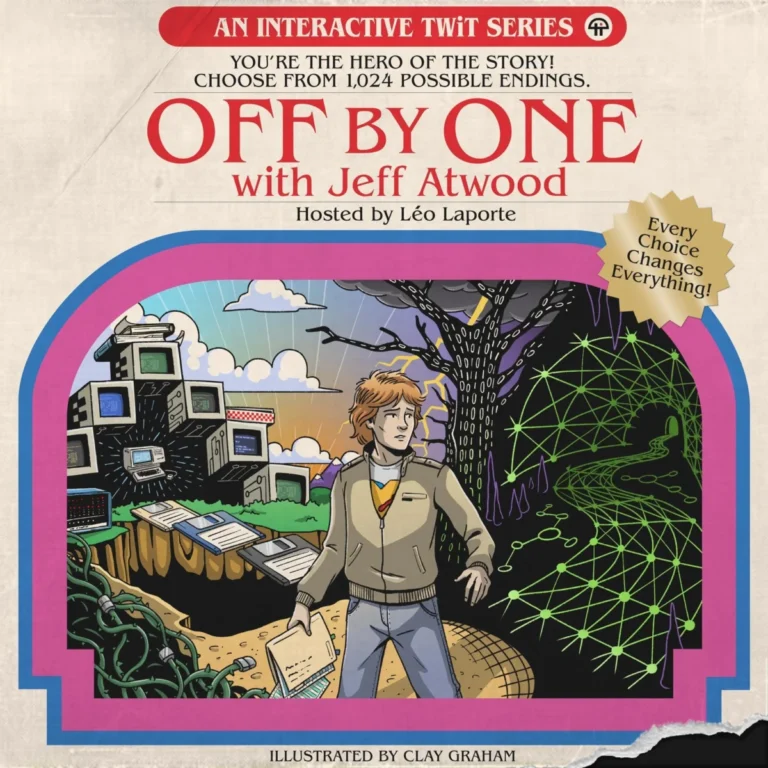
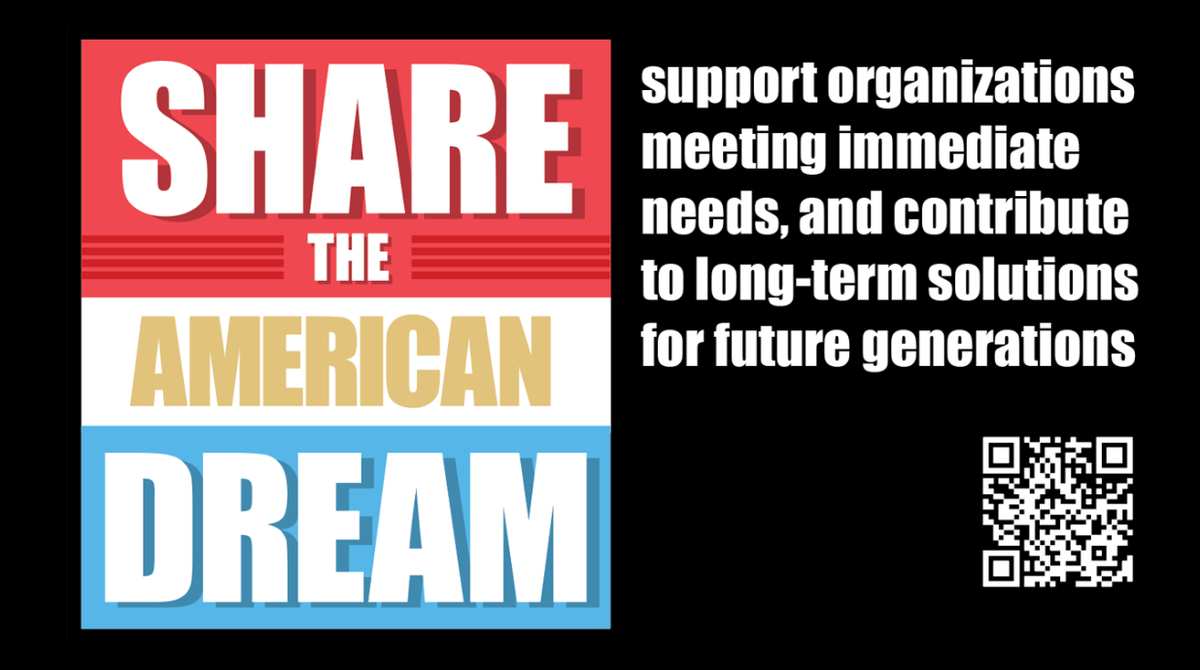
In an unprecedented move reflecting deep concern for the nation’s future, Jeff Atwood, co-founder of prominent tech platforms Stack Overflow and Discourse, has announced a substantial philanthropic commitment to safeguard and redefine the American Dream. Atwood’s initiative includes immediate donations totaling $8 million to non-profit organizations addressing urgent needs, alongside a long-term pledge to allocate half of his family’s remaining wealth over the next five years towards systemic efforts aimed at ensuring equitable access to the American Dream for all citizens. This significant declaration comes at a moment of heightened economic disparity and political polarization in the United States, prompting a national conversation on the foundational principles of American society.
A Personal Journey Shapes a Public Commitment
Jeff Atwood’s journey from humble beginnings to considerable wealth underpins his passionate advocacy for the American Dream. Born to parents from rural West Virginia and North Carolina, Atwood described his family’s challenging ascent to the lower middle class in Virginia. His formative years were marked by personal adversity, including his father’s alcoholism and his parents’ subsequent divorce when he was 16. This difficult period, however, also became a crucible for personal growth, as his parents, post-divorce, found healing and taught him "how to fully, deeply receive love, and the profound joy of reflecting that love upon everyone around you." This early life experience appears to have instilled in him a profound sense of empathy and a commitment to collective well-being.
Atwood pursued his education in public schools in Chesterfield County, Virginia, and graduated from the University of Virginia in 1992. During his college years, he navigated financial challenges by working part-time as a cashier at Safeway, earning the federal minimum wage, and relying on Pell grants and scholarships. He noted that even with in-state tuition, which was approximately $3,000 per year at the time, financial stability was precarious. This personal struggle with educational costs highlights a critical issue in contemporary America.
The Rising Cost of Opportunity and the Eroding American Dream
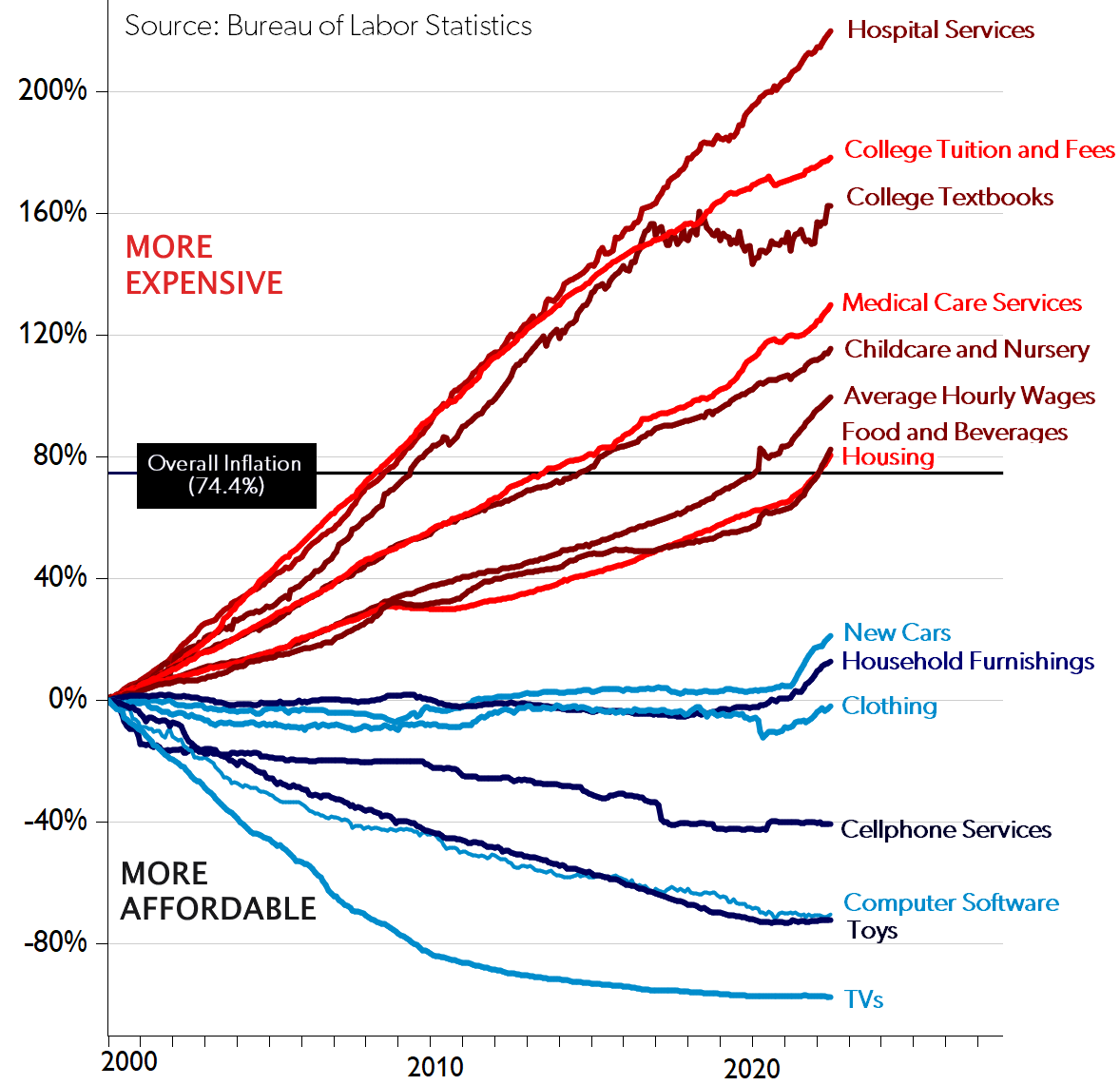
Atwood points to the skyrocketing costs of essential services as a primary threat to the accessibility of the American Dream. He highlights that college tuition at state schools, which was $3,000 annually in 1992, has surged to $23,000 per year, an eightfold increase in just three decades. This dramatic rise in educational expenses, coupled with similar escalations in healthcare and housing costs, creates formidable barriers for many Americans aspiring to upward mobility.
Data corroborates Atwood’s concerns. According to the College Board, the average published tuition and fees for in-state students at public four-year institutions increased by 179% between the 1991-92 and 2021-22 academic years, even after adjusting for inflation. When considering nominal dollars, the increase is far greater. The median household income, while growing, has not kept pace with these essential expenditures, making higher education, homeownership, and adequate healthcare increasingly out of reach for a significant portion of the population. This creates a significant burden of student loan debt, which now exceeds $1.7 trillion nationally, impacting millions of graduates and delaying major life milestones.

Pioneering Digital Democracy: Stack Overflow and Discourse
Atwood’s professional career is marked by his contributions to digital community building. In 2008, he co-founded Stack Overflow with Joel Spolsky, a Q&A website for programmers that rapidly became an indispensable shared knowledge base operating under a Creative Commons license. Atwood describes Stack Overflow as a "digital democracy," where users collectively rank questions and answers and elect community moderators through ranked-choice voting. This model, he argues, embodies the "American way" of democratic participation.
Building on this success, Atwood co-founded Discourse, an open-source tool designed for constructive and empathetic community discussions. Discourse emphasizes the establishment of community-agreed boundaries and democratic moderation tools, fostering environments where disagreement can occur within a framework of respect. Atwood asserts that these platforms demonstrate the power of "digital democracy and empathy," principles he believes are crucial for a healthy society. He stresses the importance of extending kindness and empathy through digital screens, arguing that the anonymity of online interactions often leads to behaviors unacceptable in the real world.
Both Stack Overflow and Discourse, in Atwood’s view, are "projects for the public good that happen to be corporations," a testament to the opportunities afforded by the American system. His success with these ventures, which he attributes to a combination of hard work and good luck, allowed him to achieve significant wealth, fulfilling what he initially perceived as the "final part of the American Dream."

The Realization: Sharing the Dream
A pivotal moment for Atwood came during a high school theater performance of S.E. Hinton’s "The Outsiders." The play’s enduring message, particularly the phrase "stay gold," resonated deeply, leading him to a profound reinterpretation of the American Dream: it is not merely about individual achievement but about sharing that achievement. He quotes the play’s director, who emphasized that "strength lies not just in overcoming hardships but in staying true to ourselves and lifting up those around us."
This realization propelled Atwood to reassess his philanthropic strategy. While he had always planned to donate most of his wealth upon his passing, following the model of Warren Buffett’s Philanthropic Pledge, he now sees this as insufficient. He notes Buffett’s recent amendment to his pledge, directing his wealth to a charitable trust run by his adult children, and questions the timeliness and efficacy of such deferred giving. Atwood, concerned for his own children’s future in an increasingly uncertain world, plans to retain only enough wealth to secure their college educations and homeownership. The urgency, he states, is immediate, not generational.
Addressing Immediate Needs and Systemic Inequity
Atwood’s philanthropic initiative is structured in two phases: immediate relief and long-term systemic change. His family has already completed "eight $1 million donations" to various non-profit groups specifically working to support those most in need across America. He encourages other Americans to contribute to organizations they believe are effectively making a difference.
For long-term impact, the pledge of half his remaining wealth over the next five years aims to address the root causes of inequity. Atwood believes that America’s version of capitalism, while enabling his success, has also contributed to a stark imbalance. He echoes W.E.B. Du Bois’s sentiment that "the prosperity of a nation [should be measured] not by the number of millionaires, but by the absence of poverty, the prevalence of health, the efficiency of the public schools, and the number of people who can and do read worthwhile books."
Wealth Inequality: An "Unamerican" Divide
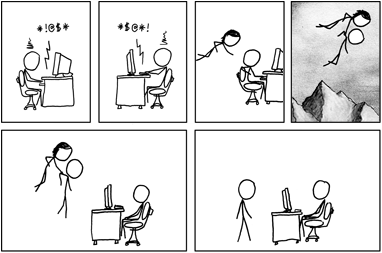
Atwood explicitly calls the current level of wealth inequality "unamerican." He highlights alarming statistics: in 2012, the top 1% of Americans held 24% of the country’s wealth; by 2021, this figure had risen to 30%. Globally, the concentration of wealth is even more pronounced, with the richest 1% accumulating nearly twice as much wealth as the rest of the world combined over the past two years. This ever-widening gap, Atwood argues, distances the wealthy from the realities faced by the majority, creating a societal disconnect. His personal experience of no longer needing to scrutinize prices underscores this growing chasm.
Strengthening Democracy: A Call for Reform
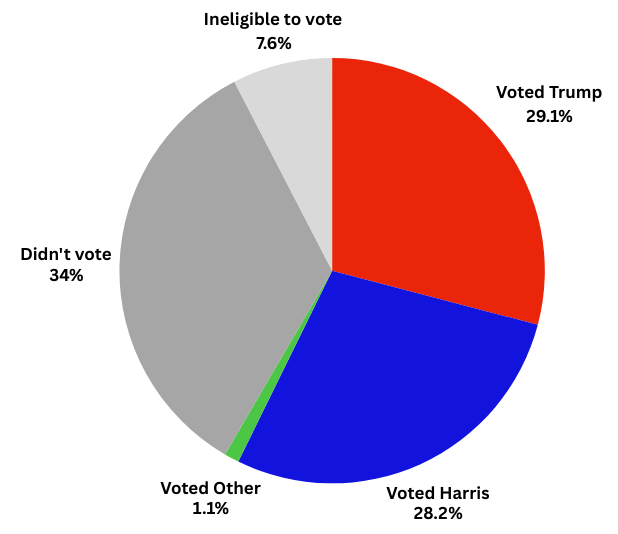
A significant portion of Atwood’s concern revolves around the health of American democracy. He points to the 2024 United States presidential election as a stark indicator of democratic fragility, noting that 34% of eligible adults did not exercise their right to vote. Combined with the 7.6% ineligible population (including non-citizens and convicted felons), a staggering 42% of adults living in America had no say in the election. Atwood questions the reasons behind this non-participation, citing potential factors such as voter suppression, gerrymandering-induced indifference, or a pervasive feeling that individual votes do not matter.
He contends that this low turnout challenges America’s status as a leading democracy and suggests that many voters who did participate no longer believe the government effectively ensures fairness for everyone. To address these issues, Atwood proposes several democratic reforms:
- Making Election Day a national holiday: To increase accessibility and reduce barriers to voting.
- Universal mail-in voting: To simplify the voting process and expand participation.
- Adopting ranked-choice voting: To ensure all votes carry more weight and better reflect voter preferences, fostering broader representation.
He also advocates for strengthening institutions that uphold democratic fairness, such as state and local election boards and the Federal Election Commission, to ensure integrity and public trust.
The Perils of Polarization and the Choice of Paths
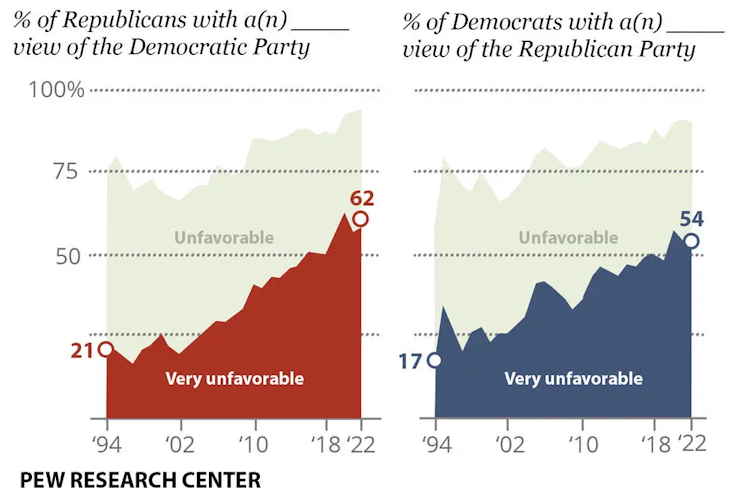
Atwood observes that political polarization in the United States is at historically high levels, reminiscent of the Gilded Age, and continues to rise. In a two-party system, such extreme division becomes counterproductive and even dangerous, raising the fundamental question: "Do we all still believe in the same American Dream?" He references Jimi Hendrix’s iconic rendition of "The Star-Spangled Banner" at Woodstock as an eloquent capture of the American Dream’s distortion.
Drawing parallels to Martin Luther King Jr.’s philosophy, Atwood describes the American Dream as containing both the "path of hate" and the "path of love," constantly battling throughout history. His family’s ultimate pledge is explicitly "towards an American Dream founded on love," signaling a commitment to fostering unity, empathy, and collective advancement rather than division and self-interest.
Broader Implications and a Call for Collective Action
Jeff Atwood’s announcement transcends a mere philanthropic pledge; it is a public articulation of deep concern for the future of American society and a call to action. By linking personal success, systemic economic issues, and the health of democratic institutions, he frames the American Dream not as a static ideal, but as a dynamic concept requiring constant cultivation and shared effort.
His decision to make a significant portion of his wealth available now, rather than posthumously, challenges conventional philanthropic timelines and urges immediate engagement with pressing societal issues. This proactive approach could influence other high-net-worth individuals to accelerate their charitable giving and focus on systemic change. The transparency of his pledge, combined with his willingness to "advise and empower others," fosters a collaborative model for addressing complex challenges.
Atwood’s upcoming Cooper Union talk, co-presented with Alexander Vindman, titled "Rebuilding the American Dream: A Path Forward," on Thursday, March 20th at 7 pm Eastern time, further underscores his commitment to public discourse and collective problem-solving. This initiative encourages Americans to reflect on the core tenets of their nation, to engage more actively in civic life, and to collectively strive for a future where the American Dream is genuinely accessible to all, defined by principles of love, empathy, and shared prosperity. As Atwood concludes, "Stay gold, America."
About the Author