Meta Platforms Inc. recently reaffirmed its long-term commitment to virtual and augmented reality through statements made by Chief Technology Officer Andrew Bosworth, signaling a pivotal shift as the company prepares for its annual Connect conference. During a public "Ask Me Anything" session on Instagram, Bosworth addressed industry speculation regarding a potential retreat from the virtual reality (VR) sector, stating definitively that Meta is currently developing multiple next-generation headsets. This confirmation comes at a critical juncture for the industry, which has faced a period of stagnation often referred to by analysts as a "VR Winter."
The CTO’s remarks highlighted recent "profound" updates to the Meta Quest user interface, the first major overhaul in several years, as evidence of continued investment. Industry insiders anticipate that Meta will use the upcoming Connect event to unveil a high-end spatial computing device, currently known by internal codenames such as "Phoenix" or "Puffin." This device is expected to target the prosumer and enterprise markets, with a projected price point exceeding $1,000, positioning it as a direct competitor to Apple’s Vision Pro rather than a mass-market successor to the Quest 2.
The Evolution of Hardware: Valve and XREAL Expand Market Reach
While Meta solidifies its roadmap, Valve Corporation is reportedly nearing the launch of its own highly anticipated hardware, colloquially referred to as the "Steam Frame." This week, Valve quietly introduced a "Great on Frame" section to the Steam Store, mirroring the "Great on Deck" verification system used for its handheld console. This new category lists VR titles certified to perform optimally on the unannounced headset.

Market analysts suggest that Valve’s entry into the standalone or wireless VR market could disrupt Meta’s current dominance. Valve’s previous hardware, the Index, remains a benchmark for high-end PC VR, but the industry has moved toward untethered solutions. The "Great on Frame" page suggests a launch may be imminent, possibly as early as late summer 2024, as the company finalizes logistics following its recent hardware manufacturing expansions.
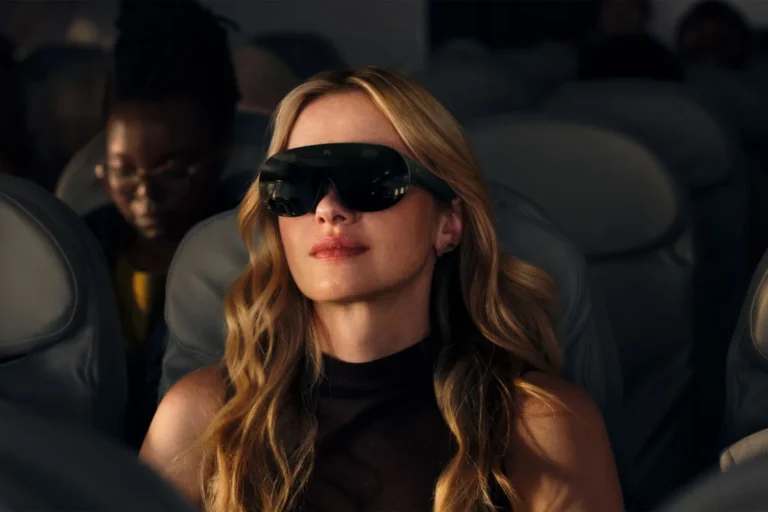
Simultaneously, XREAL has moved to capture the lower end of the market with the international release of its "xbx" brand glasses. Priced at approximately $300, these media-viewing smart glasses are designed for a younger demographic, prioritizing portability and affordability over high-fidelity spatial computing. This diversification of hardware—ranging from $300 entry-level wearables to $3,500 enterprise headsets—indicates a maturing ecosystem where hardware is being tailored to specific use cases rather than a one-size-fits-all approach.
Intellectual Property Litigation: Apple vs. OpenAI
The competitive landscape has also shifted into the courtroom, as Apple Inc. has initiated legal proceedings against OpenAI and associated entities over alleged trade secret theft. The lawsuit centers on OpenAI’s aggressive recruitment of Apple’s hardware engineering talent to build its own AI-integrated devices. Central to the complaint is the role of "io Products," a design firm founded by Jony Ive, Apple’s former Chief Design Officer, which has been collaborating with OpenAI on hardware prototypes.
Apple’s legal filings detail specific instances of alleged misconduct. One example involves Tang Tan, a former Apple executive who reportedly joined Ive’s firm. The lawsuit alleges that during recruitment phases, Apple employees were encouraged to bring proprietary prototypes to interviews for "show and tell" sessions. Furthermore, the complaint names Chang Liu, another former employee, who allegedly maintained unauthorized access to Apple’s confidential servers after his departure. Internal communications cited in the lawsuit suggest Liu utilized proprietary data to assist OpenAI’s hardware development. This litigation could significantly delay OpenAI’s entry into the wearable market, as discovery processes may freeze development timelines for their rumored AI-powered glasses.

Privacy and the "Always-On" AI Dilemma
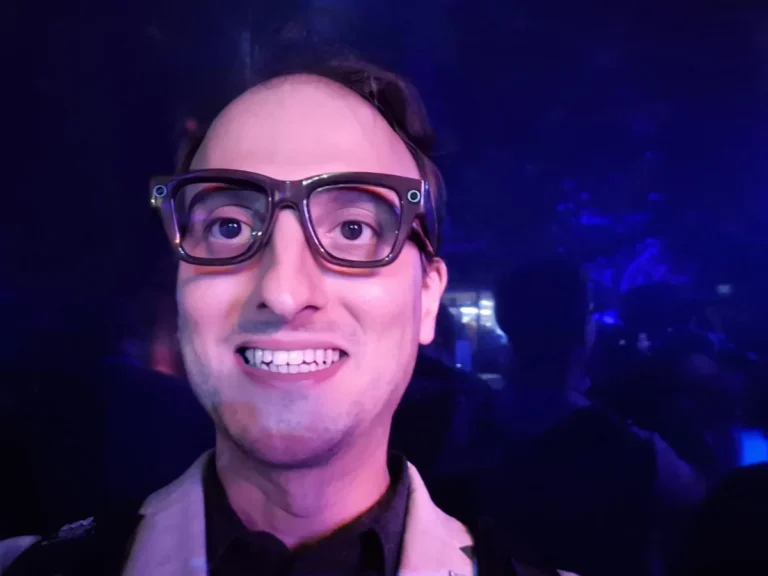
As smart glasses become more integrated with artificial intelligence, privacy remains a primary concern for both manufacturers and regulators. Meta recently addressed a significant security vulnerability in its Ray-Ban Meta smart glasses. Users had discovered methods to disable or cover the privacy LED—a light that signals when the device is recording—allowing for clandestine filming. Meta’s latest firmware update implements a forced "anti-tampering" feature; if the device detects the LED has been obstructed or modified, the camera functionality is automatically disabled.
However, a larger debate is emerging regarding "super-sensing" features. Meta is reportedly exploring "always-on" AI capabilities that would allow the glasses to continuously record or photograph the user’s environment to provide real-time assistance. This would enable functions such as asking the AI to locate misplaced keys based on visual history. Reports suggest internal disagreements within Meta regarding whether the privacy LED should remain illuminated during these passive sensing modes. Advocates for transparency argue that third parties have a right to know when they are being recorded, while proponents of the feature suggest a constant light would be socially intrusive and drain battery life. The outcome of this internal debate will likely set the standard for the next generation of AI wearables.
Investment Trends and Market Consolidation
Despite the perceived "VR Winter," venture capital continues to flow into specialized XR startups. Even Realities, a Chinese firm focusing on camera-free, lightweight AI glasses, recently secured $150 million in a new funding round. This investment has propelled the company to "unicorn" status, with a valuation exceeding $1 billion. The success of Even Realities underscores a growing consumer preference for "lite" AR—devices that offer heads-up notifications and AI translation without the bulk of traditional mixed-reality headsets.
In the military and industrial sectors, Distance Technologies has launched AcuityOS, a visual intelligence platform. Founded by the co-founders of Varjo, Distance is pivoting toward defense applications, allowing operators in armored vehicles to perceive their surroundings through augmented overlays. This trajectory mirrors the growth of companies like Anduril in the United States, suggesting that the European defense sector is increasingly looking toward XR for tactical advantages.

Content Challenges and Industry Shifts
The software side of the XR industry continues to experience volatility. Recent leaks confirmed that a high-profile "Tomb Raider" VR title was canceled following the closure of Vertigo Games’ Amsterdam division. The project, which was reportedly partially funded by Meta, fell victim to broader cost-cutting measures within the industry. This cancellation highlights the precarious nature of AAA VR development, where high production costs and a fragmented user base make large-scale projects risky.
Conversely, some industry veterans remain committed to the medium. John Carmack, the former CTO of Oculus, has publicly reiterated his offer of a $1 million guarantee to Microsoft and id Software to facilitate the official porting of classic titles like Quake and Doom to VR. This gesture aims to bridge the gap between community-led "Team Beef" ports and official commercial releases, ensuring legacy content remains accessible on modern hardware.
As the industry moves toward the final quarter of 2024, the focus remains on the upcoming Meta Connect and the potential launch of Valve’s new hardware. These events, combined with the resolution of high-stakes legal battles and the implementation of robust privacy standards, will determine whether the XR market can transition from a niche enthusiast category into a sustainable pillar of the global technology landscape.
About the Author