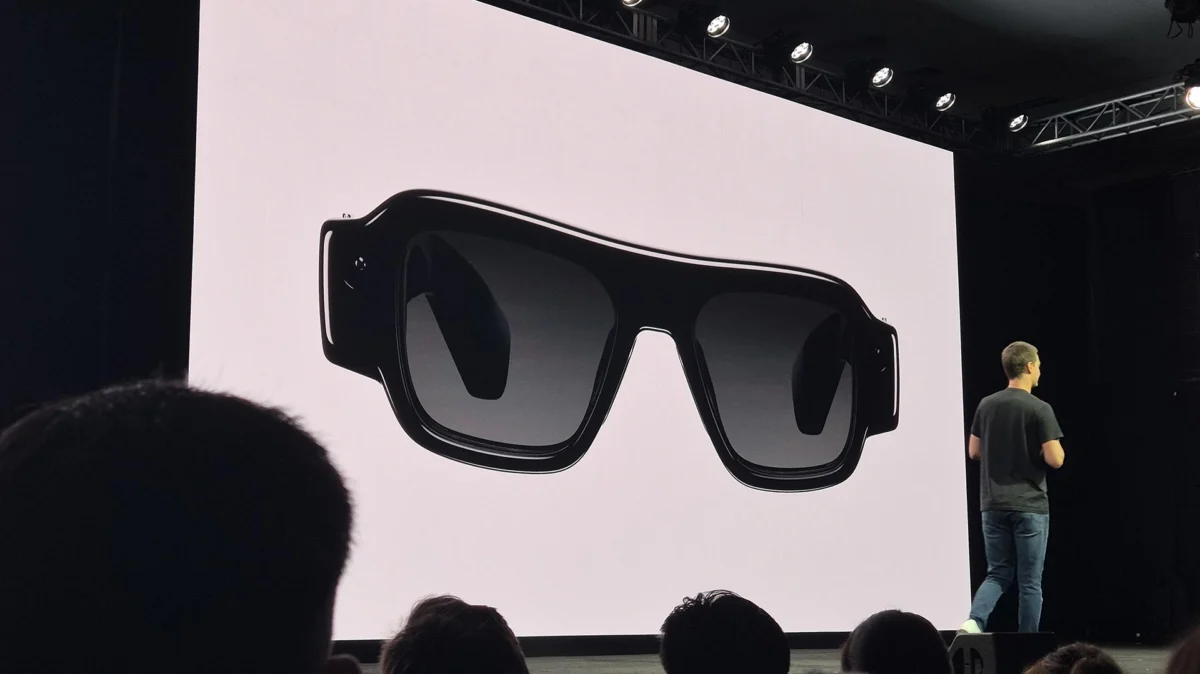
Snap Incorporated has officially scheduled a major hardware event for September 16, 2024, at 4:00 pm PT, where the company is expected to provide the most comprehensive look to date at its latest augmented reality (AR) hardware. While Snap CEO Evan Spiegel previously teased the existence of the new Spectacles at the Augmented World Expo (AWE), the upcoming presentation marks the formal transition from conceptual announcement to technical unveiling. Industry analysts anticipate that this event will finally clarify the specific hardware capabilities—colloquially referred to in the developer community as the "specs of Specs"—which have remained closely guarded since the initial reveal.
The event is positioned to demonstrate the integration of artificial intelligence (AI) assistance, professional productivity tools, and immersive entertainment within a wearable form factor. According to official statements from Snap, the presentation will focus on how these glasses facilitate shared experiences while allowing users to remain present in their physical environments. Beyond technical specifications, the industry expects the announcement of a definitive consumer release date and pricing tiers, as previous iterations of Spectacles were primarily distributed to a limited group of developers and creators.
The Resurrection of AltspaceVR Under SideQuest Leadership
In a significant development for social virtual reality, Shane Harris, CEO of the VR sideloading platform SideQuest, has announced plans to reboot AltspaceVR. This move comes after Microsoft shuttered the original platform in early 2023 as part of broader corporate restructuring and a shift toward Mesh, its enterprise-focused mixed reality (MR) solution. Harris confirmed that his team has acquired the rights to the Altspace name and intends to position the new iteration as a spiritual successor that maintains the community-driven ethos of the original.

To ensure continuity in design and user experience, the SideQuest team has reportedly recruited former AltspaceVR staff, including Christian Boe, the designer responsible for the platform’s signature robot avatars. This announcement follows a previous, less successful attempt by a separate group to revive the platform using the BasisVR framework, which faced criticism from the community due to the integration of controversial cryptocurrency features. By contrast, the SideQuest-led initiative has garnered cautious optimism from VR enthusiasts who view the platform as a vital "safe space" for adult social interaction.
Apple Explores Fitness as a Primary Driver for AR Glasses
Internal reports from Apple suggest a strategic pivot toward health and wellness as the primary use case for its upcoming lightweight AR glasses. While the Apple Vision Pro remains the company’s flagship spatial computing device, its substantial weight has been identified as a barrier to high-intensity physical activity. Consequently, Apple’s Vision Products Group is reportedly exploring how a more streamlined eyewear form factor can integrate with the Apple Fitness+ ecosystem.
Supporting this report is a recent job listing for a strategic product design leader within Apple’s Vision Products Group. The role is tasked with defining the future of health and well-being experiences across the company’s vision product line. Market analysts suggest that by focusing on fitness, Apple may circumvent the privacy concerns and "glasshole" social stigma that have historically hindered the adoption of camera-equipped eyewear. By framing the device as a biometric and coaching tool, Apple could tap into the lucrative wearable health market currently dominated by smartwatches.
Meta Financial Realities and the Puffin Hardware Leak
Meta’s Reality Labs division continues to navigate a complex financial landscape, reporting a loss of $4.62 billion in the second quarter of 2024. While the figure represents a significant expenditure, it outperformed market expectations, as analysts had projected losses exceeding $5 billion for the period. This financial data underscores Meta’s long-term commitment to the "metaverse" despite ongoing pressure from shareholders to demonstrate a clear path to profitability for its hardware division.

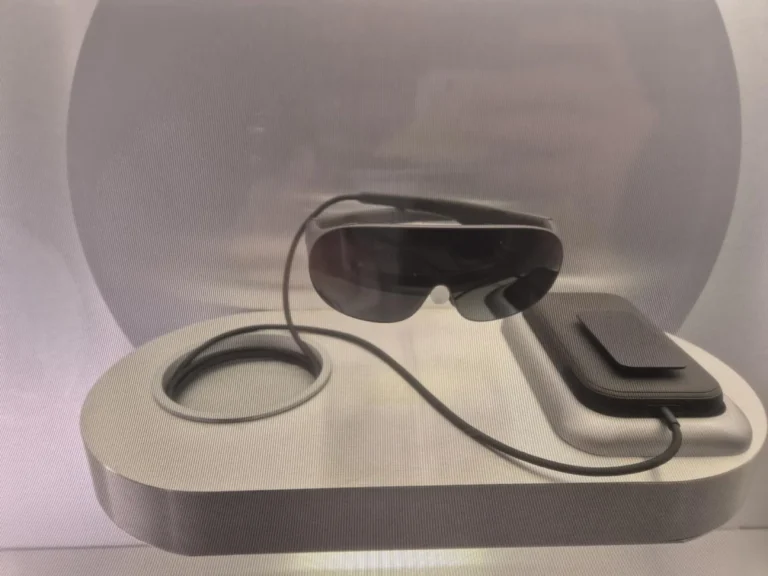
Simultaneously, data miners have discovered references to a new Meta headset, codenamed "Puffin" (also referred to in various leaks as Phoenix or Loma), within the latest Quest firmware updates. The leaked setup user interface (UI) depicts a device that is notably smaller and lighter than the current Quest 3, suggesting a move toward a "viewer" style form factor that may offload processing to a puck or a tethered smartphone.
In response to ongoing social concerns regarding smart glasses, Meta has also implemented new moderation policies for its Ray-Ban Meta collection. The company announced that any content featuring harassment recorded with the glasses will be banned from Instagram. This follows a firmware update that disables the device if the integrated safety LED—which signals when recording is active—is tampered with or covered.
Market Dynamics: Competitive Pricing and Emerging Hardware
The PCVR and console VR markets are currently experiencing a period of aggressive pricing and rapid hardware cycles. Sony has temporarily reduced the price of the PlayStation VR2 (PSVR2) to $300 in the United States, a move designed to stimulate sales ahead of the launch of its PC compatibility adapter. This price point positions the PSVR2 as one of the most affordable high-end headsets on the market, offering OLED displays and eye-tracking technology at a fraction of the cost of its competitors.
In the PCVR space, Valve’s long-rumored "Steam Frame" has reportedly passed FCC certification, a mandatory step for electronic devices before they can be sold in the United States. The certification, combined with an expanding list of titles marked as "Great on Steam Frame" in the Steam database, suggests that an official launch is imminent.

Furthermore, the "Unseen Reality" startup has launched a Kickstarter campaign for the URXR One, a pair of MR glasses weighing only 93 grams. Based on the GravityXR reference design, these glasses utilize screen-through mixed reality to provide a high-resolution virtual display in a sunglasses-style form factor. With a target price of $800, the project represents the growing trend of specialized, lightweight hardware entering the market via crowdfunding platforms.
Software Transitions and AI Integration
The XR software ecosystem is seeing both the retirement of legacy titles and the introduction of advanced development tools. The popular multiplayer shooter HyperDash has announced its impending shutdown, though the developers have released a final update enabling a permanent single-player mode to preserve the title for existing owners.
On the development front, Meta has introduced "XR Operator," a tool designed to allow AI coding agents to test VR applications autonomously. This aligns with recent demonstrations by researchers like Andrej Karpathy, which show AI agents generating complex, detailed virtual environments with minimal human intervention. These advancements suggest that the next phase of XR content creation will be heavily augmented by generative AI, potentially lowering the barrier to entry for developers and expanding the library of available spatial experiences.
As the industry prepares for the September hardware cycle, the focus has shifted from mere immersion to practical utility, social safety, and hardware miniaturization. The upcoming months will likely determine which of these competing visions for the future of augmented and virtual reality will gain the most traction with a global consumer base.
About the Author