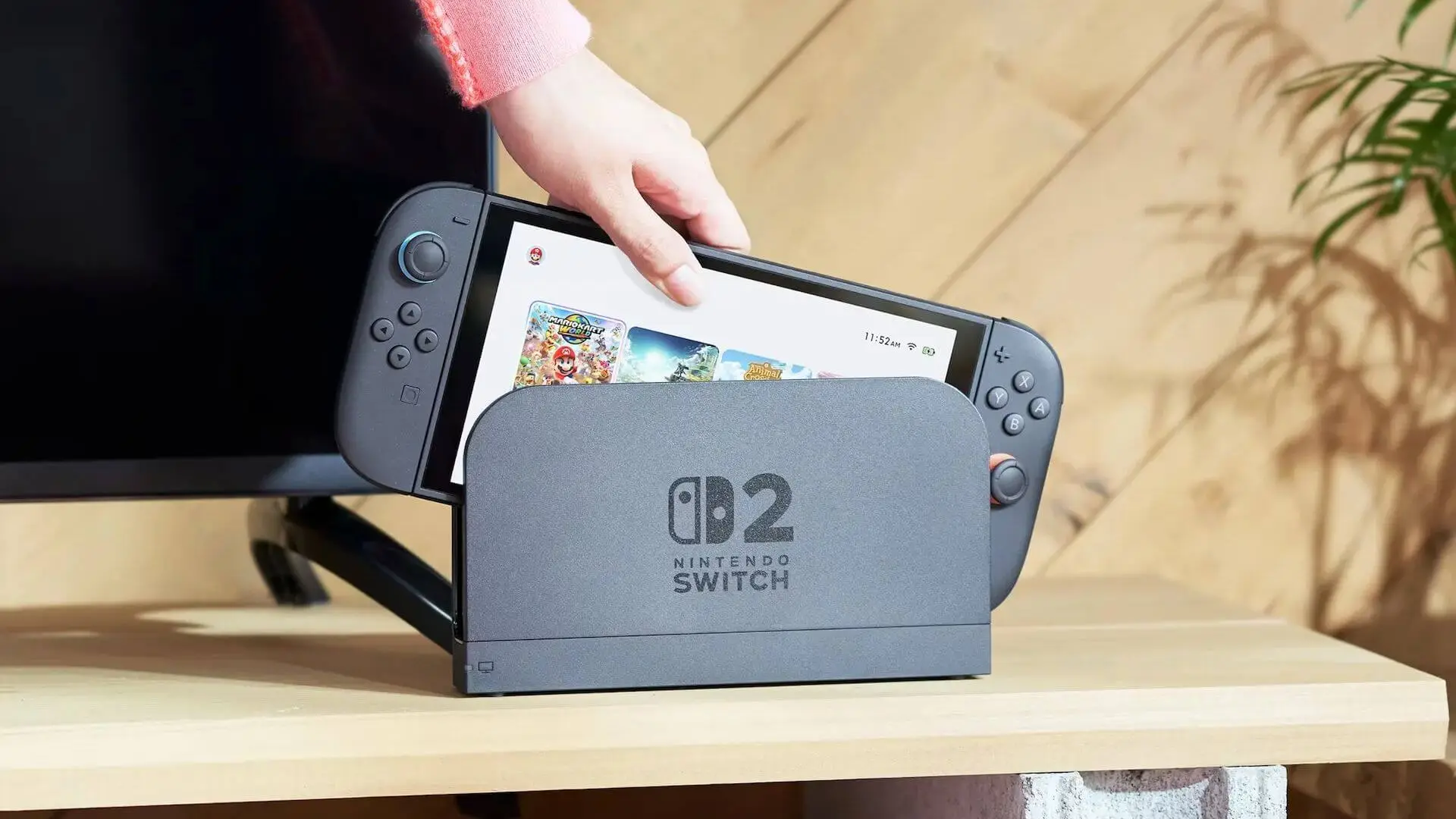
Nintendo has reported a notable downturn in hardware sales for its latest console, the Nintendo Switch 2, during the first fiscal quarter ended June 30, 2026. The company sold 3.82 million units of the Switch 2, marking a substantial 34.4 percent decrease compared to the 5.82 million units sold in the corresponding period last year, which coincided with the console’s launch. This decline in hardware performance has significantly impacted the company’s overall dedicated video game platform business, with sales revenue falling by 13.1 percent year-on-year to 483 billion yen in the first quarter, as detailed in Nintendo’s latest fiscal report. The dip is primarily attributed to the waning hardware sales, signaling a potential shift in the console’s market trajectory after its initial launch surge.
Hardware Performance and Market Dynamics
The substantial 34.4 percent year-on-year drop in Switch 2 hardware sales represents a critical point for Nintendo, as the console navigates its second year in the market. While a deceleration in sales is often anticipated following the initial launch window, which typically sees a rush of early adopters and enthusiastic fans, the magnitude of this decline raises questions about sustained demand and broader market conditions. The first fiscal quarter of 2026 (Q1 FY26) represented the Switch 2’s launch quarter, naturally benefiting from pent-up demand and extensive marketing, leading to exceptionally high sales figures. The comparison to this peak performance inherently creates a challenging benchmark for subsequent quarters.
Industry analysts frequently observe that console sales cycles mature, moving from rapid adoption to a more stable, albeit slower, pace. However, the current decline is also contextualized by several external factors that Nintendo itself has acknowledged. The global economic landscape, characterized by inflationary pressures and cautious consumer spending, likely played a role in dampening enthusiasm for new hardware purchases. Furthermore, the company’s decision to implement a price increase for the Switch 2 in May 2026, driven by geopolitical events and supply chain challenges, would undoubtedly have created an additional barrier for potential buyers. While Nintendo aims to maintain a "healthy earnings structure," the immediate impact on sales volume appears evident. The 13.1 percent revenue reduction in the dedicated video game platform business underscores the direct correlation between hardware unit sales and overall financial performance in this segment.
Despite this downturn, Nintendo’s consolidated financial forecast for the current fiscal year, ending March 30, 2027, remains unchanged. The company still projects to sell 16.5 million units of the Switch 2, which would represent a 16.9 percent decline from the 19.86 million units sold in the previous fiscal year (FY26). This steadfast forecast suggests Nintendo anticipates a rebound in sales in subsequent quarters, possibly banking on strong holiday season performance, the release of highly anticipated titles, or strategic marketing initiatives to reignite consumer interest. It indicates a degree of confidence from the company’s leadership that the Q1 performance, while softer than expected, does not derail their annual targets, implying a belief that the market dynamics will improve or their strategy will yield better results later in the year.
Software Resilience and Content Strategy
In stark contrast to the hardware sales trajectory, Nintendo’s software segment demonstrated robust growth, providing a crucial counterbalance to the hardware slump. Sales of Nintendo Switch 2 titles increased by a healthy 9.2 percent year-on-year during Q1, reaching 9.46 million units. More strikingly, software sales for the original Nintendo Switch console experienced a significant surge, climbing by 33.6 percent to an impressive 33.81 million units over the same period. This dual-pronged growth in software highlights the enduring appeal of Nintendo’s intellectual properties and the strength of its expansive installed base across both console generations.
Nintendo specifically called out two titles for their exceptional performance: Tomodachi Life: Living the Dream and Pokémon Pokopia. Tomodachi Life: Living the Dream emerged as a major success, selling 7.94 million units. Its broad compatibility across all Switch hardware (original Switch and Switch 2) likely contributed to its widespread adoption, appealing to the vast existing user base. The success of Tomodachi Life, a life simulation game known for its quirky humor and social interactions, underscores Nintendo’s ability to cultivate strong, enduring franchises that resonate with diverse audiences beyond its traditional action-adventure or platforming staples.
Meanwhile, Pokémon Pokopia, an exclusive title for the Nintendo Switch 2, sold 1.27 million units. While its sales figure is lower than Tomodachi Life, its exclusive nature makes it a significant driver for the new console. The Pokémon franchise consistently proves to be a system seller, and the performance of Pokopia suggests that new, high-profile exclusives are vital in encouraging adoption of the Switch 2, even amidst broader hardware challenges. Nintendo’s statement that "many consumers continued to adopt the system, encouraged by the release of new titles and other factors" directly acknowledges the pivotal role of software in sustaining hardware interest, even when sales are declining compared to launch peaks. This reinforces Nintendo’s long-standing strategy of leveraging its beloved first-party titles to drive both hardware and software sales, maintaining a vibrant ecosystem that encourages continued engagement from players. The strong performance of original Switch software further indicates the longevity and value proposition of the entire Switch family of devices, ensuring that content remains a primary focus for the company.
A Period of Geopolitical and Economic Headwinds
The release of Nintendo’s latest financial report comes amidst a particularly dynamic and challenging period for the company, marked by significant economic pressures, geopolitical instability, and consumer legal action. These external factors provide crucial context for the reported financial performance and strategic decisions made by Nintendo.
May 2026: The Price Hike Announcement
In May 2026, Nintendo announced a price increase for the Switch 2 across various global markets. This decision was explicitly attributed by Nintendo president Shuntaro Furukawa to two major external factors: the "war on Iran" and an "ongoing AI-fueled memory crisis." The "war on Iran" likely refers to geopolitical tensions and conflicts impacting global supply chains, energy costs, and raw material availability, which in turn drive up manufacturing and logistics expenses. The "AI-fueled memory crisis" points to an intensified demand for high-performance memory components, primarily driven by the burgeoning artificial intelligence sector. This surge in demand creates scarcity and increases prices for memory chips, which are essential components in modern gaming consoles.
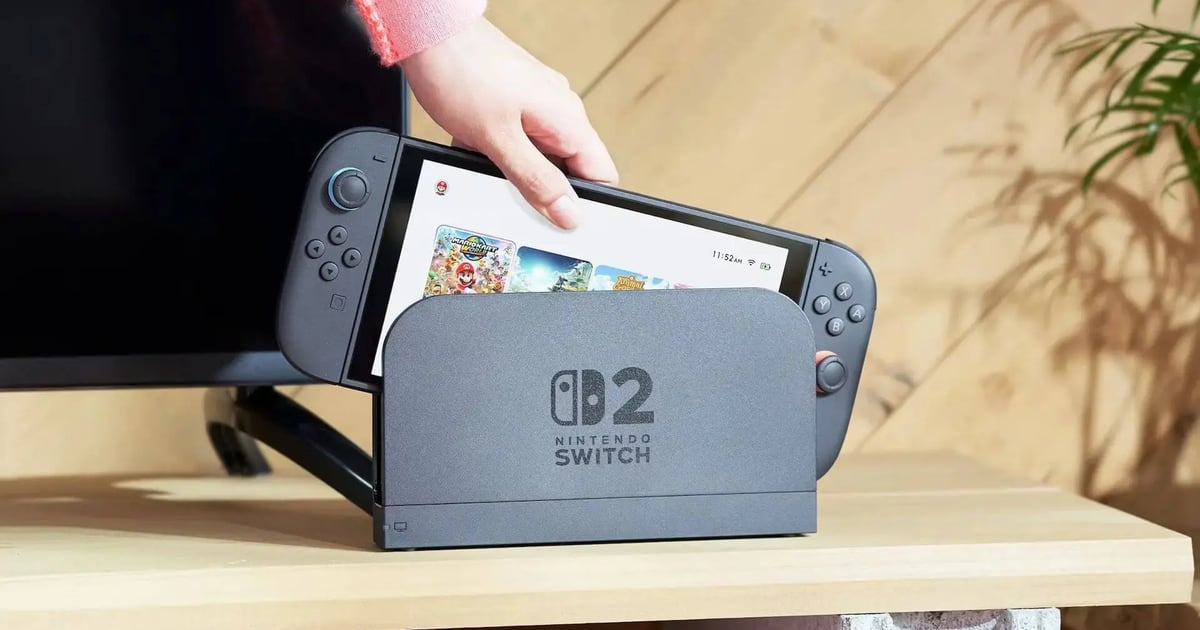
President Furukawa stated that the price adjustment was necessary to maintain "a healthy earnings structure" for the company. This move reflects a strategic effort to offset rising production and operational costs, ensuring profitability margins in a volatile economic environment. However, Furukawa also conceded that raising hardware prices would inevitably create "a barrier for entry for some consumers." This acknowledgment highlights the delicate balance companies must strike between financial health and consumer accessibility, especially in a competitive market where pricing can heavily influence purchasing decisions. The timing of this price increase, occurring within the reported first fiscal quarter, undoubtedly contributed to the observed decline in hardware sales by making the console less attractive to price-sensitive buyers.
April 2026: The Tariff Class Action Lawsuit
Adding to Nintendo’s challenges, consumers initiated legal action against the company in April 2026. This proposed class action lawsuit claimed that Nintendo had unfairly benefited from illegal tariffs imposed by the U.S. government. The core allegation was that Nintendo had passed the cost of these tariffs onto consumers through higher product prices. Subsequently, when the U.S. government provided a refund for these tariffs, the lawsuit contended that Nintendo failed to pass these refunds back to the customers who had originally borne the increased costs. This legal battle introduces significant reputational and financial risks for Nintendo, potentially exposing them to considerable liabilities if the lawsuit is successful.
The legal complaint underscores a broader issue of corporate responsibility regarding consumer pricing and the handling of unexpected financial windfalls. For consumers, the argument centers on fairness and the principle that if they were charged extra due to tariffs, they should be compensated once those tariffs are deemed illegal and refunded to the company. The lawsuit seeks to reclaim these perceived overcharges on behalf of affected consumers, challenging Nintendo’s pricing practices and its management of tariff-related funds.
July 2026: Nintendo’s Defense and Refund Disclosure
In July 2026, Nintendo formally requested the dismissal of the proposed class action lawsuit. The company’s legal team presented a robust defense, asserting that consumers "received exactly what they bargained and paid for" and are "not entitled to a rebate simply because of intervening legal developments related to tariffs." This defense argues that the transaction was complete at the point of sale, and any subsequent legal or financial developments regarding tariffs do not retroactively invalidate the original purchase agreement or create a new entitlement for consumers.
Crucially, Nintendo’s latest financial report also disclosed that the company received a substantial $300 million tariff refund. However, Nintendo’s official statement within the report directly countered the premise of the lawsuit, claiming that "tariffs related to the refunds were primarily borne by the company rather than passed on to consumers through product prices." This assertion suggests that while tariffs were indeed incurred, Nintendo absorbed the majority of these costs internally rather than directly inflating consumer prices to cover them. This claim directly contradicts the central argument of the class action lawsuit and will likely be a key point of contention in ongoing legal proceedings. The discrepancy between the plaintiffs’ claims and Nintendo’s official stance highlights a complex legal and accounting debate over how tariff costs were managed and who ultimately bore the financial burden. The outcome of this lawsuit could set a precedent for how corporations handle similar situations involving fluctuating international trade policies and their impact on consumer pricing.
Broader Market Context and Strategic Implications
Nintendo’s performance in Q1 FY27, characterized by declining hardware sales but robust software growth, offers a nuanced view of its position within the competitive global gaming market. The challenges faced are not isolated but reflect broader industry trends and macroeconomic shifts.
Competitive Landscape and Console Cycles:
The console market is inherently cyclical, with sales typically peaking in the first few years post-launch before gradually tapering off. The Switch 2’s performance aligns with this pattern to some extent, especially when compared to its strong launch year. However, the magnitude of the decline also points to intense competition from rival platforms such as Sony’s PlayStation and Microsoft’s Xbox, which continue to innovate and capture market share. While Nintendo often carves out its unique niche with family-friendly titles and innovative hardware concepts, it is not immune to the broader competitive pressures. Furthermore, the burgeoning PC gaming market and the pervasive influence of mobile gaming constantly vie for consumers’ entertainment budgets, adding layers of complexity to the console sales environment. The original Switch’s continued software strength, even years after its launch, suggests Nintendo is effectively managing a dual-platform strategy, extending the life of its ecosystem and providing a longer tail for software revenue.
Economic Pressures and Consumer Behavior:
The global economic climate, marked by persistent inflation, rising interest rates, and general uncertainty, significantly impacts consumer discretionary spending. High-ticket items like gaming consoles are often among the first to be deprioritized when household budgets are strained. Nintendo’s own acknowledgment of the price hike creating a "barrier for entry" underscores this reality. Consumers are becoming more discerning with their purchases, seeking greater value and longer-term utility from their investments. This economic backdrop necessitates that Nintendo not only offers compelling hardware and software but also effectively communicates the value proposition of its products amidst financial constraints.
Nintendo’s Strategic Response:
The unwavering fiscal year forecast of 16.5 million Switch 2 units suggests Nintendo is anticipating a recovery in sales, likely driven by upcoming major game releases, strategic holiday season promotions, and perhaps a stabilization of the global supply chain and economic conditions. The emphasis on software, particularly the success of new titles like Tomodachi Life: Living the Dream and Pokémon Pokopia, indicates a continued focus on leveraging its strong first-party intellectual properties to drive engagement and sales across its hardware ecosystem. This strategy is crucial for sustaining revenue streams even as hardware sales fluctuate.
Legal and Reputational Impact:
The ongoing class action lawsuit regarding tariffs presents a significant challenge beyond immediate financial implications. It touches upon consumer trust and corporate transparency. While Nintendo has firmly defended its position, the legal battle could affect public perception and brand loyalty. The $300 million tariff refund, coupled with the claim that costs were primarily absorbed internally, is a critical piece of the narrative. The resolution of this lawsuit will be closely watched by consumers, investors, and industry observers, as it could influence future corporate practices regarding pricing, refunds, and communication in response to external economic and regulatory changes. Maintaining a positive brand image and strong consumer relationships will be paramount for Nintendo as it navigates these legal waters.
In conclusion, Nintendo’s Q1 FY27 results paint a mixed picture: a significant deceleration in Switch 2 hardware adoption contrasted with impressive resilience and growth in software sales. This performance highlights the critical importance of a robust software pipeline in sustaining a console ecosystem, especially when hardware faces external headwinds such as price increases, geopolitical disruptions, and economic downturns. The coming quarters will be pivotal in determining if Nintendo can meet its annual hardware sales targets and successfully navigate the ongoing legal and economic challenges to maintain its dominant position in the gaming industry.
About the Author