In 1995, a groundbreaking collaboration between Sony’s PlayStation and UK electronica pioneers like Leftfield, Orbital, and The Chemical Brothers redefined the synergy between music and gaming. The iconic racing simulator, Wipeout, released for the PAL region, wasn’t just a visual spectacle of neon-drenched racetracks and high-speed aerial maneuvers; it was a sonic revolution. This fusion of futuristic gameplay and the pulsating beats of mid-’90s British dance music wasn’t merely a soundtrack; it was a defining characteristic of the game’s identity, resonating deeply with a generation of players who often frequented the very club scenes that inspired the music. The success of Wipeout‘s soundtrack, evidenced by its subsequent CD and vinyl releases, paved the way for future installments to feature titans such as The Prodigy, Paul Van Dyk, and Sasha. While not the absolute first to incorporate licensed tracks, Wipeout set an unprecedented benchmark, demonstrating the profound impact that judicious musical curation could have on a video game’s overall experience and cultural footprint.
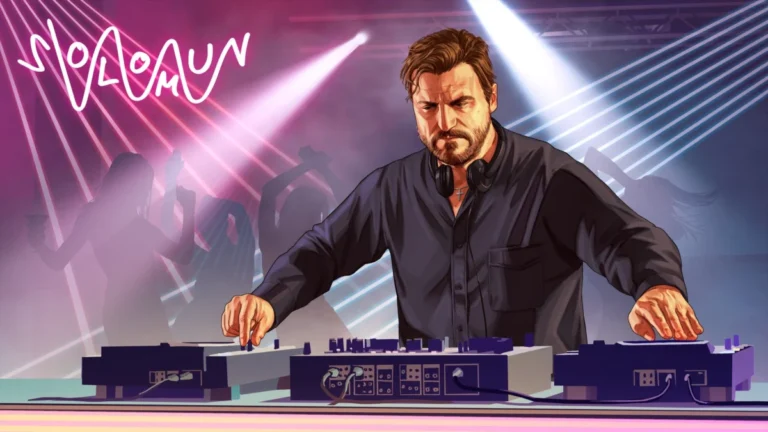
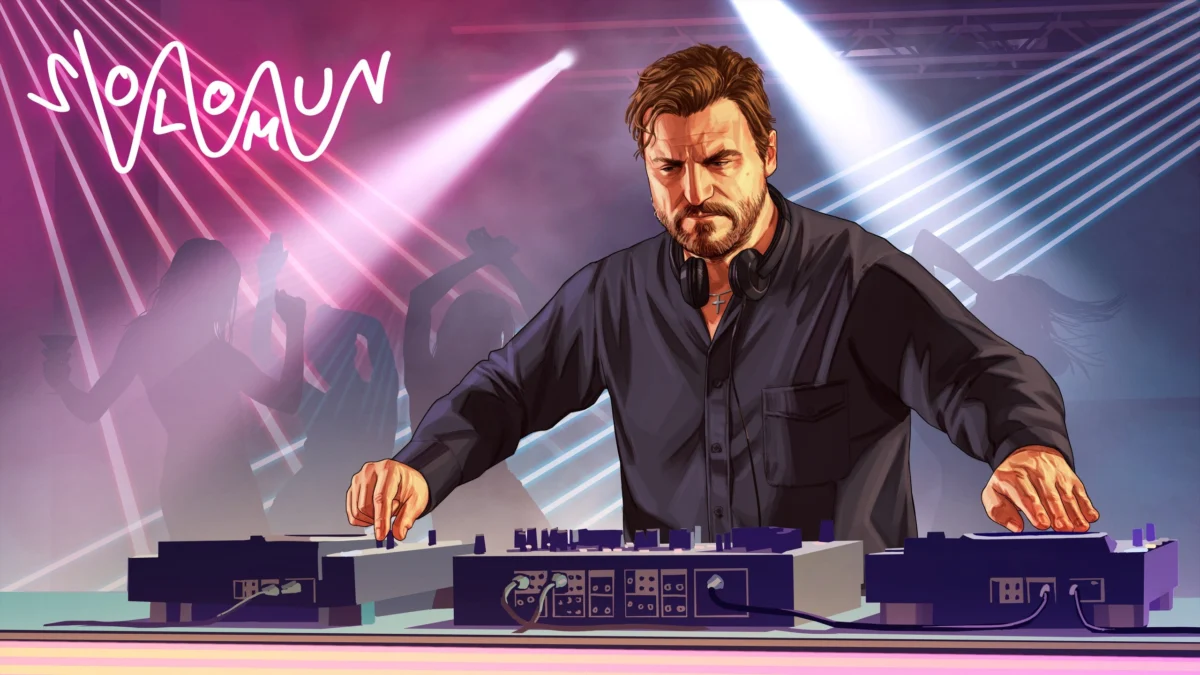
Fast forward a quarter-century, and the strategic integration of music into video games has blossomed into a sophisticated and lucrative industry in its own right. Dedicated teams, comprising audio directors, music supervisors, and A&R specialists, are now integral to game development studios, tasked with the meticulous selection and placement of music. This sonic tapestry can manifest in various forms: ambient playlists and in-game radio stations, reminiscent of those found in landmark titles like Grand Theft Auto and Watch Dogs, or in more dynamic applications, such as the carefully edited tracks that electrify promotional trailers and marketing campaigns.
The COVID-19 pandemic has inadvertently accelerated this trend, as the widespread cancellation of live performances has compelled musicians and their representatives to explore new avenues for audience engagement. With global touring and in-person concerts severely curtailed, video games have emerged as a powerful and accessible platform for artists to connect with both existing and new fan bases. Managers, agents, and record labels are actively seeking opportunities within this burgeoning digital space. However, navigating the intricate landscape of music synchronization – the process of integrating music with visual media – often involves a level of behind-the-scenes negotiation and expertise that can be challenging for outsiders to penetrate. To shed light on this complex ecosystem, industry veterans from both the gaming and music sectors offer invaluable insights into how artists can enhance their chances of having their music featured in video games.
The Architects of Sound: Who Curates Game Soundtracks?
Within larger game development studios, in-house music supervision and A&R departments work in tandem with record labels to identify and secure the most fitting musical talent. For studios that opt for external expertise, specialized music consultancy firms like Feel For Music are engaged. Ben Sumner, director at Feel For Music, highlights the immense variability of music briefs, which are intrinsically tied to the specific game and the creative vision of the development team.
"The level of musical engagement can vary significantly," Sumner explains. "Some teams come to us with a deep passion for music, influencing their involvement from the project’s inception. In contrast, others may have a less defined sonic direction and require more comprehensive guidance. Larger projects often involve audio directors, brand directors, and game directors, all contributing their unique perspectives on the desired soundscape. Our role can range from fine-tuning existing musical concepts to establishing an entirely new sonic identity."
Sumner emphasizes the critical importance of objectivity in his role. "Music taste is inherently subjective," he notes. "Our responsibility is to provide an objective lens, demonstrating how specific music can resonate with target audiences, align with the game’s narrative and aesthetic, and enhance the overall brand identity."
Alex Hackford, Head of A&R at Sony Interactive Entertainment America, observes that the exponential growth of the gaming industry has significantly demystified the value proposition of music collaborations for record labels, publishers, and artist managers. "The increased visibility and proven impact of music in games have lowered the barrier to entry for initial conversations with labels and publishers," Hackford states. "This has fostered greater buy-in from our partners, making collaborations smoother and more fruitful. For titles like Marvel’s Spider-Man: Miles Morales, we produced four original tracks that were simultaneously released across digital service providers, within the game, and as physical media. Each track was accompanied by gameplay-driven music videos. Similarly, our partnership with RMCA for Death Stranding saw a comparable integration of music. The industry is increasingly seeking out these multifaceted collaborations."
Unearthing Sonic Gems: Strategies for Music Discovery
The desire for widespread music exposure is universal, but achieving placement in a video game is a nuanced process with no singular formula. Duncan Smith, Head of Music at Sony Interactive Entertainment Europe, underscores that each game presents a unique set of criteria. "The music required is dictated by the game’s narrative and thematic elements," Smith elaborates. "This could mean a contemporary soundtrack featuring chart-topping artists, or it might benefit from the inclusion of more obscure acts that can imbue the experience with a distinctive flavor."
Given the vast ocean of music available to supervisors, artists can significantly improve their chances of discovery by adopting a proactive and strategic approach. A fundamental step is ensuring music is accessible across a wide array of digital platforms, including Spotify, Apple Music, Deezer, Google Play, and YouTube. This broad availability increases the likelihood of music supervisors encountering an artist’s work during their research.
Stephen Root, Vice President of Development Creative Services at Codemasters, frequently utilizes Spotify for its user-friendly interface and efficient playlist creation capabilities. "When we were developing the soundtrack for Dirt 5, Spotify was an invaluable tool for assembling and sharing playlists with key stakeholders within the company," Root recalls.
The serendipitous nature of discovery can yield remarkable results. Jim Hodge, vocalist for the metal band Mastiff, shared his astonishment when CD Projekt Red approached them for Cyberpunk 2077. "We genuinely thought it was a prank call until we engaged in more substantive discussions," Hodge admitted. "They were interested in an unreleased track, which we had just recorded the month prior. Crucially, we were not under an active record contract at the time, which simplified the licensing process considerably. Having our music featured in such a monumental game is surreal, and hearing it within the game world still gives us chills."
While not a prerequisite, being signed to a major record label can provide an advantage, as labels often have dedicated teams actively seeking placement opportunities for their artists. Root, for instance, regularly attends specialized listening sessions hosted by record labels, offering him early access to upcoming releases and insights into artists’ future projects. "My focus is often on identifying emerging talent and understanding the rationale behind labels’ investments in specific artists," Root explains.
However, the absence of a major label affiliation does not preclude artists from securing game placements. Independent artists and those on smaller labels have numerous avenues for success. "I’m always open to giving new artists a chance," Root asserts. "I actively seek out emerging talent and encourage labels and managers to submit all new material for consideration. It’s about wading through the submissions to find those gems."
Duncan Smith echoes this sentiment, assuring bands with smaller fan bases that their music can still be a compelling choice. "A significant part of our objective is to find music that elevates the player’s experience or enhances a particular scene," Smith states. "The number of streams, hits, or views an artist has accumulated is often secondary to the music’s ability to resonate with the game and captivate the player. Therefore, major label status is not an insurmountable barrier."
Tom Mackay, Sony’s President of Premium Content A&R, clarifies that while there’s a natural inclination to consider artists within Sony Music’s roster, the ultimate goal is to secure the best music for a project. "Good music is good music," Mackay asserts. "While we may have a predisposition to feature Sony Music artists, it would be shortsighted and detrimental to the game to limit our search solely to them. If an exceptional track perfectly suits a game and garners widespread approval, we would never impede its inclusion."

Cultivating a Unique Sonic Identity
From a composer’s perspective, Joe Henson of the musical duo The Flight emphasizes the importance of artistic individuality. "Artists should strive to develop their unique voice and avoid simply emulating existing trends," Henson advises. "For instance, while epic orchestral scores are prevalent, an artist with a distinctive instrument or sonic palette should leverage that uniqueness."
Duncan Smith concurs, believing that a singular sound is more likely to leave a lasting impression. "Cultivate your own sound and a strong artistic identity," Smith advises. "Resist the urge to chase fleeting trends in gaming or music synchronization. Focus on the fundamentals of developing your identity, and then actively seek to establish connections with individuals like myself and Alex. Understanding our current projects and fostering relationships can significantly increase your visibility."
Smith further elaborates, "If you possess a strong artistic identity, we may revisit your work a year or so down the line if a project requires your specific style, whether it’s industrial, drum ‘n’ bass, folk, or any other genre. Embrace your authentic sound and pursue it with passion."
Mastering the Approach: Strategies for Effective Engagement
The overarching objective for artists is to ensure their music reaches the widest possible audience of decision-makers. However, securing the attention of the right individuals through email outreach can be a significant hurdle. Employing a strategic approach can markedly improve the chances of an email being opened and considered.
Many video games are meticulously branded to align with specific musical genres or styles. For instance, the NBA 2K series is often associated with hip-hop and rap, while titles like Life is Strange lean towards indie and folk music. Rather than indiscriminately sending music to numerous contacts, it is crucial to identify specific games or franchises that represent a natural fit for an artist’s sound.
"The aim is to forge a seamless creative synergy between the artist, their aesthetic, and the game’s core identity," explains Sony’s Tom Mackay. "This involves an extensive collaborative process with game directors and developers to fully grasp their vision. Subsequently, we meticulously research artists worldwide to identify those who align with this vision."
Identifying the most relevant contacts becomes more manageable once an artist has pinpointed suitable game titles. "Many individuals are unwilling to invest this effort," Sumner observes, suggesting that this diligence can serve as a competitive advantage. Artists can often find the names of audio and music team members by examining game credits. Additionally, platforms like Google and LinkedIn can be utilized to search for music supervisors and audio directors. Information regarding music supervisors involved in trailers or promotional videos can often be found in the YouTube description.
For artists unsure of where to begin their outreach, engaging professional representation is a viable option. Root encourages musicians to proactively discuss their interest in video games with their management or agents, ensuring they are considered for relevant opportunities. "I advise any artist, whether they are on the cusp of being signed or have recently secured a deal, to communicate their enthusiasm for gaming to their management," Root recommends. "Request that they actively seek out and approach companies to explore potential placements for your music. This proactive step is highly beneficial."

For artists whose managers or labels may lack experience in this domain, engaging a sync representative is another recommended strategy. These professionals specialize in identifying commercial opportunities and facilitating introductions between artists and key industry figures. Duncan Smith advocates for this approach, particularly for artists serious about securing game placements. "It’s essential to invest the effort in understanding our current projects," Smith notes. "Third-party sync representatives can be invaluable in this regard, especially given the difficulty in staying abreast of music supervisors’ ongoing work and cultivating those crucial relationships. If your label or publisher doesn’t possess these connections, finding the right sync rep can bridge that gap."
When preparing formal pitches, Alex Hackford stresses the importance of tailoring the approach to the specific recipient. Demonstrating an understanding of a particular game or series that the contact is involved with can be highly effective. "In the case of a formal pitch, ensure you know your audience and reference games directly relevant to their work, rather than generic cross-platform titles that may not hold the same significance," Hackford advises.
Duncan Smith concurs, emphasizing the impact of personalized engagement. "Making an effort to build relationships will always stand out, particularly compared to generic emails sent to multiple supervisors without any attempt to ascertain their specific projects," Smith remarks.
Feel For Music, a prominent music consultancy, receives an estimated 200 to 250 emails daily from bands, artists, labels, and publishers seeking game placements. Ben Sumner acknowledges the sheer volume, stating, "While it may be challenging for us to review every submission, persistence, focus, and a clear understanding of where your music fits are excellent starting points. We endeavor to give everyone a chance. If an email is inadvertently missed, a polite follow-up will ensure it receives attention." Sumner cites the manager of Sufjan Stevens’ persistent approach as instrumental in securing the artist’s music for Life is Strange: The Amazing Adventures of Captain Spirit.
Furthermore, artists must ensure their music is available in various file formats. For trailer submissions, access to individual instrument tracks, known as "stems," alongside complete stereo files, is often necessary. Producers reworking music for trailers or interactive game elements require stems to facilitate precise editing. "Having your music in the correct formats is paramount," Sumner explains. "Do you have instrumental versions and vocal tracks readily available? Stems are indispensable for trailer reworkings."
Sumner also suggests that artists consider re-arranging their music into structures more amenable to in-game placement or advertising. "For trailers, instead of a typical verse-chorus structure, consider creating versions that are intro-centric, with a defined middle and a clear ending, which aligns with common trailer music conventions," he proposes.
Joe Henson of The Flight notes that the games industry is notoriously challenging to penetrate, whether as a composer or an artist seeking placement. "Unlike film and television, where production schedules are often more transparent, the development of video games can be more secretive," Henson explains. "Confidentiality agreements (NDAs) can make it difficult to ascertain what projects are in development until initial meetings occur. This can create an opaque environment for external collaborators."
While new intellectual properties (IPs) present greater entry barriers, annual franchises like FIFA and Call of Duty offer a more predictable timeline. Alex Hackford points out, "For annual releases, artists can often work backward from the typical development cycle. Music selection and pitching processes usually commence eight to ten months prior to a game’s launch."

Artists should also consider their own music release schedules. Submitting unreleased tracks for consideration can be advantageous, as studios often welcome the opportunity to feature debut music.
Navigating the Labyrinth: Meeting Game Music Briefs
The complexities of music licensing necessitate a thorough understanding of ownership rights. Artists signed to labels or who have previously worked with them should meticulously ascertain who holds the rights to their music. Ambiguities in ownership can derail potential placements, as Alex Hackford notes, "I’m currently encountering a situation where a track I admire is mired in ownership disputes, which will likely prevent its inclusion. This is precisely the scenario we aim to avoid when a song has already reached the hands of key decision-makers."
For artists fortunate enough to secure a game placement, exploring opportunities for added value is crucial. This can involve collaborative efforts with social media campaigns promoting the game’s launch. Tom Mackay advocates for proactive engagement: "I appreciate when managers inquire about opportunities beyond the standard fee. On Driveclub, DJ Shadow’s manager initiated a conversation that led to his album artwork being featured on in-game vehicles. This stemmed from an inquisitive approach that spurred creative thinking and inter-team collaboration. Always consider ‘what else is possible’ and explore cross-promotional avenues."
Stephen Root recounts how the band Broken Witt Rebels significantly amplified their presence in Dirt 5 by creating a music video utilizing gameplay footage. "They didn’t just participate; they fully committed and even produced a video using in-game assets. We were highly impressed by that level of engagement," Root states.
Effective music placement, especially with unreleased material, requires meticulous planning. Root emphasizes the importance of budget considerations from the outset. Careful financial management for Dirt 5 allowed for a diverse soundtrack, featuring debut tracks from emerging artists alongside established hits. "I assess the overall budget to determine the potential number of tracks we can license and how those acquisitions will be distributed across the game," Root explains. "My fee structure is tiered, categorizing artists into emerging, mid-level success, and established performers."
While securing a song in a video game can be a significant career boost, it’s important to have realistic financial expectations. Unlike some video game composers who may receive royalties on scores, artists contributing tracks are typically compensated via a fixed fee. "In the early days of Grand Theft Auto, royalty payments were common for licensed tracks, which proved very lucrative for artists," Ben Sumner recalls. "However, the industry has largely shifted towards a fixed-rate model, representing a fundamental change."
Sumner notes that royalty agreements are now rare, with notable exceptions including writers registered with specific European performance rights organizations (PROs) that have distinct rules regarding music licensing in games, and certain mobile games with modest budgets that may offer royalties. Duncan Smith advocates for realistic expectations, suggesting that a focus on building long-term relationships can yield greater rewards. "Approach deals with a grounded perspective," Smith advises. "It’s about being a pleasure to work with, being accommodating, and providing all necessary materials. Positive working relationships foster repeat business and enduring partnerships, which are often more valuable than a one-off fee."
The Resounding Impact: Benefits of Game Music Placements
The transformative power of a well-placed song in a video game cannot be overstated. John Feldmann, lead singer of Goldfinger, attributed their track "Superman" becoming their "biggest song ever written" to its inclusion in Tony Hawk’s Pro Skater. For many bands, appearing in such iconic franchises serves as a significant validation. While music placements in games are now commonplace, the recent trend of artists debuting new music within video games offers them the unprecedented ability to instantly reach millions of players.

Alex Hackford highlights the substantial impact on independent artists: "For Marvel’s Spider-Man: Miles Morales on PS5, we collaborated with the independent artist Lecrae on two original tracks. His streaming numbers saw a significant surge directly attributable to these placements. The reach and audience expansion facilitated by a game of Spider-Man‘s magnitude are considerable."
The symbiotic relationship between the gaming and music industries is further exemplified by Hideo Kojima’s Death Stranding, which featured new music from artists like Bring Me The Horizon, CHVRCHES, and Khalid. Despite the uncertainties of the COVID-19 pandemic, the gaming industry’s embrace of music has accelerated, evident in GTA V Online‘s substantial December DLC update featuring 250 new tracks, and collaborations between artists like Katy Perry and Post Malone with The Pokémon Company.
"The gaming industry will increasingly influence the music industry’s strategic thinking, operations, and daily practices," predicts Tom Mackay. "This is driven by the demonstrable market effectiveness when executed correctly, and the inherent joy and excitement it brings to both artists and fans. What we’ve achieved thus far is merely the tip of the iceberg. These gaming platforms are rapidly becoming the new global town square, a central hub for communication and engagement, particularly for millennials and younger demographics."
About the Author