Ten years ago, the beloved platformer LittleBigPlanet 2 launched, a milestone that has prompted a deep dive into the game’s auditory landscape. The creative process behind its licensed soundtrack, a critical component in shaping the game’s unique identity, is being revisited. This retrospective not only celebrates the anniversary but also sheds light on the intricate decisions, creative collaborations, and thematic explorations that defined the sonic experience of LittleBigPlanet 2. While the game’s original score played a vital role in its narrative and character development, this examination focuses specifically on the curated collection of licensed music that players have come to associate with the Sackboy universe.
The Genesis of a Sonic Universe: From LBP1 to LBP2
The journey to LittleBigPlanet 2‘s soundtrack began with lessons learned from its predecessor. The original LittleBigPlanet adopted a high-level direction of "a journey around the world," providing a clear thematic anchor for its music selection. In contrast, LittleBigPlanet 2 embraced a more abstract and ambitious concept: "science through the ages" or "science fiction through the ages." This shift presented a unique challenge and opportunity for the music team. While the art department thrived on the rich visual possibilities, translating these broad themes into a cohesive and engaging musical experience required a nuanced approach.
The development team recognized the importance of not merely replicating the success of the first game’s soundtrack but evolving it to complement the new narrative and gameplay. A key objective was to acknowledge the established musical tropes of the science fiction genre without falling into the trap of pastiche. This led to a strategic decision to limit the electronic music component to "no more than 50% of the soundtrack." This deliberate diversification aimed to provide a broader sonic palette for player-created levels, ensuring that the game’s core aesthetic didn’t overly constrain the community’s creative potential. The overarching goal was to retain the "unexpected" edge that characterized the first game’s soundtrack while imbuing LittleBigPlanet 2 with its own distinct flavor and identity, often achieved by playing with or subverting genre conventions.

Early Explorations and the Power of the Music Montage
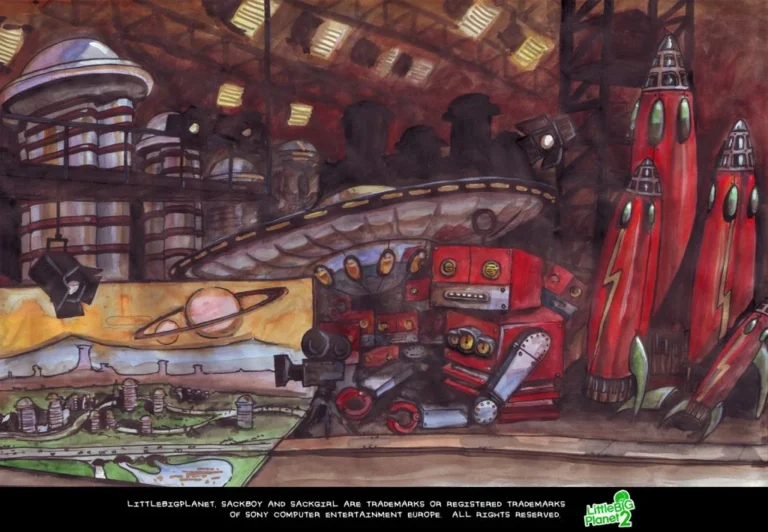
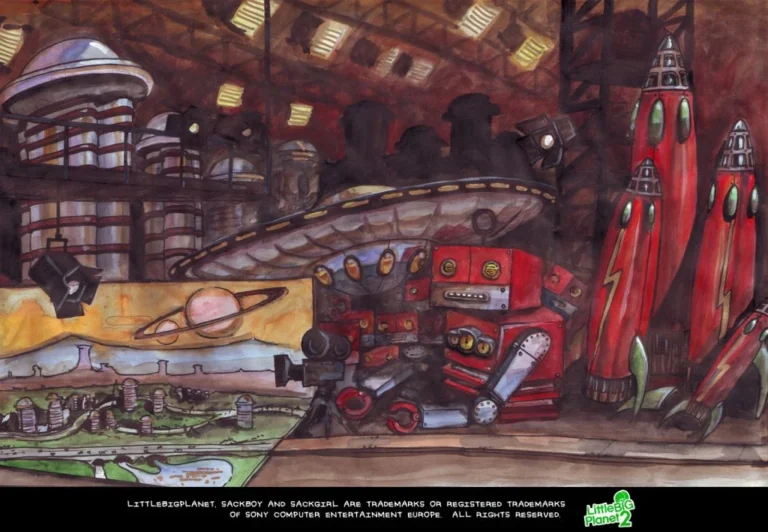
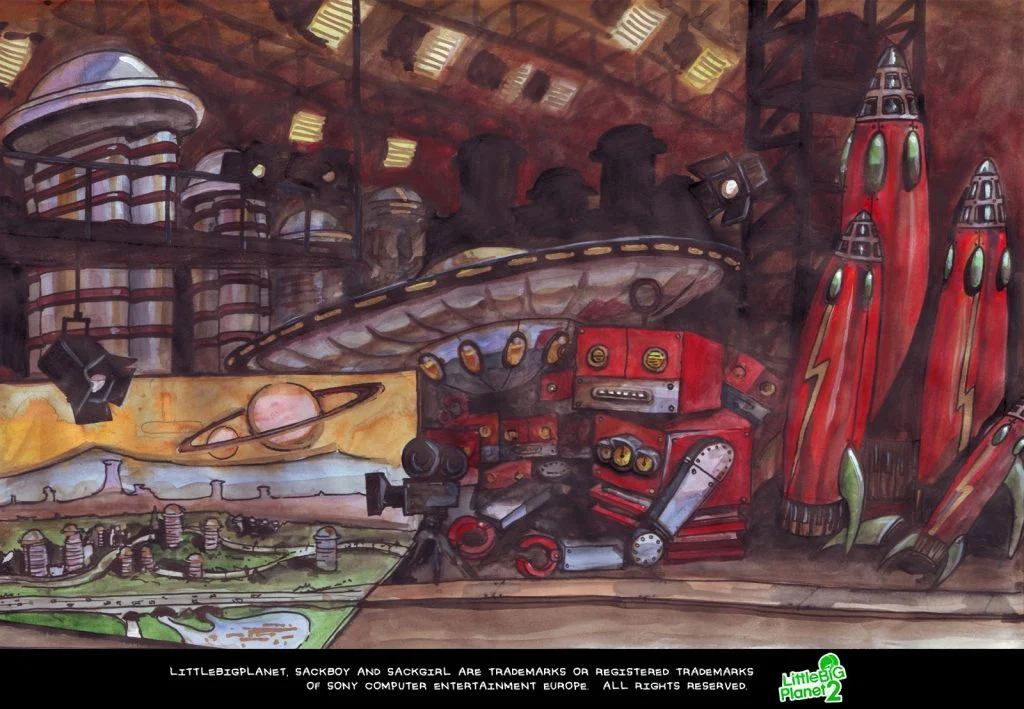
As early as May 2009, during the game’s pre-production phase, the music team began conceptualizing the soundtrack. A significant early tool in this process was the creation of a music montage video. This innovative approach involved pairing concept art for each game area with work-in-progress licensed music selections. While rudimentary, this method proved highly effective in initiating the creative flow and fostering collaboration. It allowed the team to visualize and aurally experience potential directions, acting as a tangible mood board that facilitated discussion and understanding.
The initial high-level direction for each area, heavily influenced by the art direction, was a crucial starting point. For instance, early concepts might have included thematic elements related to nascent scientific discovery, the dawn of industrialization, or the boundless imagination of space exploration. From these early explorations, only one track, Ladytron’s "Ghosts," ultimately made it into the final game. However, artists like Squarepusher and Röyksopp were also in consideration during this phase, albeit with different tracks than those ultimately chosen.
The music concept video served as more than just an inspirational tool; it was the first time disparate visual and aural ideas coalesced into a cohesive experience. This marked a significant milestone, enabling the team to collectively grasp the project’s artistic vision and begin to form a shared understanding of the desired atmosphere and tone. This early collaborative effort laid the groundwork for the complex and layered soundtrack that would eventually define LittleBigPlanet 2.
Evolving Themes and Refined Directions
By December 2009, approximately a year before the game’s release, the musical concepts had undergone significant refinement, beginning to align more closely with the vision for the finished product. The internal naming conventions for game areas at this stage, such as "Clive’s Factory," "Eve’s Asylum," and "The Cosmos," reflected the evolving thematic direction. The initial eight distinct themes had been streamlined to six, a process that involved merging overlapping ideas rather than simply cutting content. This consolidation was partly driven by the need to manage content requirements as the full production team came onboard.

The music direction also adapted, not only through the identification of more suitable tracks but also in its growing ability to support gameplay. Certain areas presented particular challenges. The "Soviet/Hollywood mashup" component of Clive’s Factory required careful musical interpretation. Similarly, defining "organic" within the context of Eve’s Asylum, especially considering its high-intensity gameplay, posed a creative juxtaposition. A notable hurdle was the lack of progress on the music sequencer gadget, which was intended to incorporate an 8-bit aesthetic for "The Cosmos."
At this juncture, 10 out of the 21 licensed tracks that would eventually be included in the game were under consideration. However, it was too early to definitively label them as final selections. This phase highlights the iterative nature of game development, where initial ideas are constantly tested, refined, and sometimes discarded. The music team’s approach prioritized an "overprovision" of suitable music. This strategy was crucial for licensed soundtracks, as it provided flexibility and backup options, ensuring that even if initial choices couldn’t be licensed, there were alternative tracks available. The licensing process itself, which involves seeking permission to use music, was yet to commence, meaning no track was guaranteed a place in the final game.
The Collaborative Pulse: A Symphony of Contributions
The process of selecting music for LittleBigPlanet 2 was a testament to collaborative effort. Initially, music suggestions originated from within the development team. However, compared to the first game, a significantly larger number of individuals contributed ideas. This increased engagement can be attributed to the positive reception and the integral role the soundtrack played in LittleBigPlanet‘s identity and success. Team members were enthusiastic about participating, undeterred by the perceived restrictions of the curation process and the considerable effort involved in meeting its demands.
Every track evaluated, whether ultimately selected or not, contributed to the refinement of the musical brief. The process of testing and reaffirming ideas proved as valuable as developing and solidifying them. The final licensed soundtrack featured contributions from key members of the Media Molecule (Mm) team, including Dan, John, and Rex, as well as Martin Hewett from the Sony side. Beyond this core group, a wide array of individuals offered valuable suggestions, many of which found their way into the curated playlists. These included Alex, Costa, Jim, Jonatan, Mark, Martin, and Tom from within the team, and even friends at Sony like Jo. This collective input underscored the project’s nature as a truly collaborative endeavor.

Navigating Licensing and the Announcement Trailer’s Sonic Identity
As the game’s announcement approached, the team began working more closely with Sony’s music licensing department. This collaboration significantly expanded the scope of music being reviewed and considered, perfectly timed as the game’s direction had solidified sufficiently for targeted searches and suggestions.
A standout contribution during this period came from Rex, who suggested Passion Pit’s "Sleepyhead" for the announcement trailer. The selection of this track was a deliberate and challenging decision. The team sought a song that conveyed a sense of community, achievement, and forward momentum, while also acknowledging the sequel’s more digital aesthetic. Several alternative tracks were considered, and another was initially favored as a primary option. However, "Sleepyhead" ultimately proved to be the ideal choice for the trailer.
The song’s dynamic structure, with its smooth build-up and sharp descent, allowed the trailer to effectively transition between messages and maintain viewer engagement. The distinctive pitched-up vocals, notably Irish Gaelic samples, harmonized remarkably well with the game’s Sackfolk characters. While "Sleepyhead" did not perfectly align with LittleBigPlanet 2‘s core gameplay due to its energy profile, the desire to associate the project with its marketing music was strong. The team recognized this potential mismatch early on but prioritized the impact of the announcement trailer. Ultimately, "Sleepyhead" found a fitting and meaningful place within the game’s end credits, preserving its connection to the project.
The Final Stretch: Delays and Licensing Hurdles
Towards the latter stages of development, a critical decision was made to delay the game’s release from the crucial Christmas market to January 2011. This postponement was necessary to ensure the game was sufficiently polished and "baked." The schedule slip proved beneficial for the soundtrack, as a couple of tracks were not cleared until as late as October 2010, a tight deadline even with the extended timeline. One particular track required a lengthy six-month clearance process, a delay attributed to the sometimes protracted nature of music licensing negotiations.

The importance of music in evoking memories and emotions cannot be overstated. Players have shared how LittleBigPlanet 2 was a significant part of their childhoods, with some continuing to regularly listen to its soundtrack. Music possesses a unique ability to transcend its original context, offering enjoyment long after a game is completed. This relevance grows as gaming platforms age and become less accessible. The enduring memories of LittleBigPlanet 2, its vibrant community, and the unique experience it offered are intrinsically linked to the artists and their contributions that helped shape its distinctive character. The anniversary serves as a reminder of this powerful synergy between gameplay and music, celebrating a decade of imaginative play and sonic artistry.
About the Author