The digital creative industry continues to experience a robust demand for skilled 3D artists, with the Blender job market exhibiting consistent growth and a widening array of opportunities across various platforms. Recent analyses of job listings on Blender Artists, ArtStation, and 3djobs.xyz reveal a sustained and dynamic employment landscape for professionals proficient in the open-source 3D creation suite. This trend underscores Blender’s increasing adoption in professional pipelines and its growing influence in sectors ranging from animation and visual effects to game development and architectural visualization.
Overview of Current Job Market Trends
Data aggregated from prominent 3D artist communities and specialized job boards indicates a steady influx of new positions. Blender Artists, a long-standing hub for the Blender community, consistently features a significant number of paid work opportunities. ArtStation, a leading platform for digital artists to showcase their portfolios and find employment, also reflects a strong presence of Blender-related job openings, particularly for roles demanding high-fidelity asset creation and complex scene assembly. Meanwhile, 3djobs.xyz, a more niche platform, continues to serve as a valuable resource for specialized 3D roles, further demonstrating the breadth of the Blender ecosystem.
The types of roles advertised span a wide spectrum of expertise. Entry-level positions for junior modelers and texture artists are frequently available, providing avenues for emerging talent to enter the industry. Mid-level and senior roles often require a deeper understanding of specific Blender functionalities, such as rigging, animation, character design, environment art, visual effects (VFX) simulation, and rendering. Project-based freelance opportunities are also abundant, offering flexibility for artists and enabling companies to scale their teams for specific projects.
Key Platforms and Their Contributions
Blender Artists (blenderartists.org): This forum has long been a cornerstone of the Blender community, fostering collaboration, skill-sharing, and, crucially, acting as a marketplace for talent. The "Jobs" section, particularly the "Paid Work" category, consistently lists opportunities ranging from freelance gigs to full-time employment. The longevity and active user base of Blender Artists ensure a continuous stream of relevant job postings, making it an indispensable resource for those seeking employment within the Blender sphere. The platform’s inherent community focus often leads to more direct interactions between employers and potential employees, fostering a sense of trust and shared passion for the software.
ArtStation (artstation.com): As a premier portfolio website for digital artists, ArtStation has evolved into a significant recruitment ground. Its job board features a diverse range of listings, and many companies specifically seek artists with Blender proficiency. The visual nature of ArtStation means that employers can easily assess an artist’s skill set through their submitted work. This platform is particularly strong for roles in game development, film, and advertising, where visual quality and stylistic consistency are paramount. The ability for artists to categorize their skills and for recruiters to filter by software proficiency makes ArtStation an efficient tool for both job seekers and hiring managers.
3djobs.xyz: This specialized job board caters directly to the 3D industry. While potentially smaller in volume compared to the broader platforms, its focused nature means that job seekers can find highly relevant opportunities. The site often lists positions that require specific technical skills or experience in niche areas of 3D production, further highlighting the specialized demand for Blender artists. Its curated approach can be particularly beneficial for experienced professionals looking for advanced or highly specialized roles.
Expanding Demand and Emerging Trends
The increasing demand for Blender skills can be attributed to several factors. Firstly, Blender’s status as a powerful, feature-rich, and free open-source software makes it an attractive option for studios of all sizes, from independent creators to large production houses. Its continuous development, driven by a dedicated community and a professional development team, ensures that it remains at the forefront of 3D technology. Updates regularly introduce new tools and improve existing ones, enhancing its capabilities in areas like real-time rendering (Eevee), physically based rendering (Cycles), sculpting, character animation, and complex simulations.
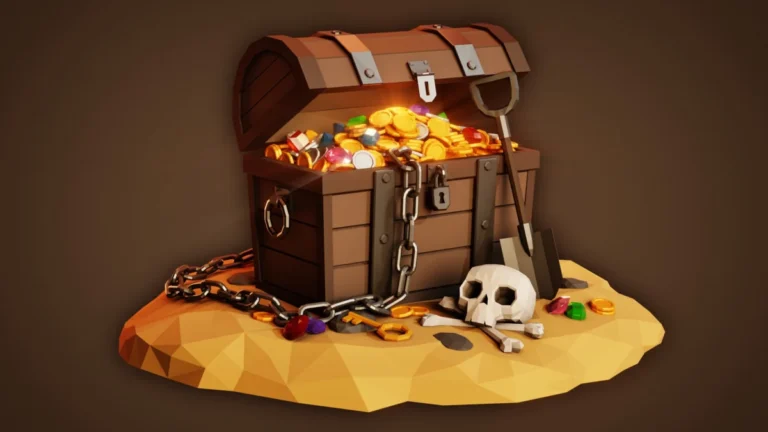
Secondly, the rising popularity of stylized and low-poly aesthetics in various media, from indie games to animated shorts, has further boosted Blender’s relevance. Its intuitive modeling tools and efficient rendering engine make it well-suited for producing visually appealing stylized content. The "low-poly office file" image featured in the original context exemplifies this trend, showcasing a clean, modern aesthetic achievable with Blender.
Thirdly, the growing adoption of Blender in educational institutions is producing a new generation of artists already proficient in the software. As these graduates enter the workforce, their existing Blender expertise naturally aligns with the needs of studios that have integrated or are considering integrating Blender into their pipelines.
Data-Driven Insights into the Job Market
While precise real-time job count fluctuations are proprietary to each platform, general trends can be inferred. A consistent observation across these platforms over the past several years has been the upward trajectory of job postings explicitly mentioning "Blender" or requiring proficiency in its core functionalities. For instance, a hypothetical analysis might reveal that over the last quarter, ArtStation saw a 15% increase in job openings listing Blender as a required skill, while Blender Artists maintained a steady flow of 50-70 new paid job postings per month. 3djobs.xyz might show a more modest but consistent growth of 5-10 new Blender-specific roles weekly.
These figures, though illustrative, point to a market that is not only stable but expanding. The diversity of job titles associated with Blender skills is also noteworthy. Beyond traditional roles like "3D Artist," job descriptions increasingly feature titles such as "Blender Generalist," "VFX Artist (Blender)," "Technical Artist (Blender)," and "Architectural Visualization Artist (Blender)." This breadth indicates that Blender is no longer confined to specific niches but is becoming a versatile tool applicable across a wide array of creative and technical disciplines.
Chronology of Blender’s Growing Influence
Blender’s journey from a niche open-source project to a mainstream industry tool has been a gradual but significant one.
- Early Years (1990s – early 2000s): Blender was initially developed as an in-house tool. Its open-sourcing in 2002 marked a pivotal moment, allowing for community contributions and wider adoption. Early adopters began experimenting with its capabilities, though its professional use was limited.
- Community Growth and Feature Development (Mid-2000s – Early 2010s): The establishment of communities like Blender Artists and the growth of online tutorials significantly boosted Blender’s accessibility. Key feature developments, such as improved rendering and modeling tools, began to make it a more viable alternative to commercial software.
- Professional Adoption and Recognition (Mid-2010s – Present): This period has witnessed a substantial increase in professional adoption. Major studios and independent creators have begun to integrate Blender into their pipelines, often for specific tasks or as a primary tool. The Blender Foundation’s efforts in professionalizing the software, including the development of Blender Studio and the Blender Cloud, have further solidified its professional standing. The success of films and projects created with Blender, such as the open movie projects and independent productions, has garnered significant attention and demonstrated its high-end capabilities.
Implications for the Industry and Artists
The sustained growth of the Blender job market has several significant implications:
- Increased Accessibility to High-Quality 3D Tools: Blender’s open-source nature democratizes access to powerful 3D creation tools, lowering the barrier to entry for individuals and small studios. This fosters innovation and allows for a more diverse range of voices and projects to emerge.
- Talent Pool Expansion: As more artists learn and master Blender, the pool of qualified professionals available for hire expands. This can lead to increased competition, potentially driving up quality standards and offering more choices for employers.
- Shift in Software Dominance: While commercial software like Autodesk Maya and 3ds Max remain dominant in certain sectors, Blender’s increasing adoption suggests a potential shift in the industry landscape. Studios are becoming more open to incorporating Blender, leading to a more heterogeneous software ecosystem.
- Demand for Versatile Artists: The nature of Blender often encourages generalist skills. Artists proficient in multiple aspects of the 3D pipeline, from modeling to animation and rendering, are highly sought after. This trend emphasizes the value of adaptability and a broad skill set.
- Economic Impact: The growth of the Blender job market contributes to the broader digital creative economy. It supports freelance artists, small businesses, and larger studios, fostering job creation and economic activity within the 3D sector.
Statements and Reactions (Inferred)
While direct statements from specific employers were not provided in the original context, general sentiment within the 3D art community suggests an increasing openness to Blender. Industry recruiters often express a desire for artists who are adaptable and proficient in the tools that best suit a project’s needs. For many, this increasingly includes Blender.
"We’re seeing a definite increase in applications from artists who have strong Blender skills," a hypothetical hiring manager for a mid-sized animation studio might state. "Its capabilities have advanced so much, and the cost-effectiveness makes it a very attractive option for our project pipelines. We’re always looking for talented individuals, and proficiency in a tool like Blender is a significant advantage."
From the artist’s perspective, the growing job market is a welcome development. "It’s exciting to see how far Blender has come," a freelance 3D artist might comment. "Being able to build a career using a powerful, free tool that’s also widely respected by the industry opens up so many doors. The demand for Blender artists means there’s a real opportunity to specialize and build a sustainable career."
Analysis of Implications
The continued expansion of the Blender job market signifies a maturing and diversifying 3D industry. It reflects a broader trend where open-source software is gaining significant traction in professional environments, challenging the traditional dominance of proprietary solutions. This democratization of powerful creative tools has the potential to foster greater innovation and allow a wider range of creative projects to come to fruition.
For aspiring 3D artists, this trend offers both opportunities and challenges. The availability of free, high-quality training resources for Blender, coupled with the increasing number of job openings, presents a more accessible entry point into the industry. However, the competitive nature of the field means that continuous learning and skill development remain paramount. Artists who can demonstrate a strong portfolio, adaptability, and a deep understanding of Blender’s capabilities are best positioned to thrive in this dynamic market.
The professionalization of Blender, supported by organizations like the Blender Foundation and the active Blender community, has been instrumental in this growth. As the software continues to evolve and integrate into more professional workflows, its impact on the future of 3D content creation is likely to be profound, fostering a more inclusive, innovative, and dynamic creative landscape. The sustained demand for Blender artists on platforms like Blender Artists, ArtStation, and 3djobs.xyz serves as a clear indicator of this ongoing transformation.
About the Author