The itch.io desktop application has undergone substantial enhancements with the release of versions v26.15.0 and v26.17.0, introducing a suite of features designed to significantly improve user experience, particularly concerning game bundles, per-game launch configurations, and content accessibility. These updates, following a period of dedicated development, address numerous long-standing community requests and technical challenges, solidifying the app’s utility as a robust client for the popular indie game marketplace. A crucial hotfix, v26.18.0, was swiftly deployed to resolve a critical macOS crashing issue, demonstrating the development team’s commitment to stability and user support.
Background: The itch.io Ecosystem and the Need for App Evolution
Itch.io, since its inception, has cultivated a unique position in the digital distribution landscape, distinguishing itself as a highly creator-friendly platform for independent game developers, artists, and creators. Renowned for its flexible publishing tools, extensive support for game jams, and a strong emphasis on community, itch.io has become a vital hub for experimental, niche, and diverse digital content. A cornerstone of its success and community engagement has been the proliferation of large-scale, often charitable, game bundles. These bundles, frequently featuring hundreds or even thousands of titles, have raised millions for various causes, simultaneously introducing countless users to a vast array of indie games.
However, the sheer scale and unique ownership model of these colossal bundles presented significant technical hurdles for the accompanying desktop application. Prior to these updates, the app struggled to natively recognize and display ownership for games acquired through these specific bundles, often requiring users to manually "claim" individual titles on the website before they would appear in their app library. This created a fragmented and often frustrating experience for users attempting to navigate their extensive collections. Similarly, the absence of granular launch options and limitations on installing platform-untagged content restricted the app’s utility for power users and those employing compatibility layers. Recognizing these pain points, the recent development cycle focused on overhauling core functionalities to align the app’s capabilities with the platform’s expansive offerings and diverse user base.
Chronology of Key Updates and Rapid Response
The series of significant updates commenced with the release of v26.15.0, followed shortly by v26.17.0. These versions incorporated the bulk of the new features, including the revamped bundle support, advanced launch settings, improved platform-agnostic download capabilities, and an overhauled sidebar search function. The development process involved a deep dive into the platform’s issues tracker, directly addressing the most frequently reported problems and feature requests from the community.
Shortly after the rollout of these updates, reports emerged regarding a critical crashing issue affecting macOS users. In a swift and decisive response, the itch.io development team promptly released a hotfix, v26.18.0, to mitigate the macOS stability problems. Users experiencing persistent crash loops were advised to reinstall the application from the official setup program, ensuring a clean and stable installation. This rapid deployment of a hotfix underscores the team’s agility and responsiveness to user feedback, particularly concerning critical functionality impairments. The full changelogs for these releases are publicly available on GitHub, providing transparent insight into the specific modifications and improvements implemented.
Transforming Bundle Management: A First-Class Library Experience
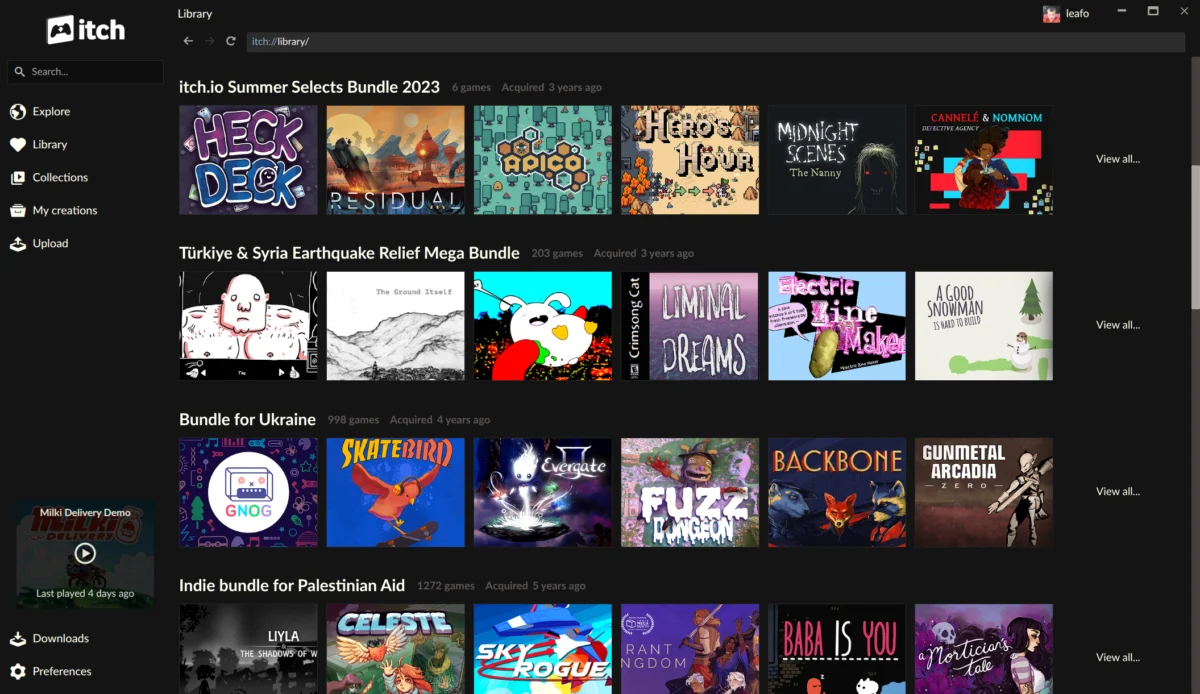
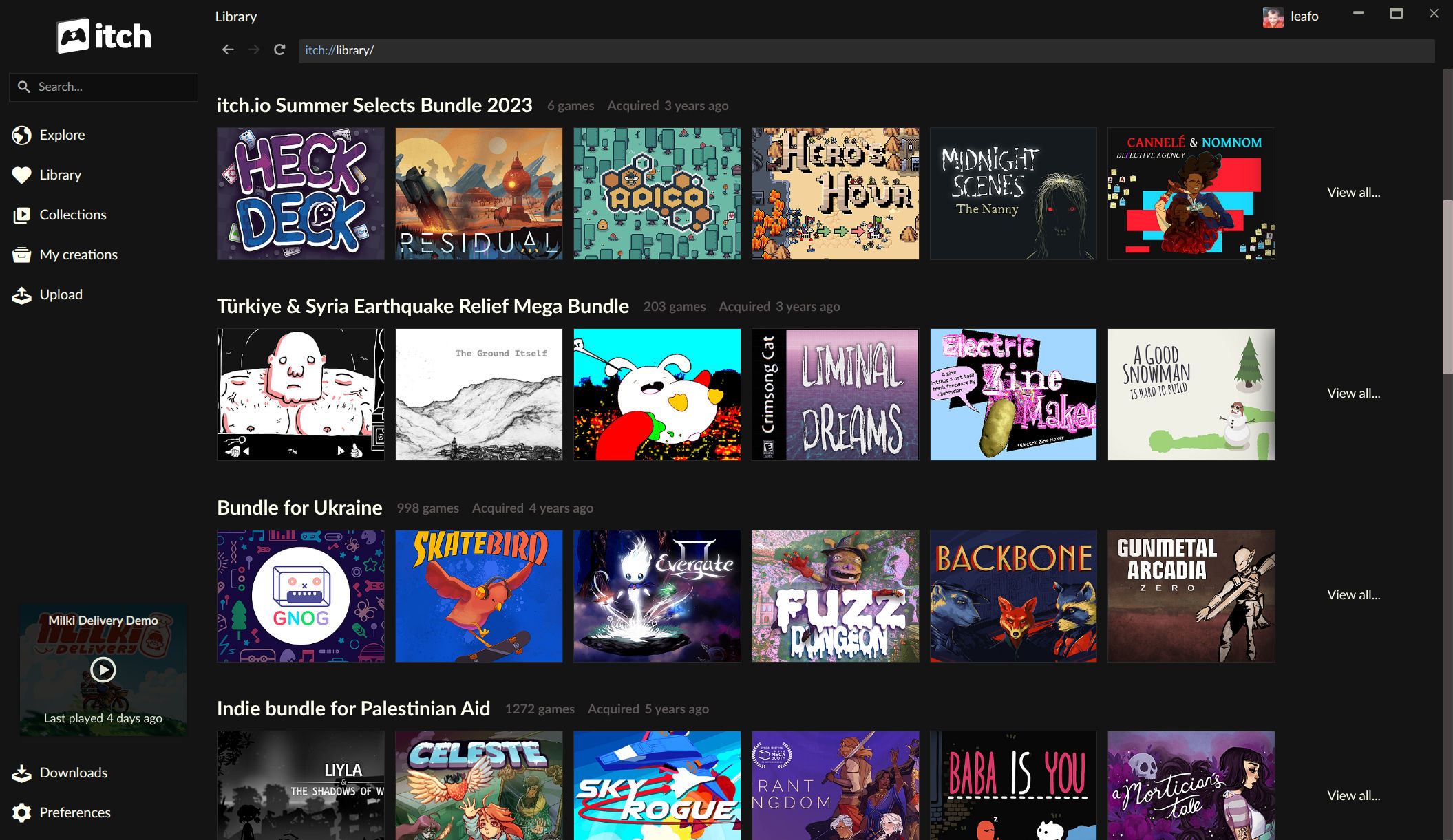
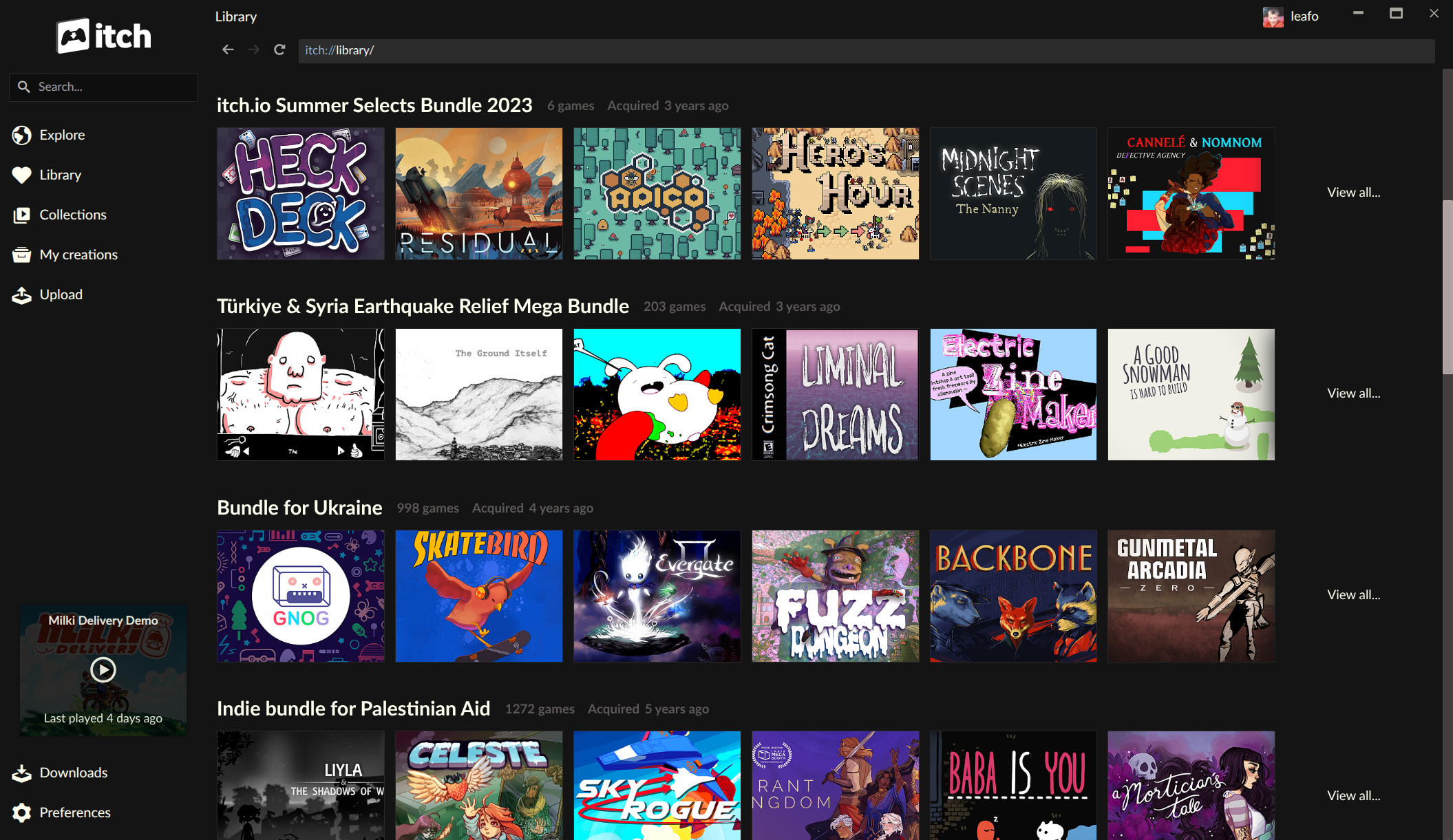
One of the most impactful changes introduced in these updates is the seamless integration of owned bundles directly into the user’s library. Previously, the app’s understanding of bundle ownership was limited, leading to a situation where games from large charity bundles—like the "Bundle for Racial Justice and Equality" (1,741 items, over 800,000 purchasers) and the "Bundle for Ukraine" (nearly 1,000 items, over 400,000 buyers)—would not appear in the app until each game was individually claimed via the website. This process was cumbersome and deterred many users from fully exploring the vast content they had acquired.
The underlying technical challenge stemmed from the database architecture designed for these massive bundles. Generating an individual download key record for every single item for every single buyer would have resulted in an astronomical number of database entries—potentially exceeding a billion rows for the Racial Justice bundle alone. To circumvent this, ownership for these bundles was recorded as a single, overarching entry, with individual game keys generated only upon explicit user claim. The app previously lacked the sophistication to interpret this "bundle-level" ownership.
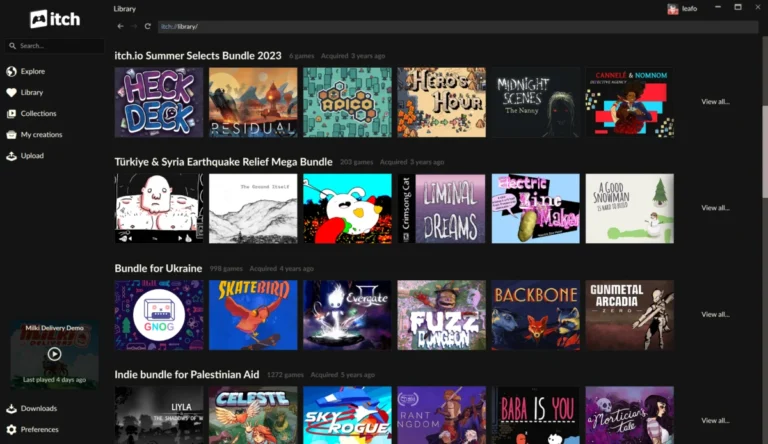
With the new updates, the itch.io app now possesses a direct understanding of this bundle ownership model. Bundles are presented as distinct entities within the library, each featuring its own dedicated page. These bundle pages provide a comprehensive listing of every game included, complete with robust organizational tools. Users can now sort games by various criteria, search by title, and apply filters based on platform compatibility, content classification, and installation status. Crucially, games can be installed directly from the bundle page, eliminating the need for web-based claiming. This enhancement dramatically streamlines the process of discovering, browsing, and playing games from even the largest collections, unlocking the full potential of previously unwieldy libraries. This improvement is expected to significantly boost engagement with bundle content and enhance user satisfaction for those who have invested in these extensive collections. Furthermore, for developers interested in hosting their own bundles, itch.io recently revamped its bundle hosting tools, creating a more integrated and efficient ecosystem for both creators and consumers.
Empowering Users with Granular Launch Settings
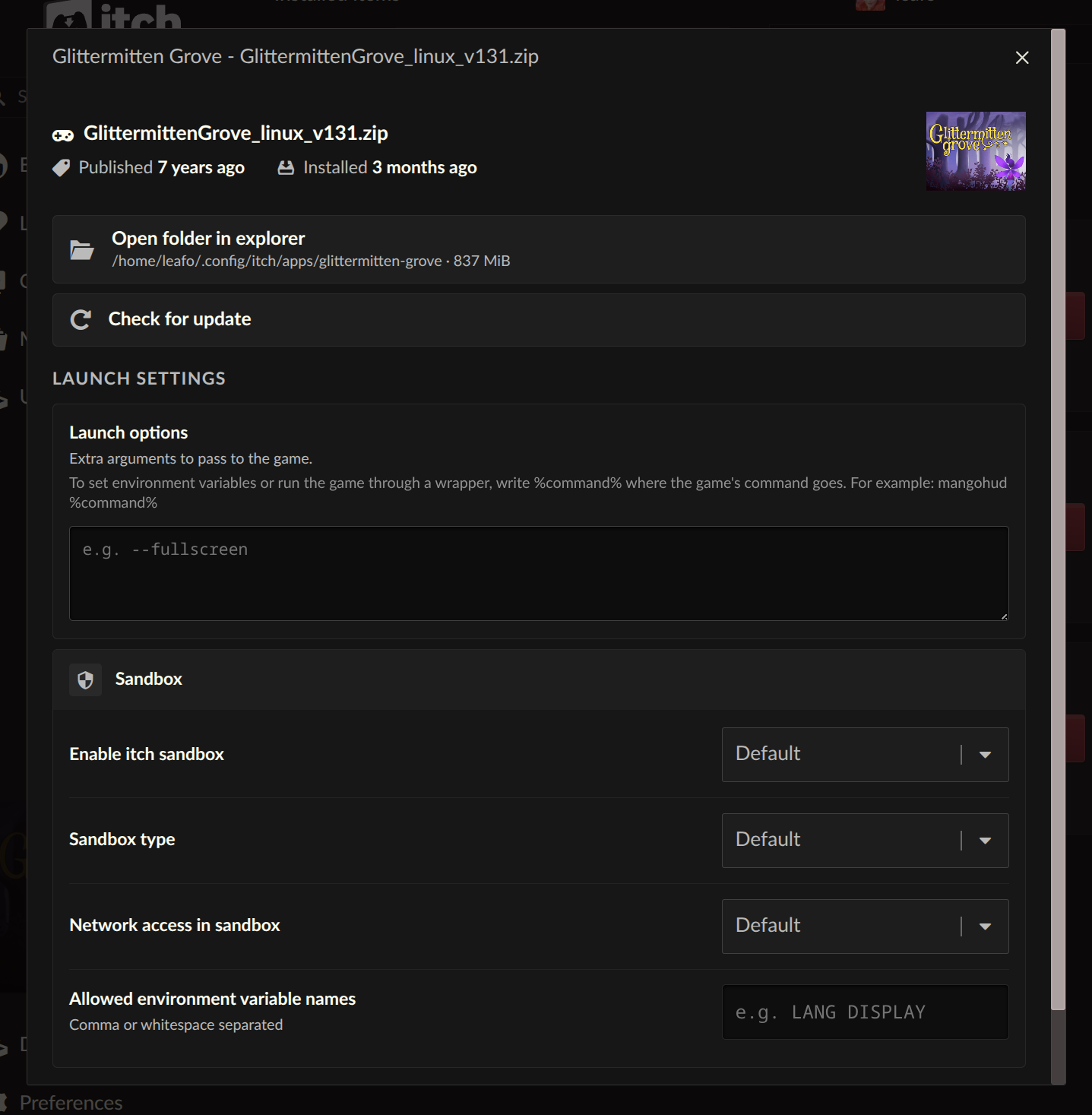
Another highly anticipated feature is the introduction of per-game "Launch settings," accessible from the manage dialog for each installed game. This new functionality provides users with unprecedented control over how their games are executed, catering to a wide range of technical needs and preferences.
The new settings allow users to configure sandbox restrictions, manage network access permissions, and define environment variables on a game-by-game basis. This level of granularity is particularly beneficial for security-conscious users, developers performing local testing, or advanced users who wish to isolate specific game processes.
A significant addition is the "Command pattern" option for launch arguments. This addresses a long-standing request from the community for more flexible game execution. Users can now provide plain arguments to pass directly to the game executable, or, more powerfully, use a %command% pattern. This pattern enables wrapping the game’s launch within another command, effectively allowing users to integrate compatibility layers (such as Wine or Proton on Linux), debugging tools, performance monitoring utilities, or custom scripts directly into the game’s launch sequence. For instance, a Linux user wanting to run a Windows-only title via Wine can now configure the app to launch Wine with the game executable as an argument, streamlining the process significantly. This feature empowers power users and developers to tailor their gaming environment with precision, fostering greater flexibility and customizability within the itch.io app.
Breaking Down Barriers: Platform-Agnostic Downloads
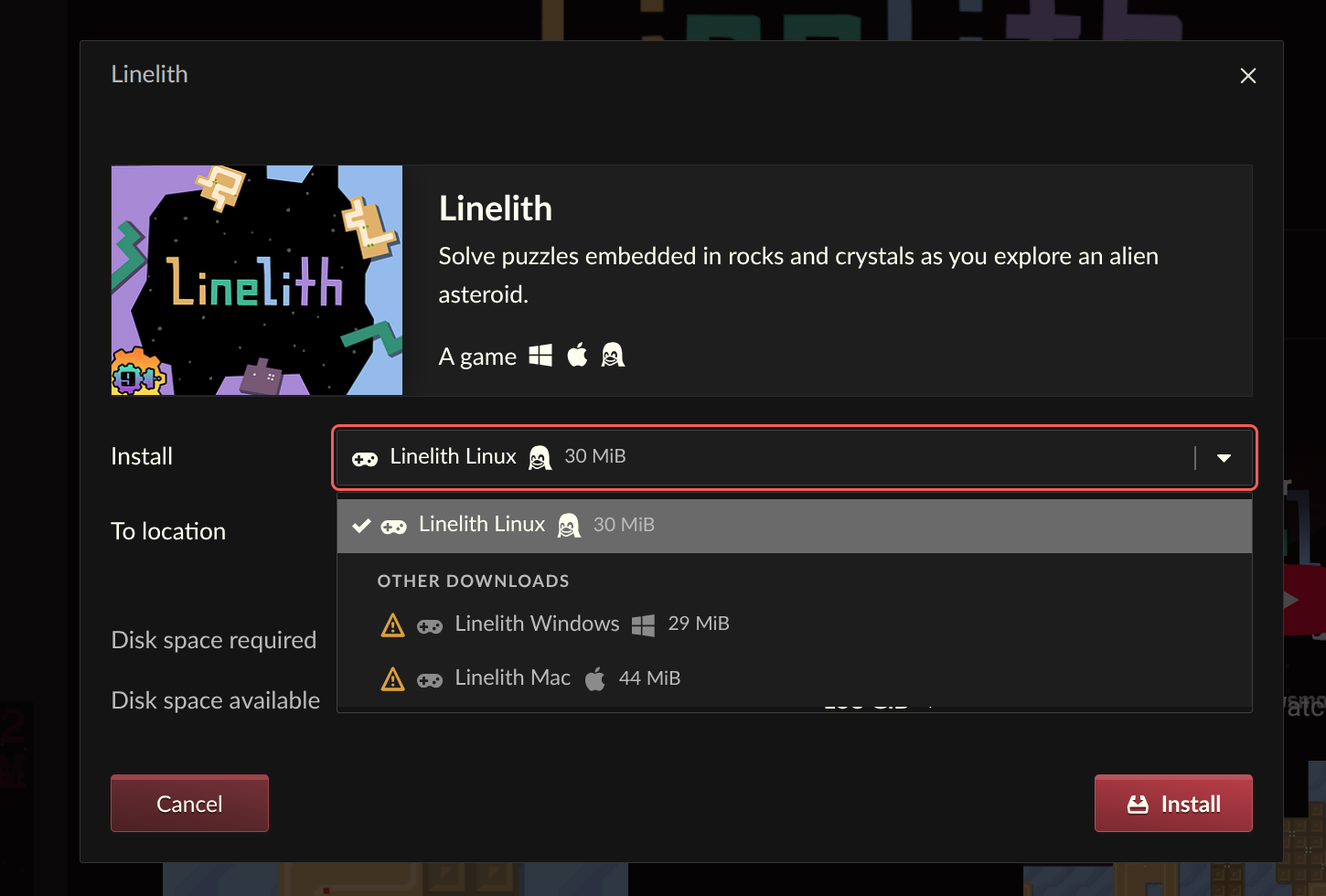
The updates also introduce a critical improvement for cross-platform compatibility and content accessibility: the ability to reveal and install downloads not explicitly tagged for the user’s current operating system. Previously, if a developer uploaded a game build but omitted to tag it for a specific OS (e.g., a Windows build not tagged for Linux), users on the untagged platform would be unable to directly access or install that build through the app.
This limitation presented challenges for users running games through compatibility layers (like Wine on Linux or macOS) who might intentionally seek builds for different operating systems. It also affected situations where developers might inadvertently mislabel or omit platform tags. The new functionality allows users to "reveal" these untagged downloads within the install dialog and proceed with installation. This change greatly enhances the app’s utility for users with diverse setups, ensuring they can access all available content regardless of platform tagging, thereby reducing friction and expanding the range of playable titles for a broader audience. It reflects an understanding of the diverse technical environments in which itch.io users operate.
Refining Discovery: A New Sidebar Search
The app’s sidebar search functionality has also received a significant overhaul, replacing the previous system with a more effective and intuitive solution. The old search mechanism relied on the platform’s API for autocomplete suggestions, which often presented results in a confusing order, making it difficult for users to accurately locate desired items. While autocomplete can be useful for quickly finding content already known to the user, it proved less effective for broader discovery.
The revamped sidebar search moves away from this autocomplete-centric approach for general browsing. The new design is intended to funnel broader search queries through the website’s more comprehensive search experience, which is optimized for discovery across the entire itch.io catalog. This strategic shift aims to provide a more logical and efficient pathway for users to find new content, ensuring that the in-app search is focused on quickly locating items within the user’s existing library, while externalizing more expansive discovery tasks to the robust web-based search engine. The visual presentation of the new search is cleaner and more direct, promising a smoother user experience.
Broader Implications and Future Outlook
These comprehensive updates to the itch.io desktop app carry significant implications for the platform’s ecosystem, benefiting users, developers, and the overall health of the indie game market.
For Users: The improvements translate directly into a more fluid, powerful, and less frustrating experience. Owners of large bundles can now effortlessly manage and explore their vast collections. Power users gain unprecedented control over game execution, enabling more sophisticated setups. Cross-platform users benefit from enhanced accessibility, reducing the barriers to playing a wider array of titles. The refined search ensures better content discovery within the app. These collective enhancements contribute to a feeling of greater control and convenience, reinforcing user loyalty to the platform.
For Developers: While the updates primarily focus on the user-facing client, they indirectly benefit developers. The improved discoverability and accessibility of bundle games mean that creators whose titles are part of these collections are likely to see increased engagement and playtime for their work. The platform-agnostic download feature alleviates some pressure on developers for precise platform tagging, as users now have more options to access builds even if tagging is imperfect. The revamped bundle hosting tools, coupled with the app’s improved bundle support, create a more robust and appealing environment for organizing and participating in future bundles.
For the Platform: These updates strengthen itch.io’s unique value proposition in a competitive digital distribution market. By addressing long-standing technical debt and community requests, itch.io reinforces its reputation as a user-centric and developer-friendly platform. The commitment to iterative improvement, exemplified by the swift hotfix for macOS, demonstrates a responsive and proactive development philosophy. In an era dominated by large, monolithic game stores, itch.io continues to carve out its niche by offering flexibility, community focus, and powerful tools that cater specifically to the independent spirit of its creators and consumers. These enhancements ensure the app remains a relevant and essential component of the itch.io experience, fostering growth and continued engagement.
The itch.io app, available for download at https://itch.io/app, automatically updates itself upon launch, ensuring users always have access to the latest features and bug fixes. These recent updates mark a significant milestone in the app’s development, signaling a continued commitment to refining the digital distribution experience for the independent gaming community. The focus on core user needs and technical challenges positions the itch.io app as an increasingly indispensable tool for navigating the rich and diverse world of indie games.
About the Author