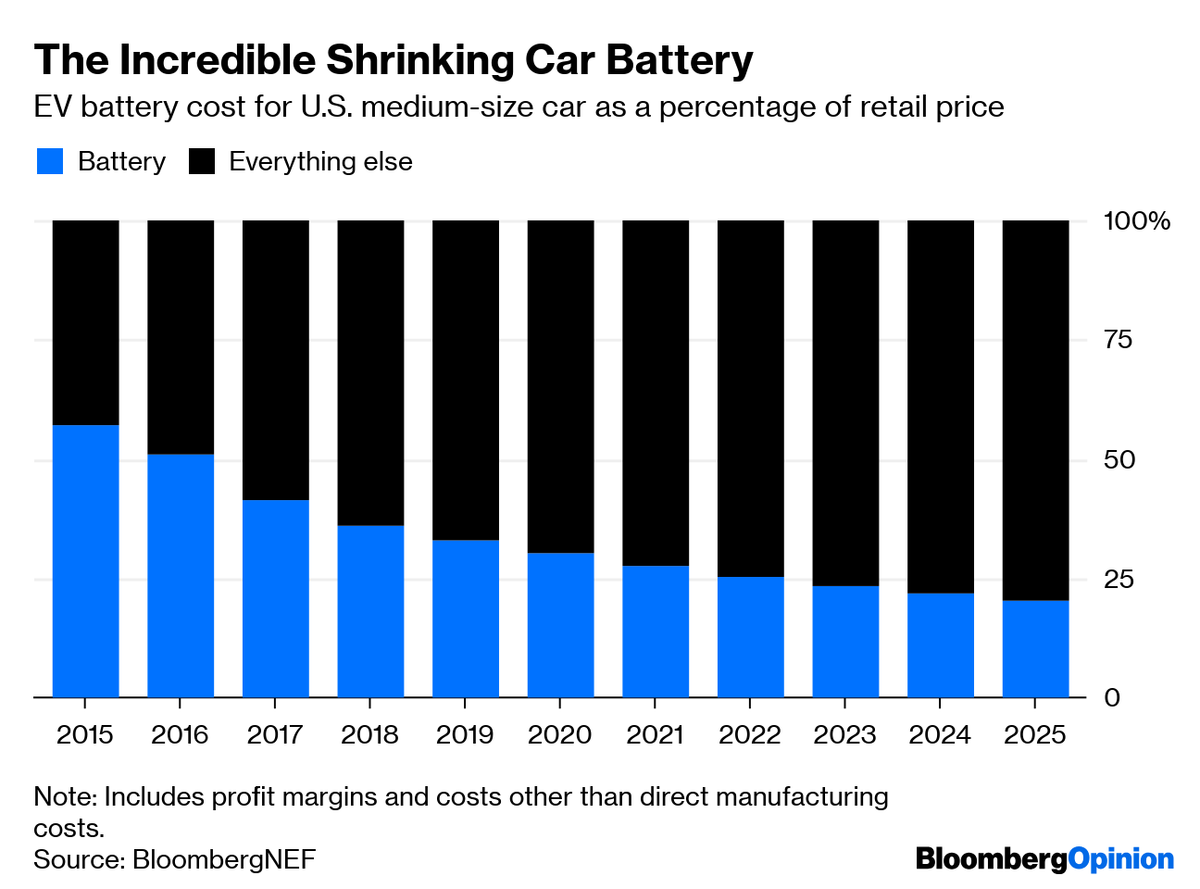
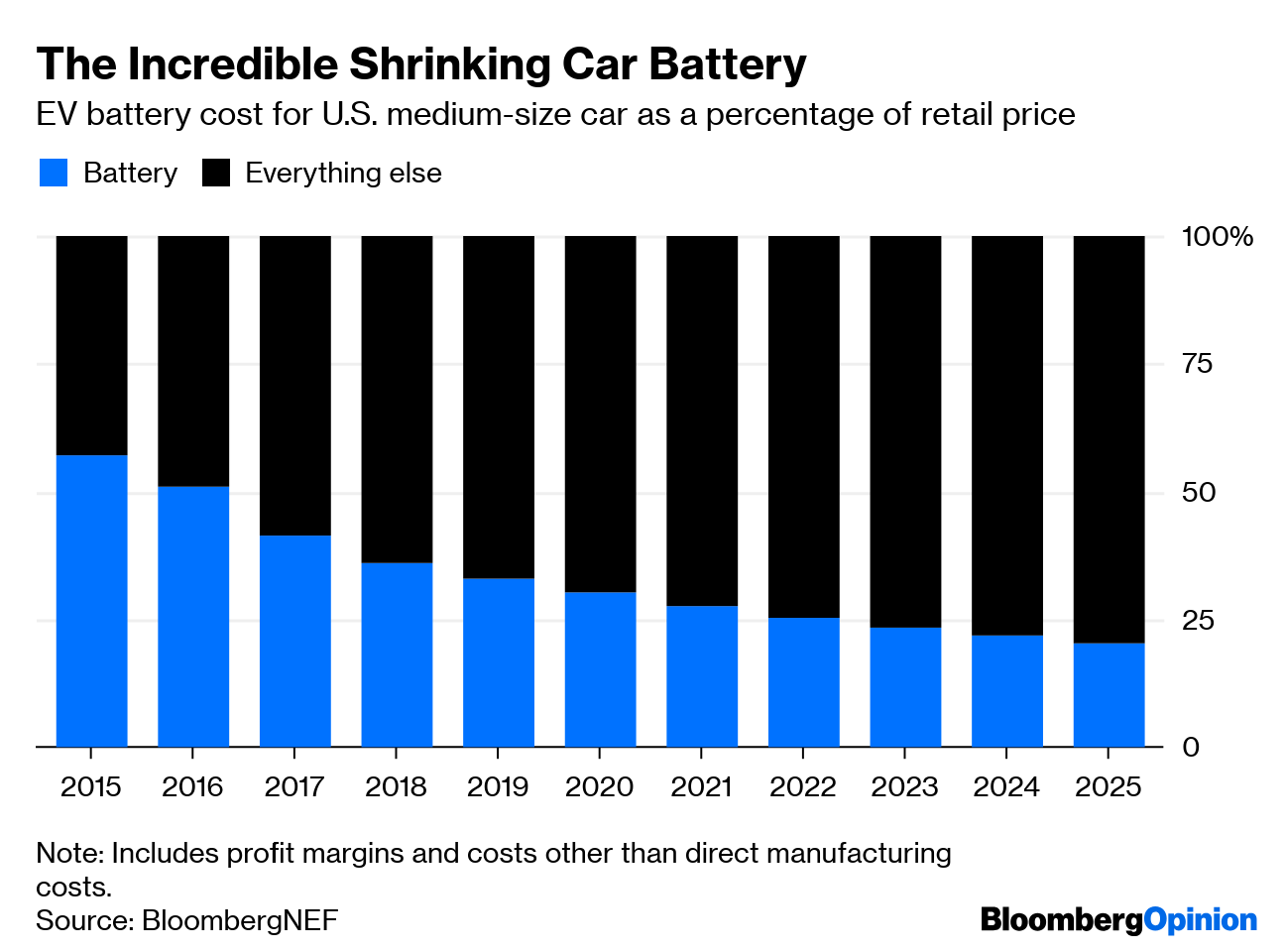
The dramatic decline in the cost of electric vehicle (EV) batteries, particularly Lithium-ion technology, has not only reshaped the automotive industry but has also catalyzed an unexpected revolution in urban micro-mobility: the widespread adoption and affordability of electric scooters. While the enormous battery pack remains a significant component of an electric car’s price, its impact on the economics of simpler, lighter vehicles like scooters is even more profound, driving down consumer costs and making personal electric transportation more accessible than ever before. This phenomenon underscores a fundamental principle: as the core enabling technology—the battery—becomes cheaper and more efficient, its applications proliferate across diverse sectors, transforming how people move within cities.
The Historical Context: From Lead-Acid Limitations to Lithium-Ion Breakthrough
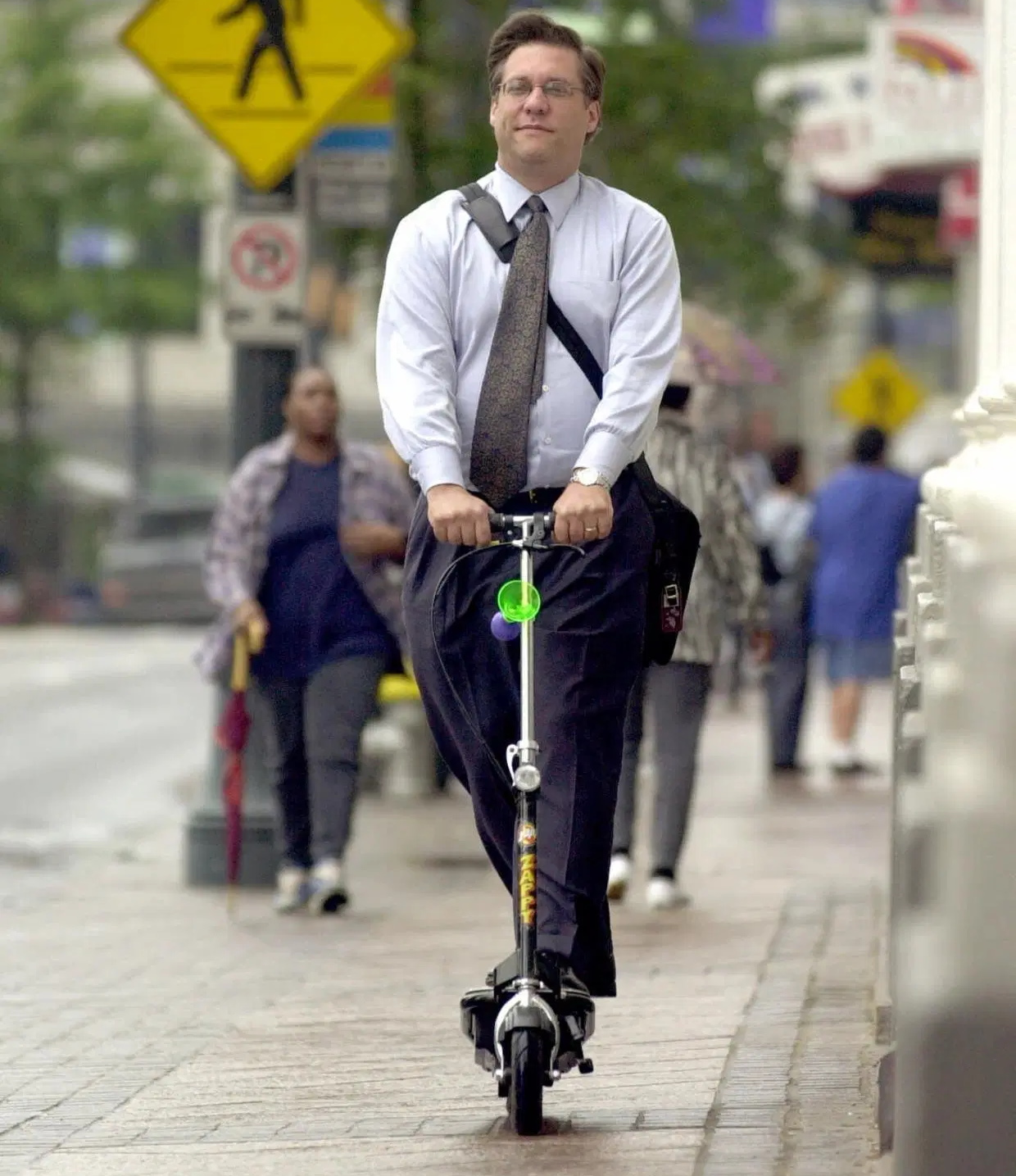
The concept of personal electric transportation is not new. Early iterations of electric vehicles, including scooters, emerged decades ago, only to largely fade into obscurity due to critical technological shortcomings. A prime example is the Zappy electric scooter from the late 1990s and early 2000s, an attempt at a compact, personal electric commuter. Much like the electric cars of the early 2000s, such as the EV1, these vehicles were fundamentally hampered by the then-dominant lead-acid battery technology. Lead-acid batteries were excessively heavy, offered insufficient power output for meaningful speed and acceleration, provided meager range, and suffered from prohibitively long charging times. In essence, the battery technology of the era simply "sucked," as critics frequently pointed out, making these early electric ventures impractical and unappealing for mass consumption.
The turning point arrived with the maturation of Lithium-ion (Li-ion) battery technology. Initially developed for consumer electronics, Li-ion batteries offered a vastly superior energy density-to-weight ratio, faster charging capabilities, and a significantly longer lifespan compared to their lead-acid predecessors. This technological leap, unfolding over the past two decades, became the linchpin for the viability of not just electric cars, but virtually all portable electric devices, from smartphones to power tools, and critically, electric scooters. Without this fundamental shift in energy storage, the current micro-mobility landscape would be inconceivable.

The Economic Impact: Halving Costs and Democratizing Access
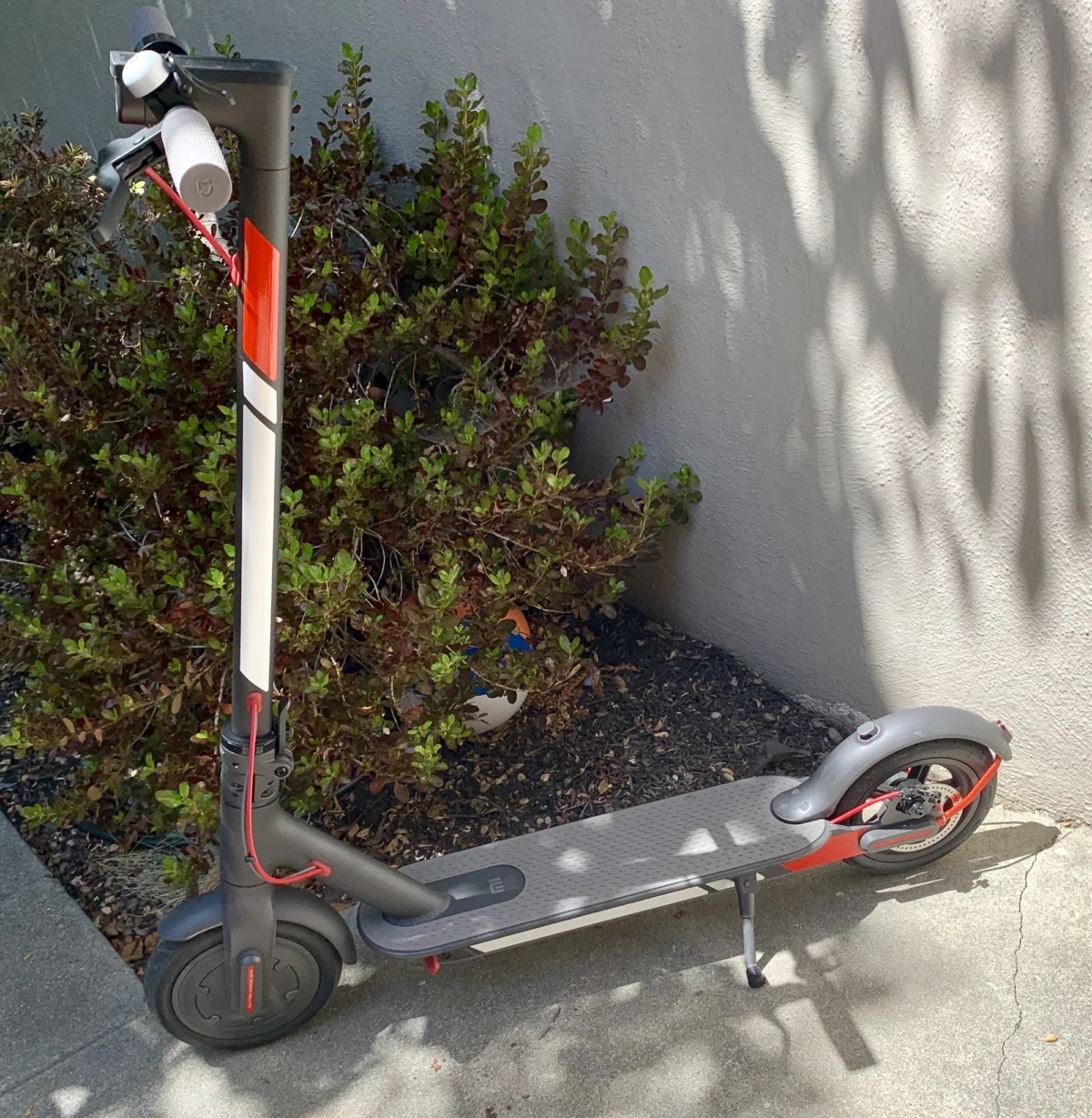
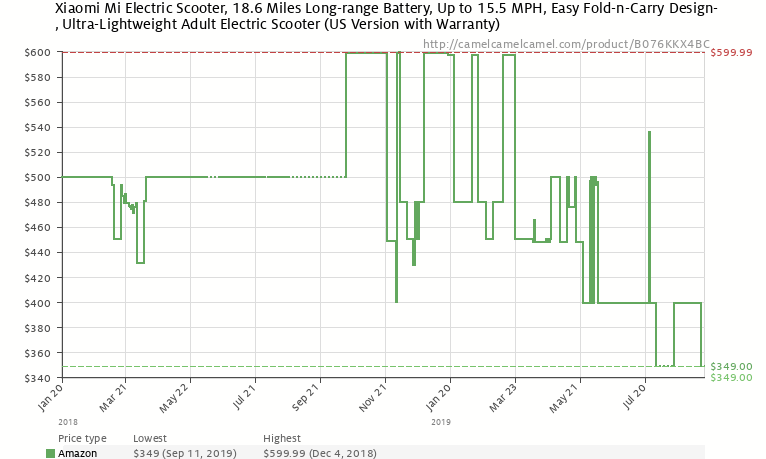
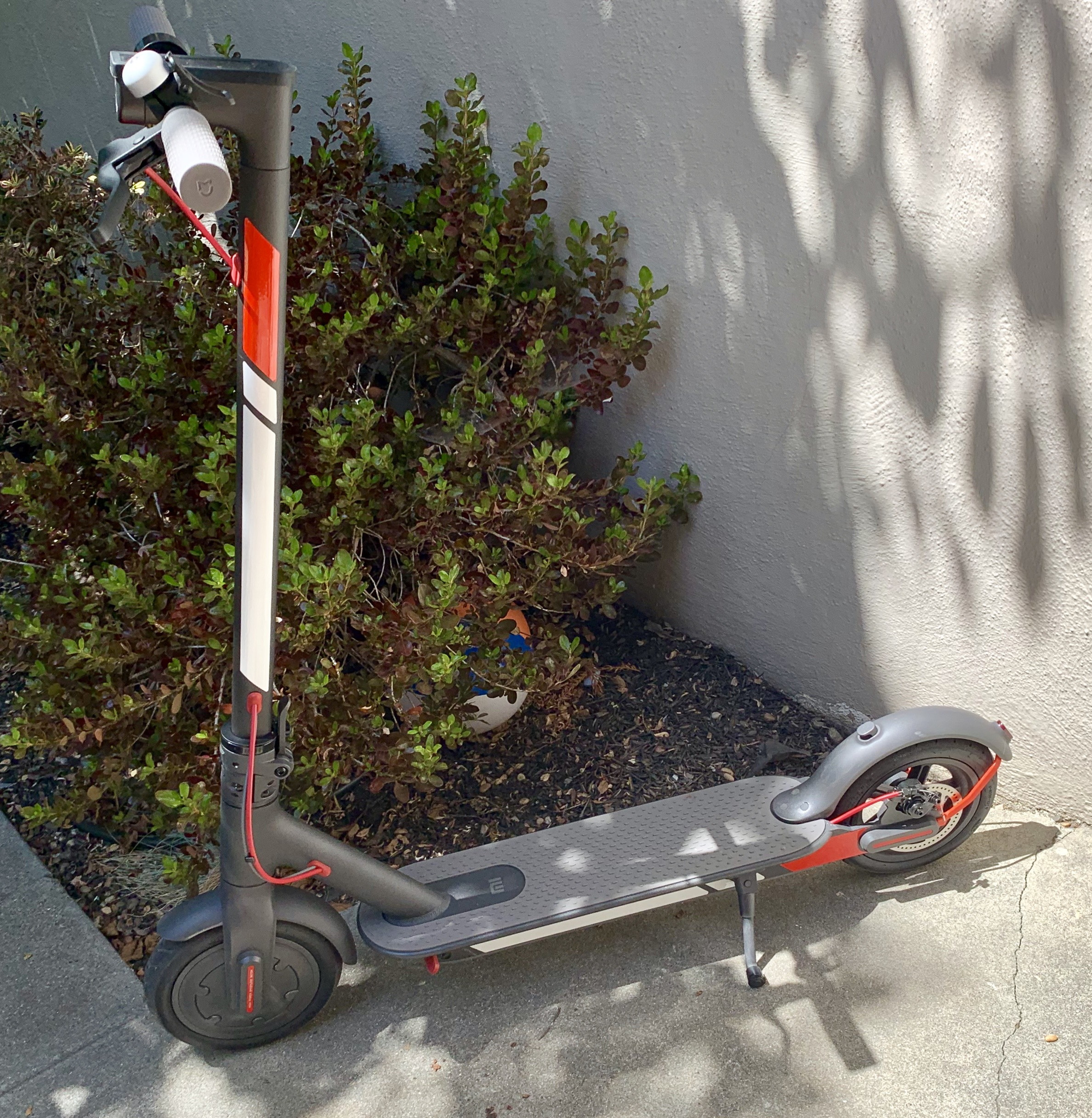
The most tangible evidence of Li-ion battery cost reductions and their impact on electric scooters can be observed in consumer pricing. Consider the Xiaomi Mi M365, which quickly became one of the most popular electric scooter models globally due to its balance of performance, design, and affordability. When it first entered the U.S. market in early 2017, its price hovered around $800. Fast forward to late 2019, and the street price for the same model had effectively halved, often available for $300-$400. This dramatic price decrease—a 50% reduction in just three years—is a clear indicator that the underlying manufacturing costs, predominantly driven by the battery, have plummeted.
This rapid commoditization of electric scooters has profound implications for the broader electric vehicle market. If the cost of the most expensive component in an EV can drop so sharply in a relatively short period for a simple device like a scooter, it provides a strong leading indicator for similar trends in more complex electric cars. While other materials like rubber, aluminum, glass, and steel see incremental cost changes, the battery’s volatile price trajectory is the primary driver of overall EV affordability. Analysts at BloombergNEF, for instance, have consistently reported significant annual reductions in battery pack prices, dropping from over $1,100 per kilowatt-hour (kWh) in 2010 to well under $150/kWh by 2020, with projections continuing downward. This decline directly translates into more affordable electric vehicles, from scooters to sedans.
The Rise of the Rental Economy and Market Diversification
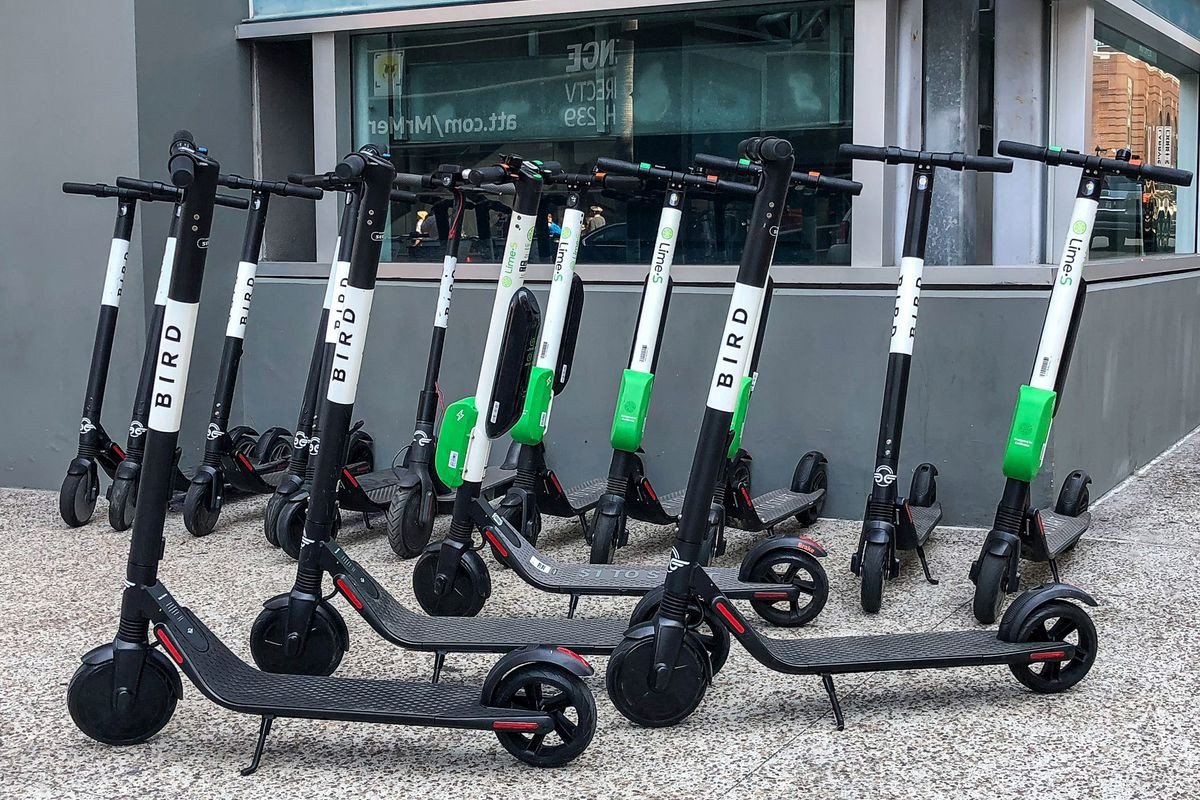
The sharp decline in electric scooter prices coincided directly with the explosive growth of the smartphone app-based electric scooter rental industry. Companies like Bird, Lime, Skip, Spin, and Scoot rapidly deployed fleets of scooters in urban centers worldwide starting around 2017-2018. Early versions of these rental scooters were often modified Xiaomi M365s, demonstrating the model’s robustness and cost-effectiveness. The ubiquity of these shared scooters introduced millions to the concept of micro-mobility, showcasing its convenience for short-distance travel.
However, the rental industry faced its own set of challenges, including high rates of theft, vandalism, and the logistical complexities of recharging and repairing vast fleets. This led to a pivot, with many companies moving towards custom-built, ruggedized scooters optimized for the harsh demands of the rental market. Some also experimented with business model adjustments, shifting from per-minute rentals to monthly subscription services, allowing users to rent a scooter for a fixed fee, thereby promoting longer-term usage and reducing wear-and-tear associated with transient rides. For example, Bird experimented with monthly rentals in cities like San Francisco and Barcelona, offering models akin to the Xiaomi M365 for a flat monthly rate of $25. These adaptations highlight the industry’s dynamic response to operational realities and market demands, further solidifying the presence of electric scooters in the urban fabric.
Electric Scooters: The Future of Urban Transportation?
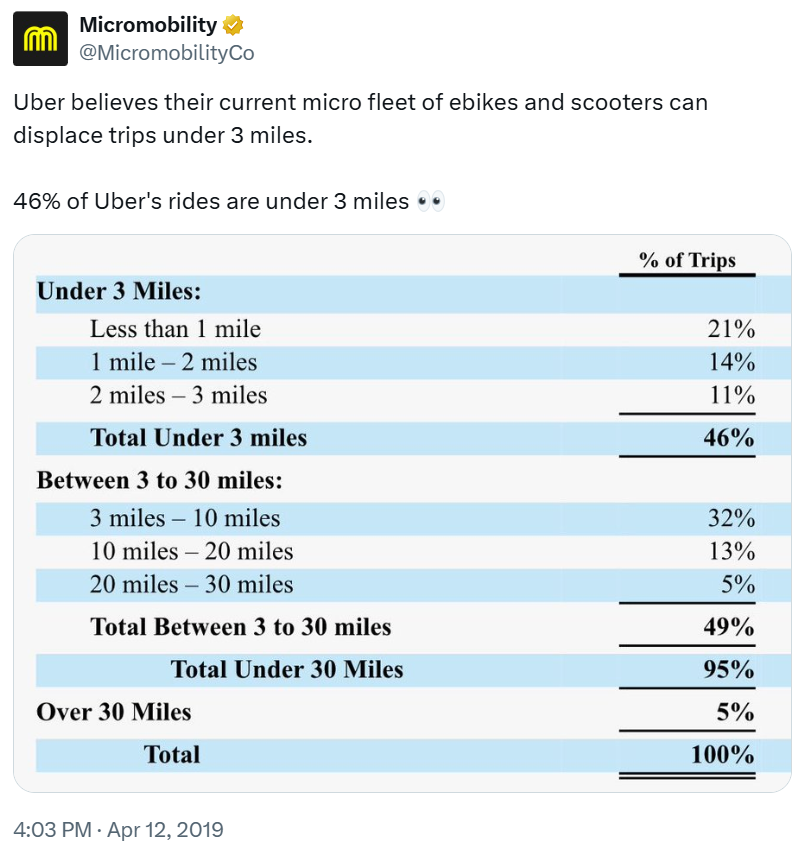
Beyond the rental phenomenon, a more fundamental question emerges: are electric scooters poised to become a significant part of the future of urban transportation? Data suggests a strong affirmative. Ride-sharing giants like Uber, despite their core business being car-based, have recognized that traditional automobiles are often overkill for a substantial portion of urban travel. Uber’s own analysis revealed that nearly half (46%) of its rides were under three miles, a distance perfectly suited for micro-mobility solutions like electric bikes and scooters. This recognition led Uber to invest heavily in its own micro-mobility divisions, underscoring a strategic shift towards multimodal transportation.
For individual consumers, the appeal of owning an electric scooter like the Xiaomi Mi M365 is evident. Its low purchase price (around $300-$400), combined with minimal operating costs (charging is inexpensive) and the sheer fun factor, makes it a compelling personal transportation option. The ability to easily fold and transport the scooter, even fitting it into an electric car, highlights its versatility as a "last-mile" solution or a primary commuter for short distances. User reviews consistently praise its performance, convenience, and value proposition, particularly for urban and suburban environments.
However, the experience is not without its practical considerations. Small tires are highly susceptible to flats, a common complaint among owners. Solutions like injecting tire sealant (e.g., Slime) or opting for solid tubeless tires (at the expense of some ride comfort) are common modifications. Maintenance, while generally low, does require attention to components like brakes and tires, as is typical with any personal vehicle. The inherent "digital" nature of modern electric scooters, with Bluetooth connectivity and smartphone apps for monitoring and even firmware hacking, adds another layer of technological engagement for enthusiasts.
Navigating the Regulatory Labyrinth and Safety Concerns
One of the most significant hurdles for the widespread integration of electric scooters into urban landscapes is the inconsistent and often reactive regulatory environment. Local governments worldwide have struggled to classify and regulate these novel devices, leading to a patchwork of laws that vary wildly from city to city, and even within different districts of the same metropolis. This lack of uniformity creates confusion for riders, manufacturers, and rental companies alike.
For instance, in California, electric scooter laws require riders to possess a valid driver’s license—a restriction not applied to electric bicycles—and prohibit them from operating on sidewalks. While the driver’s license requirement is often viewed as onerous for a device designed for short, accessible trips, a universally agreed-upon regulation is the speed limit. Many jurisdictions, including California, impose a 15-mile-per-hour speed restriction, which is widely considered a reasonable and safe top speed for an adult standing on a scooter without specialized safety gear. Exceeding this speed significantly increases the risk of serious injury.
The market, however, is not confined to these regulated speeds. The burgeoning diversity in electric scooters includes high-performance models that push the boundaries of what is considered safe or practical. Scooters with dual motors and dual suspension capable of reaching speeds up to 40 miles per hour exist, catering to a niche market of thrill-seekers. While these "hyper-scooters" showcase technological capabilities, they also underscore the critical importance of robust safety regulations and rider responsibility. The contrast between the utilitarian Xiaomi M365 and these high-speed machines highlights the broad spectrum of the emerging micro-mobility market, which also includes luxury models, ultralight designs, and rugged off-road variants, all catering to different needs and price points.
Beyond the M365: Evolution and Future Outlook
The continuous innovation in the electric scooter market is evident with the release of successors like the Xiaomi M365 Pro. This model introduced incremental but welcome improvements: a larger battery for extended range, enhanced power for better acceleration, an improved disc brake for superior stopping power, a more informative display, and a refined latch mechanism for easier folding. While these upgrades improve the user experience, their initial higher price point compared to the standard M365 highlights the delicate balance between innovation and value, suggesting that for many, the original model’s "off the charts" value proposition remains unbeatable.
Ultimately, the journey of the electric scooter from a niche gadget to a potential pillar of urban transportation mirrors the broader narrative of technological democratization. It represents a more successful iteration of aspirations once held for devices like the Segway, which launched at an exorbitant $5,000 in 2001 (equivalent to over $7,200 today) and failed to achieve its promised societal impact. In contrast, the current generation of affordable electric scooters, priced between $200 and $400, has genuinely transformed how millions navigate their daily lives, offering a practical, enjoyable, and environmentally friendlier alternative for short-distance travel.
While challenges persist—primarily in harmonizing regulations, ensuring public safety, and integrating micro-mobility seamlessly into urban infrastructure—the trajectory is clear. Driven by continuous advancements in battery technology and a growing global awareness of urban congestion and environmental impact, electric scooters are not just a passing fad. They represent a significant step towards a more diverse, efficient, and sustainable future for urban transportation, a future that took two decades to fully materialize, but one that is now accelerating rapidly.
About the Author