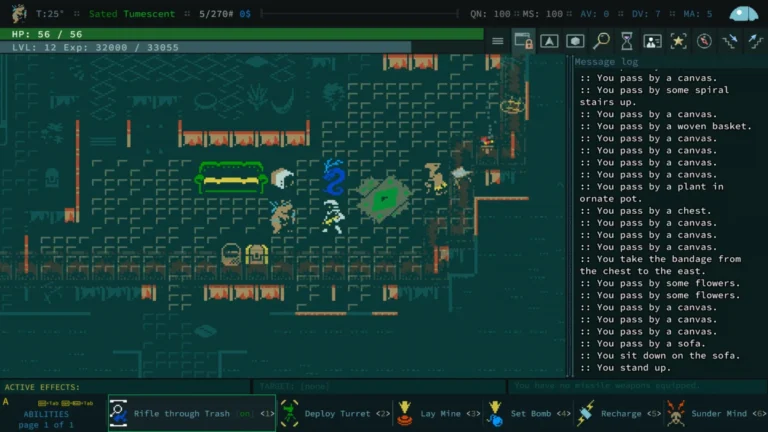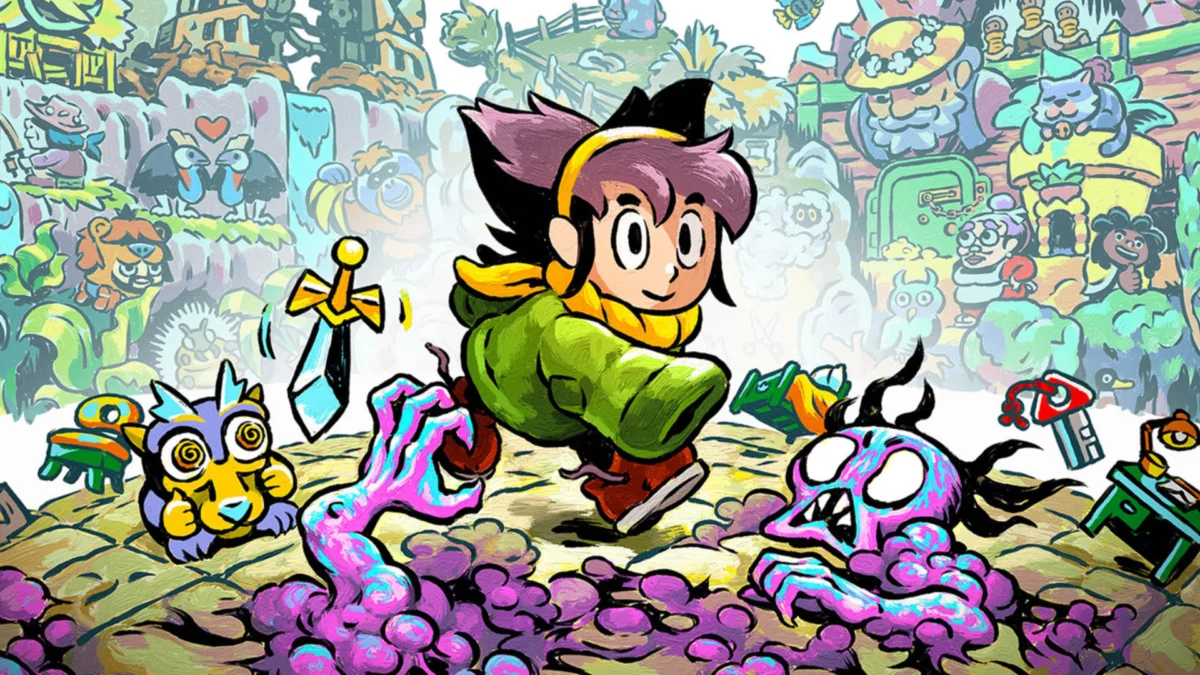
In a powerful display of community solidarity, the Game Industry Hardship Fund, a digital bundle offering over 100 games for just $10, has dramatically exceeded its initial fundraising target, underscoring the severe economic pressures currently facing video game developers globally. Launched as an urgent response to what organizers describe as an "unprecedented number of game developers laid off this year," the initiative quickly garnered significant support, surpassing its original goal of $100,000 within its first four days. As of reporting, the fund has accumulated over $130,000, achieving 64 percent of its revised $200,000 goal, with nearly 10,000 individuals contributing to the cause.
The Fund’s Rapid Ascent and Community Response
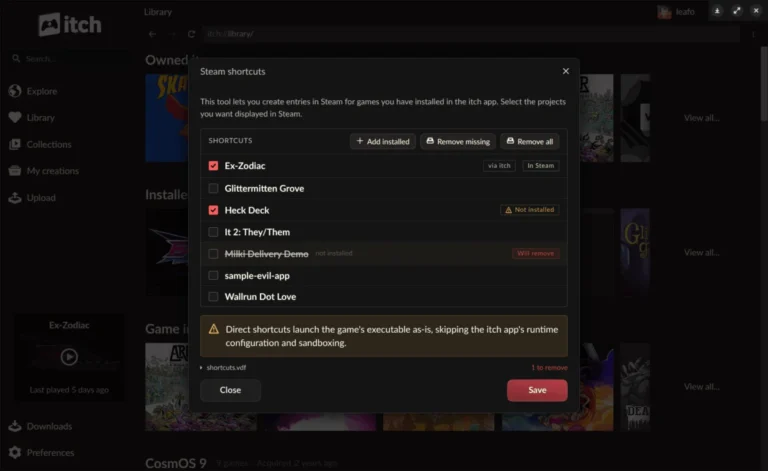
The Game Industry Hardship Fund is hosted on Itch.io, a platform popular among independent game developers, and curated by Necrosoft Games, known for titles like Demonschool. The bundle’s success highlights both the generosity of the gaming community and the critical need for financial assistance within the industry. For a nominal fee of $10, purchasers gain access to a diverse collection of over 100 games, ranging from acclaimed indie titles to experimental projects, making it an attractive proposition for players while simultaneously channeling vital resources to struggling developers. This model of community-driven fundraising, leveraging the digital distribution of games, has proven remarkably effective in galvanizing support quickly.
Brandon Sheffield, director of Necrosoft Games, initially announced the fund last week, drawing attention to the escalating crisis of job losses within the sector. The swift response from the public indicates a broad awareness and empathy for the precarious situation many game developers find themselves in. The fund’s ability to not only meet but significantly surpass its initial target so rapidly speaks volumes about the collective desire to mitigate the immediate financial hardship faced by those impacted by industry instability.
United Videogame Workers: Guardians of the Fund
The crucial task of distributing the collected funds falls to the United Videogame Workers (UVWW) union, which had previously established its own hardship fund in early July. This collaboration ensures that the donations are managed and disbursed effectively to those most in need, leveraging UVWW’s existing infrastructure and expertise in supporting game industry professionals. The union’s fund operates with two distinct application streams designed to cater to varying levels of financial distress. The "small funds tier" addresses requests under $1,000, providing quick relief for minor but urgent expenses. The "major expenses tier," on the other hand, is designed for requests ranging between $1,000 and $5,000, intended to cover more substantial financial burdens.
Notably, the UVWW fund is not exclusively limited to developers who have been laid off. It also extends its support to currently employed workers who are experiencing significant financial difficulties, acknowledging that precarity can exist even with ongoing employment. This inclusive approach recognizes the broader challenges within the industry, where even stable positions might not always guarantee financial security against unexpected life events or underpayment relative to the cost of living in many development hubs. The union’s involvement adds a layer of accountability and transparency to the fundraising effort, assuring donors that their contributions are reaching legitimate cases of need.
The Unfolding Crisis: A Timeline of Industry Layoffs
The Game Industry Hardship Fund emerges against a backdrop of what has become a relentless wave of layoffs and studio closures across the video game industry, marking 2023 and 2024 as particularly turbulent years. While the industry has historically experienced cycles of boom and bust, the current downturn is characterized by its broad scope and persistent nature, affecting companies of all sizes, from independent studios to major publishers.
Early 2023: The year began with significant cuts, including Microsoft’s announcement in January 2023 of plans to lay off 10,000 employees across its divisions, with gaming being notably impacted. This set a grim precedent for the year. Throughout 2023, major companies like Unity, Epic Games, Embracer Group (across multiple subsidiaries like Gearbox, Crystal Dynamics, Volition), and BioWare all announced substantial job reductions. Industry estimates suggest that over 10,000 game developers lost their jobs in 2023 alone.
The Intensification in 2024: The trend has not abated in 2024. In the first few months of the year, thousands more roles were eliminated.
- January 2024: Xbox, Blizzard, and Activision laid off 1,900 employees following Microsoft’s acquisition of Activision Blizzard, even as the company celebrated record-breaking profits. This was followed by cuts at Riot Games (11% of its workforce, approximately 530 employees) and Twitch (500 employees).
- February 2024: Sony Interactive Entertainment announced 900 layoffs globally, affecting studios like Naughty Dog, Insomniac Games, and Guerrilla Games, and leading to the closure of its London Studio. Electronic Arts also announced approximately 670 job cuts.
- March 2024: Take-Two Interactive, parent company of Rockstar Games and 2K, revealed plans to lay off around 5% of its workforce, affecting hundreds of employees.
- Recent Developments (July 2024): The last week alone has seen several high-profile instances:
- Lightspeed LA Layoffs: Tencent-owned Lightspeed LA, a studio established to develop AAA games, laid off 68 workers from its Los Angeles office. This signals continued restructuring even within well-funded, international enterprises.
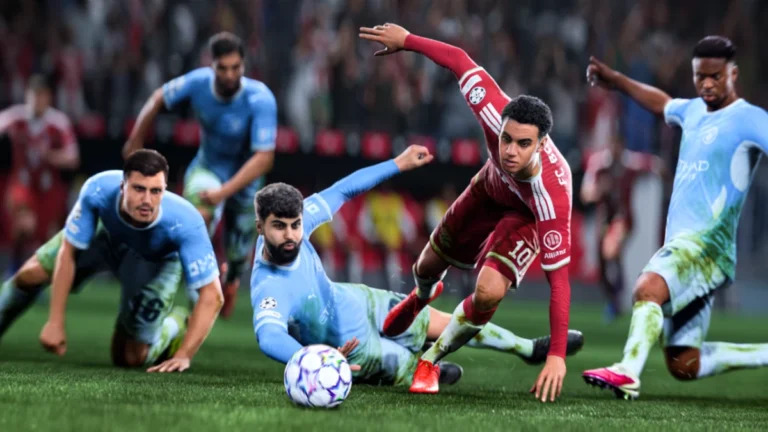
- Refactor Games Shuttering: Delphi Interactive reportedly shuttered Refactor Games, the developer behind FIFA World Cup titles, highlighting the vulnerability of studios dependent on specific IP licenses or publisher relationships.
- Double Fine Productions Cuts: Psychonauts maker Double Fine Productions laid off 23 staff members. This occurred after the studio regained its independence from Microsoft, a move that was part of a larger restructuring by Xbox.
Xbox’s "Significant Restructure": The parent company, Microsoft, confirmed its decision to sever ties with Double Fine and other studios at the beginning of July, characterizing it as the "most significant restructure in Xbox history." This sweeping strategic shift outlined plans to eliminate a staggering 3,200 roles across its video game division by the end of the current fiscal year. While framed as a strategic realignment, the human cost of such decisions is immense, leaving thousands of skilled professionals suddenly without employment in an already saturated job market.
Economic Headwinds and Industry Evolution
The root causes of this widespread industry instability are multifaceted, stemming from a confluence of macroeconomic factors, post-pandemic market corrections, and evolving industry dynamics.
Post-Pandemic Correction: The gaming industry experienced an unprecedented boom during the COVID-19 pandemic, as lockdowns led to increased engagement and spending on digital entertainment. This led many companies to expand rapidly, hiring aggressively to meet perceived sustained demand. However, as global economies reopened and consumer spending patterns normalized, this growth proved unsustainable. Many companies are now undergoing a "correction," downsizing to align with more realistic, albeit still robust, market conditions.
Rising Development Costs and Project Scope: The cost of developing AAA games has skyrocketed over the past decade. Modern games require massive budgets for advanced graphics, complex gameplay systems, extensive voice acting, and large development teams. Projects can take many years to complete, with budgets often exceeding $100 million, and sometimes even $200-$300 million for flagship titles. This makes profitability increasingly challenging, especially for projects that don’t become runaway successes. The risk associated with large-scale development has pushed publishers to be more cautious, leading to project cancellations and layoffs when titles fail to meet internal milestones or market expectations.
Market Saturation and Competition: The sheer volume of games released annually, particularly in the independent sector, makes it difficult for new titles to stand out. While this offers players an abundance of choice, it intensifies competition for consumer attention and spending. Publishers are increasingly looking for "sure bets" or established franchises, making it harder for new IP or smaller studios to secure funding and achieve visibility.
.png?width=1280&&quality=80&disable=upscale)
Shift in Investment Landscape: Venture capital and private equity firms, which heavily invested in gaming during the pandemic boom, are now more conservative. A tightening of monetary policy globally has led to higher interest rates, making speculative investments less attractive. This has reduced the flow of external funding that many studios, particularly those focused on growth, relied upon.
Consolidation and Strategic Realignment: Large corporations, like Microsoft, are undergoing significant strategic realignments, often involving consolidation of resources and streamlining operations. While acquisitions aim to strengthen market position, they frequently lead to redundancies as overlapping roles are eliminated or acquired studios are integrated into larger structures, sometimes resulting in closures or divestments, as seen with Double Fine.
The Human Cost: Impact on Developers
The statistics, while stark, only tell part of the story. Behind every layoff number is an individual or family grappling with sudden unemployment, financial insecurity, and career uncertainty. For game developers, who often pour immense passion and personal sacrifice into their work, the impact can be particularly devastating.
Job Insecurity and Mental Health: The constant threat of layoffs fosters an environment of anxiety and precarity. Developers frequently face intense "crunch" periods, working excessive hours leading up to a game’s release. To then be laid off shortly after a project ships can be a profound betrayal of that dedication. This instability contributes to significant mental health challenges within the industry, including burnout, stress, and depression.
Talent Drain: Repeated cycles of layoffs can lead to a "talent drain" as experienced developers, disillusioned by the volatility, seek more stable careers in other tech sectors or leave the industry entirely. This loss of institutional knowledge and skilled professionals can hinder innovation and future development capabilities. It also makes it harder for smaller or new studios to attract and retain top talent.
Challenges for Smaller Studios: While major publishers often bear the brunt of public attention regarding layoffs, smaller and independent studios are often even more vulnerable. Without the deep pockets of large corporations, a single project cancellation or market misstep can be existential, leading to immediate closures and complete team disbandment.
Precarity for the Employed: The UVWW fund’s provision for currently employed but financially struggling developers underscores that the crisis extends beyond just those who have lost their jobs. Factors such as stagnant wages not keeping pace with inflation, high cost of living in major tech hubs, and unexpected personal emergencies can plunge even stably employed individuals into financial distress. This highlights a systemic issue where compensation in parts of the industry may not adequately reflect the demands and economic realities faced by its workforce.
Community Solidarity and the Future of Labor
The rapid success of the Game Industry Hardship Fund is a testament to the powerful sense of community and solidarity among game developers and players alike. In times of crisis, grassroots initiatives often step in where corporate safety nets are insufficient or non-existent. This collective effort provides not only immediate financial relief but also a much-needed morale boost, demonstrating that the community cares for its members.
The involvement of the United Videogame Workers union in distributing the funds is particularly significant. It highlights the growing importance of labor organizing within the industry. For years, the gaming industry largely resisted unionization, but the increasing precarity of employment, coupled with issues like crunch culture and unequal compensation, has fueled a movement towards greater worker protections. UVWW’s role in this fund positions them as a vital support system, building trust and demonstrating the tangible benefits of collective action.
The fund also serves as a stark reminder of the need for more robust social safety nets and industry-wide standards. While a community-led fund is invaluable, it should not be the sole mechanism for addressing widespread unemployment and financial distress. It prompts questions about the ethical responsibilities of major corporations and publishers, especially those reporting record profits while simultaneously shedding thousands of jobs.
Looking Ahead: Challenges and Opportunities
The current period of consolidation and economic restructuring will undoubtedly reshape the video game landscape. While challenging, it also presents potential opportunities for re-evaluation and reform.
Sustainable Development Practices: The crisis may force companies to reconsider unsustainable growth models, potentially leading to more deliberate project planning, better labor practices, and a greater focus on long-term sustainability rather than aggressive expansion.
Diverse Funding Models: The success of bundles like the Game Industry Hardship Fund could inspire more creative and community-centric funding models for independent developers, reducing reliance on traditional publisher funding that often comes with stringent demands.
Strengthened Labor Movement: The ongoing layoffs are likely to further galvanize the unionization movement, leading to stronger advocacy for worker rights, fair compensation, and improved working conditions across the industry. Organizations like UVWW will play an increasingly critical role in shaping the future of game development labor.
Innovation in Lean Environments: While difficult, economic downturns can sometimes foster innovation as developers learn to do more with less, focusing on creativity and efficiency.
Industry professionals and sympathetic players looking to contribute to this vital cause can find more information about the bundle and make a purchase via the Itch.io platform. The continued support is crucial as the industry navigates this challenging period, providing a beacon of hope and practical assistance to those who create the games we love.
The Game Industry Hardship Fund represents more than just financial aid; it embodies the resilience and compassion of a community rallying to protect its own in the face of significant adversity. Its success is a powerful message that even amidst widespread corporate restructuring, the human element of game development remains paramount and worthy of collective support.
About the Author