The digital landscape, once envisioned as a vast, open frontier, is increasingly characterized by an invisible weight: web bloat. What began as a promise of instant information access has evolved into a resource-intensive experience, largely driven by an expansive and intrusive advertising ecosystem. This transformation has sparked a growing tension between content providers, ad technology companies, and internet users, culminating in a significant shift towards ad-blocking technologies and, more recently, a strategic move by dominant browser providers like Google to reshape how these blockers function.
The Expanding Digital Footprint: A Decade of Web Obesity

A decade ago, the future of computing was firmly anchored to the web. While that prediction largely holds true, the web itself has undergone a profound metamorphosis. Websites today are demonstrably "fatter," a term popularized by Maciej Cegłowski in his influential 2015 essay, "The Website Obesity Crisis." Cegłowski highlighted a stark reality: modern websites, even those serving simple text content, had become excessively large and slow, largely due to the proliferation of third-party scripts, trackers, and advertising elements.
This observation is not merely anecdotal. Data from the HTTP Archive consistently illustrates this trend. In 2010, the average web page size was approximately 500 KB. By 2020, this figure had ballooned to over 2 MB for desktop pages and nearly 2 MB for mobile, representing a quadrupling of data transfer. This increase is driven by heavier images, more complex JavaScript, custom fonts, and, critically, the myriad components of the ad-tech industry. While it is irrational to romanticize the minimalist days of HTML 1.0, the legitimate concerns about performance, privacy, and user experience posed by this growth are undeniable.
Cegłowski’s provocative claim that developers could rewrite bloated sites to load in under a second within hours, using "secrets" known since 2002, underscores the artificiality of much of this bloat. He argues that market pressures, client demands for extensive tracking, analytics, and social media integrations, push developers away from lean design principles. Presenting a 200-kilobyte site template, even if visually appealing and functionally complete, would likely result in dismissal, illustrating how far industry norms have shifted.

Advertising: The Primary Culprit in Web Bloat
While various factors contribute to web bloat, the overwhelming evidence points to advertising as the primary driver. The example of an NPR article, cited by Cegłowski, vividly demonstrates this: a page that measured 12 megabytes in a standard web browser was reduced to a mere 1 megabyte with basic ad blocking enabled—a twelvefold reduction in payload. This dramatic difference highlights the immense overhead introduced by "ad tech," which encompasses not just the advertisements themselves but also the complex network of tracking scripts, analytics tools, and real-time bidding mechanisms that underpin modern digital advertising.
This "unlimited, unfettered ad ‘tech’" has permeated nearly every corner of the web, transforming what could be a swift and efficient experience into one laden with delays and distractions. The irony is that even as mobile devices become extraordinarily powerful – with newer iPhone models, for instance, often outperforming many existing desktops and laptops in JavaScript benchmarks – the web experience continues to suffer due to the sheer volume of data and processing required by advertising elements. The traditional advice to "keep websites lean and mean for mobile" no longer addresses the core issue when the problem is not the device’s capability but the content’s unnecessary weight.

The pervasive nature of intrusive advertising has directly fueled the rise of ad blockers. The fact that ad blockers consistently rank among the most popular browser extensions is a clear indicator of widespread user dissatisfaction. Users, often unwillingly, become active participants in this digital "weight loss program" out of necessity, seeking to reclaim control over their browsing experience, improve page load times, reduce data consumption, and enhance privacy.
Google’s Manifest V3 and the Ad Blocker Conundrum
The burgeoning popularity of ad blockers, however, has placed them on a collision course with the dominant forces of the internet, particularly Google. As the operator of the world’s most popular web browser, Chrome, and the largest digital advertising platform, Google finds itself in a precarious position, balancing user experience with its core business model. This tension reached a critical point with the introduction of Manifest V3, a new extension platform for Chrome, which has drawn significant criticism from ad blocker developers and privacy advocates.

A Brief Chronology of Manifest V3:
- 2019: Google first announced Manifest V3, outlining changes to how Chrome extensions operate. Key among these was the deprecation of the
webRequestAPI’s "blocking" capabilities, which allowed extensions to intercept and modify network requests before they reached the browser. - Google’s Justification: Google cited security, privacy, and performance improvements as the rationale for Manifest V3. The company argued that the
webRequestAPI, while powerful, could be abused by malicious extensions and that its synchronous nature could impact browser performance. - Developer Backlash: Developers of popular ad blockers, most notably Raymond Hill, the creator of uBlock Origin, immediately voiced strong opposition. Hill stated that the deprecation of the
webRequestAPI’s blocking ability was a strategic move by Google to "gain back control" over content blocking and to potentially collect more data on how web pages are filtered, benefiting Google’s primary advertising business. - Proposed Alternative: Manifest V3 introduced a new API,
declarativeNetRequest, which allows extensions to specify rules for blocking or modifying network requests, but these rules are processed by the browser itself, limiting the dynamic and complex filtering capabilities of advanced ad blockers. This shift essentially moves control from the extension to the browser, and by extension, to Google. - Ongoing Implementation: Despite widespread criticism, Google has continued with the implementation of Manifest V3, setting timelines for the deprecation of Manifest V2 extensions.
Implications of Manifest V3:
The implications of Manifest V3 are far-reaching. For users, it could mean a less effective ad-blocking experience, potentially leading to more intrusive ads, slower page loads, and increased data consumption. For developers, it represents a significant hurdle, as many complex filtering rules used by advanced ad blockers might be difficult or impossible to implement under the new API. This could consolidate power among larger entities capable of navigating these new restrictions, potentially at the expense of independent, privacy-focused extensions.
Furthermore, the ad-blocking industry itself is not without its complexities. Companies like Eyeo GmbH, which owns AdBlock and uBlock, operate substantial businesses, generating significant revenue. Google’s controversial "Acceptable Ads" program, which allows certain "non-intrusive" ads to be whitelisted by participating ad blockers in exchange for payment, further complicates the narrative. This program highlights the financial incentives within the ad-blocking ecosystem, where money flows between advertising giants and the very tools designed to circumvent their ads. This creates a perception that even ad blockers can be compromised, leading to a loss of user trust.
Pi-Hole: A Decentralized Solution for Network-Wide Ad Blocking
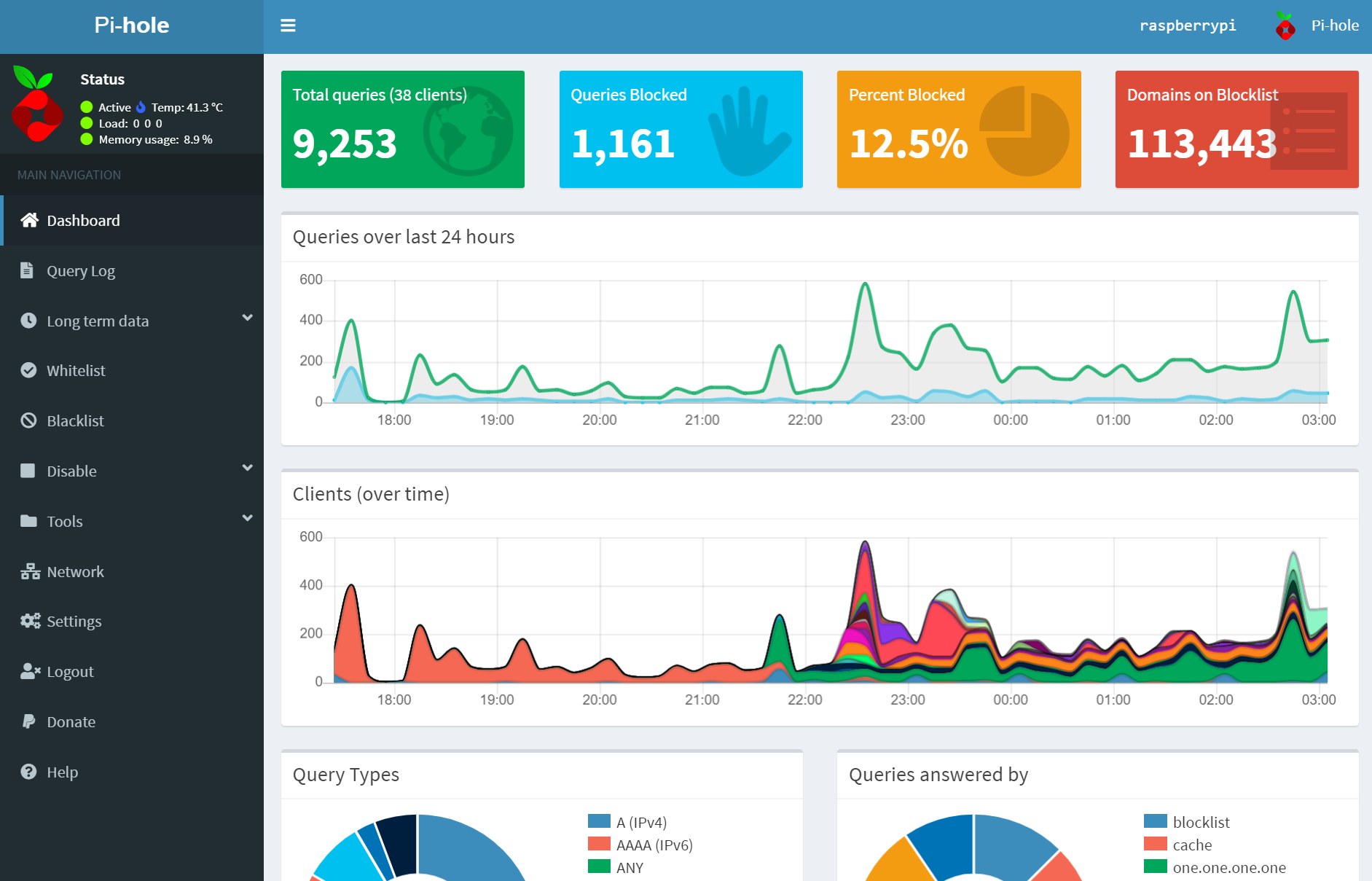
Amidst this landscape of increasing web bloat and browser-level ad blocker restrictions, a robust and independent solution has gained significant traction: Pi-Hole. This open-source project offers a compelling alternative by providing network-wide ad blocking at the DNS level, effectively cutting off advertising and tracking requests before they even reach individual devices or browsers.

How Pi-Hole Works:
Pi-Hole operates as a DNS sinkhole, typically running on a low-power, single-board computer like a Raspberry Pi. Here’s a breakdown of its functionality:
- DNS Interception: When a device on your home network tries to access a website or load content, it sends a DNS request to resolve domain names (e.g.,
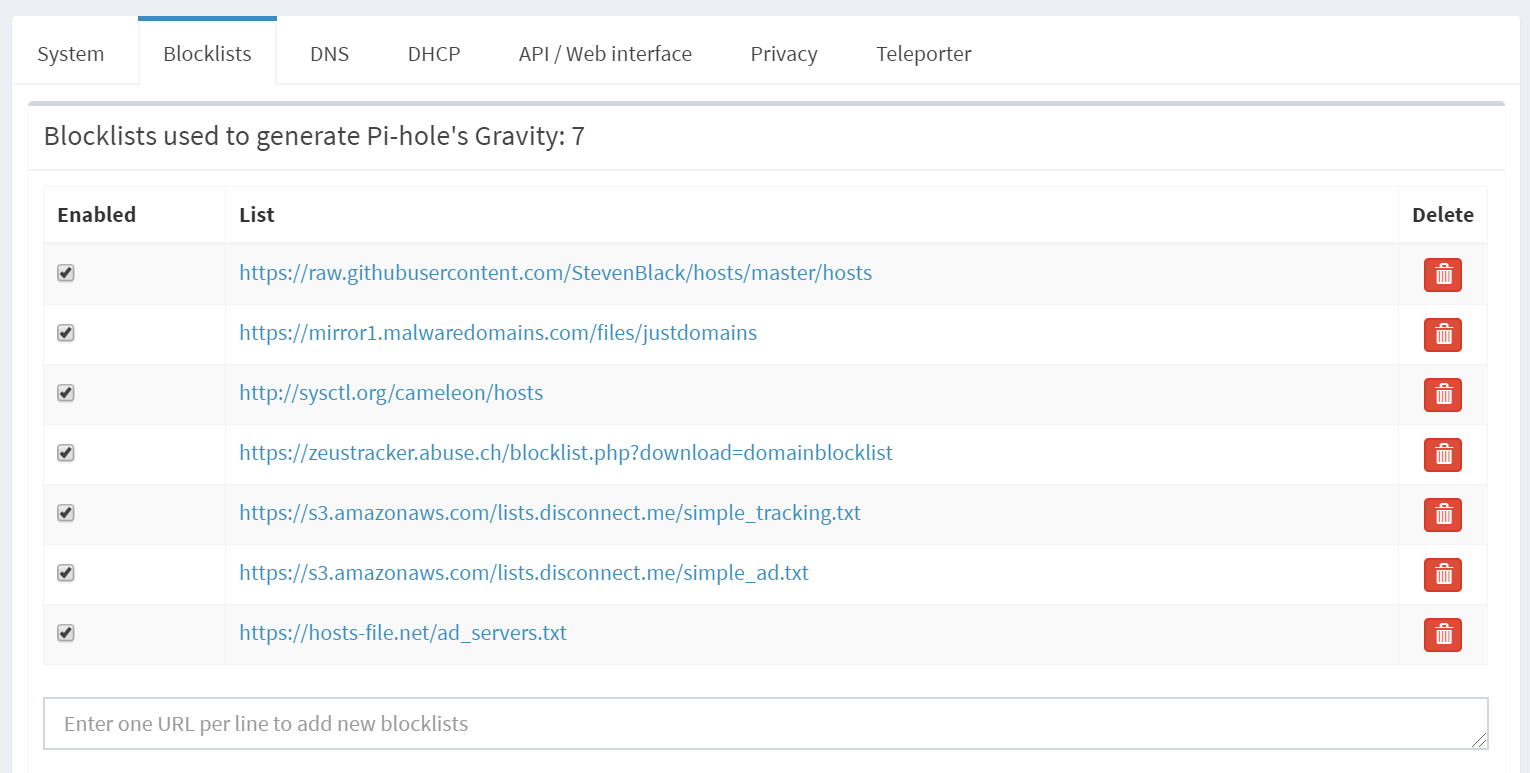
google.comto an IP address). - Blacklisting: If your router is configured to use the Pi-Hole as its primary DNS server, all these requests are routed through the Pi-Hole. The Pi-Hole maintains extensive lists of known ad, tracking, and malware domains.
- Blocking: If a requested domain matches an entry on its blacklist, Pi-Hole responds with a non-routable IP address (typically
0.0.0.0), effectively preventing the connection to the ad server. The browser or app never even attempts to download the ad content. - Permitting: If the domain is not on a blacklist, Pi-Hole forwards the request to an upstream DNS server (e.g., Cloudflare, Google DNS) and caches the result for faster future lookups.
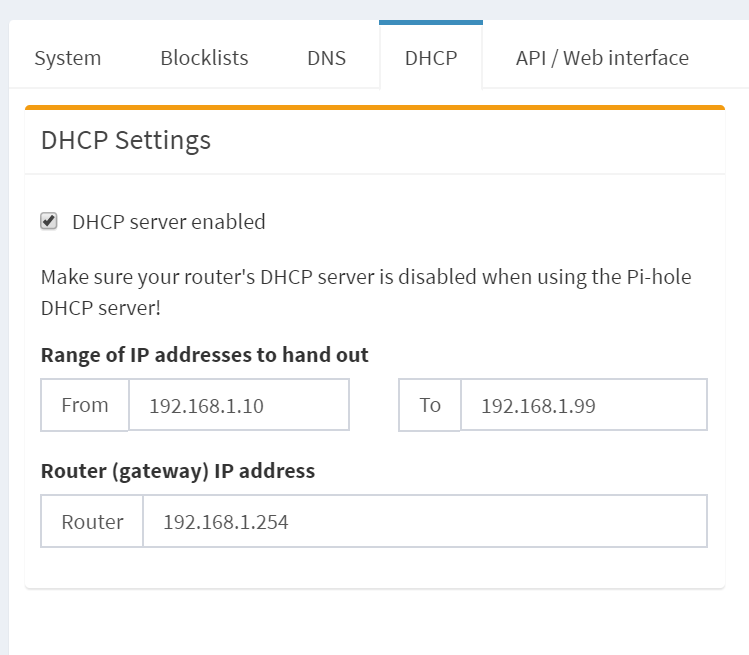
- DHCP Integration: For seamless network-wide implementation, the Pi-Hole can be configured to act as the DHCP server for your network. This means it assigns IP addresses to all devices and, crucially, tells them to use the Pi-Hole itself as their DNS server, ensuring comprehensive coverage without needing to configure each device individually.
Advantages of Pi-Hole:
- Network-Wide Coverage: Unlike browser extensions, Pi-Hole protects every device on your network, including smart TVs, IoT devices, gaming consoles, and even mobile devices connected to your Wi-Fi, without needing individual installations.
- Pre-Browser Blocking: Ads are blocked at the DNS level, meaning the ad content never even begins to download, significantly reducing bandwidth usage and improving page load times.
- Enhanced Privacy: By blocking trackers and analytics scripts, Pi-Hole offers a substantial boost to privacy, preventing advertisers from profiling your online behavior.
- Performance Improvement: Websites load faster, and the overall browsing experience feels snappier due to the elimination of numerous resource-intensive ad and tracking scripts.
- Customization and Control: Users have granular control over what is blocked and can whitelist specific domains if a legitimate site is inadvertently affected. The web-based GUI provides detailed statistics on blocked queries and network activity.
- Caching DNS Server: Pi-Hole also acts as a caching DNS server, meaning repeated requests for the same domain are serviced rapidly from your local network, further speeding up browsing.
Setting Up a Pi-Hole:
The setup process for Pi-Hole is surprisingly straightforward, often taking an hour or less. The basic requirements include:
- A Raspberry Pi (any model with a wired Ethernet port is recommended, such as the Raspberry Pi 3B+ for its native gigabit Ethernet).
- A microSD card (at least 8GB).
- A power supply for the Raspberry Pi.
- An Ethernet cable to connect the Pi to your router.
After installing a lightweight operating system (like Raspberry Pi OS Lite) and the Pi-Hole software, the primary configuration step involves disabling your router’s default DHCP server and enabling Pi-Hole’s DHCP server. This ensures all network devices automatically route their DNS requests through the Pi-Hole. For added resilience, users can employ a cheap battery-backed USB power supply or even a second Pi-Hole as a secondary DNS provider. Reverting to standard DNS is as simple as unplugging the Pi and re-enabling the router’s DHCP.
The Future of the Web: Autonomy vs. Commercial Imperatives
The escalating battle over web content, ad blocking, and browser control highlights a fundamental tension at the heart of the internet: the desire for an open, fast, and private user experience versus the commercial imperatives of content creators and advertisers. As dominant platforms like Google implement changes that could limit user-side ad blocking, solutions like Pi-Hole empower individuals to take back control of their home networks.
This ongoing "arms race" between ad tech and ad blockers will likely continue to evolve. However, the rise of network-level blocking tools signifies a growing demand for user autonomy and a recognition that a truly lean and efficient web experience may require intervention beyond the browser. Pi-Hole, by offering a simple, effective, and free solution, stands as a testament to the power of open-source initiatives in shaping the future of digital freedom, providing a glorious web ad instant weight loss program across every device on a network with remarkable ease.
About the Author