The evolution of online transactions has historically been tied to traditional financial intermediaries and the requirement of sharing sensitive personal data. From registering accounts and providing credit card details to opting for bank transfers, these methods have long been the standard for digital commerce. However, the advent and increasing prominence of cryptocurrencies, powered by blockchain technology, are poised to redefine these established practices, ushering in an era where transactions can potentially occur with enhanced privacy and reduced reliance on central authorities. This transformative technology promises a future where individuals can engage in a multitude of activities without the obligatory disclosure of personal information, and with diminished dependence on banks and governmental oversight.
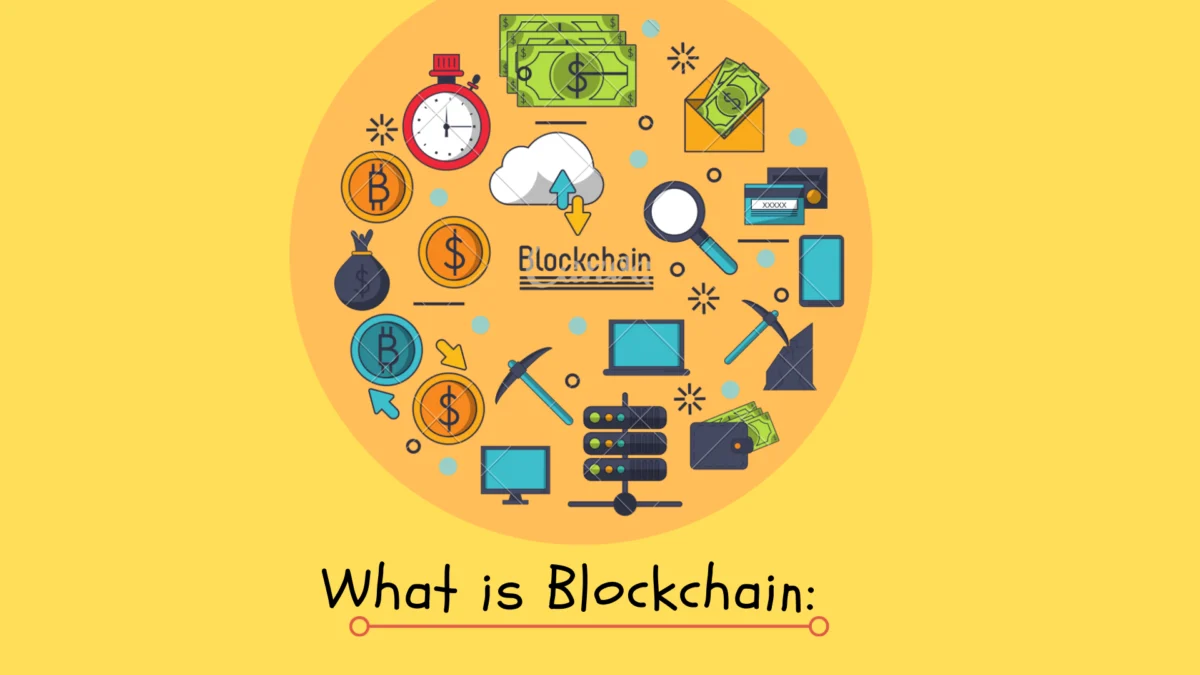
The fundamental concept of blockchain technology can be understood as a sophisticated digital ledger system. Imagine a decentralized, distributed database that securely stores information in sequential digital blocks. These blocks are cryptographically linked together, forming a chain, hence the name "blockchain." Each block contains a record of transactions, a timestamp, and a unique cryptographic hash of the preceding block. This intricate linking mechanism ensures the integrity and immutability of the data stored within the chain.
The conceptual origins of blockchain technology can be traced back to 1991, when two mathematicians, Stuart Haber and W. Scot Stornetta, first proposed a system designed to ensure that digital timestamps could not be tampered with. Their work laid the groundwork for a more secure method of recording and verifying information. A few years later, in 1998, software developer Nick Szabo conceptualized a similar technology to secure a digital payment system he termed "Bit Gold." While Szabo’s innovation was groundbreaking, it did not achieve widespread adoption until the emergence of Satoshi Nakamoto, who claimed to have invented the first blockchain and, consequently, Bitcoin. Nakamoto’s white paper, published in 2008, detailed a peer-to-peer electronic cash system that leveraged blockchain to facilitate secure and transparent transactions without the need for a central authority.
The Mechanics of Blockchain: A Distributed Ledger
At its core, a blockchain is a distributed ledger technology (DLT) that maintains a continuously growing list of records, known as blocks. These blocks are secured using cryptography and are distributed across a network of computers, or nodes. This decentralized nature is a defining characteristic, differentiating it from traditional centralized databases. When a new transaction occurs, it is broadcast to the network of nodes. These nodes then validate the transaction based on a consensus mechanism, a set of rules that govern how the network agrees on the validity of transactions and the addition of new blocks.
Once a transaction is validated, it is grouped with other validated transactions into a new block. This block is then added to the existing chain, creating a chronological and immutable record. The cryptographic hash of the previous block within the new block ensures that any attempt to alter past data would break the chain’s integrity, immediately alerting the network to the manipulation. This inherent security feature makes blockchain data exceptionally resistant to unauthorized modification or deletion.
The process of adding a new block to the chain, while conceptually complex, is executed with remarkable speed by modern technological infrastructure. The increasing pace of technological advancement suggests that these processes will become even more efficient in the near future, further accelerating the adoption and utility of blockchain.
Beyond Cryptocurrencies: Diverse Applications of Blockchain
While blockchain technology first gained widespread recognition through its association with cryptocurrencies like Bitcoin and Ethereum, its potential applications extend far beyond the realm of digital currencies. Blockchain’s ability to provide secure, transparent, and immutable records makes it a valuable tool for a variety of industries.
One significant area of application is in supply chain management. Companies are increasingly leveraging blockchain to enhance transparency and traceability throughout their supply chains. For instance, IBM’s Food Trust platform utilizes blockchain to track the journey of food products from their origin to the consumer’s table. This is particularly critical in industries where food safety is paramount. The ability to quickly identify the source of contamination, such as E. coli or Salmonella outbreaks, or to pinpoint the origin of accidental allergen introductions like peanuts, can drastically reduce the time it takes to respond to hazards and prevent further outbreaks. Historically, tracing such issues could take months or even years, but blockchain enables companies to know precisely where their products have been, allowing for swift identification and mitigation of risks.
Beyond food safety, blockchain is being explored and adopted by major corporations across various sectors. Walmart, for example, has utilized blockchain to improve food traceability. AIG is exploring its use in insurance, Siemens in industrial applications, Pfizer in pharmaceutical supply chains, and Unilever in consumer goods. These adoptions highlight a growing recognition of blockchain’s capacity to revolutionize data management, enhance trust, and streamline operations.
The Power of Decentralization: Enhancing Security and Trust
A cornerstone of blockchain technology is its decentralized nature, which fundamentally enhances security and resilience. Unlike traditional centralized systems where data is stored in a single location, making it vulnerable to single points of failure or attack, blockchain distributes data across numerous nodes in a network. This means that even if one node is compromised or experiences technical difficulties, the integrity of the entire ledger remains intact.
This distributed architecture is often referred to as "Decentralization." When a transaction occurs, it is validated by multiple nodes. If one node reports incorrect information or experiences an issue, the other nodes can cross-reference and identify the discrepancy, relying on the majority consensus to maintain the accuracy of the data. This inherent redundancy and collaborative verification process significantly bolster security.
The authenticity and irreversibility of data are key benefits of this decentralization. Blockchain guarantees not only the accuracy of the recorded information but also its immutability, meaning it cannot be altered or deleted once added to the chain. This makes it an ideal solution for storing sensitive and critical data, including legal contracts, government identification, and detailed company product inventories, which require a high degree of security and verifiable integrity.
Navigating the Advantages and Disadvantages of Blockchain
Like any emerging technology, blockchain presents a spectrum of advantages and disadvantages that warrant careful consideration.
Advantages of Blockchain Technology
- Enhanced Security: The cryptographic linking of blocks and the decentralized nature of the network make it exceptionally difficult to tamper with data.
- Transparency: Transactions recorded on a public blockchain are visible to all participants, fostering accountability and trust.
- Immutability: Once data is recorded on the blockchain, it cannot be altered or deleted, ensuring the integrity of historical records.
- Efficiency: Blockchain can streamline processes by eliminating intermediaries, leading to faster transaction times and reduced costs.
- Decentralization: Reduces reliance on central authorities, distributing control and mitigating single points of failure.
- Traceability: Enables clear tracking of assets and transactions throughout their lifecycle, crucial for supply chains and auditing.
Disadvantages of Blockchain Technology
- Scalability Issues: Some blockchain networks can struggle to handle a large volume of transactions simultaneously, leading to slower processing times and higher fees during peak demand.
- Energy Consumption: Certain consensus mechanisms, particularly Proof-of-Work used by Bitcoin, are energy-intensive, raising environmental concerns.
- Complexity: Understanding and implementing blockchain technology can be challenging for individuals and organizations not familiar with its underlying principles.
- Regulatory Uncertainty: The regulatory landscape surrounding blockchain and cryptocurrencies is still evolving, creating potential legal and compliance challenges.
- Irreversibility of Errors: While immutability is a strength, it also means that errors or fraudulent transactions, once confirmed on the blockchain, are extremely difficult to reverse.
- Initial Cost of Implementation: For businesses, integrating blockchain solutions can involve significant upfront investment in technology and expertise.
Frequently Asked Questions About Blockchain
The growing interest in blockchain technology has naturally led to a series of common inquiries regarding its nature, capabilities, and relationship with other digital concepts.
Is Blockchain a Cryptocurrency?
No, blockchain is not a cryptocurrency. Instead, it is the underlying technology that makes cryptocurrencies possible. It functions as a decentralized digital ledger that records every transaction in a secure and transparent manner. Cryptocurrencies are applications built upon blockchain technology.
Is it Possible for Blockchain to be Hacked?
While theoretically possible, hacking a blockchain network is an exceptionally complex and challenging endeavor. The distributed nature of the ledger, where data is constantly verified by a network of users through consensus mechanisms, makes it highly resistant to breaches. To successfully hack a blockchain, an attacker would need to control a significant portion of the network’s computing power, a feat that is prohibitively difficult and costly for most public blockchains.
What is the Most Prominent Blockchain Company?
Coinbase Global is widely recognized as one of the most prominent blockchain companies globally. It offers a comprehensive infrastructure, services, and technology for the digital currency economy, facilitating the buying, selling, and storage of cryptocurrencies for millions of users.
Who Owns Blockchain?
Blockchain, by its very nature, is a decentralized technology. It is not owned by a single entity or individual. Instead, it is a network of distributed ledgers connected by nodes, where each node can be any electronic device participating in the network. This distributed ownership model is fundamental to its design and security.
What is the Difference Between Bitcoin and Blockchain Technology?
The relationship between Bitcoin and blockchain is often a source of confusion. Bitcoin is a specific cryptocurrency that was the first to be built on blockchain technology. Blockchain, on the other hand, is the distributed ledger system that powers Bitcoin and many other cryptocurrencies. Think of blockchain as the engine and Bitcoin as one of the vehicles that runs on that engine.
What is the Difference Between Blockchain and a Database?
While both blockchain and traditional databases store data, their fundamental architectures and functionalities differ significantly. A traditional database is typically a centralized collection of data managed by a database management system, often using a client-server architecture. Authorized users can view and edit the information stored within it. In contrast, a blockchain is a distributed, immutable ledger where data is stored in cryptographically linked blocks. Modification of data is not permitted due to its design, which allows for decentralized control and eliminates the risks of data modification by other parties. Each block contains a cryptographic hash of the previous block, a timestamp, and transaction information, ensuring a verifiable and tamper-proof record.
The Future Trajectory of Blockchain Integration
The future of blockchain technology appears to be one of pervasive integration across a wide spectrum of industries. Over the next five to ten years, it is highly probable that blockchain will become an integral component in diverse sectors ranging from finance and healthcare to logistics and governance. Its potential to revolutionize how data is stored, shared, and verified is immense.
While there may be some initial hesitation or inertia in adopting new blockchain systems, this trend is expected to diminish as awareness and understanding of its benefits grow. As individuals, businesses, and entrepreneurs become more comfortable with the technology and recognize its capacity to drive efficiency, security, and innovation, its adoption will likely accelerate. The ability to leverage blockchain for enhanced operational gains, improved customer trust, and novel business models will become a significant competitive advantage. The ongoing advancements in the technology, coupled with a clearer regulatory framework, are poised to solidify blockchain’s role as a foundational element of the digital economy.
About the Author