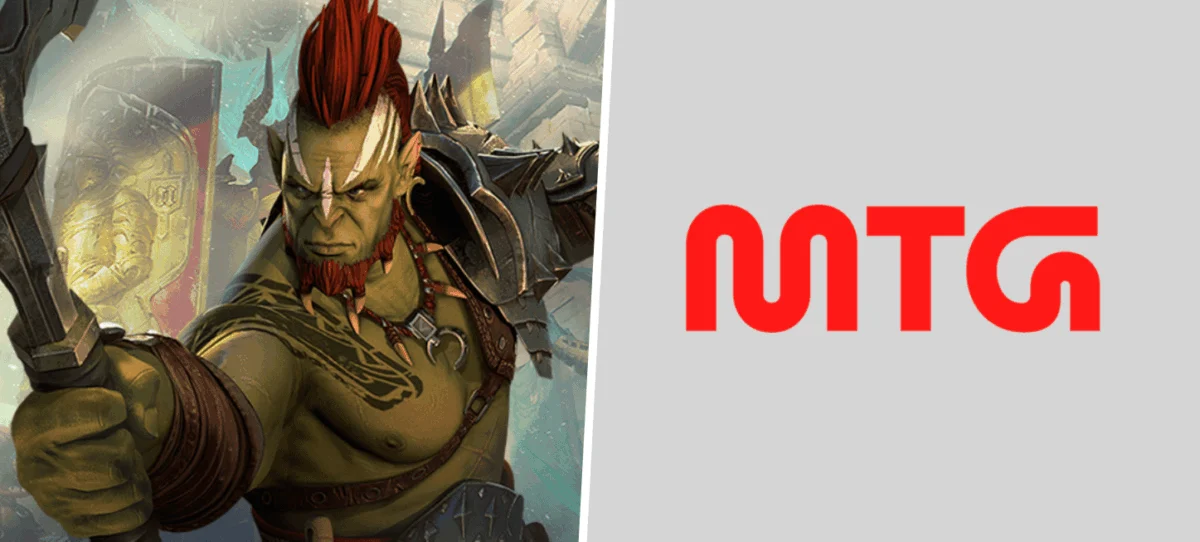
Modern Times Group (MTG), the international mobile gaming group headquartered in Sweden, has officially announced the rebranding of its midcore gaming division as Playamp, a strategic move designed to consolidate its most prominent development studios under a single, unified identity. This restructuring brings together several high-profile gaming entities, including Plarium, InnoGames, Snowprint Studios, Hutch, Ninja Kiwi, and Futureplay, into a cohesive operational unit. Previously known within the organization as the "Midcore District," Playamp represents the core of MTG’s revenue generation, focusing on titles driven primarily by in-app purchases (IAP). This division will operate alongside Playsimple, MTG’s casual gaming arm, which focuses on advertising-driven revenue through word games and puzzles.
The rebranding marks a significant milestone in MTG’s evolution from a traditional media conglomerate into a pure-play gaming powerhouse. By establishing Playamp, the company aims to streamline its internal synergies, leveraging shared technological infrastructure while allowing its diverse studios to maintain their creative independence. The new branding will be reflected in MTG’s financial reporting starting from the third quarter of 2026, marking a permanent shift in how the company communicates its performance to investors and the broader market.
The Strategic Composition of Playamp
Playamp serves as the primary engine of MTG’s financial health, housing a portfolio of studios that have produced some of the most enduring hits in the mobile gaming industry. The division’s revenue is largely derived from "midcore" games—titles that offer more depth and complexity than casual games, often attracting a dedicated player base willing to invest in long-term progression.
Among the cornerstone studios is Plarium, the developer behind the global phenomenon Raid: Shadow Legends. Plarium’s contribution to the group is substantial, with Raid continuing to serve as a flagship title that drives high levels of engagement and monetization. Joining Plarium is InnoGames, the German developer famous for Forge of Empires, a title that has demonstrated remarkable longevity in the strategy genre.
The division also includes Snowprint Studios, the developers of Warhammer 40,000: Tacticus, which has seen rapid growth since its launch; Hutch, a specialist in automotive and racing games such as F1 Clash; Ninja Kiwi, the creators of the highly popular Bloons TD series; and Futureplay, known for titles like Merge Gardens. Together, these studios support a library of over 60 active games, benefiting from the shared resources provided by the Playamp umbrella.
Financial Performance and Market Dominance
The scale of Playamp within the MTG ecosystem cannot be overstated. According to the company’s 2025 financial disclosures, Playamp generated $953 million (SEK 9,039 million) in revenue. This figure represents approximately 78% of the group’s total annual revenue. Furthermore, the division contributed $240 million (SEK 2,278 million) in adjusted EBITDA (Earnings Before Interest, Taxes, Depreciation, and Amortization), accounting for 86% of the group’s total adjusted EBITDA.
These figures highlight the efficiency of the midcore model compared to the casual segment. While Playsimple remains a vital component of the group’s strategy—particularly in diversifying revenue streams through advertising—Playamp is the primary driver of profitability. The decision to rebrand the Midcore District as Playamp reflects the need for a brand that matches the scale and professional stature of the businesses it encompasses.
The most recent quarterly data further reinforces this dominance. In Q2 of the current fiscal year, MTG reported its seventh consecutive quarter of sequential revenue growth. Raid: Shadow Legends remained a standout performer, generating $111 million (SEK 1,076 million) in the second quarter alone. This represented a 9% year-over-year increase, an impressive feat considering the title was coming off an exceptionally high-performing first quarter.
Technological Infrastructure and the DTC Revolution
A central component of the Playamp strategy is the implementation of shared central tools. Rather than requiring each studio to develop its own proprietary backend for every function, Playamp provides a centralized hub for marketing, data infrastructure, and artificial intelligence development. This allows smaller studios within the group, such as Snowprint or Futureplay, to access the same high-level data analytics and AI-driven user acquisition tools as larger entities like Plarium.
Perhaps the most significant technological development within Playamp is its aggressive push toward direct-to-consumer (DTC) platforms. This initiative includes the development of MTG’s own game launcher, dedicated webstores for individual titles, and the implementation of "user-choice billing." By bypassing traditional app store platforms like the Apple App Store and Google Play Store, MTG is able to avoid the standard 30% commission fees typically charged by platform holders.
The success of this strategy is evident in the data: MTG reports that 51% of Playamp’s total revenue now comes from these direct-to-consumer channels. This high percentage of DTC revenue is an industry-leading figure, as many mobile gaming companies struggle to migrate more than 10-15% of their player base away from traditional app stores. This shift not only improves profit margins but also gives Playamp more direct control over the player relationship and data, allowing for more personalized marketing and loyalty programs.
Evolution and Chronology of MTG’s Gaming Pivot
The formation of Playamp is the culmination of a decade-long transformation for Modern Times Group. To understand the significance of this rebrand, one must look at the chronology of MTG’s strategic shifts:
- 2016–2017: MTG begins its aggressive expansion into gaming and esports, acquiring a majority stake in InnoGames and purchasing the mobile developer Kongregate.
- 2018–2020: The company continues to acquire specialized studios, including racing game expert Hutch and the tower defense specialist Ninja Kiwi. During this period, MTG begins to shift its focus away from traditional television and radio assets.
- 2021: MTG makes its largest acquisition to date by purchasing Plarium for approximately $1.1 billion. This acquisition fundamentally changed the company’s financial profile, making midcore games its primary revenue source.
- 2022: MTG completes its divestment from the esports sector by selling ESL Gaming and DreamHack to the Savvy Games Group (backed by Saudi Arabia’s Public Investment Fund) for $1.05 billion. This move officially transitioned MTG into a pure-play mobile gaming group.
- 2023–2024: The company focuses on "LiveOps" and cross-studio synergies, establishing the internal "Districts" (Midcore and Casual) to manage its growing portfolio.
- 2025: The rebranding of the Midcore District to Playamp is announced, signaling a new era of integrated operations and a heavy focus on DTC revenue.
Executive Perspectives and Operational Philosophy
The leadership at MTG views Playamp not merely as a corporate label, but as a facilitator of growth. MTG Group President and CEO Maria Redin emphasized that the goal of the restructuring is to empower individual studios. According to Redin, the infrastructure provided by Playamp is intended to drive growth and operational efficiency "while preserving the unique cultures and identity" of each studio. This "hands-off but supported" approach is seen as vital in an industry where creative talent often resists overly centralized corporate interference.
Oliver Bulloss, the CEO of Playamp, highlighted the operational scale of the division. He noted that the shared services provided by Playamp now support more than 60 different titles. By centralizing marketing and AI integration, Playamp can optimize user acquisition costs—a critical factor in a mobile market where privacy changes (such as Apple’s App Tracking Transparency) have made finding new players more expensive and difficult.
Broader Industry Implications and Analysis
The rebranding of Playamp reflects broader trends within the global mobile gaming industry. As the market matures, the "house of brands" model—where a parent company owns several semi-autonomous studios—is becoming the standard for large-scale publishers. Companies like Embracer Group, Stillfront, and Zynga (now part of Take-Two Interactive) have followed similar paths.
However, MTG’s specific focus on direct-to-consumer revenue sets Playamp apart from many of its peers. The 51% DTC revenue milestone suggests that Playamp has successfully navigated the "platform wars." By building robust web platforms and launchers, Playamp is less vulnerable to policy changes by Apple or Google. This autonomy is increasingly seen as a hedge against the volatility of the mobile ecosystem.
Furthermore, the integration of AI across 60 titles suggests that Playamp is positioning itself to lead in "LiveOps" (Live Operations). In modern mobile gaming, the launch of a game is only the beginning; the ability to constantly update content, analyze player behavior in real-time, and offer personalized in-game purchases is what determines long-term success. Playamp’s centralized data infrastructure allows its studios to implement these features more rapidly and effectively than they could as standalone entities.
Future Outlook
As MTG prepares to transition its financial reporting to the Playamp and Playsimple names in 2026, the company appears well-positioned to maintain its growth trajectory. The focus for the coming years will likely remain on expanding the DTC footprint and exploring further acquisitions that fit the midcore profile.
With Raid: Shadow Legends continuing to show resilience and newer titles like Warhammer 40,000: Tacticus gaining momentum, Playamp has a diversified portfolio that mitigates the risk of relying on a single "hit" product. The consolidation under the Playamp brand is a clear signal to the market that MTG intends to compete at the highest levels of the gaming industry, leveraging a mix of creative excellence and sophisticated technological backbone to drive value for its shareholders and players alike.
About the Author