The global video game industry continues to navigate a landscape marked by significant corporate restructuring, evolving digital ethics, and persistent labor challenges, punctuated by moments of independent innovation and crucial preservation victories. This past week saw a stark juxtaposition of these trends, with major players like Netflix and Amazon making moves that generated both concern and controversy, while a small indie title celebrated a major sales milestone and a vital preservation project gained renewed momentum. The ongoing volatility underscores a sector in constant flux, where rapid technological advancements and shifting market demands often clash with developer well-being and consumer trust.
Corporate Restructuring and Workforce Impact: A Turbulent Landscape
The trend of corporate consolidation and subsequent rationalization continued to send ripples through the game development community, with two prominent announcements highlighting the precarious nature of studio life under larger entities.
Netflix’s Gaming Ambitions Hit a Snag: Night School and Moonloot Closed
Netflix, the streaming giant that has been aggressively expanding its footprint in the video game sector, announced the closure of two more internal studios: Night School Studio, known for its critically acclaimed narrative horror game Oxenfree, and the lesser-known Moonloot Games. This decision comes despite recent public praise from Netflix co-CEO Greg Peters for Night School’s latest horror title, Unhinged, which he lauded as one of the platform’s most successful cloud game launches to date. The abrupt closure, following such high-level commendation, has left many within the industry questioning the stability and long-term strategy of Netflix’s gaming division.
Netflix initially ventured into gaming in 2021, acquiring Night School Studio in September of that year as part of a broader strategy to offer ad-free mobile games to its subscribers. This move was framed as an added value proposition to combat subscriber churn and diversify its entertainment offerings. Over the subsequent years, Netflix invested heavily, acquiring several other studios including Boss Fight Entertainment and Next Games, and establishing internal development teams like Moonloot Games. The company’s vision included not only mobile titles but also a nascent cloud gaming service, signaling ambitions to compete in a broader gaming market. However, this expansion has not been without its challenges. The closure of Night School and Moonloot follows previous studio shutdowns, such as Spry Fox in 2023, indicating a pattern of strategic adjustments and a potentially difficult path to profitability in the highly competitive gaming space. The paradox of Unhinged‘s reported success immediately preceding its developer’s shutdown highlights a disconnect, suggesting that individual project performance may not always guarantee studio longevity within larger corporate frameworks, especially when broader strategic realignments are at play. Industry analysts speculate that Netflix may be re-evaluating its approach to internal game development, potentially favoring external partnerships or a more focused portfolio in the face of ongoing economic pressures and a highly competitive streaming market.
Widespread Layoffs Continue: Supermassive Games’ Third Round in Three Years
The wave of layoffs that has swept across the video game industry in recent years shows no signs of abating. Supermassive Games, the UK-based studio renowned for its narrative horror titles like Until Dawn and The Dark Pictures Anthology, confirmed plans for a third round of redundancies in as many years, affecting up to 75 employees. The studio stated that these cuts are necessary to "ensure the sustainability of the company," a familiar refrain heard across the industry as developers grapple with rising production costs, shifting market demands, and heightened competition. When pressed for details regarding the total number of employees remaining after the cuts, a company spokesperson declined to comment, fueling concerns about the studio’s long-term workforce stability.
Supermassive’s repeated restructuring reflects a broader trend impacting mid-sized studios globally. The studio, which saw a majority stake acquired by Nordisk Games in 2022, has been a significant player in the horror genre, building a loyal fanbase. However, even established studios with niche appeal are not immune to the economic pressures driving industry-wide layoffs. The years 2023 and 2024 have been particularly brutal for game developers, with an estimated over 10,000 job losses in 2023 alone, and preliminary figures for 2024 indicating a continuation of this trend. Major publishers, including Microsoft (which announced 1,900 layoffs earlier this year), Sony, Unity, and Embracer Group, have all undertaken significant workforce reductions. These repeated rounds of layoffs, especially within a relatively short timeframe, raise questions about the efficacy of such measures in ensuring long-term stability and the profound human cost borne by the affected individuals and their families. The phrase "ensuring sustainability" often serves as corporate shorthand for reducing overheads, but its impact on morale, creative output, and the overall health of the development pipeline is a growing concern for many within the industry.
Data Privacy and Labor Rights in Focus: The Battle for Control
Beyond the immediate impact of job losses, the industry is also grappling with critical ethical questions surrounding data privacy and the burgeoning movement for labor rights.
Twitch’s AI Initiative Ignites Data Privacy Concerns
Twitch, the dominant live-streaming platform for gamers and creators, ignited a fresh wave of controversy by confirming its intention to harvest user data to train the generative AI models of its parent company, Amazon. What particularly drew criticism was the revelation that all users would be opted-in to sharing their content for training purposes by default, with no clear opt-out mechanism. Mike Minton, Twitch’s chief product officer, candidly admitted the rationale behind this decision, stating, "if it was opt-in nobody would opt-in." This statement, while perhaps honest, has further eroded user trust and intensified the ongoing debate about data ownership and consent in the age of artificial intelligence.
Amazon, a behemoth in cloud computing and AI research through its AWS division, has been aggressively expanding its generative AI capabilities across various services. This move by Twitch is seen as a direct pipeline to feed vast amounts of unique, user-generated content into Amazon’s AI models, potentially accelerating their development. However, the decision to make data sharing an opt-out by default (or rather, no opt-out at all) has sparked outrage among streamers, viewers, and privacy advocates. Concerns range from the potential for AI models to replicate or plagiarize creator content without explicit compensation or attribution, to broader worries about the scope and security of personal data being used for commercial purposes. Critics argue that such policies undermine the autonomy of content creators and set a dangerous precedent for how platforms interact with their user base. Legal experts are already examining whether such blanket policies comply with evolving data protection regulations like GDPR in Europe or CCPA in California, which emphasize transparency and user consent. The implications for the future of creative content, intellectual property rights, and user-platform relationships are significant, potentially leading to further calls for stronger regulatory oversight and renewed efforts by creators to seek alternative platforms that prioritize user control over data.
Union Power Grows: CWA Protests Xbox Layoffs at Bethesda
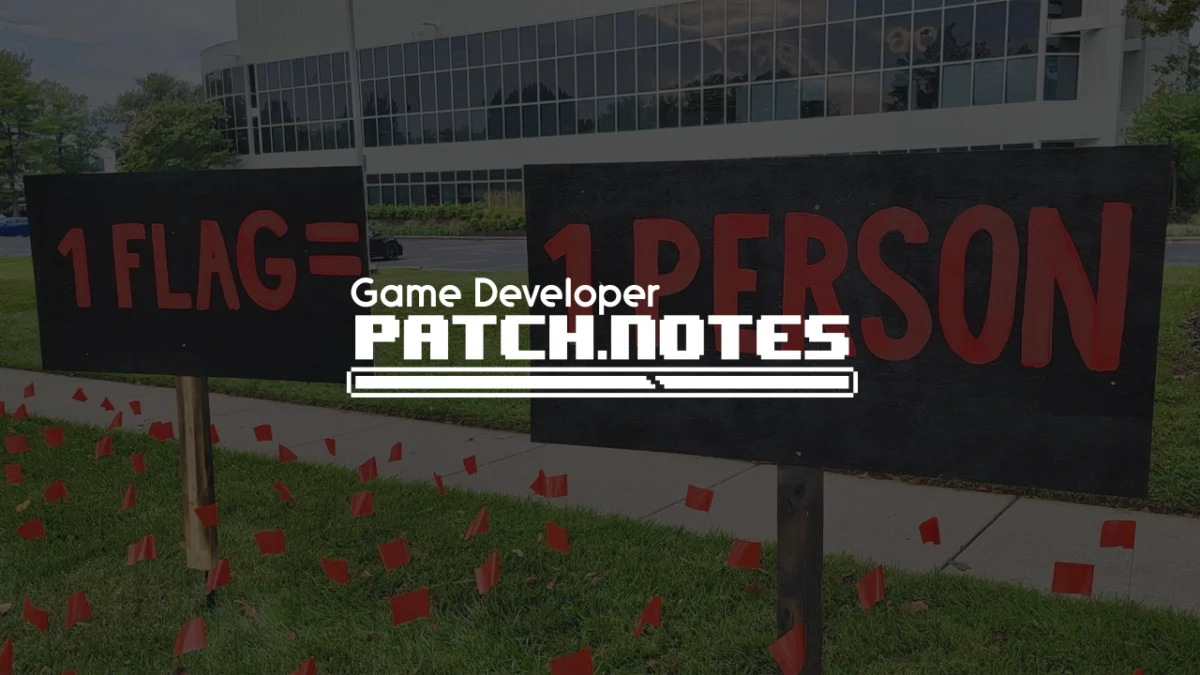
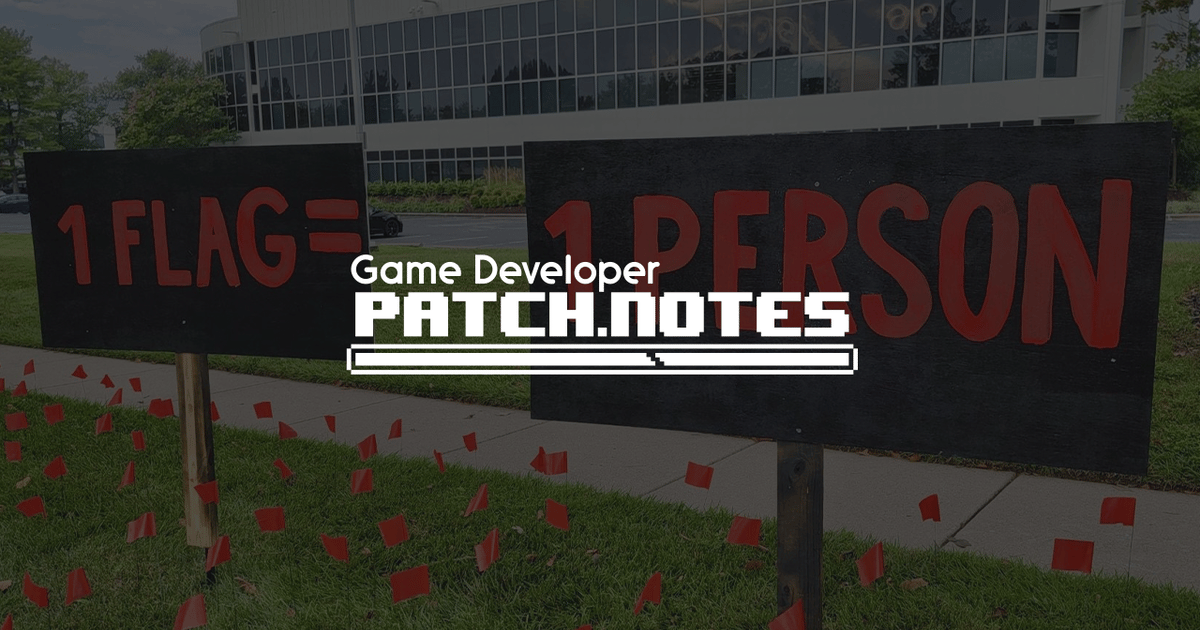
In a powerful display of growing labor solidarity within the gaming industry, workers affiliated with the Communications Workers of America (CWA) union staged a highly visible protest outside Bethesda’s Rockville office. The demonstration, aimed at Xbox boss Asha Sharma during her visit, featured the iconic "Scabby the Rat" – a giant inflatable rat often used in labor protests to symbolize unfair labor practices – and a sea of red flags, each representing an individual laid off by the Xbox maker. Sharma’s social media posts during her visit, which focused on the promising development of the next Elder Scrolls title, were widely perceived as an attempt to divert attention from the significant protest unfolding just outside the studio gates.
This protest is the latest in a series of actions by the CWA, which has been instrumental in organizing workers across various video game studios under Microsoft’s umbrella, including ZeniMax (Bethesda’s parent company). The unionization efforts gained significant traction following Microsoft’s acquisition of Activision Blizzard, and subsequent widespread layoffs that impacted thousands of employees across Xbox, Activision Blizzard, and ZeniMax. The CWA has consistently advocated for fair severance packages, job security, and a voice for workers in corporate decision-making processes, particularly concerning layoffs. The use of "Scabby" and the symbolic red flags served as an unmissable visual reminder of the human cost of corporate restructuring, putting direct pressure on executives like Sharma to acknowledge the impact of their decisions. This growing labor movement signals a fundamental shift in the power dynamics within the industry, challenging the long-standing norm of unbridled corporate authority over employment. It suggests that developers are increasingly willing to organize and demand better treatment, potentially leading to more robust collective bargaining agreements and a re-evaluation of how companies manage their workforces during periods of economic uncertainty. The protest at Bethesda underscores that while executives may attempt to control the narrative, the collective voice of organized labor is becoming increasingly difficult to ignore.
Glimmers of Success and Preservation Efforts: Bright Spots Amidst Challenges
Despite the dominant narrative of closures and controversies, the week also offered encouraging news, highlighting the enduring appeal of innovative gameplay and the critical importance of safeguarding digital heritage.
Indie Triumph: Big Walk Achieves Million-Selling Milestone
In a refreshing counterpoint to the corporate struggles, the charming sensory stroller Big Walk achieved a remarkable milestone, selling over 1 million copies worldwide in just six days. Developed by House House, the acclaimed studio behind the viral sensation Untitled Goose Game, Big Walk invites players to explore the great outdoors, collaborate, and simply "have the craic" with friends. Its rapid success demonstrates the power of unique gameplay concepts, strong word-of-mouth, and the continued appetite for unconventional indie titles that prioritize experience and social interaction over high-octane action.
House House garnered international recognition with Untitled Goose Game in 2019, a game that similarly defied genre conventions by tasking players with causing mischief as a mischievous goose. Its widespread critical and commercial success proved that originality and charm could captivate a global audience, selling over 1 million copies within its first year. The swift success of Big Walk not only validates House House’s distinct approach to game design but also reinforces the vibrant health of the independent gaming sector. In an era where AAA development costs soar and market saturation makes breakout hits increasingly challenging, Big Walk‘s achievement stands as a testament to the fact that compelling ideas, executed with passion and a clear vision, can still resonate deeply with players. Its focus on cooperative exploration and relaxed social gameplay offers a stark contrast to the competitive, high-stress environments often found in mainstream titles, carving out a niche that many players clearly appreciate. This success story offers hope and inspiration for other independent developers striving to create meaningful and impactful gaming experiences outside the confines of large publishers.
A Win for History: UNC Greensboro’s Game Preservation Project Revitalized
Finally, some unequivocally positive news emerged from the academic world, as a crucial game preservation project at the University of North Carolina Greensboro (UNC Greensboro) regained significant momentum. The initiative, focused on making digital video game titles accessible through public libraries, had previously been hampered by funding cuts implemented during the administration of former U.S. President Donald Trump. The resurgence of support for this project marks a vital step forward in recognizing video games as a significant cultural and historical medium deserving of systematic preservation.
The importance of digital game preservation cannot be overstated. Unlike physical media, digital games are susceptible to obsolescence due to changing hardware, software, and online service requirements. Without dedicated efforts, countless early digital titles, which represent significant milestones in interactive storytelling, technological innovation, and cultural impact, risk being lost forever. Historically, funding for arts and humanities projects, including digital preservation, faced significant reductions during the Trump administration, impacting numerous cultural institutions and initiatives across the United States. The renewed impetus for UNC Greensboro’s project, led by advocates like Nicole Carpenter, signifies a recognition of the long-term value of these digital artifacts. It also highlights the critical role that academic institutions and public libraries can play in ensuring that future generations have access to and can study the rich history of video games. This victory for preservationists is not just about saving old code; it’s about safeguarding a rapidly evolving art form and ensuring its legacy as a cultural touchstone for generations to come, allowing for historical research, academic study, and public enjoyment of these digital treasures.
Conclusion: An Industry at a Crossroads
This past week’s developments paint a comprehensive picture of a video game industry in constant flux, grappling with significant internal and external pressures. The closures of Netflix’s studios and Supermassive Games’ continued layoffs underscore the economic fragility faced by many developers, even those with critically acclaimed titles or stable backing. Concurrently, the controversies surrounding Twitch’s AI data harvesting and the CWA’s forceful protest at Bethesda highlight a growing demand for greater transparency, ethical conduct, and worker protections from both consumers and employees. Yet, amidst these challenges, the breakout success of Big Walk and the revitalization of the UNC Greensboro game preservation project serve as powerful reminders of the industry’s inherent creativity, resilience, and its profound cultural significance. As the sector continues to evolve, the balance between corporate profitability, technological advancement, and the well-being of its creators and consumers will undoubtedly remain a central, defining challenge.
About the Author