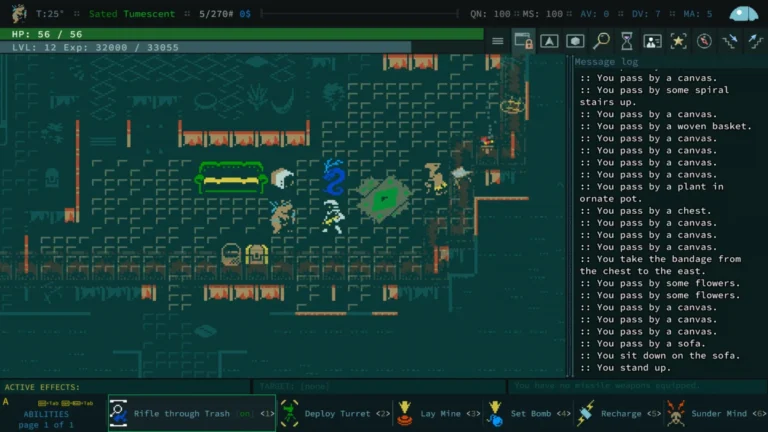
Netflix has confirmed the closure of two of its internal game development studios: Night School Studio, known for the critically acclaimed Oxenfree series, and Helsinki-based Moonloot. The announcement, made on Thursday, also revealed further "elimination of additional games roles" across the company’s broader games division. While Netflix declined to provide specific figures regarding the number of employees impacted by these layoffs, the news was initially reported by Game File, signaling a significant recalibration of the streaming giant’s ambitious foray into the video game industry.
A Shifting Strategy and the Fate of Acquired Studios
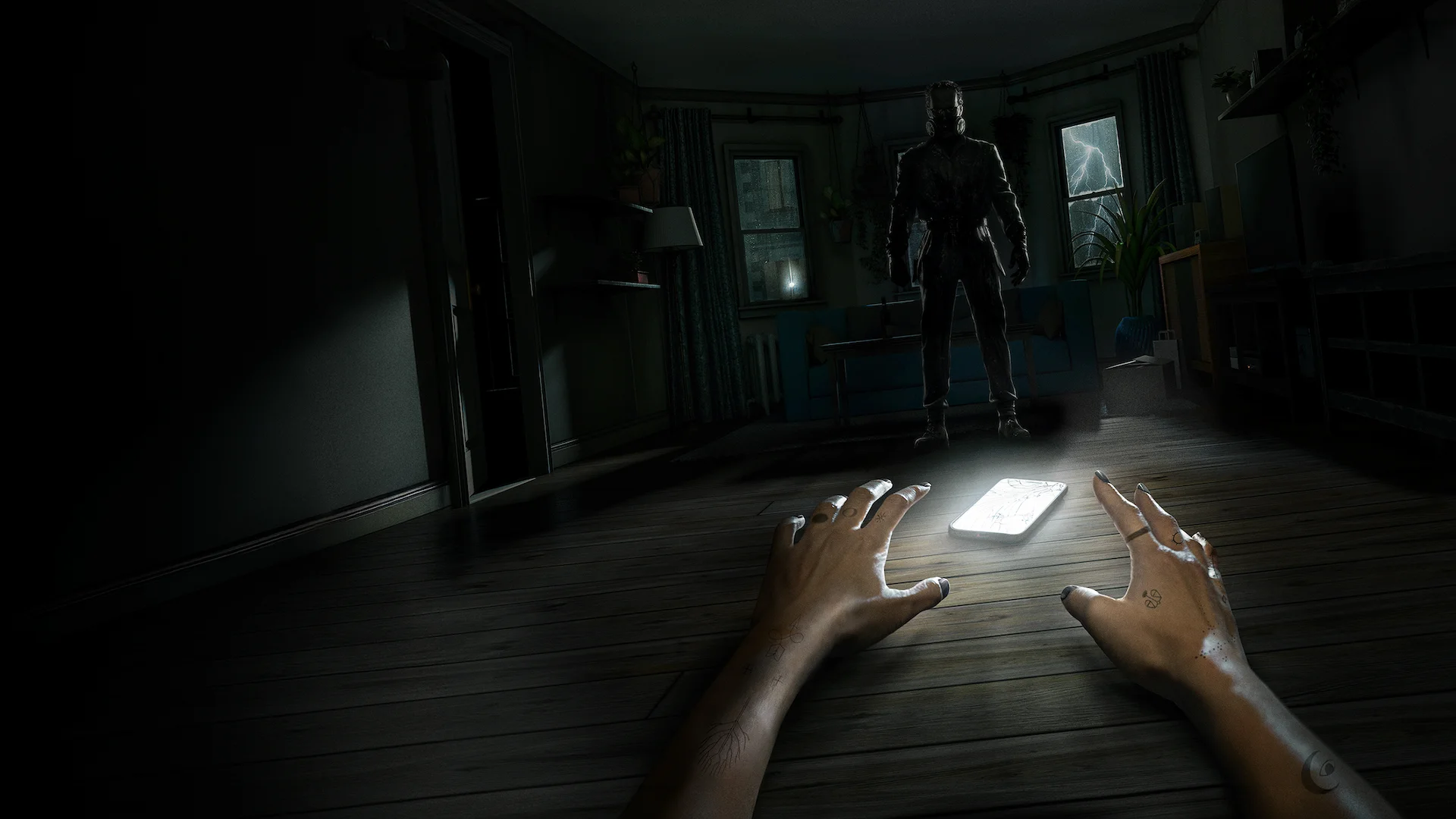
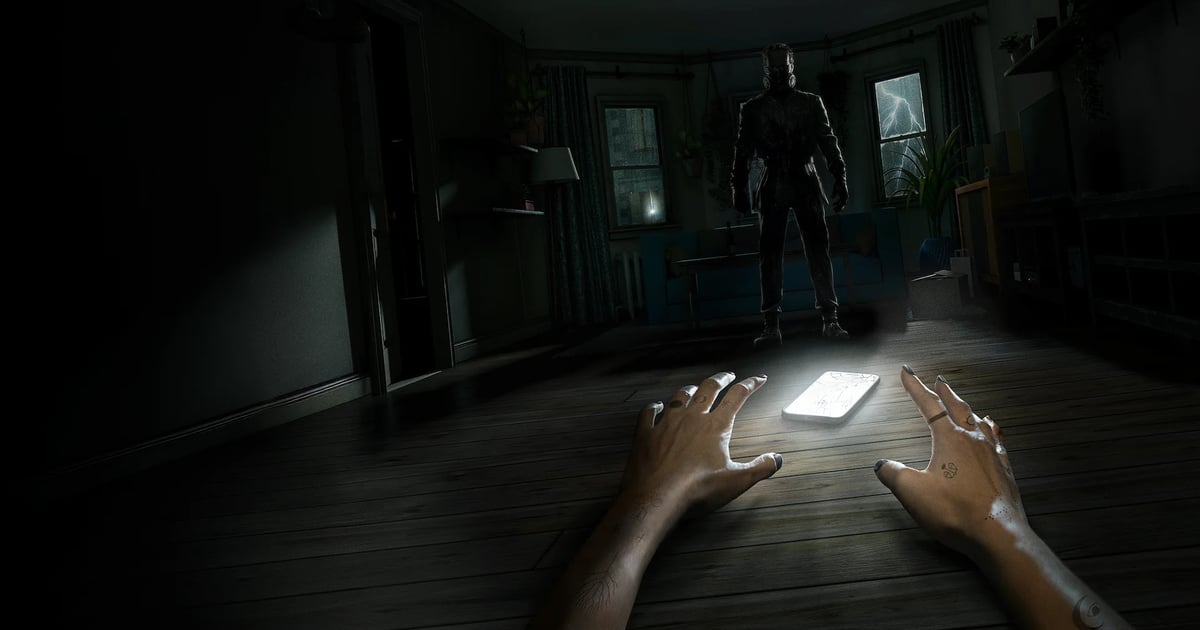
The decision to shutter Night School Studio is particularly noteworthy, given its status as Netflix’s very first game studio acquisition in September 2021, a move that heralded the streaming service’s official launch into the gaming sector. At the time, the acquisition was seen as a bold statement of intent, signaling Netflix’s commitment to developing high-quality, narrative-driven experiences for its subscribers. Night School Studio had garnered significant acclaim for its debut title, Oxenfree, released in 2016, a supernatural thriller praised for its unique dialogue system and atmospheric storytelling. Following its acquisition, the studio released Oxenfree II: Lost Signals, which Netflix published, and more recently, the interactive horror game Unhinged in late June, just weeks prior to the studio’s closure.
Unhinged represented an innovative approach to interactive entertainment, designed to be played on a browser or television with a personal smartphone serving as the controller. It boasted an impressive voice cast, including Zoë Kravitz, Sadie Sink, and Troy Baker, highlighting Netflix’s investment in bringing celebrity talent to its gaming ventures. The abrupt closure of the studio so soon after the release of a high-profile project underscores the rapid and sometimes brutal pace of strategic shifts within the competitive entertainment landscape.
Moonloot, on the other hand, was an internally established studio, "spun up" by Netflix in 2022. Unlike Night School Studio, Moonloot had no announced projects, though reports suggested it was working on a game described as being in the vein of the popular life-simulation series Animal Crossing. Its closure before any public debut of its work reflects a streamlining effort, focusing resources away from unproven ventures.
A Netflix representative articulated the company’s rationale, stating, "Games continue to be an opportunity for us to expand the variety of entertainment we offer Netflix members, and we’ve built solid foundations in our key focus areas. As we continue to prioritize these areas, we see an opportunity to be more focused in our execution, so we are making organizational changes to the business to match those priorities." The spokesperson added that Netflix remains "excited about the momentum" of cloud and kids games, alongside continued investment in party games, narrative games (ironically, the genre Unhinged exemplified), and mainstream games.
Netflix’s Gaming Ambitions: A Rocky Path Since 2021
Netflix officially launched its games business in November 2021, offering a curated selection of mobile games to its subscribers at no additional cost and without advertisements or in-app purchases. The initial strategy leaned heavily into mobile gaming, leveraging the ubiquity of smartphones among its vast subscriber base. The acquisition of Night School Studio was the cornerstone of this initial push, intended to bring established development talent in-house to create exclusive content.
However, the journey has been far from smooth. Despite the significant investment and ambition, Netflix has faced the daunting challenge of integrating gaming into a streaming-first ecosystem and convincing its subscribers to engage with games through its platform. Data from analytics firm Apptopia in 2022 indicated relatively low engagement, with less than 1% of Netflix’s total subscribers playing its games daily. While Netflix has not released detailed engagement metrics, this early data suggested a struggle to convert passive viewers into active players.
Over the past few years, Netflix’s strategy has visibly shifted, moving away from an exclusive focus on mobile games towards a broader portfolio that includes casual and party games designed for shared play on televisions, as well as an increased interest in cloud gaming and content for children. This pivot indicates an acknowledgment of the difficulties in establishing a strong mobile-only gaming presence against entrenched competitors and a desire to leverage the communal viewing experience inherent to its streaming service.
A Pattern of Acquisitions and Divestments
The closures of Night School Studio and Moonloot are not isolated incidents but rather the latest in a growing pattern of divestments and restructuring within Netflix’s gaming division. Since its initial acquisition spree, Netflix has systematically shuttered or spun off most of the studios it brought into its fold:
- Team Blue: Reportedly working on a "AAA" first-person game, this studio was shut down in 2024. The closure highlighted the company’s apparent reluctance to commit to large-scale, high-budget game development, which typically entails long development cycles and substantial financial risk.
- Boss Fight Entertainment: The developer of Squid Game: Unleashed, this studio was shuttered in October 2023. The closure of a studio working on a game based on one of Netflix’s most globally successful IPs further illustrates the company’s willingness to make swift, decisive cuts when projects or studios do not align with evolving strategic priorities or performance metrics.
- Spry Fox: The studio behind the charming life-sim Cozy Grove, Spry Fox split from Netflix in December 2023. In a notable move, co-founders Daniel Cook and David Edery successfully bought back their company, regaining independence. This unique outcome suggests that not all studio relationships ended in outright closure, but rather a re-evaluation of mutual benefits.
With these recent closures and separations, Next Games, the developer of Netflix Minigolf, stands as the only remaining acquired studio under Netflix’s direct ownership, aside from its core internal games team. This leaves Netflix with a significantly leaner internal development capacity than initially envisioned, shifting its focus towards partnerships and external collaborations.
External Partnerships and Broader Industry Headwinds
Netflix’s evolving strategy appears to place a greater emphasis on partnerships with established game publishers and developers. A prime example is its collaboration with Take-Two Interactive and Rockstar Games, which will see an "extended look" trailer for the highly anticipated Grand Theft Auto 6 debut exclusively on Netflix for a six-hour window. This move positions Netflix not just as a content creator but also as a significant marketing and distribution platform for major gaming titles. Furthermore, Rockstar Games’ Grand Theft Auto: The Trilogy – The Definitive Edition (packaging up three classic Grand Theft Auto games) became available on mobile via Netflix in 2023, showcasing a strategy of licensing popular existing IPs to bolster its gaming library.
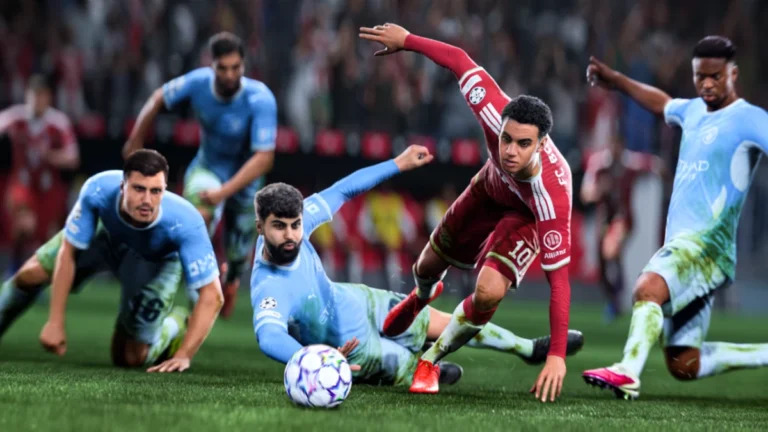
These internal studio closures also occur against a backdrop of widespread layoffs and restructuring across the broader video game industry. August alone saw at least five other prominent studios laying off workers, including CD Projekt Red (developers of The Witcher series and Cyberpunk 2077), That’s No Moon, Supermassive Games (Until Dawn, The Dark Pictures Anthology), Lightspeed, and Refactor Games. The latter, an external studio responsible for FIFA World Cup: Launch Edition for Netflix, laid off 85% of its employees just weeks after the game’s release, underscoring the precarious nature of external development contracts and the intense pressures facing the industry.
The surge in layoffs across the gaming sector in 2023 and 2024 is attributed to several factors: a post-pandemic correction after a period of rapid growth and over-hiring, rising development costs, increased competition, and a challenging global economic environment. Netflix’s actions, while specific to its own strategic recalibrations, resonate with this wider trend of consolidation and cost-cutting.
Implications for Netflix’s Future in Gaming
The closures of Night School Studio and Moonloot, coupled with the previous divestments, signal a significant shift in Netflix’s approach to gaming. What began as an ambitious strategy to build a robust internal development capability has seemingly morphed into a more selective, partnership-driven model. This pivot raises several questions about the long-term viability and direction of Netflix’s gaming division.
While the company maintains its commitment to expanding entertainment offerings for its members, the emphasis now appears to be on efficiency, focused execution, and leveraging established intellectual property through licensing agreements. This could mean fewer experimental or internally developed titles and a greater reliance on popular, mainstream games that can attract a broader audience and potentially increase subscriber engagement without the overhead of maintaining multiple internal studios.
For developers, the fluctuating fortunes of Netflix’s gaming venture offer a cautionary tale about the volatility of the industry and the challenges of integrating into a corporate structure primarily focused on streaming content. The closure of Night School Studio, especially after the release of a well-received and innovative game like Unhinged, highlights the difficult balance between creative ambition and commercial realities within a large, evolving corporation.
Ultimately, Netflix’s gaming journey continues to evolve. While the initial vision of a vast network of internal studios creating exclusive content appears to have been curtailed, the company is not abandoning games entirely. Instead, it is refining its strategy, aiming for a more targeted and potentially less capital-intensive approach, focusing on specific genres and leveraging the power of partnerships to solidify its place in the increasingly competitive world of interactive entertainment. The success of this revised strategy will hinge on its ability to deliver compelling games that genuinely enhance the Netflix subscriber experience and differentiate it in a crowded market.
About the Author