The extended reality (XR) landscape saw significant developments during the second week of August 2026, marked by a major software showcase, escalating legal and social scrutiny over wearable cameras, and leaks regarding Meta’s upcoming hardware. These events reflect a bifurcated industry: while the gaming ecosystem continues to mature with a steady stream of content, the hardware sector faces increasing friction as smartglasses move from niche enthusiast products to mainstream consumer devices, triggering concerns over privacy and public surveillance.
The August 2026 VR Games Showcase and Ecosystem Development
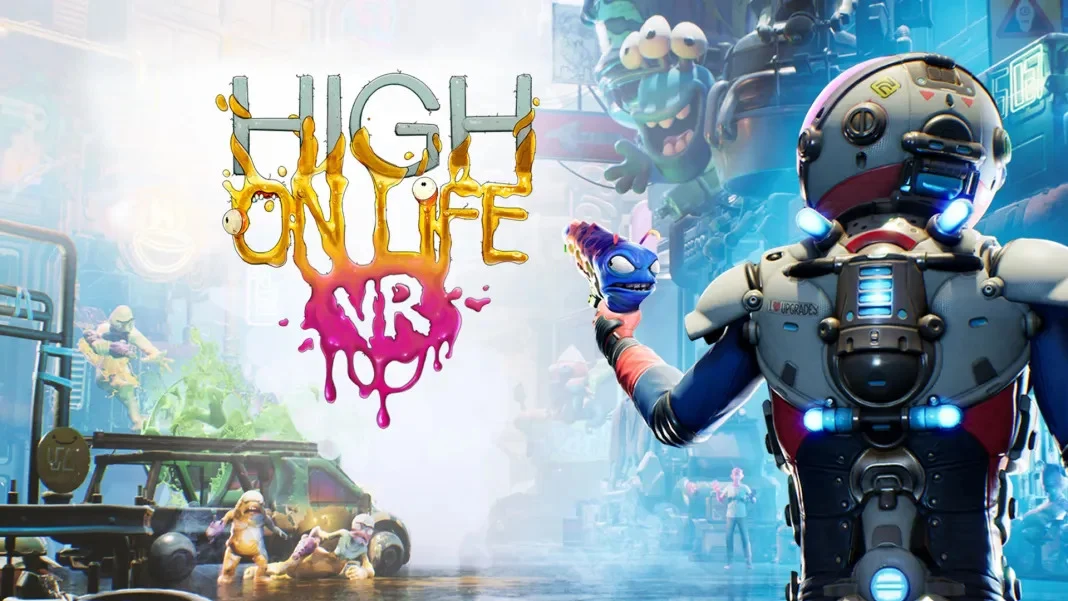
The VR Games Showcase served as a mid-year barometer for the health of the virtual reality gaming market. The event featured a series of announcements, trailers, and updates for both upcoming and existing titles, reinforcing the industry’s shift toward a sustainable, multi-platform release cycle. While analysts noted a lack of "platform-defining" triple-A reveals, the volume of high-quality "AA" titles suggested a more robust and less volatile development environment than in previous years.
A central highlight of the event was the introduction of the "New Essentials Bundle," a curated collection of titles designed to provide new headset owners with a foundational library. This move is seen as a strategic effort to lower the barrier to entry for high-quality VR content. Key content announcements included:
- D.E.C.A.Y.: A survival shooter inspired by the Fallout franchise, scheduled for early access release later this month.
- Job Simulator: Human Relations: A sequel to one of VR’s most iconic titles, signaling a return to the physics-based interaction models that defined the early era of consumer VR.
- Walkabout Dungeon Golfer: Following a successful teaser, this title was confirmed to be in full production, blending the popular mini-golf mechanics of its predecessor with dungeon-crawling elements.
Furthermore, Meta announced a price reduction for Beat Saber, lowering the cost from $29.99 to $19.99. This move is interpreted by industry experts as a strategy to pivot the game’s monetization model toward downloadable content (DLC) and music packs, leveraging the massive existing install base to drive long-term revenue.

Legal and Social Backlash Against Ray-Ban Meta Smartglasses
While software development remains steady, Meta’s hardware division is navigating a period of intense public and legal pushback regarding its Ray-Ban Meta smartglasses. The devices, which feature integrated cameras and AI capabilities, have become a flashpoint for privacy debates in Europe and the United Kingdom.
In a landmark decision, courts in England and Wales have officially banned the use of Meta’s smartglasses within judicial premises. The ban stems from concerns that the discreet nature of the glasses allows for unauthorized recording of sensitive proceedings, potentially compromising witness anonymity and the integrity of the legal process.
The social resistance has extended into the private sector. JD Wetherspoon, one of the United Kingdom’s largest pub chains, has implemented a ban on the glasses across its more than 800 locations. Public discourse surrounding the ban has been sharp, with some media outlets and patrons labeling the devices "pervert glasses" or "creep glasses." This terminology gained traction following reports of individuals using the glasses to record social interactions without consent, specifically in the context of "pick-up artist" communities.
Compounding these concerns is a recently surfaced patent granted to Meta. The patent describes a system wherein smartglasses could use facial recognition technology to identify individuals in a crowd and automatically generate social media "reels" or highlight videos. While Meta has not confirmed that this feature will be implemented in current consumer models, the existence of the patent has fueled fears regarding the normalization of pervasive, automated surveillance in public spaces.
Hardware Leaks: The Meta "Phoenix" and Eye-Tracking Integration
Technical leaks have provided a clearer picture of Meta’s next-generation hardware strategy. Documents and images leaked by industry insiders indicate that the upcoming headset, codenamed "Phoenix," will feature a sophisticated biometric security system known as "Phoenix Eye Unlock."

This feature allows users to authenticate their identity and unlock the device using iris or eye-scanning technology. The leak confirms two critical points for the XR market:
- Hardware Capability: The "Phoenix" headset will include integrated eye-tracking hardware, a feature previously reserved for the high-end Quest Pro.
- Privacy Protocol: To mitigate data security concerns, Meta’s internal documentation suggests that all biometric eye data will be processed and stored locally on the device rather than in the cloud.
The inclusion of eye-tracking is expected to significantly enhance performance through foveated rendering—a technique that only renders the area the user is looking at in high resolution—thereby allowing for more complex graphics on mobile chipsets.
Expansion and Community Innovations
The XR market is also seeing shifts in geographical influence and community-led infrastructure. Rokid, a prominent Chinese manufacturer of augmented reality (AR) glasses, has officially announced an expansion into the United States market. To support this move, Rokid launched a "Creator Program" aimed at incentivizing American content creators to develop and showcase AR applications using their hardware. This expansion represents a direct challenge to North American incumbents like Meta and Xreal.
On the community front, the "VR Mod" movement has reached a scale that required the creation of centralized infrastructure. A new searchable catalog was launched this week to track over 1,000 VR mods for flat-screen games. This repository, described as a "SideQuest for mods," highlights the growing trend of enthusiasts porting traditional PC games (such as The Legend of Zelda: Breath of the Wild and Mario Kart) into immersive environments, often outpacing official developer releases in terms of variety.
Broader Impact and Industry Implications
The events of this week underscore the maturation of the XR industry and the challenges that accompany mainstream adoption. The divergence between software success and hardware skepticism suggests that while consumers are eager for immersive entertainment, they remain wary of the privacy trade-offs inherent in wearable technology.

The legal bans in the UK may set a precedent for other jurisdictions, potentially leading to a fragmented regulatory environment for smartglasses. Meta’s response—distributing "Impact Grants" to 30 US-based entities to explore positive use cases for AI glasses—indicates an awareness of this friction. The company is clearly attempting to steer the narrative toward the utility of the devices in education, accessibility, and productivity to counter the "creep" factor.
As the industry moves toward the release of the Meta "Phoenix" and further AR integration from companies like Rokid and Apple, the primary hurdle remains social acceptance. The technology has reached a point of functional maturity, but the "social contract" regarding its use in public remains unwritten.
Summary of Secondary News
- Content Partnerships: Apple announced its schedule for live MLB immersive games for 2026, continuing its push for premium sports content on the Vision Pro.
- Publishing Shifts: Neem Interactive has been named the new publisher for Combat Waffle Studios, the developers behind the popular VR title Ghosts of Tabor.
- Health Observations: Community discussions on platforms like Reddit have highlighted a niche but growing concern regarding "VR acne," caused by prolonged contact with headset facial interfaces, prompting calls for better hygiene standards and material science in accessory manufacturing.
- Philanthropy: In a move reflecting the globalized nature of the tech community, various XR leaders have renewed calls for humanitarian support for the Red Cross in Ukraine, highlighting the industry’s ongoing engagement with global social issues.
About the Author