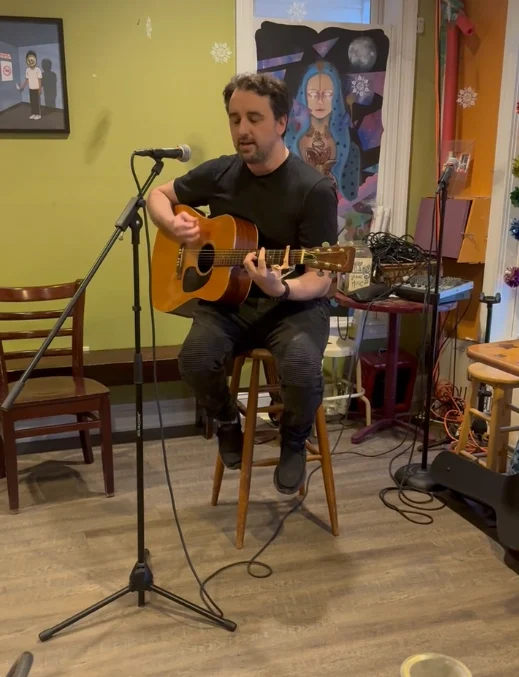
Philanthropist and technology entrepreneur [Speaker’s Name, if available, otherwise ‘the speaker’] today unveiled a comprehensive initiative aimed at revitalizing the American Dream, announcing an immediate $8 million in philanthropic donations and a long-term commitment of half his remaining wealth over the next five years. Speaking at the historic Cooper Union’s Great Hall in New York City alongside Lieutenant Colonel Alexander Vindman, the announcement centered on a "Pledge to Share the American Dream," culminating in a proposal for a new Guaranteed Minimum Income (GMI) program targeting impoverished rural communities across the United States. The initiative seeks to address widening wealth inequality and provide a foundational pathway to economic security for millions of Americans.
A Historic Venue for a Timely Discussion on National Values
The choice of Cooper Union’s Great Hall underscored the gravity and historical resonance of the discussion. Renowned as a crucible of American public discourse since its opening in 1859, the hall has hosted landmark speeches by figures ranging from Abraham Lincoln to Barack Obama, serving as a platform for pivotal debates on civil rights, labor reform, and social justice. Sharing the stage was Lieutenant Colonel Alexander Vindman, a decorated military veteran and former National Security Council official, whose public service and commitment to democratic ideals provided a powerful counterpoint to the evening’s focus on national values. The event, which also included a discussion on "the future of the American Dream," served as the public launch for a deeply personal and extensively researched vision articulated in the speaker’s recent blog essay, "Stay Gold, America."

The journey to this public declaration began for the speaker on November 7th, with the commencement of what he described as the most challenging piece he had ever written for his blog, active since 2004. This intensive period of reflection and research involved soliciting direct perspectives from numerous Americans on their understanding of the American Dream. A pivotal moment of clarity arrived later that November during a high school theatrical performance of S.E. Hinton’s classic novel, The Outsiders. Observing the narrative unfold, the speaker realized the profound meaning of the iconic phrase "stay gold"—not as an admonition for individual innocence, but as a call to communal responsibility: sharing the American Dream. This realization formed the philosophical bedrock of his subsequent essay, published on January 7th, and the philanthropic "Pledge to Share the American Dream" that accompanied it.
Redefining the American Dream in the 21st Century
The concept of the American Dream, first articulated by historian James Truslow Adams in 1931 amidst the throes of the Great Depression, envisioned "a land in which life should be better and richer and fuller for everyone, with opportunity for each according to ability or achievement." Adams stressed that this was "not a dream of motor cars and high wages merely, but a dream of social order in which [everyone] shall be able to attain to the fullest stature of which they are innately capable, and be recognized by others for what they are, regardless of the fortuitous circumstances of birth or position." This aspirational definition, born from a period of profound economic hardship where unemployment soared to nearly 25% and national income plummeted, posited a society built on meritocracy and shared prosperity rather than inherited privilege.
The speaker’s contemporary inquiry into this definition revealed a growing dissonance between the ideal and lived reality. He emphasized that the Dream is inherently incomplete if not universally accessible. "We cannot merely attain the Dream," he asserted. "The dream is incomplete until we share it with our fellow Americans. That act of sharing is the final realization of everything the dream stands for." This reinterpretation shifts the focus from individualistic achievement to collective responsibility, positioning access and equity as central tenets.

The Return of the "First Gilded Age" and Intensifying Inequality
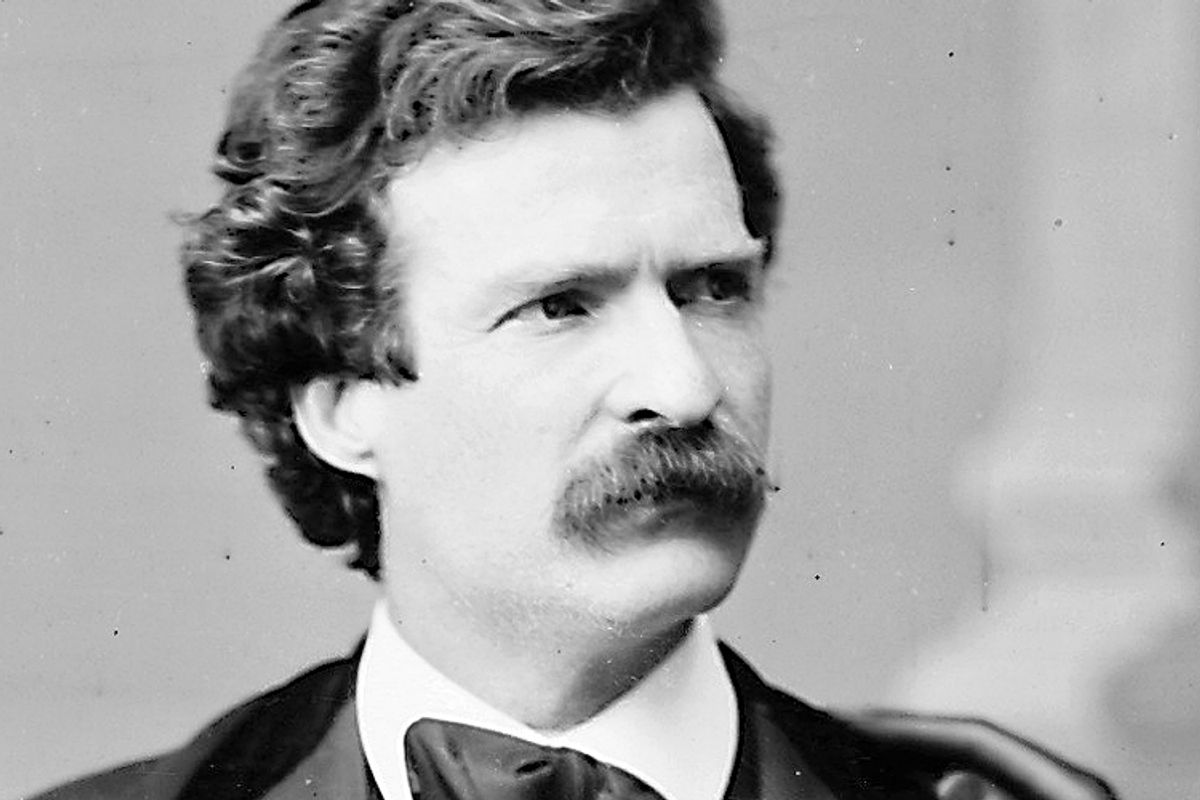
A significant driver behind this initiative is the alarming resurgence of extreme wealth concentration, which the speaker described as ushering in "The First Gilded Age." Drawing parallels to the late 19th-century American Gilded Age—a term coined by Mark Twain to describe an era of superficial prosperity masking deep social inequality and corruption—the speaker highlighted a concerning trend. The original Gilded Age (roughly 1870s-1900) was characterized by rapid industrialization, vast fortunes accumulated by a few industrialists, and stark poverty for many. Labor disputes, such as the deadly Homestead Strike of 1892, underscored the brutal realities for workers facing hazardous conditions, long hours, and minimal pay, often leading to violent clashes with private security forces like the Pinkertons.
The speaker cited a 2012 video by politizane, "Wealth Inequality in America," as an early awakening to the severity of this issue. He noted that by January 2025, the nation had entered a period of wealth concentration surpassing even the historical Gilded Age. Statistical data from 2021 indicated that the wealthiest 1% of households controlled a staggering 32% of all national wealth, while the bottom 50% collectively held a mere 2.6%. The speaker lamented that this disparity has only intensified in the subsequent four years, creating a modern economic landscape where the "pursuit of happiness" has become an insurmountable struggle for a significant portion of the populace.
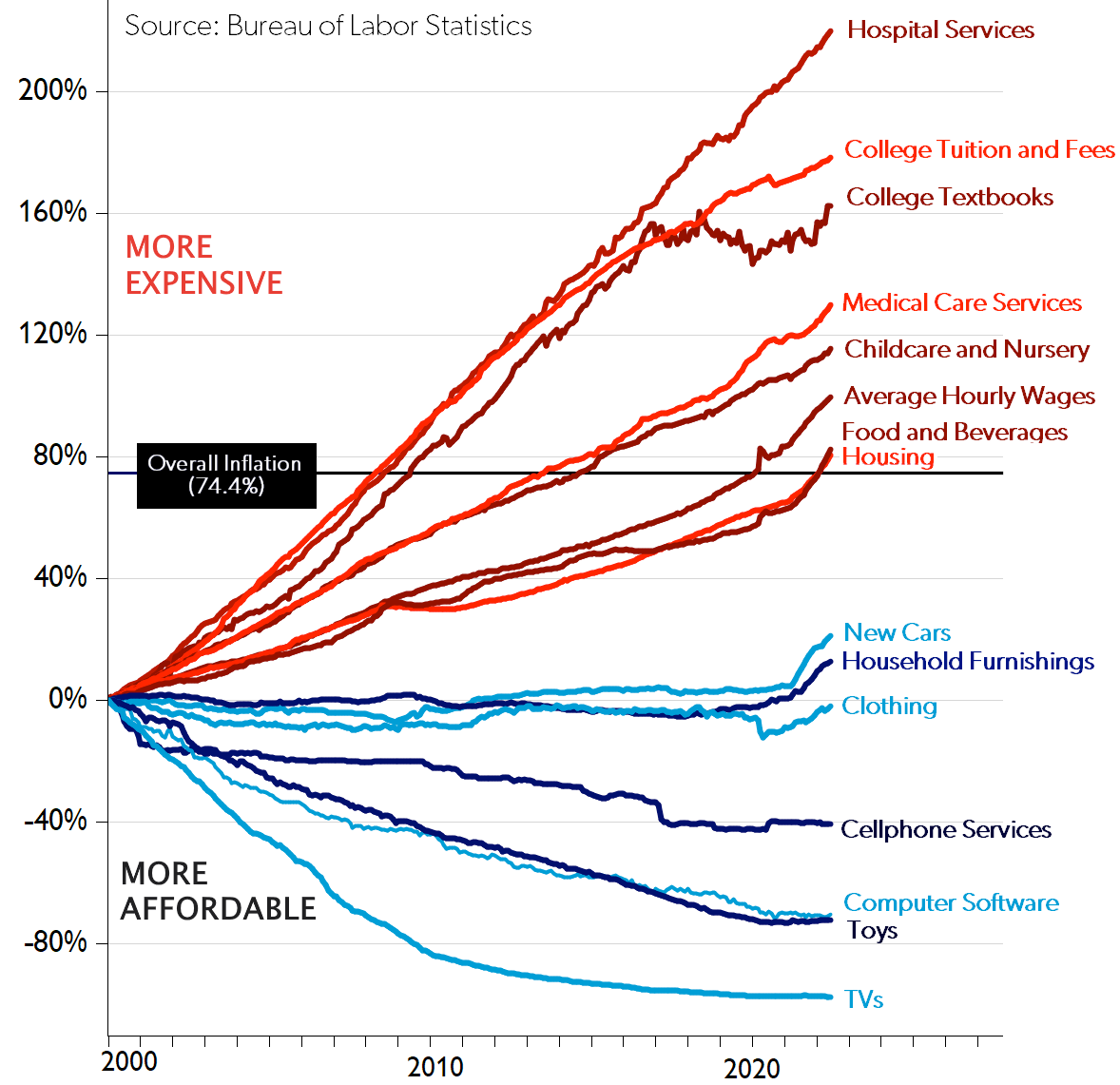
"Today, in our second Gilded Age, more and more people find their path to the American Dream blocked," the speaker articulated. He pointed to systemic barriers such as unaffordable education, inaccessible healthcare, and a severe lack of affordable housing, which trap individuals in cycles of debt and precarity. Student loan debt in the U.S. now exceeds $1.7 trillion, while medical debt remains a leading cause of bankruptcy. Housing costs have outpaced wage growth for decades, with the median home price rising significantly faster than median household income in many regions. "They have no stable foundation to build their lives… They don’t have time to build a career. They don’t have time to learn, to improve. They don’t get to start a business. They can’t choose where their kids will grow up, or whether to have children at all, because they can’t afford to." This dire situation, he argued, represents a "profound betrayal of everything we ever dreamed about" as a nation.
A Two-Fold Philanthropic Commitment: Short-Term Impact and Long-Term Systemic Change
To counter this deepening crisis, the "Pledge to Share the American Dream" outlines both immediate and long-term financial commitments. In the short term, the speaker’s family has made eight $1 million donations, totaling $8 million, to a diverse array of non-profit organizations addressing critical societal needs. These include Team Rubicon (disaster relief), Children’s Hunger Fund (food security), PEN America (free expression), The Trevor Project (LGBTQ+ youth crisis intervention), NAACP Legal Defense and Educational Fund (racial justice and educational equity), First Generation Investors (financial literacy for underserved youth), Global Refuge (refugee and immigrant support), and Planned Parenthood (reproductive healthcare services). This targeted immediate aid aims to alleviate acute suffering and support vital advocacy efforts across a spectrum of social issues.
Beyond direct social services, an additional $1 million was allocated to reinforce crucial technical infrastructure, supporting entities like Wikipedia, The Internet Archive, The Common Crawl Foundation, Let’s Encrypt, pioneering independent internet journalism, and various open-source software projects vital to global digital connectivity. This investment underscores a belief in the importance of freely accessible information and robust digital public goods as fundamental components of a modern, equitable society. The speaker urged all Americans to contribute, "however you can," to organizations effectively assisting those in need, emphasizing the collective responsibility in addressing immediate challenges.
However, recognizing that "short term fixes are not enough," the pledge’s more ambitious second act involves a long-term commitment. Over the next five years, the family has pledged half of their remaining wealth to foundational efforts designed to ensure equitable access to the American Dream for future generations. This significant commitment underscores a belief in systemic change that will unfold over decades, aiming to address root causes rather than merely symptoms. The precise mechanisms for deploying this wealth will be developed over time, but the overarching goal is to create enduring pathways to opportunity.
The speaker shared his own challenging path to success, noting his parents’ origins in deep poverty in Mercer County, West Virginia, and Beaufort County, North Carolina, and their family’s struggle to maintain a foothold in the middle class. Despite economic instability, he credits his parents’ unconditional love and the access to quality public education in Chesterfield County, Virginia, and an affordable state education at the University of Virginia as critical enablers. He highlighted the University of Virginia’s unique roots in Thomas Jefferson’s ideals of "Life, liberty, and the pursuit of happiness"—revolutionary words that define shared American values, even if the nation has not always lived up to them. This personal narrative reinforces the conviction that a stable foundation and support system are paramount for individuals to pursue their potential.
The Path Less Traveled: Championing Guaranteed Minimum Income
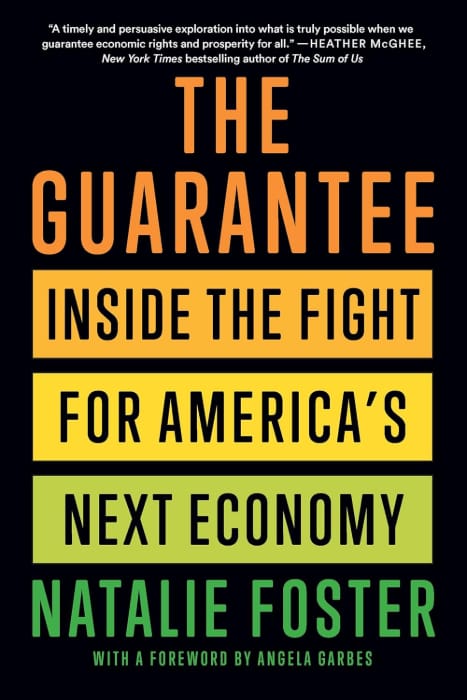
The core of the long-term strategy is the advocacy and implementation of a Guaranteed Minimum Income (GMI). The speaker referenced Natalie Foster, co-founder of the Economic Security Project and author of "The Guarantee," who champions GMI as a powerful mechanism to unlock "vast amounts of untapped American potential" by providing direct cash assistance in areas of greatest need, where money can have the most profound impact. Foster’s work highlights how GMI can reduce stress, improve health outcomes, and empower individuals to make choices that lead to greater economic stability.
This concept, while seemingly novel to some, has deep historical roots in American thought and policy:
- 1797: Thomas Paine, an architect of American independence, proposed a retirement pension funded by estate taxes, an early precursor to guaranteed income. His agrarian justice proposals laid theoretical groundwork for social welfare.
- 1935: The Social Security Act, a cornerstone of Franklin D. Roosevelt’s New Deal, established a guaranteed income for retirees. Before its implementation, half of all seniors lived in poverty; today, that figure is approximately 10%, demonstrating its transformative impact on elderly poverty rates and overall societal stability.
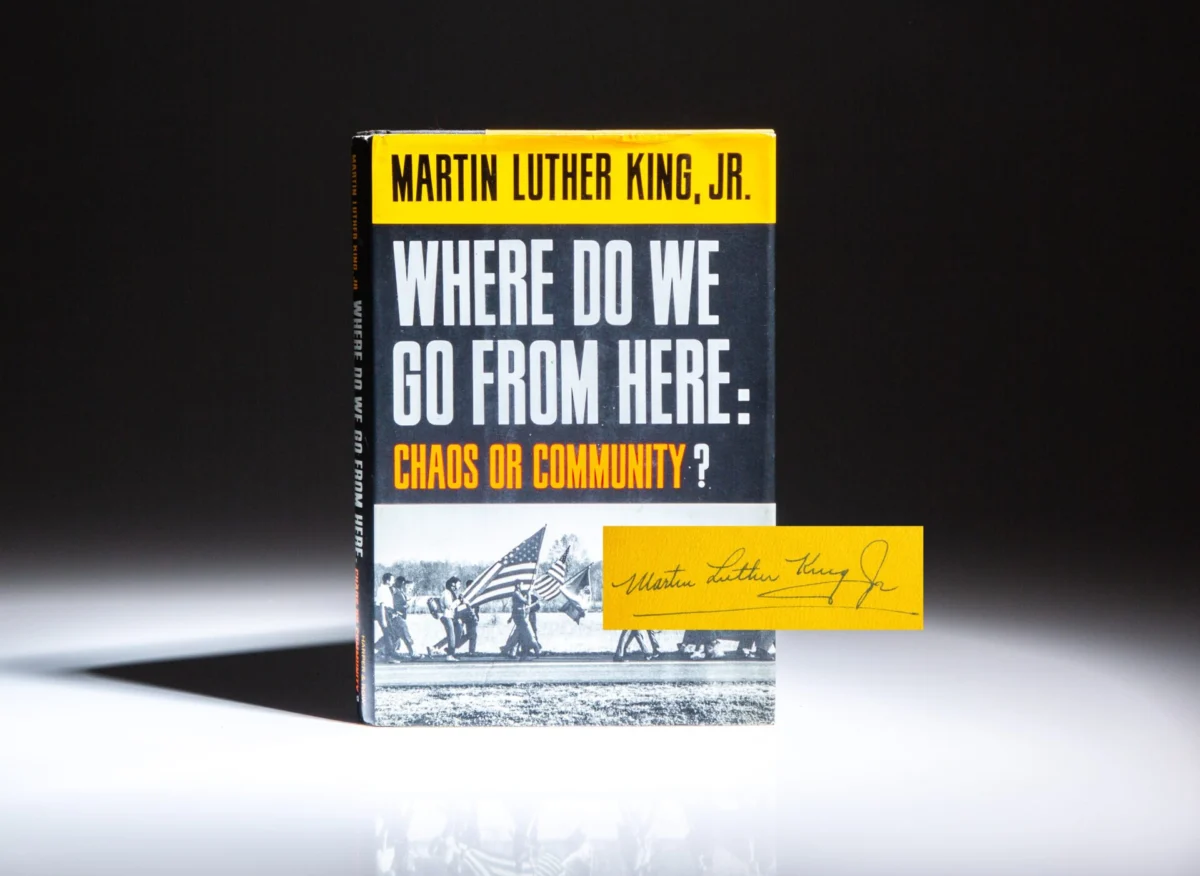
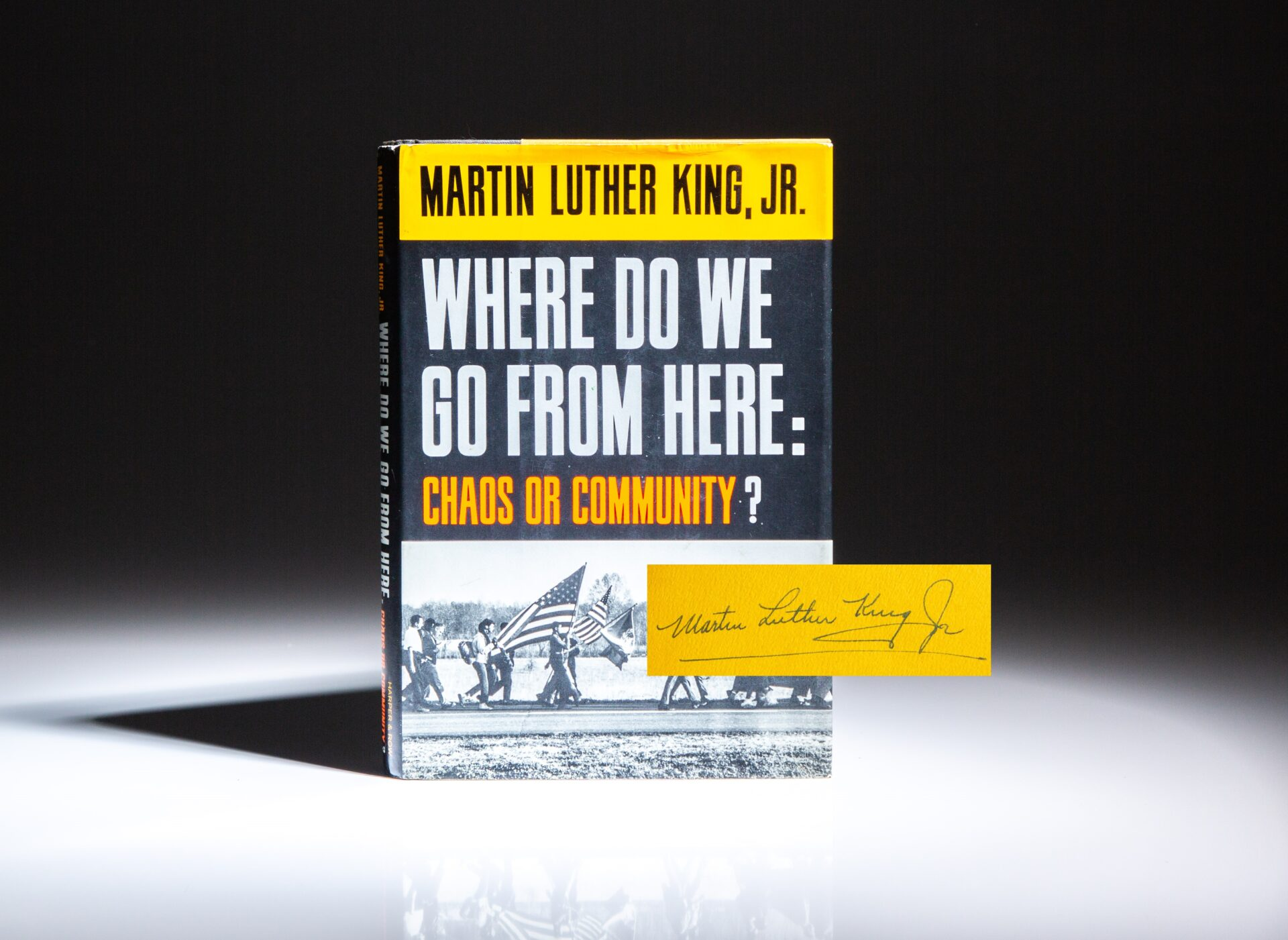
- 1967: Martin Luther King Jr., in his seminal book Where Do We Go From Here: Chaos or Community?, made a moral case for a form of Universal Basic Income (UBI), arguing that economic insecurity fueled inequality and that direct cash disbursements were the simplest and most effective anti-poverty tool. He saw it as a means to empower the poor and dismantle systemic barriers.
- 1972: Congress established the Supplemental Security Income (SSI) program, providing direct cash assistance to low-income elderly, blind, and disabled individuals, enabling them to cover essential expenses like food, housing, and medical care. As of January 2025, over 7.3 million Americans rely on SSI benefits, showcasing its ongoing role as a vital safety net.
- 1975: The Earned Income Tax Credit (EITC) was introduced, benefiting working-class parents and incentivizing work by supplementing low incomes. In 2023, the EITC lifted approximately 6.4 million people, including 3.4 million children, out of poverty, making it the second most effective anti-poverty tool after Social Security, according to the Census Bureau. Its success demonstrates the power of direct financial support.
- 2019: Inspired by King’s vision, Michael Tubbs, then the 26-year-old mayor of Stockton, California, launched the Stockton Economic Empowerment Demonstration (SEED). This $3 million pilot program provided 125 residents with $500 per month in unconditional cash for two years. The study’s findings were compelling, reporting improved financial stability, increased full-time employment (a 12% increase for recipients versus 5% for controls), and enhanced well-being among recipients, debunking myths about cash aid leading to reduced work or frivolous spending.
The speaker, referencing Robert Frost’s poem "The Road Not Taken," asserted that GMI represents "the path less travelled by"—a simpler, more practical, and scalable approach to directly combat economic insecurity with minimal bureaucratic overhead, focusing on trust in individuals rather than complex eligibility requirements.
Launching a New GMI Initiative in Rural American Communities
The new GMI initiative will focus specifically on rural American communities, a strategic decision based on compelling data. Rural counties consistently exhibit higher poverty rates, often characterized by fewer job opportunities, lower wages, and limited access to critical services like healthcare and education. Historical examples include persistent poverty in regions like Appalachia, the Mississippi Delta, and American Indian reservations, with some counties experiencing extreme poverty levels (e.g., Oglala Lakota, SD, at 55.8%; McDowell, WV, at 37.6%). This contrasts sharply with urban areas, where such extreme rates are rare. Data from the U.S. Census and USDA Economic Research Service unequivocally demonstrates that rurality exacerbates the challenges of escaping poverty, often due to geographic isolation, industrial decline, and limited infrastructure.
Furthermore, rural areas offer smaller, more manageable populations, ideal for conducting tightly controlled scientific studies. This approach allows for careful scaling and iterative improvement of GMI programs for eventual broader application. The goal is to build a robust body of scientific evidence demonstrating GMI’s efficacy in improving individual lives and strengthening communities, contributing to the broader policy debate.
The initiative is a collaborative effort, partnering with GiveDirectly, an organization with extensive experience in GMI studies across the United States, and OpenResearch, which recently completed the largest and most detailed GMI study in the country in 2023. OpenResearch’s 2023 study involved thousands of participants and yielded significant insights into spending patterns, showing that recipients primarily used funds for essential needs like food, housing, and healthcare, with a notable portion also dedicated to sharing with others in need. Together, they will launch GMI studies in specific rural counties with which the speaker has a personal connection (e.g., Mercer County, WV, and Beaufort County, NC) and which have historically struggled with poverty.
Implementation will involve working with existing local groups to coordinate opt-in GMI studies, providing outreach and mentorship to participants. The plan emphasizes "teamwork between Americans" and highlights the crucial role veterans are expected to play. By engaging veterans—who possess exceptional leadership skills and a deep commitment to community service—the program aims to align with core American values of self-reliance and community support. Partnerships with established local organizations, including churches, civic groups, community colleges, and businesses, will ensure the GMI studies are integrated with existing support systems, fostering synergy rather than redundancy.
GiveDirectly and OpenResearch will be responsible for rigorous data collection, measuring key indicators such as employment rates, entrepreneurial activity, educational attainment, health outcomes, and community engagement. Regular interviews with participants will provide qualitative insights into their experiences, allowing for continuous refinement of the program based on direct feedback: "How
About the Author