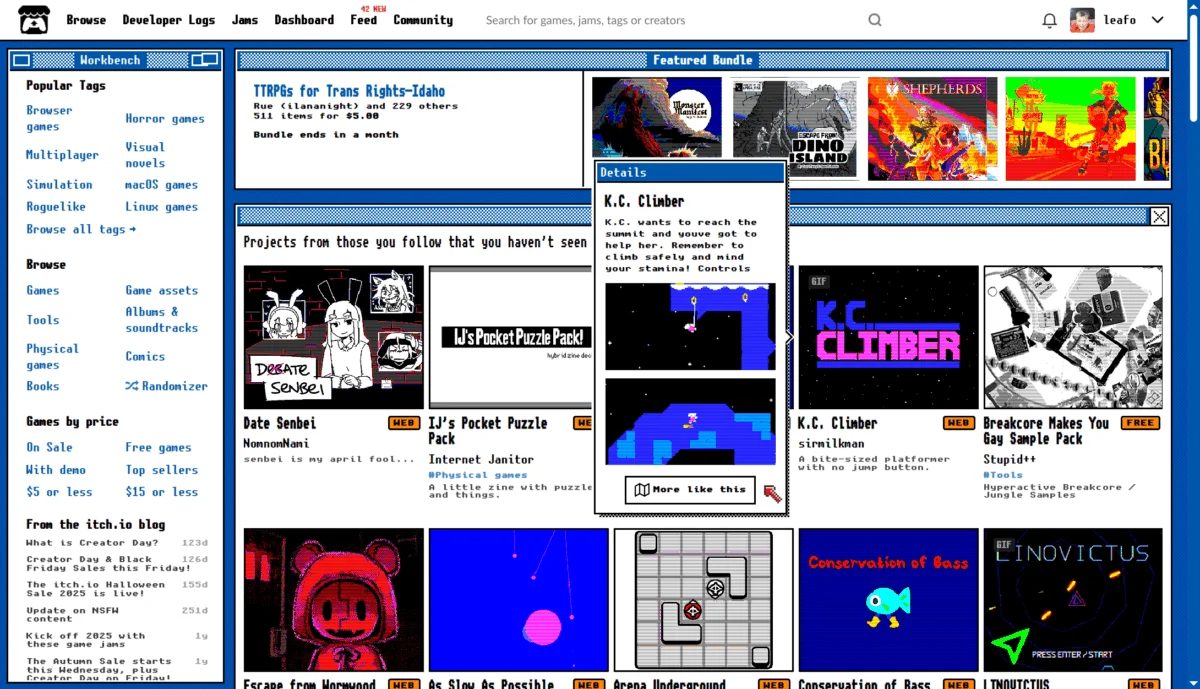
The highly debated "Ameyega mode," a retro-inspired visual transformation of the independent game marketplace itch.io’s homepage, has officially concluded, according to a recent announcement from the platform. Initially launched as an April Fools’ Day initiative, the mode provided users with a stark, ASCII art-infused interface reminiscent of early computing systems, particularly the Amiga and EGA graphics eras. While intended as a temporary jest, its extended run sparked a wide range of reactions across the platform’s diverse user base, highlighting both the allure of digital nostalgia and the critical importance of user experience and accessibility in modern web design.
The Genesis of Ameyega Mode: A Retro Throwback for April Fools’
Ameyega mode made its unannounced debut on April 1st, 2024, albeit slightly later in the day than typical for such global pranks. Users visiting the itch.io homepage were greeted not with the platform’s familiar clean, modern aesthetic, but with a pixelated, monochrome, or limited-color palette display dominated by character-based graphics. The visual style, specifically crediting fonts from viznut.fi/unscii, invoked a strong sense of nostalgia for those familiar with 1980s and early 1990s computing interfaces, particularly the Commodore Amiga and IBM’s Enhanced Graphics Adapter (EGA) systems. These systems were foundational in the early days of personal computing and gaming, defining a distinct visual language characterized by pixel art and text-mode interfaces.
April Fools’ Day has long been a tradition within the tech and gaming industries, with companies often leveraging the day to introduce humorous, often elaborate, temporary features or announcements. These pranks range from Google’s infamous "Gmail Paper" in 2007, which proposed a physical printout service for emails, to Blizzard Entertainment’s numerous fake game announcements. The objective is typically to engage the community, generate buzz, and inject a sense of playfulness into corporate interactions. Itch.io, known for its indie spirit and community-centric approach, embraced this tradition by offering a tangible, albeit temporary, alteration to its core user experience. The choice of a retro aesthetic taps into a well-documented phenomenon of digital nostalgia, where users derive pleasure from interfaces, sounds, and visuals that harken back to earlier technological eras. This nostalgia is often linked to simpler times, fond memories of childhood, or an appreciation for the foundational elements of computing and gaming culture.
A Brief Chronology of Ameyega Mode’s Run
The lifecycle of Ameyega mode, though brief, was marked by distinct phases that influenced community perception:
- April 1st, 2024 – Initial Deployment: Ameyega mode goes live on the itch.io homepage. The visual change is immediate and unexpected for users. The official announcement from itch.io noted the late deployment and indicated an intention to run the mode "a bit longer" than a typical one-day prank. This extension immediately set it apart from many fleeting April Fools’ gags.
- Early April 2024 – Community Engagement Peaks: As the mode persisted beyond April 1st, discussions and reactions intensified across itch.io’s comment sections, social media, and developer forums. Users grappled with the novelty, the nostalgia, and in some cases, the functional challenges posed by the new interface.
- Mid-April 2024 – Technical Adjustments and User Feedback: During its extended run, some users reported conflicts, particularly with the site’s dark mode setting, where the Ameyega interface would override preferred display options. This feedback was seemingly addressed, with reports of dark mode functionality being restored, indicating a responsive development team despite the mode’s prank status.
- Undisclosed Date (Post-April 1st, Pre-Official Announcement) – Deactivation: Ameyega mode was eventually deactivated for general browsing, returning the homepage to its standard appearance.
- Official Announcement – Conclusion and Archival: Itch.io formally announced the conclusion of Ameyega mode. Importantly, the platform provided a specific URL (
https://itch.io/?ameyega) for logged-in users to revisit the retro interface, promising to keep it available until "substantial changes" are made to the homepage. This gesture acknowledged the mode’s popularity among a segment of users and provided a means for continued engagement.
A Spectrum of Community Reactions: Delight, Frustration, and Calls for Permanence
The community’s response to Ameyega mode was notably polarized, illustrating the diverse preferences and expectations within itch.io’s broad user base, which includes independent game developers, players, and content creators from around the globe. The platform’s comment section became a lively forum for expressing these varied sentiments.
On one end of the spectrum were users who "adored" the retro interface, praising its "delightful throwback" quality and describing it as "nostalgic and charming." Many expressed a strong desire for Ameyega mode to become a permanent feature or, at minimum, an optional theme. Comments such as "I would like for itch.io to change to it permanently. I was sad to find out it was a joke" and "Please please please make an option to keep this, it’s SO much easier to read for me wow I love love love it" underscored a genuine appreciation for the aesthetic. For some, the simplified visual style, reminiscent of terminal interfaces, was perceived as less cluttered and potentially more accessible or simply more appealing than contemporary web design. The "easier to read" feedback, in particular, suggests that for certain users, the high contrast and character-based presentation might have offered a unique readability advantage, perhaps for those with specific visual sensitivities or preferences. This segment of the community celebrated the creative homage to computing history and found joy in the unexpected visual shift.
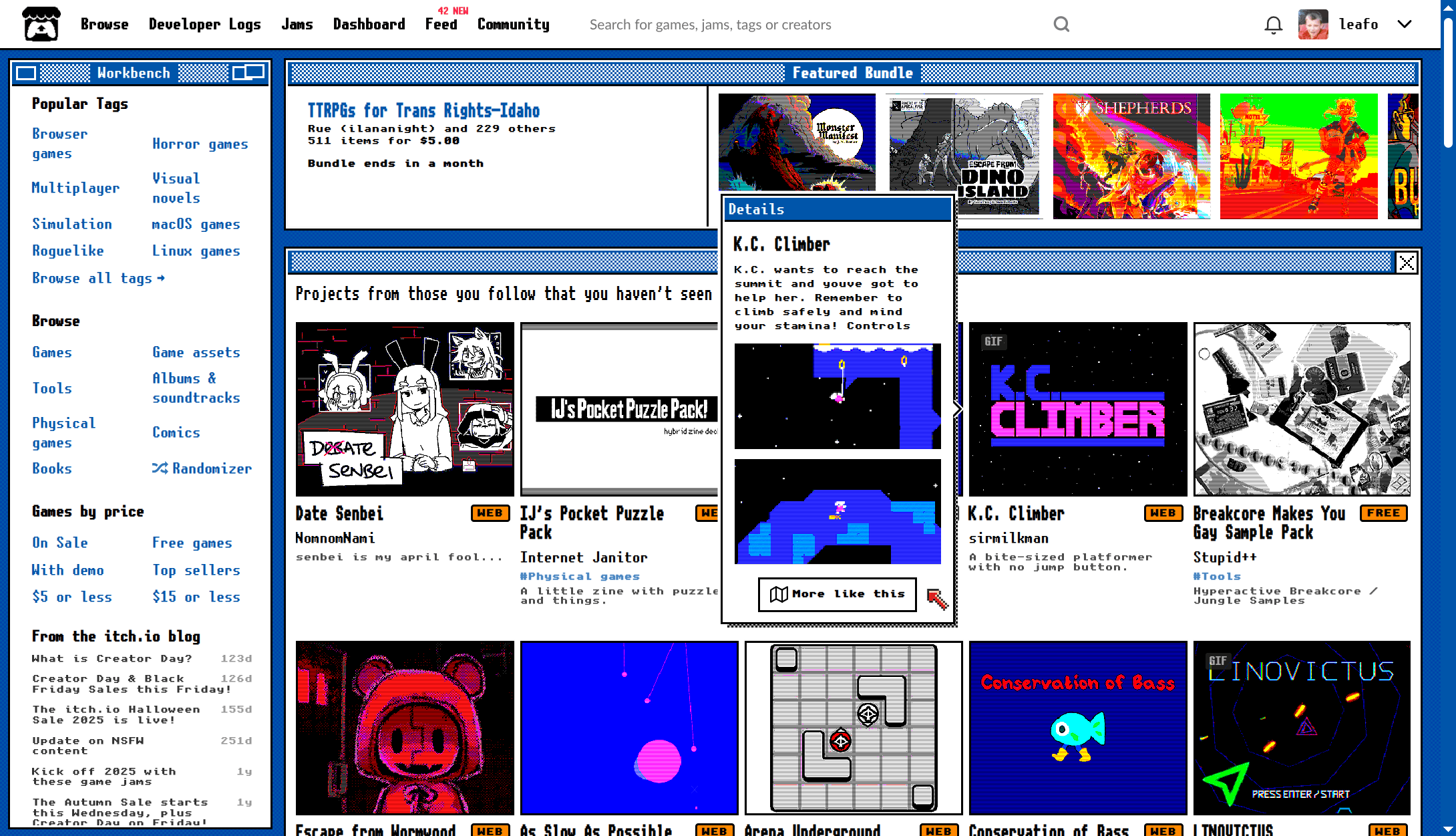
Conversely, a significant portion of the user base found the Ameyega mode to be disruptive, unappealing, or even detrimental to their user experience. Complaints ranged from aesthetic dislike ("please do not keep it as a permanent home page theme, it hurting my eyes") to severe functional impediments. Users described the interface as "so hard to navigate," a "pixellated mess," and expressed frustration over the inability to access features like "new updates I follow." The most prominent functional issue reported was the conflict with itch.io’s dark mode setting, a widely adopted accessibility and preference feature. Users reported that Ameyega mode would override their dark mode preference, forcing a bright, high-contrast display that many found uncomfortable, especially during extended use or in low-light environments. One user exclaimed, "Yeah, and never do it again, please. Because you messed up, Dark mode and I can’t get it to work. And it looks like I’m not the only one who’s having that problem." The prompt resolution of this dark mode conflict, as noted by an updated user comment ("EDIT: four hours after posting this, the front page is showing Dark mode correctly. Apparently they’re paying attention!"), suggests that itch.io’s development team was actively monitoring feedback and willing to make adjustments even for a temporary, prank-based feature. This responsiveness, while appreciated, also underscored the initial friction created by the change.
The division in feedback underscores a fundamental challenge in user interface design: balancing innovation and novelty with established usability and accessibility standards. What might be a nostalgic delight for one user can be an accessibility barrier or an unwelcome disruption for another.
Broader Implications: UX, Accessibility, and Brand Identity
The Ameyega mode experiment, while an April Fools’ joke, inadvertently served as a significant case study in several areas crucial to digital platforms like itch.io.
User Experience (UX) and Accessibility: The most salient implication revolves around UX and accessibility. Modern web design principles prioritize clarity, intuitive navigation, and adaptability across various devices and user needs. Ameyega mode, by intentionally eschewing these modern conventions for a retro aesthetic, highlighted how crucial they are. For users accustomed to contemporary graphical interfaces, the text-heavy, limited-color scheme of Ameyega mode presented a steep learning curve or outright confusion. The strong negative reactions concerning navigation difficulties and eye strain underscore that while nostalgia can be powerful, it cannot override fundamental usability. The complaints about dark mode functionality further emphasize the importance of accessibility features, which are not mere preferences but often necessities for comfortable and effective interaction for many users. The fact that itch.io promptly addressed the dark mode issue suggests an understanding of these priorities, even within the context of a temporary prank.
Brand Identity and Community Engagement: Itch.io has cultivated a brand identity that is quirky, supportive of independent creators, and often experimental. The Ameyega mode prank aligns with this identity, showcasing a willingness to be playful and engage with its community in unconventional ways. The sheer volume of comments and discussions generated by the mode, even if some were negative, indicates a high level of community engagement. Such events, when handled carefully, can strengthen brand loyalty by making users feel more connected to the platform and its personality. The decision to keep a functional, albeit hidden, link to Ameyega mode available post-conclusion further solidifies this community-first approach, acknowledging that a segment of users genuinely enjoyed the experience. It transformed a temporary joke into a semi-permanent easter egg, rewarding those who appreciated it.
The Value of Feedback and Iterative Design: Although Ameyega mode was a prank, the intensity and specificity of the user feedback offer valuable insights for itch.io’s ongoing development. The comments provide direct data on what users value in terms of interface design, readability, and functional consistency. This real-world, large-scale A/B testing, even if accidental, can inform future design decisions. For instance, the strong desire for optional themes or skins could be a takeaway, suggesting that customizable interfaces might enhance user satisfaction without disrupting the core experience for everyone. Platforms that are highly dependent on user-generated content and community interaction, like itch.io, benefit immensely from understanding these preferences.
Impact on Developers and Content Creators: For the thousands of independent game developers who rely on itch.io to showcase and sell their creations, the homepage is a critical portal. A significant, even temporary, change to its visual presentation could impact how potential players perceive the platform, navigate to game pages, and ultimately engage with content. While the disruption was limited and temporary, it underscored the platform’s role as an intermediary and the importance of its stability and usability for its content creators. The initial concerns about navigation hindering the discovery of new updates, for example, directly relate to a core function of the platform for developers.
Conclusion: A Memorable Experiment in Digital Interaction
Ameyega mode’s journey from an April Fools’ prank to a prolonged, community-dividing experiment offers a compelling narrative on the complexities of digital design in a diverse user landscape. It demonstrated the powerful draw of nostalgia and the potential for playful interaction to foster community engagement. Simultaneously, it served as a vivid reminder that novelty must always be balanced against the fundamental requirements of user experience, accessibility, and functional consistency. Itch.io’s responsiveness to critical feedback, particularly regarding issues like dark mode compatibility, illustrates a commitment to its users, even while indulging in a bit of digital whimsy. As the Ameyega mode now recedes into the platform’s history, accessible only via a special link, its legacy will be not just as a memorable prank, but as a rich case study in how temporary visual changes can spark profound discussions about what users truly value in their digital interactions. The episode provides valuable lessons for itch.io and the broader tech industry on the intricate balance between innovation, tradition, and the ever-evolving expectations of a global user base.
About the Author