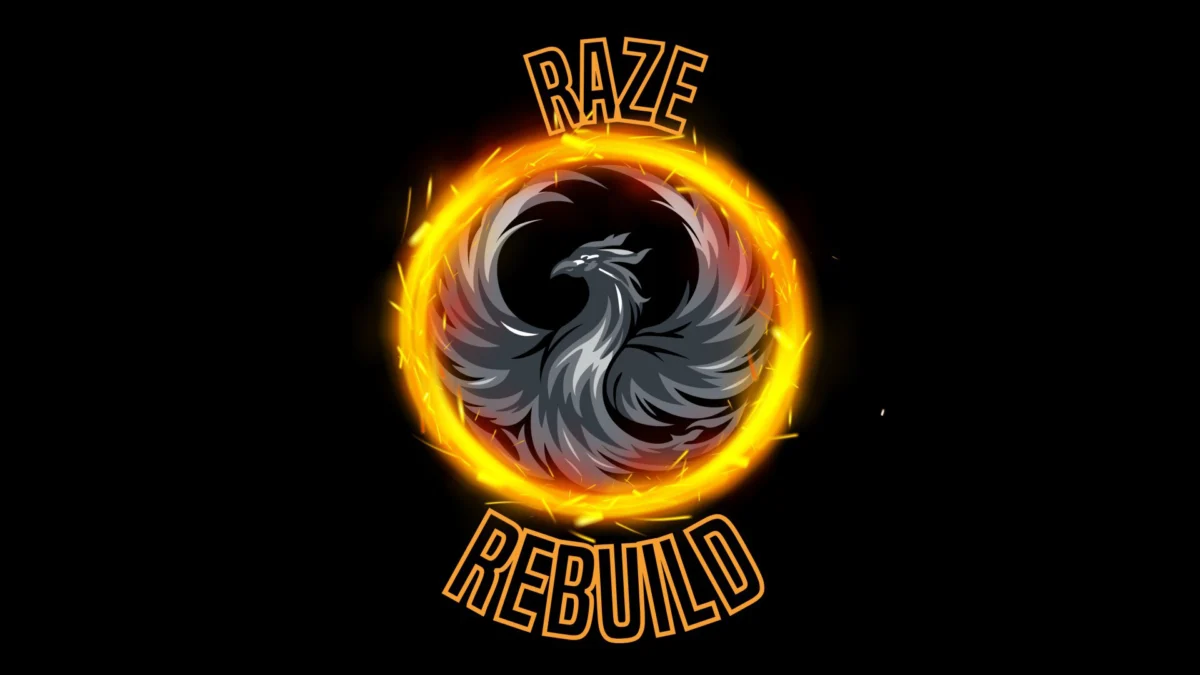
A new worker-owned video game cooperative, Raze and Rebuild Studio, has been announced, formed by a collective of veteran triple-A developers and accessibility experts, marking a significant move towards alternative development models in an industry recently characterized by widespread instability. The studio explicitly frames its inception as "rising from the ashes of the games industry," a direct and poignant reference to the unprecedented wave of mass layoffs and studio closures that have displaced thousands of developers globally over the past two years. This new venture not only seeks to create innovative gaming experiences but also aims to establish a more equitable and sustainable working environment for its members, built on principles of democratic ownership and a foundational commitment to accessibility.
A Phoenix Rises from Industry Ashes
The establishment of Raze and Rebuild Studio comes at a critical juncture for the global video game industry. The period between 2020 and 2022 saw an unprecedented boom, fueled by pandemic-driven demand and a surge in investment. Many studios expanded rapidly, embarking on ambitious projects and significantly increasing their headcounts. However, this growth proved unsustainable. The latter half of 2022, and particularly 2023 and early 2024, witnessed a dramatic reversal, with an estimated 10,500 game industry jobs cut in 2023 alone, and over 8,000 more already in the first quarter of 2024. Major publishers and developers, including Microsoft (following its acquisition of Activision Blizzard), Unity Technologies, Embracer Group, Epic Games, Riot Games, and Sony’s PlayStation division, have all announced significant workforce reductions. These layoffs have been attributed to a confluence of factors: over-hiring during the boom, a post-pandemic normalization of consumer spending, rising interest rates, economic inflation, and strategic restructuring by large corporations.
Against this backdrop of corporate consolidation and job insecurity, Raze and Rebuild Studio’s formation is a powerful statement. The founders’ decision to launch a worker-owned cooperative is a direct response to the precarity experienced by many in the industry, offering a model that prioritizes worker stability, shared ownership, and ethical development practices over traditional hierarchical structures and investor-driven mandates. The studio’s chosen name and motto, "rising from the ashes," encapsulate this intent, signaling a desire to forge a new path from the remnants of a system perceived by many developers as increasingly unstable and exploitative.
Founding Visionaries and Expertise
The core team behind Raze and Rebuild Studio brings a wealth of experience and a diverse range of expertise to the table, combining established talent from triple-A development with dedicated advocates for accessibility. The founding members include:
- Tanya DePass: A former writer for Monolith Productions, known for her work in narrative design and her advocacy for diversity and inclusion in gaming. Her background in crafting compelling stories within large-scale productions will be invaluable to the studio’s creative output.
- Tarja Porkka-Kontturi: A seasoned professional in business development and an influential accessibility consultant. Porkka-Kontturi’s expertise will be crucial in shaping the studio’s strategic direction, securing partnerships, and embedding accessibility principles into all facets of the business and development process.
- Laura Kate Dale: A prominent accessibility expert and journalist, recognized for her critical insights into making games more inclusive for players with disabilities. Dale’s leadership ensures that accessibility is not an afterthought but a core pillar of Raze and Rebuild’s design philosophy and internal operations.
- Ian Schreiber: A co-founder of the Global Game Jam, Schreiber brings extensive experience in game design education, rapid prototyping, and fostering collaborative creative environments. His involvement underscores the studio’s commitment to iterative development and community engagement.
This synergistic blend of creative writing, business acumen, deep accessibility knowledge, and game design experience positions Raze and Rebuild Studio with a strong foundation to navigate both the creative and commercial challenges of the independent game development landscape. Their collective experience, particularly in the often-demanding AAA sector, provides a unique perspective on the shortcomings of traditional models and the potential for a more inclusive approach.
The Cooperative Model: A New Paradigm for Game Development
The worker-owned cooperative model, while not entirely new to the game industry, is gaining renewed interest as developers seek alternatives to the traditional corporate structure. In a worker cooperative, the employees are also the owners, sharing in both the profits and the decision-making process. This democratic structure contrasts sharply with investor-owned companies, where control typically rests with shareholders and management.
Key characteristics of a worker-owned cooperative include:
- Democratic Control: Each member typically has one vote, regardless of their financial investment, influencing major strategic and operational decisions.
- Profit Sharing: Profits are distributed among members, often based on hours worked or salary, rather than solely to external shareholders.
- Worker Well-being: There is an inherent focus on creating a supportive work environment, offering better benefits, flexible hours, and improved work-life balance.
- Transparency: Financial and operational information is generally more transparent to members.
The appeal of this model lies in its potential to address many of the chronic issues within the game industry, such as "crunch culture," high burnout rates, and the unequal distribution of success. By empowering workers with direct ownership and control, co-ops can foster greater job satisfaction, retention, and a sense of collective purpose. As Laura Kate Dale emphasized, "One of the most important aspects of going for a co-op model is how that intersects with accessibility, not just in what we make but also how we work. Structuring this so that the unpredictable nature of disability is addressed up front, the ways work ability may ebb and flow, is something we can make foundational in a cooperative structure, and is so rarely supported." This highlights a significant advantage: the ability to proactively design a workplace that accommodates diverse needs, particularly those related to disability, rather than retrofitting accommodations into an existing, often rigid, corporate framework.
Historically, worker co-ops have had a presence in independent game development, though their viability has been subject to market fluctuations. Studios like KO_OP, based in Montreal, have successfully operated as a worker cooperative for years, producing critically acclaimed titles such as GNOG and Goodbye Volcano High. They have often championed the model, demonstrating its potential for both creative freedom and sustainable business. Similarly, Stray Bombay, founded by industry veterans Chet Faliszek (formerly of Valve) and Kimberly Voll (formerly of Riot Games), adopted a co-op-like structure focused on collaborative development and equitable compensation, though it operates with a slightly different ownership model. However, the path for co-ops is not without challenges, as evidenced by the unfortunate closure of Glory Society, a co-op formed by acclaimed indie developers, which ceased operations due to severe external health factors impacting its founding members. These examples underscore both the promise and the inherent risks faced by any independent studio, regardless of its internal structure.
Prioritizing Impact and Accessibility
Raze and Rebuild Studio has revealed initial insights into its creative direction, indicating a commitment to developing "games for impact that touch on real world lived experiences." This focus suggests a departure from purely commercial genre conventions, instead favoring narratives and mechanics that resonate with contemporary social issues or personal journeys. Dale further elaborated, noting that the studio has "a lot of satirical ideas centered on our background as people struggling to find employment within the industry, and some sillier side ideas focused more on mechanics." This blend of social commentary, personal experience, and innovative gameplay points towards a unique portfolio that could differentiate Raze and Rebuild in a crowded market.
Crucially, the studio’s commitment to accessibility extends beyond merely incorporating features into their games; it is embedded into their operational philosophy. This means creating a workplace that supports developers with varying needs and abilities, acknowledging that disability can impact work capacity in unpredictable ways. This proactive approach to workplace accessibility is a direct antidote to the industry’s often demanding and inflexible work culture, which can disproportionately affect marginalized groups. By building flexibility and accommodation into the very fabric of their cooperative structure, Raze and Rebuild aims to create a truly inclusive environment where talented developers can thrive regardless of personal circumstances. This focus aligns with a growing industry-wide movement towards better accessibility standards, driven by both player demand and ethical considerations. Modern games are increasingly expected to offer a range of accessibility options, from customizable controls and UI scaling to colorblind modes and robust subtitle options. Raze and Rebuild’s internal and external commitment to these principles positions them at the forefront of this progressive trend.
Navigating the Path Forward: Funding and Growth
The journey for any new independent game studio is fraught with challenges, and Raze and Rebuild Studio is no exception. The founders have stated that the studio launched without any initial external funding, a common scenario for many startups, particularly those prioritizing worker ownership over traditional venture capital. They are currently pursuing development on their debut project while actively "eyeing potential grants and speaking with outside partners." This bootstrapped approach allows the studio to maintain full creative and operational control, aligning with the cooperative ethos, but it also necessitates careful financial management and strategic fundraising.
Securing grants, particularly those focused on innovative projects, social impact, or diverse teams, could provide crucial early-stage capital without diluting ownership. Engaging with outside partners could involve anything from co-development agreements to publishing deals, which would require careful negotiation to ensure the cooperative’s core principles are maintained. The current investment climate, while challenging for large-scale AAA productions, can sometimes be more receptive to smaller, ethically driven projects, especially those with a clear mission and an experienced team. However, the track record of worker co-ops in securing significant external funding is still developing, often requiring a different approach to pitching and demonstrating long-term viability than traditional startups.
For their debut title, the studio is "focusing on keeping our scope small, and seeing which prototypes are most worth pursuing for our first full release." This pragmatic strategy is vital for a new studio, allowing them to iterate quickly, test concepts, and build a foundational product without overextending resources. A smaller, well-executed game can serve as a strong portfolio piece, attracting future investment or publishing opportunities and demonstrating the team’s capabilities.
Broader Industry Implications and Future Outlook
Raze and Rebuild Studio’s emergence could signal a broader shift in developer sentiment and a growing appetite for alternative structures within the games industry. While worker cooperatives may not replace the dominant corporate model overnight, their increasing visibility and success could inspire more developers to explore similar paths. The current industry landscape, marked by a cycle of rapid growth followed by mass layoffs, has undoubtedly led many to question the long-term sustainability and ethical implications of traditional corporate structures.
The success of Raze and Rebuild Studio, and other worker-owned cooperatives, could have several significant implications:
- Precedent Setting: A successful launch and sustained operation could provide a compelling blueprint for other developers seeking to form their own co-ops, offering practical insights into legal, financial, and operational challenges.
- Talent Attraction: As job security becomes a paramount concern, the promise of shared ownership, democratic control, and a focus on worker well-being could become a powerful magnet for top talent disillusioned with the instability of larger corporations.
- Diversification of Content: Worker-owned studios, often less constrained by market trends dictated by large publishers, may be more inclined to pursue innovative, niche, or socially conscious projects, leading to a richer and more diverse gaming ecosystem.
- Advocacy for Change: The presence of more co-ops could strengthen calls for broader industry reforms, including improved labor practices, better benefits, and a greater emphasis on ethical development.
The long-term viability of Raze and Rebuild Studio will depend on its ability to secure stable funding, successfully develop and market its initial titles, and maintain its cooperative ethos as it potentially scales. The challenges are considerable, but the passion, experience, and clear mission of its founding members provide a strong foundation. In an industry grappling with its identity and future, Raze and Rebuild Studio represents a hopeful and determined step towards a potentially more equitable, accessible, and sustainable model for creating the games of tomorrow. Their journey will be closely watched by developers and industry observers alike, as they endeavor to build something new and resilient from the "ashes" of a turbulent era.
About the Author