The creation of compelling visual narratives often involves intricate processes, meticulous planning, and a willingness to embrace unexpected detours. Sozap, an independent digital artist, recently showcased this multifaceted approach through their short animation project, aptly titled "Stormy Scene Experiment." This endeavor, which documents the entirety of its production from initial concept to final render, offers a valuable window into the iterative and often serendipitous nature of digital art creation. The artist’s candid reflection highlights not only technical challenges but also the personal growth that accompanies complex creative undertakings, emphasizing that even perceived "mistakes" can serve as crucial learning opportunities.
Genesis of the "Stormy Scene Experiment"
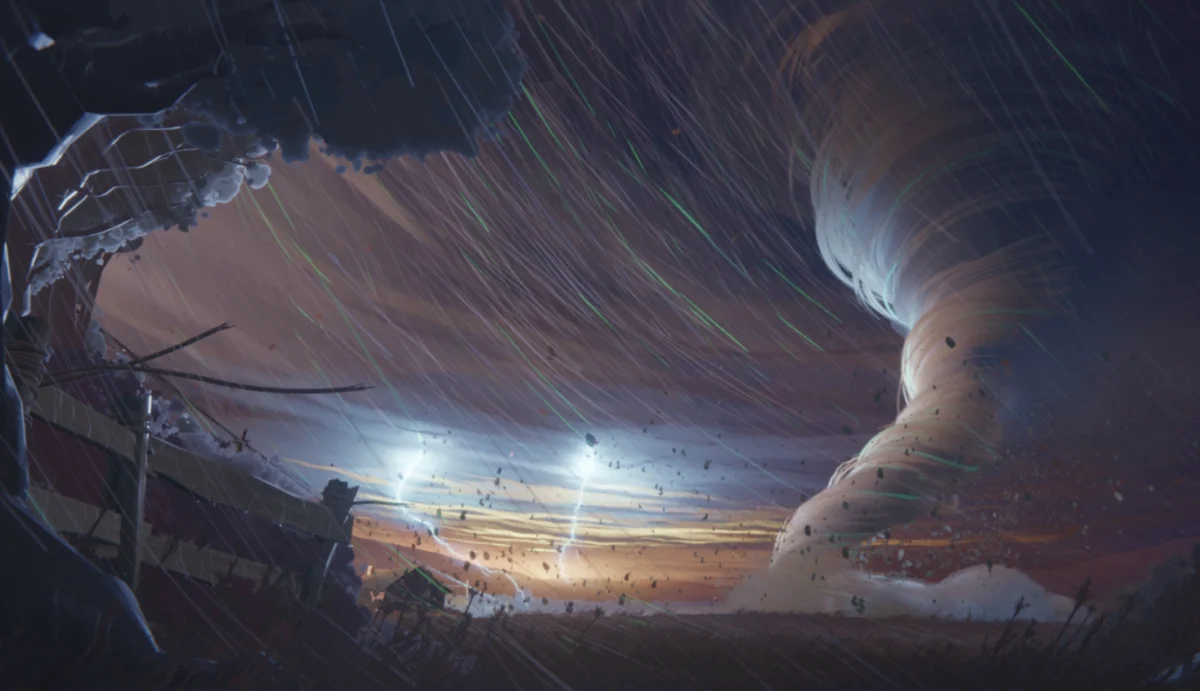
The initial conceptualization of the "Stormy Scene Experiment" was intended to be a focused exploration of a hurricane’s raw power and atmospheric drama. However, as is often the case in artistic development, the project’s trajectory evolved organically. Sozap openly admits to a significant "sidetracking" from the original intent, a common phenomenon in creative workflows where new ideas and technical explorations emerge during the production phase. This deviation, rather than being viewed as a setback, was actively embraced as an integral part of the learning process. The artist’s self-proclaimed intention to make "a bunch of mistakes" underscores a pedagogical approach to their work, recognizing that practical application and problem-solving are often the most effective teachers in mastering complex software and techniques.
The visual output of the "Stormy Scene Experiment" is a testament to this journey. While the specifics of the hurricane’s depiction remain a central element, the project expanded to encompass a broader range of environmental and atmospheric effects. This broader scope suggests an exploration into various rendering techniques, particle systems, volumetric lighting, and possibly fluid simulations, all crucial components for creating realistic and immersive natural phenomena. The final animation, though not explicitly detailed in the provided excerpt, is implied to be a sophisticated piece that showcases Sozap’s technical proficiency and artistic vision.
The Artist’s Perspective: Embracing the Iterative Process
Sozap’s commentary, "The original idea was to focus on the hurricane, but it turns out I side tracked a lot on many other aspects. Also since we learn a lot from mistakes I made sure I did a bunch of them during the project so I was sure to fulfill my goal…", provides a crucial insight into their creative philosophy. This statement is not merely a confession of deviation but a declaration of intent to learn through doing. In the realm of 3D animation and visual effects, mastering software like Blender (which is implied by the context of the source website, BlenderNation) involves a steep learning curve. Each project, especially those with experimental or ambitious goals, presents a unique set of challenges that push the boundaries of an artist’s existing knowledge.
The concept of "learning from mistakes" is particularly relevant in digital art. Rendering errors, unexpected simulation behaviors, or suboptimal asset integration can all lead to significant delays and require substantial troubleshooting. However, for dedicated artists, these "mistakes" are invaluable data points. They inform future decisions, refine techniques, and ultimately contribute to a deeper understanding of the tools and their capabilities. Sozap’s deliberate embrace of this learning curve suggests a mature and growth-oriented approach to their craft, prioritizing skill development and comprehensive mastery over a rigid adherence to an initial plan. This methodology is often adopted by artists aiming to push the envelope of what is technically and artistically feasible.
Technical Underpinnings and Potential Workflow
While the excerpt doesn’t delve into the specific software and techniques employed, the nature of creating a "stormy scene" in 3D animation typically involves a sophisticated pipeline. To produce a convincing hurricane, an artist would likely utilize:

Atmospheric Simulation and Volumetrics
- Volumetric Fog and Clouds: Creating the dense, opaque atmosphere of a hurricane requires advanced volumetric rendering techniques. This involves simulating and rendering fog, clouds, and particulate matter that interact realistically with light. Software often provides tools for procedural generation of cloud shapes and textures, which can then be manipulated to mimic the swirling patterns of a hurricane.
- Particle Systems: Rain, debris, and spray are essential elements of a hurricane’s fury. Sophisticated particle systems are used to simulate millions of individual elements, controlling their behavior based on wind forces, gravity, and collision with other objects. The density, size, and velocity of these particles directly contribute to the perceived intensity of the storm.
Environmental Modeling and Texturing
- Terrain and Water Surfaces: A realistic environment requires detailed modeling of terrain, which could include coastlines, islands, or even open ocean. For water, advanced techniques such as procedural displacement mapping, wave simulations, and realistic shader setups are necessary to capture the turbulent and dynamic nature of storm-churned seas.
- Asset Creation: Depending on the scope, the scene might include assets like ships, buildings, or vegetation, all of which would need to be modeled, textured, and integrated seamlessly into the environment. Weathering these assets to reflect the impact of the storm (e.g., rain-soaked surfaces, debris accumulation) would further enhance realism.
Lighting and Rendering
- Dynamic Lighting: The lighting in a hurricane is dramatic and ever-changing. Artists would need to simulate the interplay of dark, ominous clouds with flashes of lightning, the diffused light filtering through dense fog, and the reflections on wet surfaces. This often involves complex global illumination and ambient occlusion calculations.
- Rendering Engines: Modern 3D rendering engines are capable of producing photorealistic results. For a project like this, engines that excel at handling large amounts of volumetric data and complex lighting scenarios would be essential. This could include renderers like Cycles (Blender’s built-in path tracer), Octane, or Redshift, each with its own strengths in terms of speed and visual fidelity.
Post-Production and Compositing
- Compositing: The final stage often involves compositing different rendered elements together in software like After Effects or Nuke. This allows for fine-tuning of color grading, adding atmospheric effects like lens flares or motion blur, and ensuring all elements blend cohesively. The integration of sound design is also critical at this stage to fully immerse the viewer in the storm’s environment.
The "Stormy Scene Experiment" likely involved iterating through many of these steps, refining each component until it contributed effectively to the overall narrative and visual impact. The artist’s acknowledgement of "sidetracking" could refer to exploring different approaches to any of these technical areas, perhaps experimenting with new simulation methods or discovering more efficient texturing workflows.
Broader Context: The Rise of Independent Digital Artists
Sozap’s project emerges within a broader landscape where independent digital artists are increasingly producing high-quality, narrative-driven content. Platforms like YouTube and Vimeo have democratized the distribution of visual art, allowing creators to bypass traditional gatekeepers and connect directly with global audiences. This has fostered a vibrant ecosystem of animators, 3D artists, and visual effects specialists who are self-taught or have honed their skills through online tutorials and community forums.
The accessibility of powerful software, often open-source like Blender, has further lowered the barrier to entry. While the technical demands of projects like a realistic hurricane simulation remain significant, the tools are now more capable and user-friendly than ever before. This has led to an explosion of creativity, with artists pushing the boundaries of what can be achieved independently. The "Stormy Scene Experiment" is a prime example of this trend, showcasing an individual’s ability to conceive, execute, and share a complex visual project that would have previously required the resources of a large studio.
The artist’s transparency about their learning process also aligns with a growing trend towards educational content within the digital art community. Many artists now share their workflows, tutorials, and behind-the-scenes insights, contributing to a collaborative environment where knowledge is freely exchanged. This not only helps aspiring artists but also elevates the appreciation for the craft among the general public.
Implications and Future Trajectories
The "Stormy Scene Experiment," as described, is more than just a short animation; it is a case study in adaptive learning and creative resilience. Sozap’s willingness to embrace the unplanned evolution of their project and to actively seek out challenges as learning opportunities speaks to a highly effective approach to mastering complex digital art forms.
For aspiring 3D artists, this project serves as an encouraging example. It demonstrates that:
- Flexibility is Key: Rigid adherence to an initial concept can sometimes stifle innovation. Being open to new directions that emerge during production can lead to more interesting and artistically fulfilling outcomes.
- Mistakes are Stepping Stones: Every technical glitch, every suboptimal render, is an opportunity to learn and improve. A proactive approach to problem-solving, rather than being discouraged by errors, is crucial for progress.
- Personal Growth is Integral: The process of creating complex visual art is inherently a journey of personal and professional development. The skills acquired extend beyond technical proficiency to include project management, problem-solving, and creative problem-solving.
The success of such independent projects also has broader implications for the digital content industry. It highlights the growing talent pool of individual creators who can deliver high-quality visual work. This can lead to new collaborations, innovative storytelling formats, and a more diverse and dynamic media landscape. As technology continues to advance, the capabilities of individual artists will only expand, further blurring the lines between independent and studio productions. The "Stormy Scene Experiment" is a microcosm of this evolving creative frontier, showcasing the power of individual vision, persistent learning, and the boundless potential of digital art.
About the Author