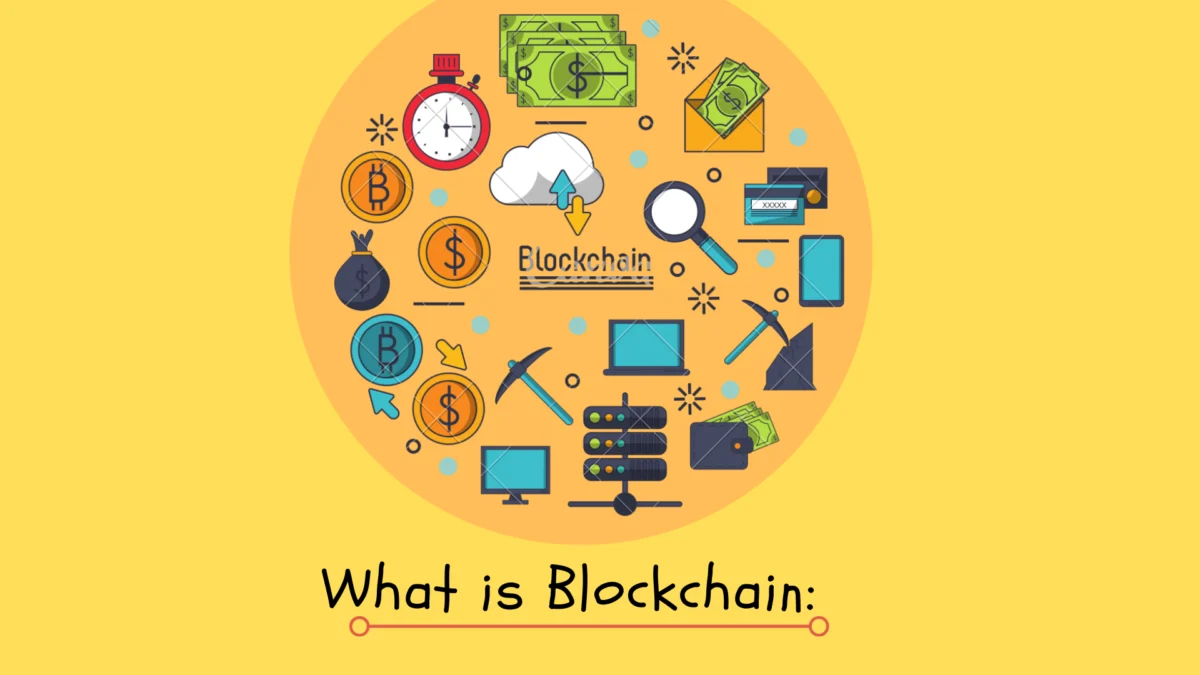
The digital landscape is undergoing a profound transformation, driven by a technology that promises to redefine how we transact, manage data, and interact online. Blockchain, initially conceived to secure digital timestamps, has evolved into a foundational element for cryptocurrencies and is now poised to disrupt a vast array of industries. Far from being merely the engine behind Bitcoin, blockchain represents a paradigm shift towards decentralized, secure, and transparent record-keeping.
The Genesis of Blockchain: From Timestamp Security to Digital Currency
The conceptual seeds of blockchain technology were sown in 1991 by cryptographers Stuart Haber and W. Scot Stornetta. Their initial proposal aimed to create a system that would prevent the tampering of digital timestamps, ensuring the integrity of dated documents. This foundational work laid the groundwork for a more robust application of distributed ledger principles.
Years later, in 1998, software developer Nick Szabo conceptualized "Bit Gold," a precursor to digital currencies that utilized a similar underlying technology to secure a decentralized payment system. However, it was the emergence of Satoshi Nakamoto, who claimed to have invented the first blockchain and Bitcoin in 2008, that brought this innovative concept to widespread public attention. Nakamoto’s white paper, "Bitcoin: A Peer-to-Peer Electronic Cash System," outlined a decentralized digital currency that operated without a central authority, relying entirely on the blockchain for transaction verification and security.
Understanding Blockchain: A Distributed Ledger Explained
At its core, a blockchain is a distributed, immutable ledger that records transactions across many computers. Instead of relying on a single, central database, information is shared and synchronized among a network of participants, known as nodes. Each "block" in the chain contains a cryptographic hash of the previous block, a timestamp, and transaction data. This interconnected structure ensures that once a block is added to the chain, it cannot be altered or deleted without compromising the integrity of the entire chain, a characteristic that lends itself to the moniker "Distributed Ledger Technology" (DLT).
The process of adding new information to a blockchain typically involves several key steps:
- Transaction Initiation: A user initiates a transaction, which is then broadcast to the network of nodes.
- Verification: A network of decentralized computers (nodes) validates the transaction based on predefined consensus rules.
- Block Creation: Verified transactions are bundled together into a new "block."
- Cryptographic Linking: This new block is cryptographically linked to the preceding block in the chain, forming a chronological sequence.
- Distribution: The newly added block is distributed across the entire network, ensuring that all nodes have an updated and identical copy of the ledger.
This distributed nature makes blockchain highly resilient to single points of failure and manipulation. If one node is compromised or goes offline, the network continues to function, and the integrity of the data remains intact due to the consensus mechanism employed by the other nodes.
The Power of Decentralization: Enhancing Security and Trust
A defining characteristic of blockchain technology is its decentralization. Unlike traditional databases that are often controlled by a single entity, a blockchain’s data is spread across numerous computers globally. This distribution serves as a powerful safeguard against data breaches and censorship.
Consider a scenario where a central server holding sensitive personal or financial data is compromised. In a traditional system, this could lead to a massive data leak. However, with a blockchain, even if one node is attacked, the vast majority of other nodes hold the correct, unaltered information. These remaining nodes can cross-reference and identify the compromised node, effectively nullifying the attack. This inherent redundancy and distributed control foster an unprecedented level of security and trust, as no single entity has the power to unilaterally alter or delete information.
This decentralization eliminates the need for intermediaries, such as banks or payment processors, to validate transactions. Participants can engage in peer-to-peer transactions with a high degree of confidence in the security and immutability of the record. This direct interaction can lead to faster, cheaper, and more efficient transactions, especially in cross-border scenarios.
Beyond Cryptocurrencies: Diverse Applications of Blockchain Technology
While blockchain technology gained prominence as the backbone of cryptocurrencies like Bitcoin and Ethereum, its applications extend far beyond digital currencies. The inherent security, transparency, and immutability of blockchain make it an ideal solution for a wide range of industries seeking to enhance data integrity and operational efficiency.
Supply Chain Management: One of the most compelling real-world applications of blockchain is in supply chain management. Companies like Walmart, IBM (with its Food Trust platform), Siemens, Pfizer, and Unilever are leveraging blockchain to track goods from their origin to their final destination. For instance, IBM’s Food Trust platform uses blockchain to provide an immutable record of food items’ journey, allowing for rapid identification of the source of contamination in case of an outbreak, such as E. coli or Salmonella. This capability significantly reduces the time and effort required for recalls, enhances consumer safety, and builds greater trust in the food supply chain. The ability to pinpoint the exact location and origin of a product in near real-time can also streamline inventory management and reduce waste.
Healthcare: In healthcare, blockchain can be used to secure patient records, ensuring that sensitive medical information is accessible only to authorized parties. This can improve data privacy, facilitate secure sharing of medical histories between healthcare providers, and streamline clinical trials by providing a transparent and auditable record of data collection.
Voting Systems: The potential for blockchain to create secure and transparent voting systems is also being explored. By recording votes on an immutable ledger, blockchain could help prevent fraud and increase public confidence in electoral processes. Each vote would be recorded as a transaction, verifiable by anyone but anonymizable to protect voter privacy.
Digital Identity: Blockchain offers a robust framework for managing digital identities. Individuals could have greater control over their personal data, choosing what information to share and with whom, through a decentralized digital identity system. This could simplify online authentication and reduce the risk of identity theft.
Intellectual Property and Royalties: For creators and artists, blockchain can provide a transparent and auditable system for managing intellectual property rights and tracking royalty payments. Smart contracts, self-executing contracts with the terms of the agreement directly written into code, can automate royalty distribution, ensuring that creators are compensated fairly and promptly.
Financial Services: Beyond cryptocurrencies, blockchain is being explored for various financial applications, including faster and cheaper cross-border payments, streamlining trade finance, and creating more efficient securities settlement systems. The elimination of intermediaries can reduce transaction costs and settlement times, benefiting both institutions and consumers.
The Future of Blockchain: Adoption and Evolution
Despite its transformative potential, the widespread adoption of blockchain technology faces certain challenges. These include scalability issues for some blockchain networks, regulatory uncertainty in various jurisdictions, and the need for greater user education and technical expertise.
However, the momentum behind blockchain adoption is undeniable. Major corporations are investing heavily in blockchain research and development, recognizing its capacity to drive innovation and create competitive advantages. As the technology matures and solutions to current challenges emerge, its integration into daily life is expected to accelerate.
Industry analysts project that the global blockchain market will continue its rapid growth trajectory. According to a report by Grand View Research, the global blockchain market size was valued at USD 11.16 billion in 2022 and is expected to expand at a compound annual growth rate (CAGR) of 48.4% from 2023 to 2030. This growth is fueled by increasing adoption across various sectors, particularly in finance, healthcare, and supply chain management.
Frequently Asked Questions About Blockchain
Is Blockchain a Cryptocurrency?
No, blockchain is the underlying technology that enables cryptocurrencies. It is a distributed ledger system, while cryptocurrencies are digital assets that utilize this ledger for secure transactions.
Can Blockchain Be Hacked?
While theoretically possible, hacking a well-established blockchain network is exceedingly difficult and computationally expensive. The distributed nature, cryptographic security, and consensus mechanisms employed by these networks make them highly resistant to malicious attacks. The vast majority of transactions recorded on a blockchain are considered immutable.
Who Owns Blockchain Technology?
Blockchain is a decentralized technology, meaning it is not owned by any single entity. It is a network of distributed ledgers maintained by numerous participants (nodes).
What is the Difference Between Bitcoin and Blockchain Technology?
Bitcoin is a specific cryptocurrency that was the first major application of blockchain technology. Blockchain is the foundational distributed ledger system that makes Bitcoin and other cryptocurrencies possible.
What is the Difference Between Blockchain and a Traditional Database?
Traditional databases are typically centralized, controlled by a single administrator, and can be easily modified or deleted. Blockchains, on the other hand, are decentralized, distributed across a network, and designed to be immutable, meaning data, once recorded, cannot be altered or removed without consensus from the network. This immutability and decentralization are key differentiators that provide enhanced security and transparency.
Conclusion
Blockchain technology represents a significant leap forward in digital innovation. Its ability to create secure, transparent, and decentralized systems has the potential to revolutionize industries, empower individuals, and foster a more trustworthy digital future. As adoption continues to grow and the technology evolves, we can expect blockchain to play an increasingly integral role in shaping how we interact with data and conduct transactions in the years to come. The implications are far-reaching, promising to streamline processes, enhance security, and unlock new opportunities across the global economy.
About the Author