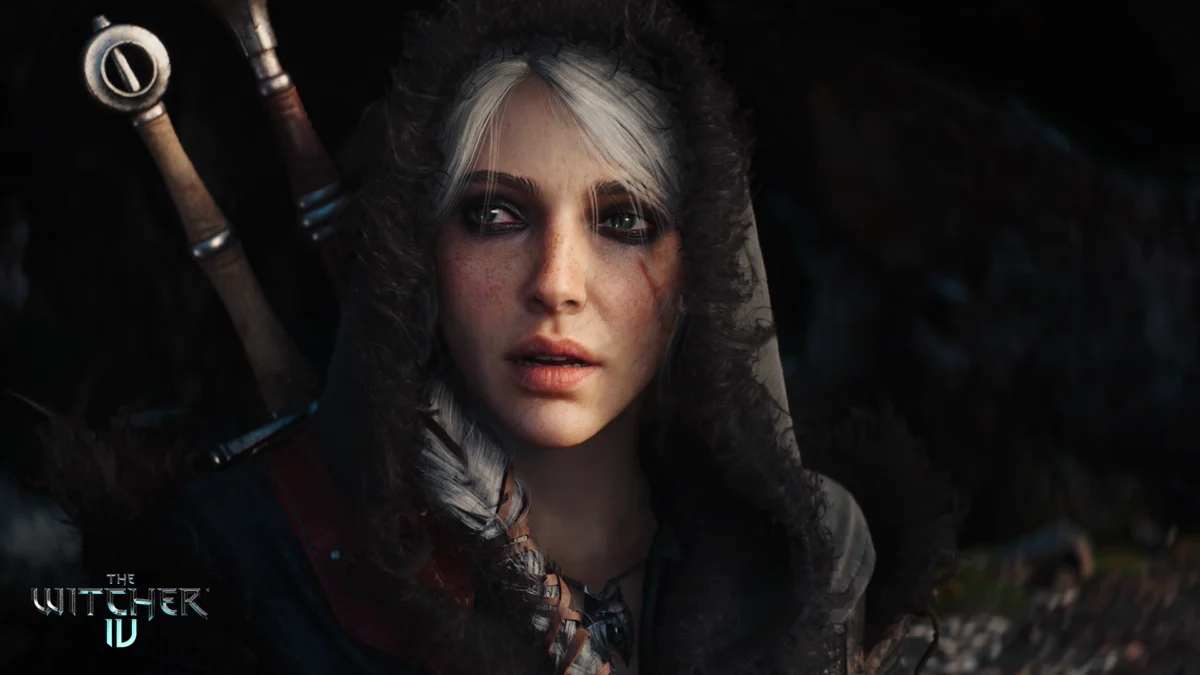
CD Projekt Red, the renowned Polish video game developer, has fundamentally restructured its game development pipeline to prioritize simultaneous cross-platform compatibility from the earliest stages, a direct consequence of the tumultuous launch of Cyberpunk 2077. This strategic pivot aims to prevent a repeat of the widespread performance issues and critical backlash that plagued their highly anticipated futuristic RPG in December 2020. Michal Nowakowski, co-CEO of CD Projekt Red, revealed this significant shift in an interview with Game Developer, emphasizing a new mandate for all ongoing projects, including the eagerly awaited Witcher 4 (codenamed Project Polaris).
The core of this new philosophy dictates that all major development builds must be fully functional across all target platforms—PC, PlayStation 5, and Xbox Series X/S—at every stage of production. "You come to the studio, you launch Witcher 4 right now," Nowakowski explained, "You can launch it on PC. You can launch it on PS5. You can launch it on Xbox Series X, and it’s going to run." This represents a radical departure from their previous approach, which, as Nowakowski admitted, was heavily "PC-driven." The studio’s prior methodology focused on pushing graphical and cinematic boundaries on high-end PC hardware, operating under the "false belief" that scaling down the experience for console hardware, particularly the PlayStation 4 and Xbox One, would not present significant technical hurdles.
The Genesis of Change: Cyberpunk 2077‘s Tumultuous Launch
The December 2020 release of Cyberpunk 2077 stands as a stark lesson in the perils of over-promising and under-delivering, particularly concerning cross-platform performance. Heralded as one of the most anticipated titles in gaming history, the game had accumulated over 8 million pre-orders globally. However, upon release, the last-generation console versions (PlayStation 4 and Xbox One) were rife with severe technical issues, including pervasive bugs, frequent crashes, drastically reduced graphical fidelity, and frame rates that often dipped into single digits. This led to a wave of player disappointment, widespread criticism from media outlets, and an unprecedented series of events for a AAA title.
Within a week of its launch, Sony Interactive Entertainment took the extraordinary step of delisting Cyberpunk 2077 from the PlayStation Store and offering full refunds to affected players, a move that sent shockwaves through the industry. Microsoft followed suit, expanding its refund policy. CD Projekt Red’s stock plummeted, and the company faced multiple class-action lawsuits from investors alleging misrepresentation. The immediate aftermath saw the developer issuing multiple public apologies and committing to a rigorous patching schedule. It took six months for Cyberpunk 2077 to return to the PlayStation Store in June 2021, a period marked by extensive updates and fixes that eventually brought the game to a more stable and enjoyable state across all platforms. The initial Metacritic scores for the PC version (around 87) contrasted sharply with those for the PlayStation 4 and Xbox One versions (57 and 61 respectively), underscoring the severe disparity in quality.
This crisis forced CD Projekt Red to confront the fundamental flaws in its development philosophy and quality assurance processes. The studio, which had previously enjoyed an almost unblemished reputation following the critical and commercial success of The Witcher 3: Wild Hunt in 2015, found itself in an unprecedented position of needing to rebuild player trust.
A New Development Mandate: Cross-Platform From Day One
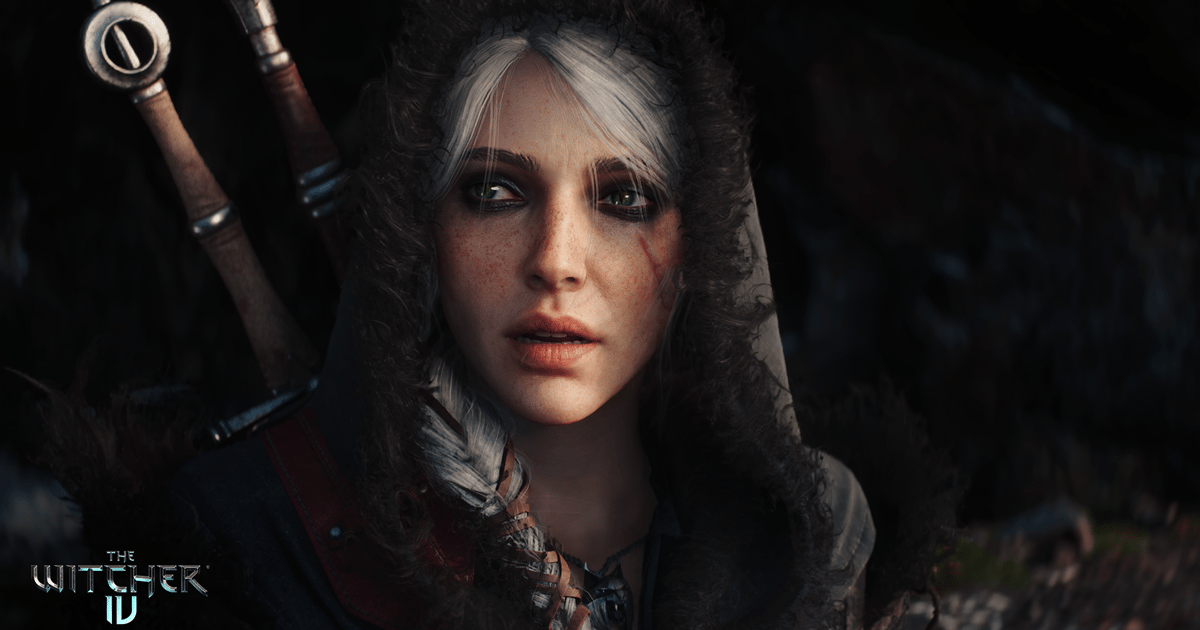
The new development strategy is a direct response to this painful experience. By ensuring simultaneous functionality across all target platforms throughout the entire development cycle, CD Projekt Red aims to catch and rectify performance issues early, rather than attempting to optimize and downgrade a PC-centric build late in the process. This proactive approach is expected to significantly reduce the risk of platform-specific quality discrepancies at launch.
Nowakowski elaborated that the studio’s previous success with The Witcher 3, despite facing similar challenges in optimizing for multiple platforms, had instilled a degree of overconfidence. "We got a bit lucky here and there," he admitted regarding The Witcher 3‘s successful launch, which made the studio feel that Cyberpunk 2077 would also "end up fine." This "false belief" proved catastrophic. "Since then, we don’t take chances," Nowakowski affirmed. "We want to be sure that it actually works."
Rethinking Milestones and Quality Assurance
Beyond just cross-platform compatibility, CD Projekt Red is also reforming its internal milestone process. In the past, the studio might have allowed projects to proceed with a few unmet technical "checkmarks," assuming these issues could be addressed later. This incremental accumulation of unaddressed problems often led to insurmountable technical debt as development progressed.
Under the new regime, if a specific technical requirement or performance metric is not met on any single platform for The Witcher 4, development on that particular aspect ceases until the problem is fully identified and resolved. "For example, technically, we should hit, let’s say, 10 checkmarks," Nowakowski illustrated. "Back in the past, if we missed one or two, we were like, ‘we’re gonna catch up with that later on.’ Sometimes we did, but sometimes we didn’t, and then two milestones or three milestones down the road, you have like four or five missing checkmarks and it’s not that easy." This stricter adherence to quality gates at every stage is designed to prevent technical debt from spiraling out of control, ensuring a more stable and polished product throughout its creation.
The Road Ahead: The Witcher 4 (Project Polaris) and Beyond
This new philosophy is being rigorously applied to all current and future projects. The Witcher 4, officially codenamed Project Polaris, was announced in March 2022 and marks the beginning of a new saga for the beloved fantasy franchise. Unlike its predecessors, Project Polaris is being developed on Unreal Engine 5, a significant departure from CD Projekt Red’s proprietary REDengine. This engine change itself is a strategic move, allowing the studio to leverage Epic Games’ robust and well-documented technology, potentially streamlining cross-platform development and reducing the burden of maintaining an in-house engine for future projects. While details on Project Polaris remain scarce, Nowakowski’s statements confirm that its development is a direct beneficiary of the lessons learned from Cyberpunk 2077.
The company has also announced other ambitious projects, including a remake of the original Witcher game (codenamed Canis Majoris), a new Cyberpunk game (Project Orion), and a new IP (Project Hadar). Project Hadar is particularly intriguing as it represents CD Projekt Red’s first entirely new IP developed outside of the Witcher or Cyberpunk universes. Nowakowski hinted that more details on Project Hadar might emerge within the next five years, indicating its early stage of development and the long-term vision of the studio. For now, the primary focus remains on delivering high-quality experiences for The Witcher 3 and The Witcher 4.

Leveraging Expertise: The Witcher 3 Remaster and Geeksoft
Further demonstrating their commitment to quality and efficient resource allocation, CD Projekt Red is working with external partners for specialized tasks. For the newly announced Witcher 3 expansion and remaster, the studio has partnered with Geeksoft, a Hungarian company. This collaboration is strategic due to Geeksoft’s extensive prior knowledge of the REDengine used for The Witcher 3. Nowakowski noted that the REDengine version utilized for Cyberpunk 2077 was significantly different from the one powering The Witcher 3, making a return to the older engine challenging for internal teams focused on Unreal Engine 5 development.
Geeksoft’s expertise stems from their roots in the modding community, where they were "very active in the world of the Witcher." CD Projekt Red had previously engaged Geeksoft to assist with the release of The Witcher 3‘s modding tools, establishing a relationship built on deep technical understanding of the game’s architecture. This made them a logical choice for the remaster project, allowing CD Projekt Red to tap into specialized knowledge without diverting its core development teams from future titles like Project Polaris.
Broader Industry Implications and Future Outlook
CD Projekt Red’s public acknowledgement of its past mistakes and its concrete steps to overhaul development processes send a powerful message to both the gaming community and the wider industry. The Cyberpunk 2077 debacle served as a cautionary tale about the dangers of unchecked hype, aggressive marketing, and insufficient quality assurance, particularly on last-generation consoles. Other developers and publishers have undoubtedly taken note, with many now emphasizing transparency, realistic timelines, and robust testing across all platforms.
The shift towards simultaneous cross-platform development is not unique to CD Projekt Red, but their public commitment to it, especially after such a high-profile failure, underscores its critical importance in modern game development. As hardware generations become more complex and diverse, ensuring a consistent and high-quality experience across all devices is paramount for maintaining player trust and market viability.
For CD Projekt Red, this strategic reorientation is an investment in their future. While the Cyberpunk 2077 launch undoubtedly tarnished their reputation, the studio’s subsequent dedication to fixing the game, coupled with this new development philosophy, demonstrates a genuine commitment to learning and improving. The success of The Witcher 4 will be a critical test of this new approach, and the industry will be watching closely to see if CD Projekt Red can reclaim its position as a paragon of quality and innovation in the gaming world. The era of assuming downscaling will be easy is over; the new mantra is comprehensive quality, from the ground up, on every platform.
About the Author