The Phenomenon of Game Jams: A Crucible for Innovation
Game jams, intense bursts of game development over a short period, have become a cornerstone of the indie game development scene. Originating from events like Ludum Dare and the Global Game Jam in the early 2000s, these creative sprints challenge participants to design and develop a game, often around a specific theme or set of constraints, within a tight timeframe ranging from 48 hours to several weeks. The primary objectives extend beyond mere competition; they serve as invaluable learning experiences, platforms for rapid prototyping, and potent catalysts for community building. Developers, whether working solo or in teams, utilize jams to experiment with new mechanics, programming languages, art styles, and design philosophies without the long-term commitment of a full project. Many commercially successful indie titles, such as Superhot and Baba Is You, trace their origins back to game jam prototypes, demonstrating the format’s potential to spark groundbreaking ideas.
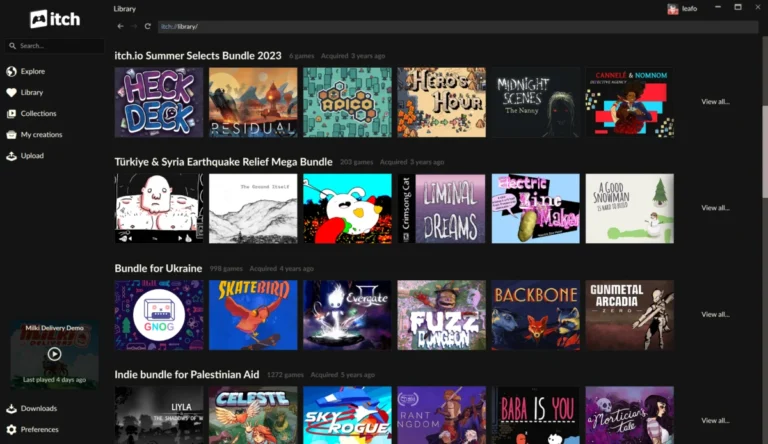
Itch.io, a prominent open marketplace for independent digital creators, has emerged as a particularly fertile ground for hosting and participating in game jams. Its user-friendly interface, robust submission system, and vast community infrastructure make it an ideal platform for organizers and participants alike. The platform democratizes game development, allowing anyone with an idea and a willingness to learn to contribute to the ever-expanding universe of digital games. Thousands of jams are hosted annually on itch.io, attracting hundreds of thousands of participants globally, solidifying its role as a vital ecosystem for creative exploration and skill refinement within the independent game development sphere.
A Glimpse into the Upcoming Creative Challenges
The early months of 2025 promise a particularly rich calendar of game jams, each offering a distinct flavor and set of challenges designed to engage diverse segments of the development community.
Pirate Software – Game Jam 16
Scheduled to commence on January 17, 2025, and conclude on January 31, 2025, the Pirate Software – Game Jam 16 is a bi-yearly staple that attracts a significant following. This two-week event emphasizes a structured approach to game development, requiring teams of up to five individuals to not only create a browser-compatible prototype but also to submit a comprehensive Game Design Document (GDD). The GDD requirement elevates the jam beyond mere coding, challenging participants to articulate their vision, mechanics, and design choices in a professional format. Judging, which takes place from January 31st to February 14th, 2025, evaluates submissions based on playability, theme implementation, cleverness, artistic style, and judges’ choice. Winners receive prominent recognition during Pirate Software’s daily Dev Stream, providing invaluable exposure and feedback from a seasoned development community. This jam is particularly beneficial for those looking to refine their project management and documentation skills alongside their technical prowess.
Road Trip Game Jam
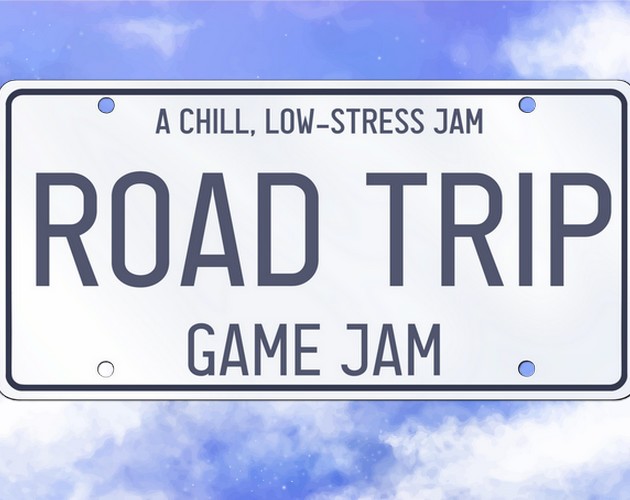
For developers seeking a more relaxed yet creatively expansive experience, the Road Trip Game Jam, hosted by Meiri and Nevi, offers an extended development window. Kicking off on January 23, 2025, and running until April 23, 2025, this jam invites participants to craft games centered around the theme of a "road trip." The generous three-month timeline allows for more ambitious projects and provides ample opportunity for iteration and polish, distinguishing it from the typical rapid-fire jam format. All genres, sizes, and complexities are welcome, including the often-overlooked category of tabletop and analog games, fostering a broad spectrum of creative interpretations of the theme. This jam appeals to developers who prioritize thematic depth and a stress-free creative process over tight deadlines.
ScoreSpace Jam #33
From January 24, 2025, to January 27, 2025, ScoreSpace Jam #33 challenges developers to create games with a singular focus on achieving high scores. This ranked competition encourages innovative gameplay loops and mechanics that promote replayability and competitive engagement. A key requirement for submission is the integration of a leaderboard system, ensuring that the competitive element is central to the player experience. Games are meticulously judged by a panel of contributors, streamers, and ScoreSpace staff on criteria including gameplay, theme adherence, aesthetics, and sound design. The top three games will receive special recognition, being played by popular streamers in a live high-score competition, offering significant visibility and a unique validation for the winning teams. Voting for the jam extends from January 27th to January 31st, 2025, engaging the broader community in the evaluation process.
Mini Jam 176: Foxes
The Mini Jam series is renowned for its compact yet challenging format, and Mini Jam 176: Foxes, hosted by ZahranW, is no exception. This 72-hour ranked jam, running from January 17, 2025, to January 20, 2025, presents a unique twist: participants receive a surprise limitation at the start of the jam, which they must ingeniously incorporate into their game. While the theme, "Foxes," is optional and serves primarily as inspiration, the mandatory limitation pushes developers to think creatively under pressure and develop innovative solutions. This format is particularly effective for enhancing problem-solving skills and fostering out-of-the-box thinking. Community voting follows the development period, from January 20th to January 24th, 2025, allowing peers to evaluate the ingenuity of the submissions.

Cozy Winter Jam 2025
Embracing the tranquility of the season, the Cozy Winter Jam 2025, hosted by Virtual Turtle Games, invites participants to create small, "cozy" games inspired by winter. Running from January 23rd to January 26th, this ranked jam taps into the growing popularity of games that prioritize relaxation, comfort, and gentle engagement over high-stakes action. An optional additional theme, announced at the jam’s outset, further refines the creative direction. The focus on coziness encourages developers to explore narrative, aesthetic, and mechanical designs that evoke a sense of warmth and peace. Voting, open to all contributors, takes place from January 26th to February 2nd, allowing the community to celebrate games that successfully capture the essence of winter comfort.
Horror Ham-Jam 2025
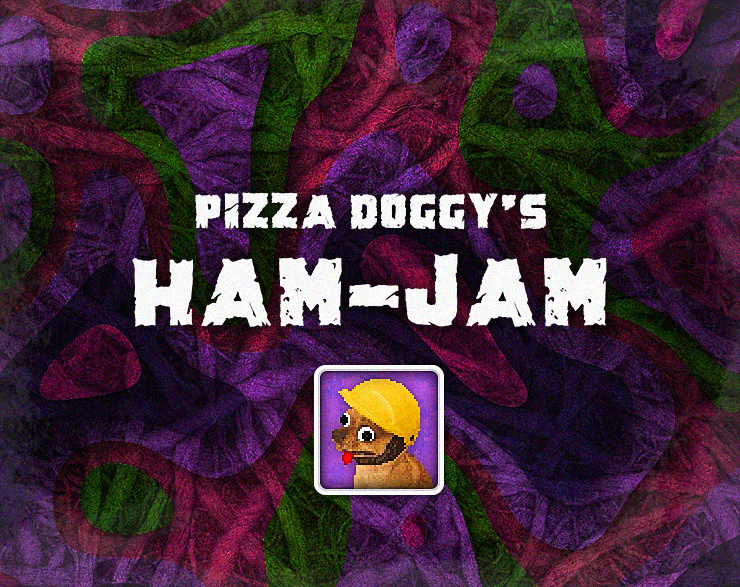
For those with a penchant for the macabre, the Horror Ham-Jam 2025, hosted by Gxvrnxr and Pizza Doggy, presents a distinct challenge. This jam, active from January 16, 2025, to February 2, 2025, focuses on crafting short, horror-themed games confined to restricted spaces. Participants are tasked with creating an immersive horror experience within a small room or an area with limited movement, while also integrating specific assets provided in a bundle. This constraint forces developers to maximize atmosphere, sound design, and psychological tension within a minimalist setting, a formidable challenge for horror game designers. Judging, exclusively by an appointed panel, occurs from February 2nd to February 16th, 2025, ensuring a focused evaluation of the horror elements and creative use of limitations.
Recent Successes: Concluded Jams and Their Impact
The turn of the year also provides an opportunity to reflect on recently concluded jams that have already demonstrated the power of collaborative development.
GDKO 2025 – Round 1
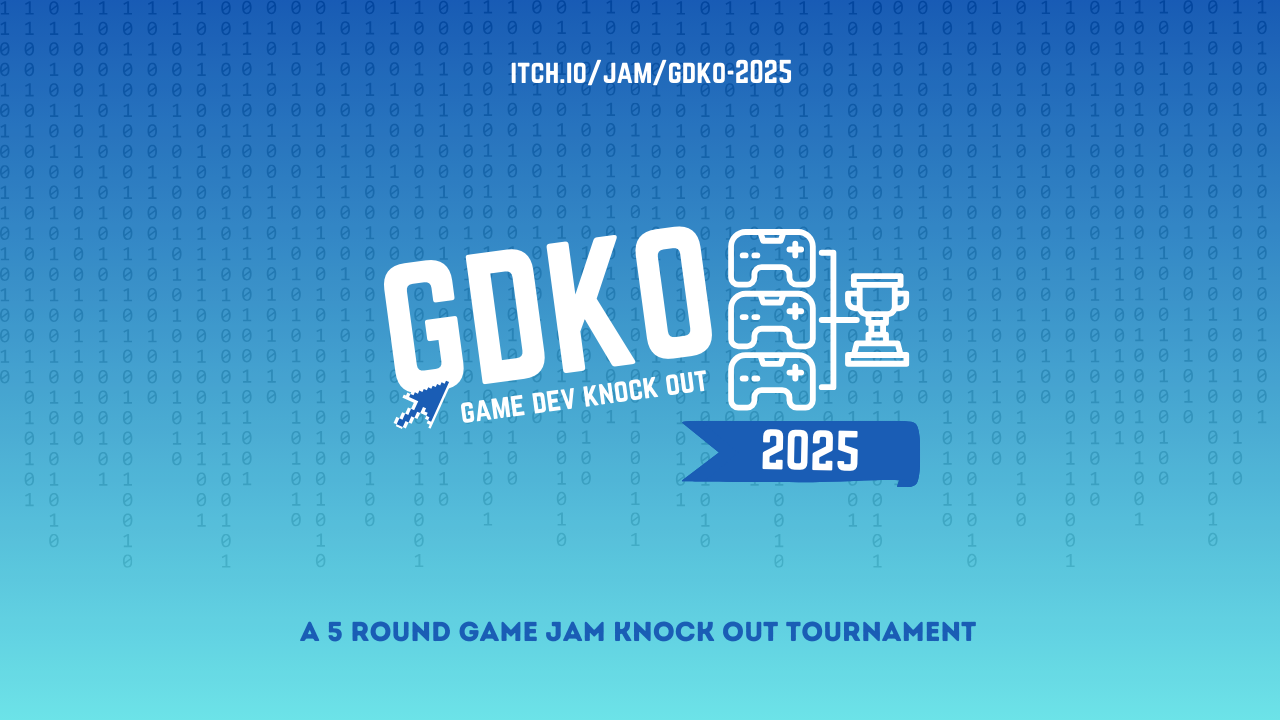
The GDKO 2025 – Round 1 marked the initial phase of a unique five-round game development knockout tournament, conceptualized by Xanderwood. Playfully dubbed "the Squid Games of the game dev world," albeit with significantly lower stakes, this round tasked participants with developing a game featuring a core mechanic supported by a secondary mechanic crucial for progression. The challenge spanned from January 1 to January 14, 2025, attracting a robust 215 submissions. This high level of participation underscores the appeal of competitive, multi-stage events that push developers to refine fundamental game design principles. The knockout format encourages rapid iteration and strategic thinking, fostering a competitive yet supportive environment where developers can gauge their skills against a wide peer group.
CONSTRUCT JAM 2025
The CONSTRUCT JAM 2025, which concluded its development phase on January 13, 2025, celebrated the capabilities of the Construct game engines. Hosted by Blue Pin Studio, Armaldio, and skymen75, this jam ran from January 3, 2025, with the theme "Tough Choice." This engine-specific jam provided a dedicated platform for users of Construct to showcase their proficiency and explore the engine’s features within a creative constraint. Such specialized jams are vital for fostering community within specific toolsets, allowing developers to share knowledge, best practices, and innovative uses of the technology. Community voting, which took place from January 13th to January 20th, 2025, determined the top entries, highlighting the collaborative spirit and peer appreciation inherent in the game jam ecosystem. The results are available for public viewing, offering insights into the creative potential of the Construct engine.
Broader Implications and the Future of Indie Development
The continuous cycle of game jams on platforms like itch.io carries significant implications for the broader independent game development landscape. Firstly, they act as powerful incubators for talent. New developers gain practical experience, learn crucial project management skills, and build portfolio pieces that can kickstart their careers. For experienced developers, jams offer a low-risk environment to experiment with audacious ideas or unfamiliar technologies, pushing the boundaries of their creative and technical abilities.
Secondly, game jams are instrumental in community building. They foster networking opportunities, allowing developers from diverse backgrounds to collaborate, share feedback, and forge lasting professional relationships. The supportive environment often leads to the formation of new development teams and sustained creative partnerships. The public voting and feedback mechanisms inherent in many jams further strengthen this community, providing constructive criticism and recognition that fuels ongoing engagement.
Thirdly, these events are hotbeds of innovation. The inherent time constraints and thematic limitations often force developers to think outside the box, leading to novel gameplay mechanics, unique artistic styles, and unexpected narrative approaches. Many groundbreaking concepts that might not survive the rigors of a commercial development cycle find their initial spark and validation in the jam format. This constant influx of fresh ideas is vital for keeping the indie game scene vibrant and evolving.
As itch.io continues to expand its offerings and support for game jams, it reinforces its role not just as a marketplace, but as a dynamic, democratizing force in game development. It provides the infrastructure for anyone, anywhere, to participate in a global creative endeavor, turning abstract ideas into playable experiences within weeks or even days. The sheer variety of jams—from competitive tournaments to casual creative explorations, thematic challenges to engine-specific showcases—ensures that there is an entry point for every developer, regardless of their skill level or creative inclination. This ongoing commitment to fostering accessible, diverse, and impactful game development experiences positions itch.io as an indispensable platform for the future of indie gaming. Whether one is looking to participate, organize, or simply explore the innovative output, the itch.io jams page remains the definitive resource, underscoring the platform’s enduring dedication to the art and craft of game creation.
About the Author