The ubiquitous double jump, a foundational mechanic in countless video games from classic retro titles to modern masterpieces, is now remarkably accessible for developers utilizing Unreal Engine 5 (UE5). This crucial platforming element, essential for navigating intricate levels and enhancing player mobility, can be integrated with unprecedented ease within Epic Games’ latest engine, promising to democratize its inclusion across a wider spectrum of game projects. Beyond simple functionality, UE5 also offers robust pathways for developers to implement nuanced animation improvements, ensuring that the double jump not only works but also feels visually responsive and satisfying for players.
The Enduring Appeal of the Double Jump in Gaming
The double jump has cemented its place as one of gaming’s most recognizable and beloved mechanics. Its origins can be traced back to early platformers, providing players with an additional layer of control and verticality beyond a single leap. Iconic titles such as Konami’s Castlevania: Symphony of the Night (1997), Naughty Dog’s Crash Bandicoot series (beginning 1996), Nintendo’s Kirby series, and Rare’s Banjo-Kazooie (1998) exemplify how the double jump enriches gameplay, often serving as a critical tool for exploration, puzzle-solving, and combat evasion. For many players, the ability to execute a second jump mid-air fundamentally alters the rhythm and strategy of movement, transforming seemingly insurmountable gaps into navigable challenges and adding a layer of agility to character control.
Historically, implementing such a mechanic required considerable coding effort, particularly in older game engines or when building from scratch. Developers often had to manually manage character state, jump counts, and physics interactions. The transition to more sophisticated engines brought some relief, but the degree of simplification seen in UE5 marks a significant leap forward, particularly for indie developers and smaller teams who might have limited resources for complex system programming.
Unreal Engine 5: Empowering Developers with Intuitive Tools
Unreal Engine 5, launched by Epic Games, has rapidly established itself as a frontrunner in game development technology, renowned for its cutting-edge graphics capabilities, robust toolset, and increasing focus on developer-friendliness. The engine’s architecture is designed to empower creators of all skill levels, from seasoned professionals to burgeoning enthusiasts, to realize their visions with greater efficiency. This philosophy extends directly to core gameplay mechanics like the double jump.
The process of enabling double jump functionality in a UE5 project, particularly when starting with a standard template, is streamlined to an impressive degree. Utilizing the engine’s Blueprint visual scripting system, developers can modify core character behaviors without writing a single line of C++ code. This accessibility is a cornerstone of UE5’s appeal, allowing designers and artists to directly influence gameplay mechanics, thereby fostering a more iterative and collaborative development environment. According to industry reports and developer feedback, tools that simplify common tasks significantly reduce development cycles and allow teams to allocate more resources to unique content creation and innovation.
Technical Implementation: A Seamless Process
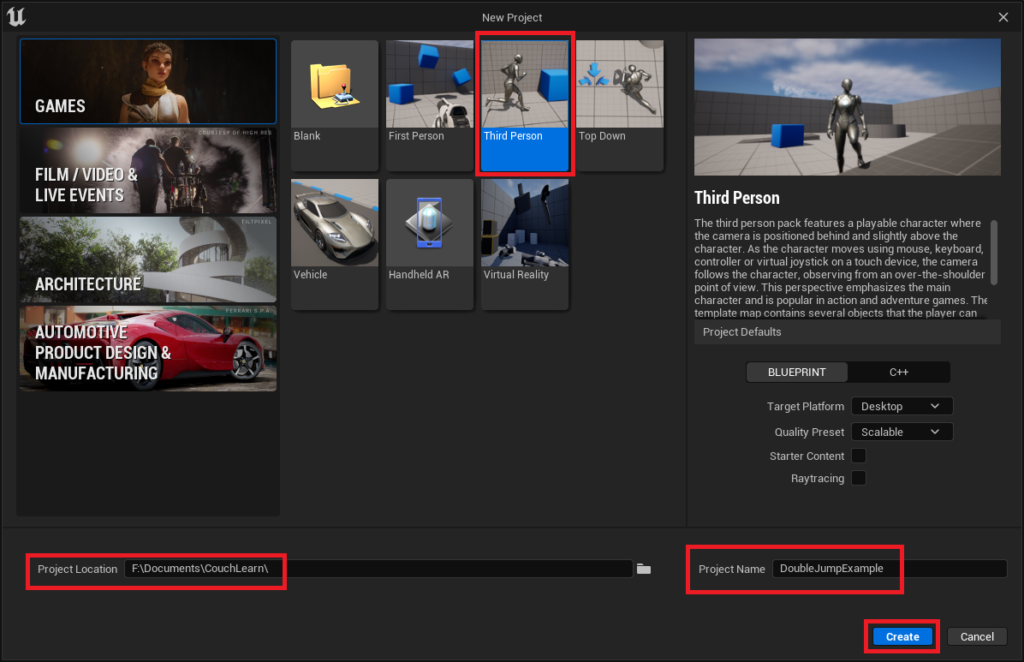
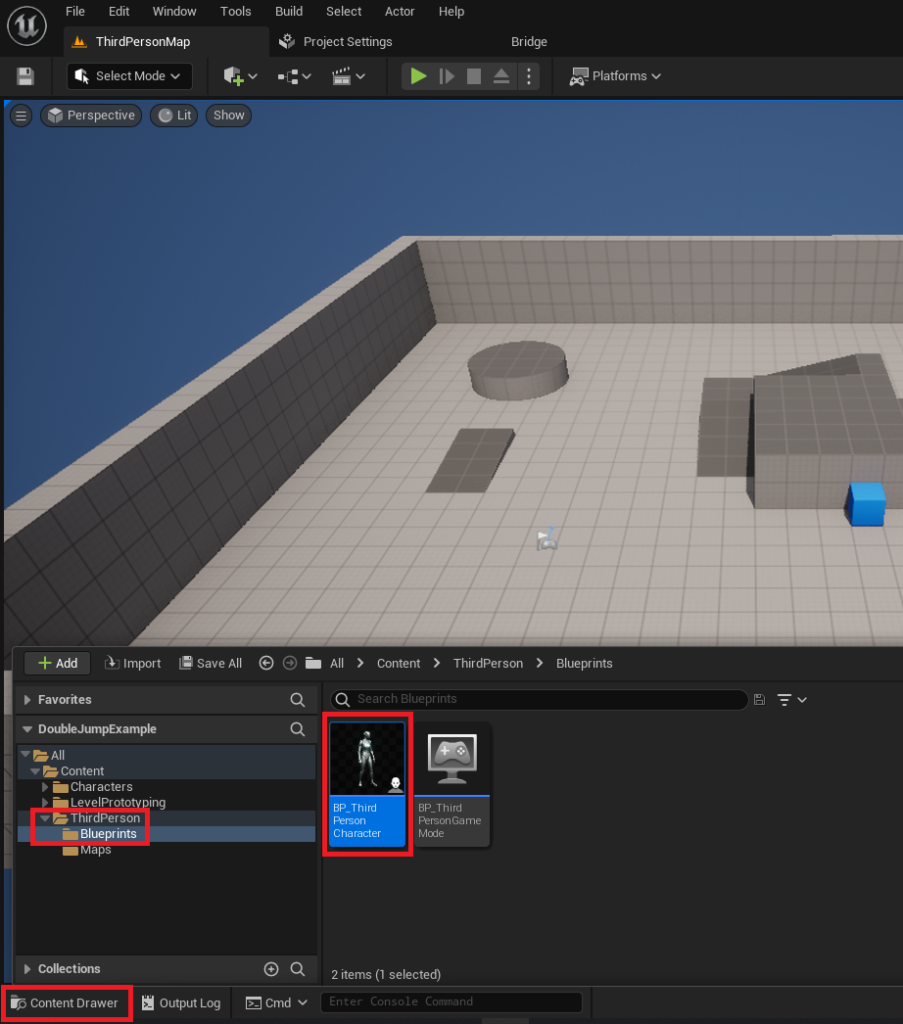
For developers working within the Unreal Engine 5 ecosystem, the path to implementing a double jump is notably direct. Starting with a standard project template, such as the Third Person template, the primary character blueprint (BP_ThirdPersonCharacter) serves as the central hub for modifications. Within this blueprint, the key to unlocking multi-jump capabilities lies in a single, easily adjustable parameter: Jump Max Count.
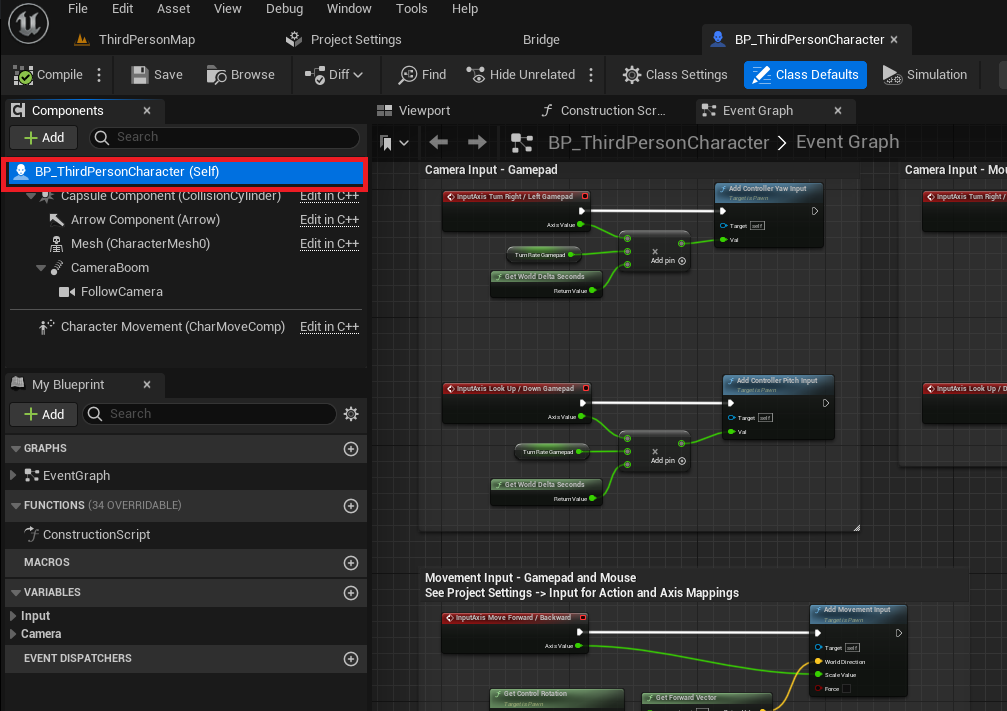
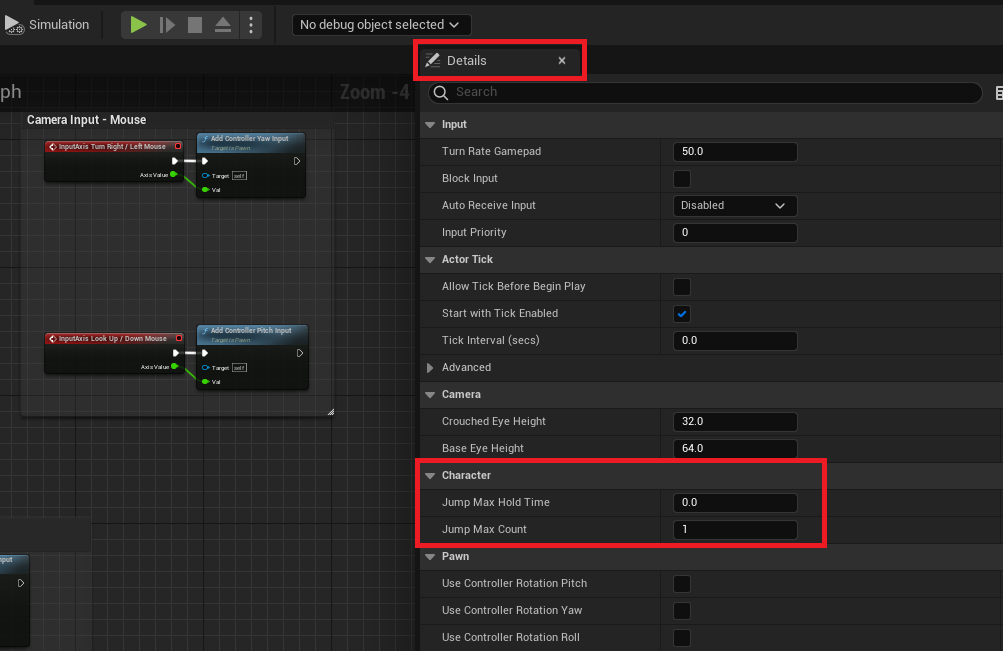
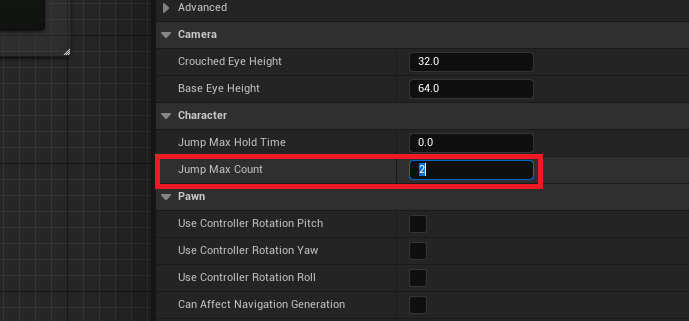
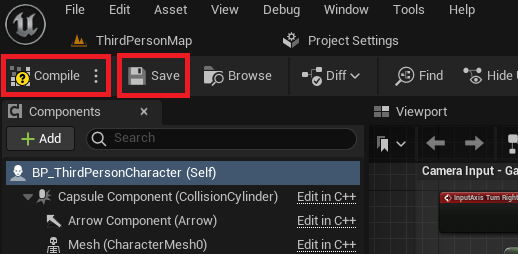
By default, this value is set to ‘1’, allowing for a single jump. Changing this parameter to ‘2’ instantly enables the character to perform a double jump. Should a game design necessitate more than two jumps – perhaps for a character with unique aerial abilities or specific platforming challenges – this value can be adjusted accordingly to ‘3’, ‘4’, or any desired number. This simple numerical modification, found within the "Character" section of the blueprint’s "Details" tab, eliminates the need for complex scripting or custom physics implementations, a stark contrast to previous generations of game development. Once the value is altered, a quick "Compile" and "Save" within the blueprint editor solidifies the change, making the new functionality immediately testable within the game world.
Beyond Functionality: The Art of Animated Feedback
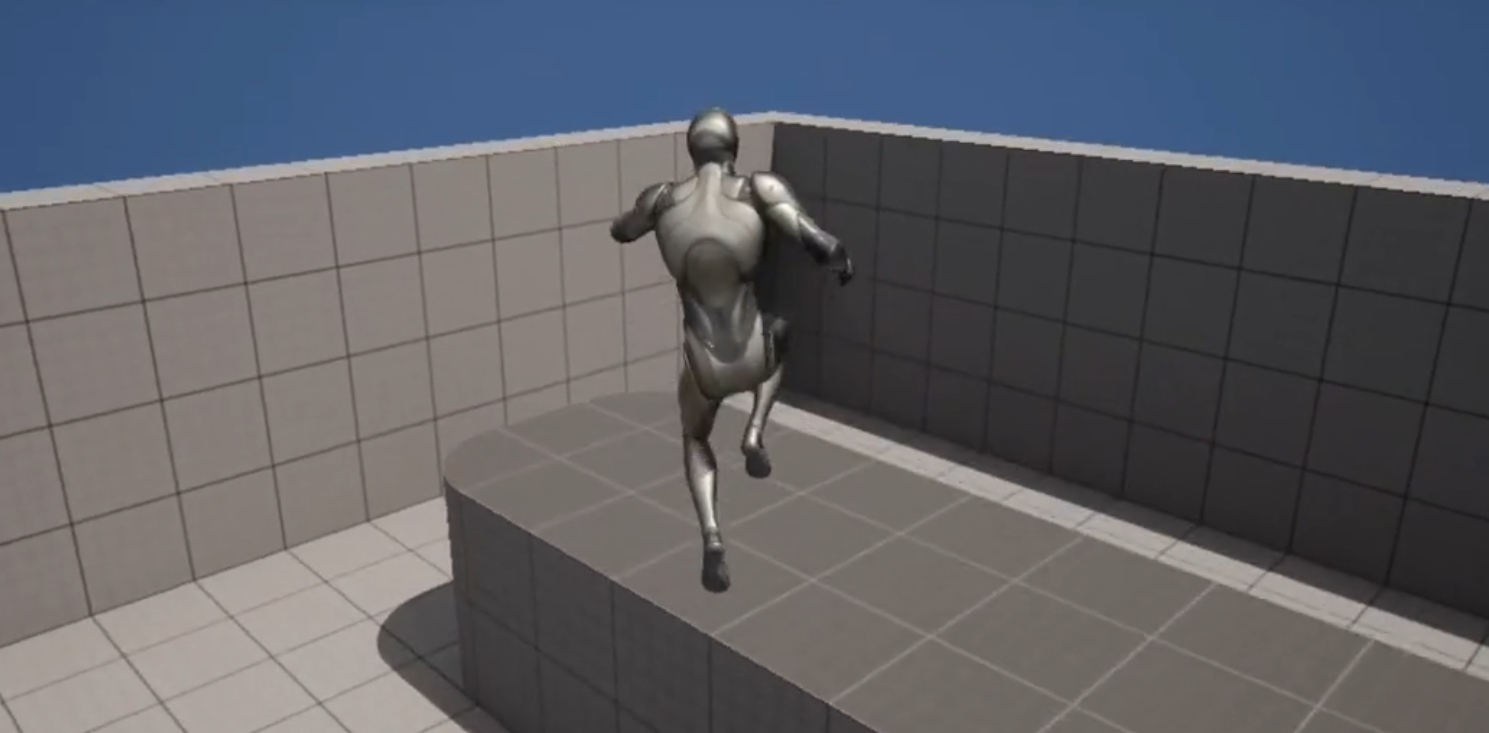
While the core functionality of a double jump can be achieved with remarkable ease, a truly polished gaming experience demands more than just mechanical execution. Visual feedback, particularly through animation, is paramount to making the double jump feel responsive, impactful, and intuitive for the player. An un-animated second jump, as demonstrated in initial implementations, can appear jarring or visually incongruous, failing to convey the effort or dynamism of the action.
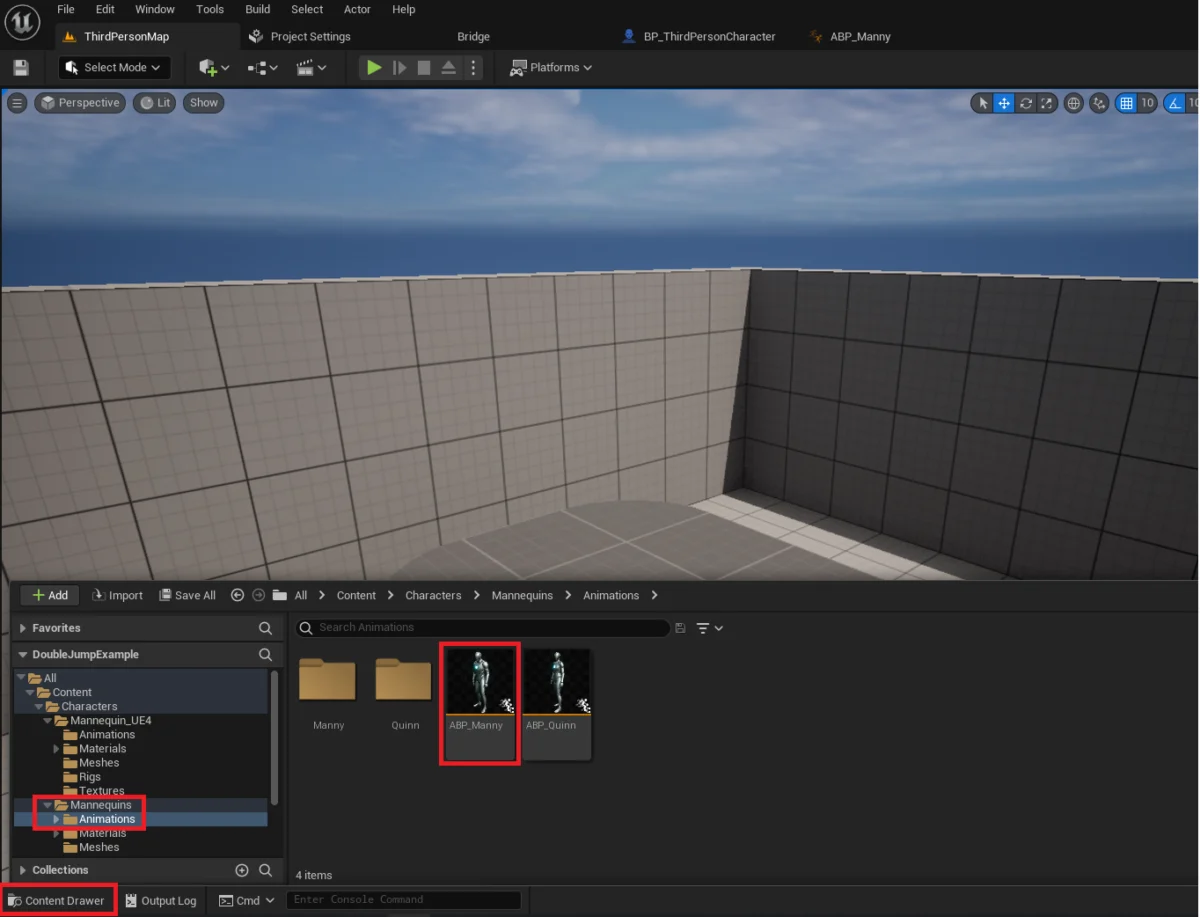
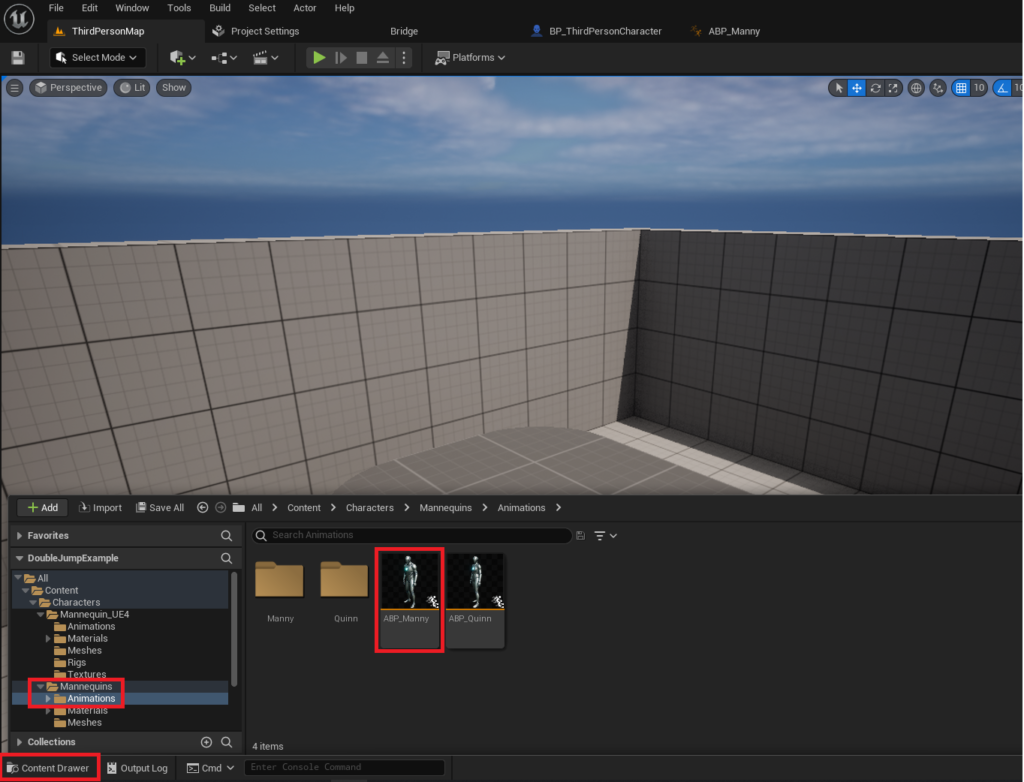
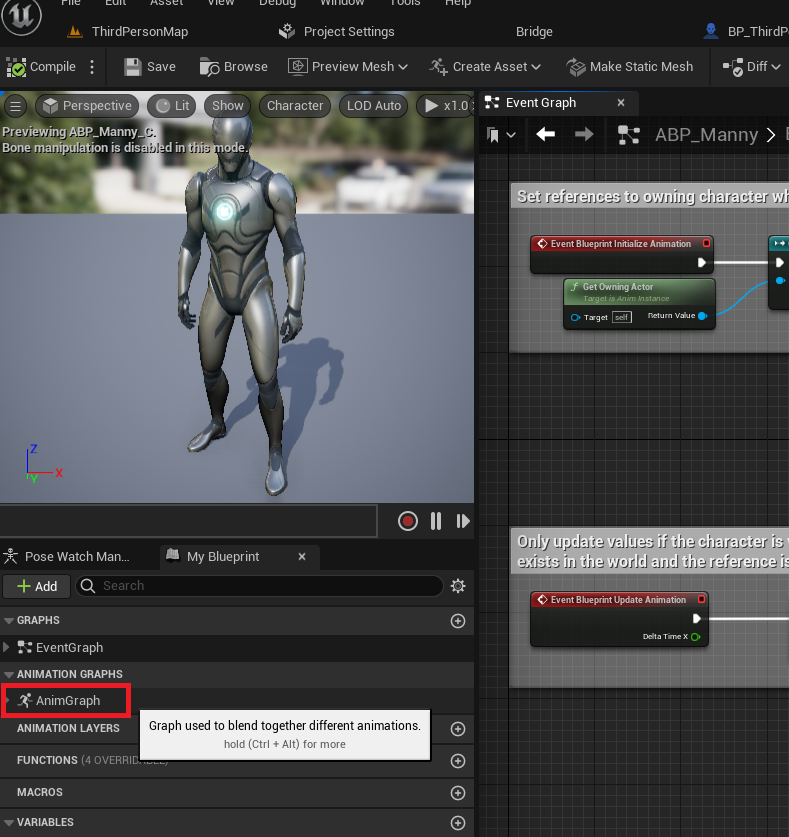
UE5 addresses this through its sophisticated animation blueprint system, allowing developers to craft compelling visual sequences for multi-jump actions. The ABP_Manny animation blueprint, typically found within the Content/Characters/Mannequins/Animations folder, is the entry point for these enhancements. Within this animation blueprint, the AnimGraph houses the state machines that dictate character movement and transitions.
The critical step for refining the double jump animation involves modifying the Main States state machine. Specifically, creating a transition from the Fall Loop state back to the Jump state is essential. This new transition, when configured with appropriate blueprint nodes, ensures that when a player triggers a second jump while already airborne (i.e., in the "fall loop" phase), the character’s jumping animation is re-triggered. This seemingly small detail significantly enhances the player’s perception, providing clear visual confirmation of the second jump’s activation and making the character’s movement feel more fluid and intentional. The blueprint nodes within the transition editor typically check for conditions such as whether the character is falling and if another jump input has been received, allowing for a seamless re-entry into the jump animation state.
Broader Impact and Implications for Game Development
The simplification of complex mechanics like the double jump within Unreal Engine 5 carries significant implications for the game development landscape.
- Democratization of Game Creation: By reducing the technical barrier to entry for common features, UE5 empowers a broader range of creators, including solo developers and small indie studios, to build sophisticated and engaging games. This accessibility means more diverse ideas can come to fruition without being hampered by arduous technical implementation.
- Focus on Innovation: When core mechanics are easy to implement, developers can dedicate more time and resources to innovative game design, unique storytelling, and creative content. Instead of spending weeks programming a robust double jump system, they can refine level design, craft compelling narratives, or experiment with novel gameplay elements.
- Enhanced Player Experience: The combination of easy functionality and robust animation tools leads to more polished and enjoyable games for players. A well-implemented double jump, complete with satisfying visual and auditory feedback, contributes significantly to a game’s overall feel and replayability.
- Industry Trends: This trend of simplifying complex engine features is reflective of a broader industry movement towards more user-friendly development environments. Engines are increasingly becoming comprehensive toolkits that handle much of the underlying complexity, allowing developers to concentrate on the creative aspects of game design.
Official Perspectives and Community Engagement
While specific statements regarding the double jump implementation are not typically released by Epic Games, their continuous updates and focus on Blueprint functionality underscore a commitment to developer empowerment. The extensive documentation and community support for Unreal Engine 5 further highlight this, providing resources for both novice and experienced users to leverage the engine’s capabilities. The game development community frequently celebrates such simplifications, sharing insights and best practices on platforms like forums and social media, indicating a collective appreciation for tools that accelerate workflows.
Conclusion
Unreal Engine 5’s approach to implementing the double jump mechanic exemplifies its broader philosophy: to make advanced game development more accessible and efficient. By allowing developers to enable this iconic feature with a simple parameter change and offering clear pathways for sophisticated animation integration, UE5 not only streamlines a fundamental gameplay element but also encourages a higher standard of polish in game design. This ease of implementation, coupled with the engine’s powerful animation tools, ensures that characters can not only perform multiple jumps but do so with visual flair that enhances the player experience, solidifying the double jump’s enduring legacy in gaming for years to come.
About the Author