The recent Gamescom Opening Night Live (ONL) presentation, a staple event hosted by Geoff Keighley, once again delivered a relentless two-hour showcase of game trailers. While the rapid-fire succession of announcements, with little thematic cohesion, has become characteristic of Keighley’s productions, this year’s event garnered particular scrutiny for the pervasive presence of generative AI (genAI) in showcased titles. Industry observers, including outlets like Kotaku and various social media discussions, highlighted that over a dozen studios featured during ONL 2026 had incorporated genAI tools at various stages of development or in their marketing materials, igniting a fresh wave of debate within the gaming community.
The Growing Shadow of Generative AI in Game Development
The integration of generative AI into game development pipelines has become one of the most contentious issues facing the industry today. While proponents argue for its potential to streamline production, automate repetitive tasks, and unlock new creative possibilities, a significant portion of the developer community views it with deep skepticism, if not outright alarm. Recent surveys, such as one cited by Game Developer, indicate that while approximately one-third of game workers utilize genAI, nearly half believe it is detrimental to the industry. Concerns range from ethical questions surrounding data sourcing and potential plagiarism to fears of job displacement and a perceived devaluation of human artistry.
The rapid proliferation of genAI tools, often trained on vast datasets that may include copyrighted material without explicit consent or compensation, raises serious intellectual property issues. Developers are wary of inadvertently incorporating "AI slop" – assets or content generated by models that have plagiarized existing works – into their games, leading to legal complications and reputational damage. The lack of transparent disclosure from some studios regarding their use of genAI further exacerbates these anxieties, often leaving players and critics to discover tell-tale signs like watermarks or stylistic inconsistencies post-release.
Gamescom ONL, as a major industry platform, found itself in a difficult position. The event’s structure, heavily reliant on advertisement deals—reportedly ranging around $120,000 for a 60-second slot—creates a powerful incentive to feature as many games as possible, regardless of their development methodologies. This commercial imperative often overrides broader industry discussions about ethical practices or artistic integrity. The decision by ONL organizers not to take a definitive stance on genAI, effectively allowing its widespread display, has been interpreted by many as a tacit endorsement, or at least an acknowledgment of its growing commercial presence, further fueling the perception that financial considerations are outweighing the calls for ethical development and protection of human creative labor. Critics argue that showcasing games developed with potentially plagiaristic AI tools undermines the very spirit of "celebrating" the industry’s creativity and innovation, transforming a cultural event into a marketplace where the origins of artistic output are secondary to its commercial viability.
Corporate Responsibility: The Tale of Two Tariff Refunds
In a contrasting display of corporate ethics, Panic, the company behind the distinctive crank-driven handheld Playdate, announced a commendable decision to refund tariff fees to its customers. The tariffs in question stemmed from a period during which the United States imposed additional duties on certain imported goods, primarily from China, impacting electronics manufacturers. Panic’s move means that any customer who purchased a Playdate during this specific period will automatically receive a refund, reflecting a commitment to pass on financial benefits directly to its consumer base. This action stands in stark relief against the approach taken by industry giant Nintendo.
Nintendo, which reportedly received a substantial $300 million in tariff refunds, has indicated no plans to similarly reimburse its customers. The company’s stance, as previously reported, suggests that consumers are not legally entitled to these rebates, framing the refunds as a matter for corporate discretion rather than consumer obligation. This disparity highlights a broader debate within the industry and beyond regarding corporate social responsibility and the distribution of financial windfalls. Panic, a smaller, independent company, has chosen to prioritize consumer goodwill and ethical transparency, leveraging its tariff refund to strengthen customer loyalty and brand image. Nintendo, with its vast resources and market dominance, has opted to retain these funds, a decision that, while perhaps legally defensible, has drawn criticism for its perceived lack of commitment to its consumer base, especially given the significant amount involved. The differing approaches underscore the varied ethical frameworks governing companies of different scales and their respective relationships with their customer communities.
Rockstar Games Grapples with Grand Theft Auto 6 Leaks
The highly anticipated Grand Theft Auto 6 experienced a severe security breach, leading to a days-long spree of leaks that saw extensive development footage disseminated across social media platforms. Rockstar Games, the venerable studio behind the franchise, eventually broke its silence, expressing profound disappointment. In a public statement, the company conveyed that it was "heartbroken" by the unauthorized release of footage, which represented early development work not intended for public consumption. The studio also used the opportunity to acknowledge the prolonged development cycle, apologizing for the time it has taken to share official details and bring the game to completion.
This incident marks one of the most significant leaks in gaming history, drawing parallels to the infamous Half-Life 2 source code leak in 2003. For a studio like Rockstar, known for its meticulous secrecy and highly controlled information releases, such a breach is not merely an inconvenience but a fundamental disruption to its creative process and marketing strategy. The leaks expose developers’ ongoing work, often in unpolished states, to public scrutiny, which can be demoralizing for teams pouring years into a project. Moreover, it creates immense pressure to accelerate official announcements or alter marketing timelines, potentially impacting the final product’s quality or the overall launch strategy. The "heartbroken" sentiment expressed by Rockstar underscores the emotional toll such breaches take on creators, who often view their work as personal and confidential until ready for presentation. The incident also serves as a stark reminder of the escalating cybersecurity challenges facing major game developers, necessitating robust internal protections against increasingly sophisticated threats.
1047 Games Pivots: The End of Splitgate and Empulse Development
The landscape of live-service games is notoriously volatile, a reality underscored by the recent announcement from 1047 Games regarding the cessation of active development for both Splitgate Arena Reloaded and Empulse. This decision follows a period of significant restructuring for the studio, including reported staff layoffs approximately a month prior to the announcement. Splitgate, a portal-infused arena shooter, initially garnered considerable attention and a dedicated player base, often dubbed a "Halo killer" early in its lifecycle. However, maintaining momentum in the crowded live-service market proved challenging. Empulse, a newer title, launched just in June of this year before its development was also halted.
(1).png?width=1280&&quality=80&disable=upscale)
In a move to preserve player access, 1047 Games confirmed that both titles would transition to peer-to-peer hosting with a server browser, allowing the community to continue playing rather than facing a complete shutdown. This approach, while offering a lifeline to existing players, signifies a definitive shift away from ongoing content updates and official support. Looking ahead, 1047 Games stated a change in focus after a decade dedicated to live-service shooters. While the specifics of this new direction remain undisclosed, it suggests a potential exploration of different genres, business models, or perhaps a return to smaller, more manageable projects. This pivot reflects the inherent risks and intense competition within the live-service sector, where even initially successful games can struggle to sustain long-term engagement and profitability, ultimately necessitating difficult strategic decisions regarding resource allocation and future development paths.
CAA Enters the Gaming Fray with Frame1Games Indie Fund
The Creative Artists Agency (CAA), a dominant force in talent representation across film, television, music, and sports, has formally expanded its footprint into the video game industry with the launch of Frame1Games. This new venture is designed to "fund, accelerate, and market" independent video games, offering a comprehensive support system for indie studios. The initiative aims to address critical challenges faced by smaller developers, including securing funding, navigating complex marketing landscapes, and gaining visibility in a crowded market.
Starting in 2027, Frame1Games will provide participating studios with a range of resources. These include financial backing, showcasing opportunities within a curated marketplace, and mentorship from seasoned industry veterans and CAA executives. Furthermore, the program promises "direct access" to CAA’s extensive network of partners and vendors, potentially opening doors to unprecedented collaboration and distribution channels for indie titles. This strategic move by CAA underscores a broader trend of convergence between traditional entertainment sectors and the burgeoning video game industry. As gaming continues to grow in cultural and economic significance, major agencies are increasingly recognizing the value of investing in and nurturing game development talent. Frame1Games could represent a significant boon for independent developers, offering not just capital but also the strategic guidance and networking power typically reserved for larger studios, thereby potentially altering the competitive landscape for indie game publishing and distribution.
A Fond Farewell to Tim Curry: A Voice Etched in Gaming History
The entertainment world mourned the passing of the iconic actor Tim Curry, who died at the age of 80. Celebrated for his prolific career spanning theater, film, and television, Curry also left an indelible mark on the video game industry, lending his distinctive voice and likeness to several memorable characters. His diverse credits include the charismatic villain Lord of the Hunt in Brütal Legend, the cunning Arl Rendon Howe in Dragon Age: Origins, and the delightfully eccentric Emperor Romanov in Command & Conquer: Red Alert 3.
Curry’s career was characterized by an extraordinary range and a theatrical presence that captivated audiences worldwide. From his legendary portrayal of Dr. Frank-N-Furter in The Rocky Horror Picture Show to his villainous turn as Pennywise in the 1990 miniseries It, his performances were consistently captivating. In the realm of video games, his unique vocal talents added depth, gravitas, and often a touch of sardonic humor to his characters, elevating the narrative and immersion for players. His passing, alongside other notable figures like Dolly Parton in the same week, served as a poignant reminder of the cultural contributions of these artists and the impact they had across various media. His legacy in gaming, though perhaps a smaller facet of his vast career, is cherished by fans who experienced his memorable performances within their favorite digital worlds.
Gamescom Dev 2026 Reports Robust Growth
While Gamescom Opening Night Live captured public attention, the concurrent Gamescom Dev 2026 event, focused on the business and development aspects of the industry, reported significant growth. The event, which serves as a crucial platform for industry professionals, recorded over 6,200 unique registered participants, marking a 15 percent increase compared to its 2025 iteration. This growth underscores the robust health of the B2B segment of the gaming industry, highlighting a continued demand for networking, knowledge sharing, and professional development opportunities.
The 2026 edition featured an impressive lineup, with 397 speakers delivering 238 sessions across various tracks. Unsurprisingly, given the earlier discussions at ONL, generative AI emerged as one of the most prominent and frequently debated topics during these sessions, reflecting its critical importance and the ongoing industry-wide dialogue surrounding its implications. The success of Gamescom Dev 2026, particularly its growth in participation, indicates a thriving ecosystem for game creators, publishers, and service providers. The event’s organizers have already announced plans to continue this momentum with a leadership summit scheduled for Lisbon in March of next year, signaling a sustained commitment to fostering industry collaboration and addressing key challenges.
No More Room in Hell 2: A Resurgent Success Story
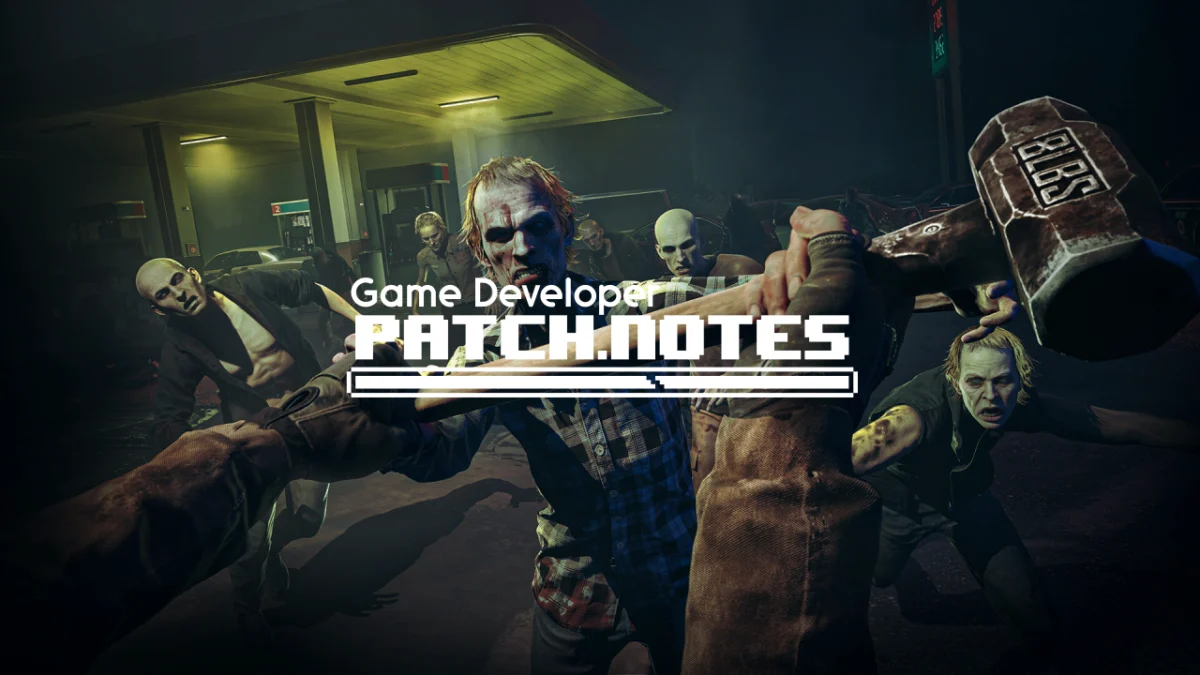
In a testament to perseverance and effective post-launch support, No More Room in Hell 2 has achieved a remarkable turnaround, surpassing 1 million players since its 1.0 release. This success story is particularly noteworthy given the game’s challenging early access launch in late 2024. Initial player reception was largely negative, with an array of bugs, optimization issues, and questionable design choices leading to a "Mostly Negative" rating on Steam. The difficulties extended beyond player feedback, as developer Torn Banner Studios subsequently underwent an undisclosed number of staff layoffs. Despite these setbacks, the studio affirmed its commitment to the zombie co-op sequel.
The dedication to refining the game appears to have paid off. Just over two weeks after its official 1.0 launch, No More Room in Hell 2 has garnered a "Mostly Positive" rating on Steam, reflecting a significant improvement in player experience and satisfaction. This dramatic shift in sentiment, coupled with achieving the 1 million player milestone, makes No More Room in Hell 2 an anomaly in an industry where support for multiplayer titles can often be short-lived, especially after a troubled launch. The game’s resurgence highlights the critical role of community feedback, diligent bug fixing, and sustained development efforts in transforming a struggling title into a successful one, demonstrating that a second chance, when properly executed, can lead to substantial long-term gains and renewed player trust.
About the Author