The itch.io desktop application has received a substantial upgrade through two recent releases, versions v26.15.0 and v26.17.0, significantly enhancing user experience, particularly for owners of large game bundles. These updates, driven by direct feedback from the platform’s GitHub issues tracker, introduce a suite of features including integrated bundle management, granular per-game launch settings, and expanded support for installing platform-untagged downloads. Following the initial rollout, a critical hotfix, v26.18.0, was swiftly deployed to address a widespread crashing issue affecting macOS users, underscoring the development team’s commitment to rapid response and application stability. Users experiencing persistent crash loops on macOS may need to reinstall the application from the official setup program to ensure proper functionality.
A New Era for Bundle Ownership in the Itch.io App
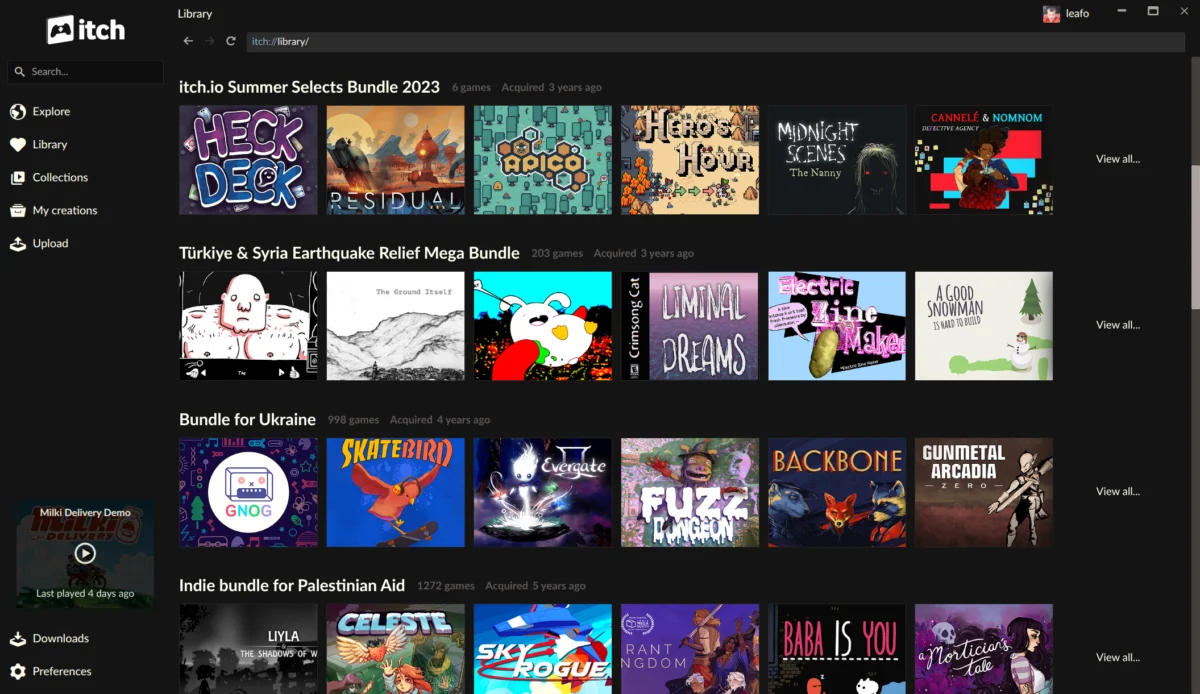
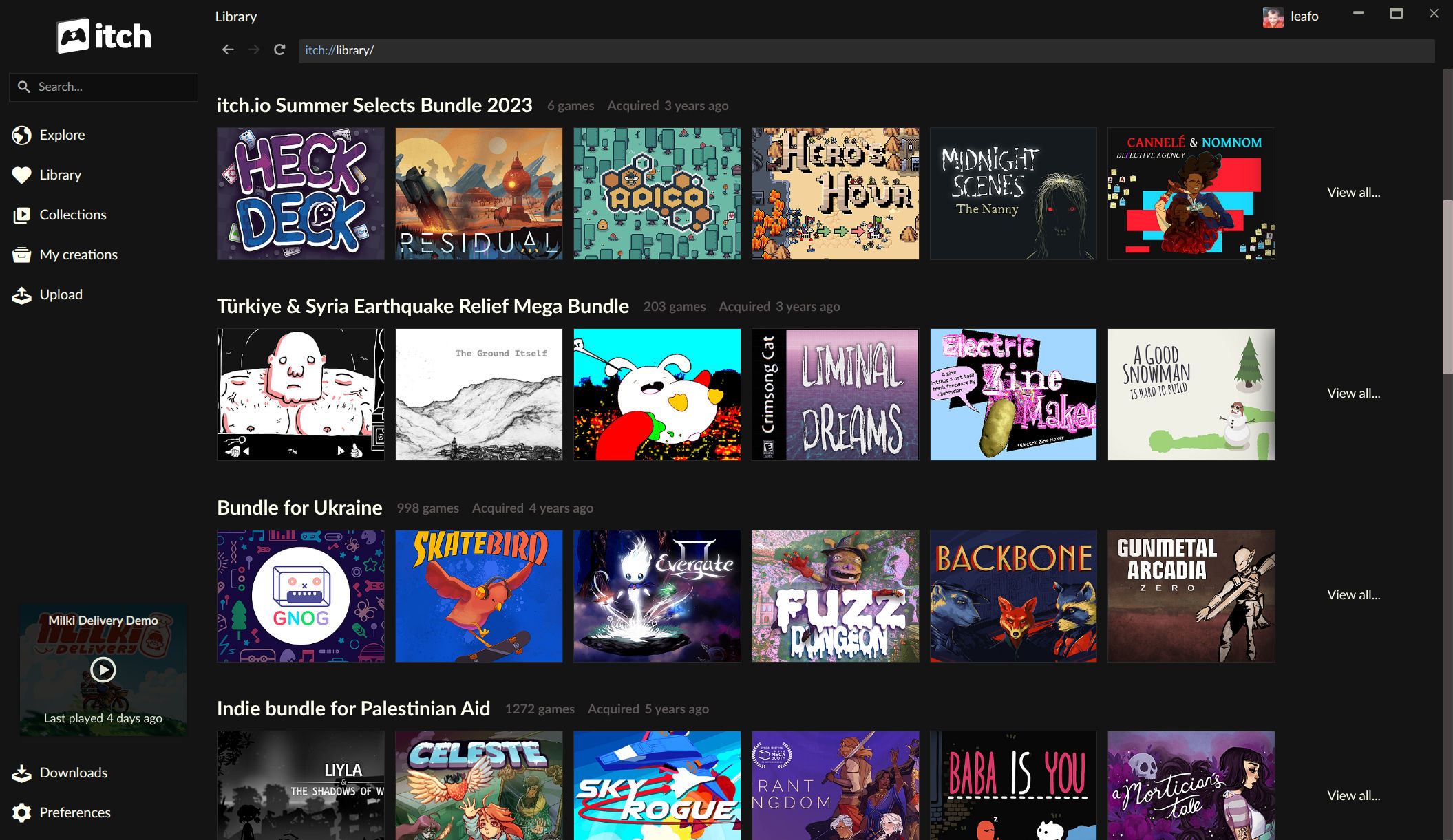
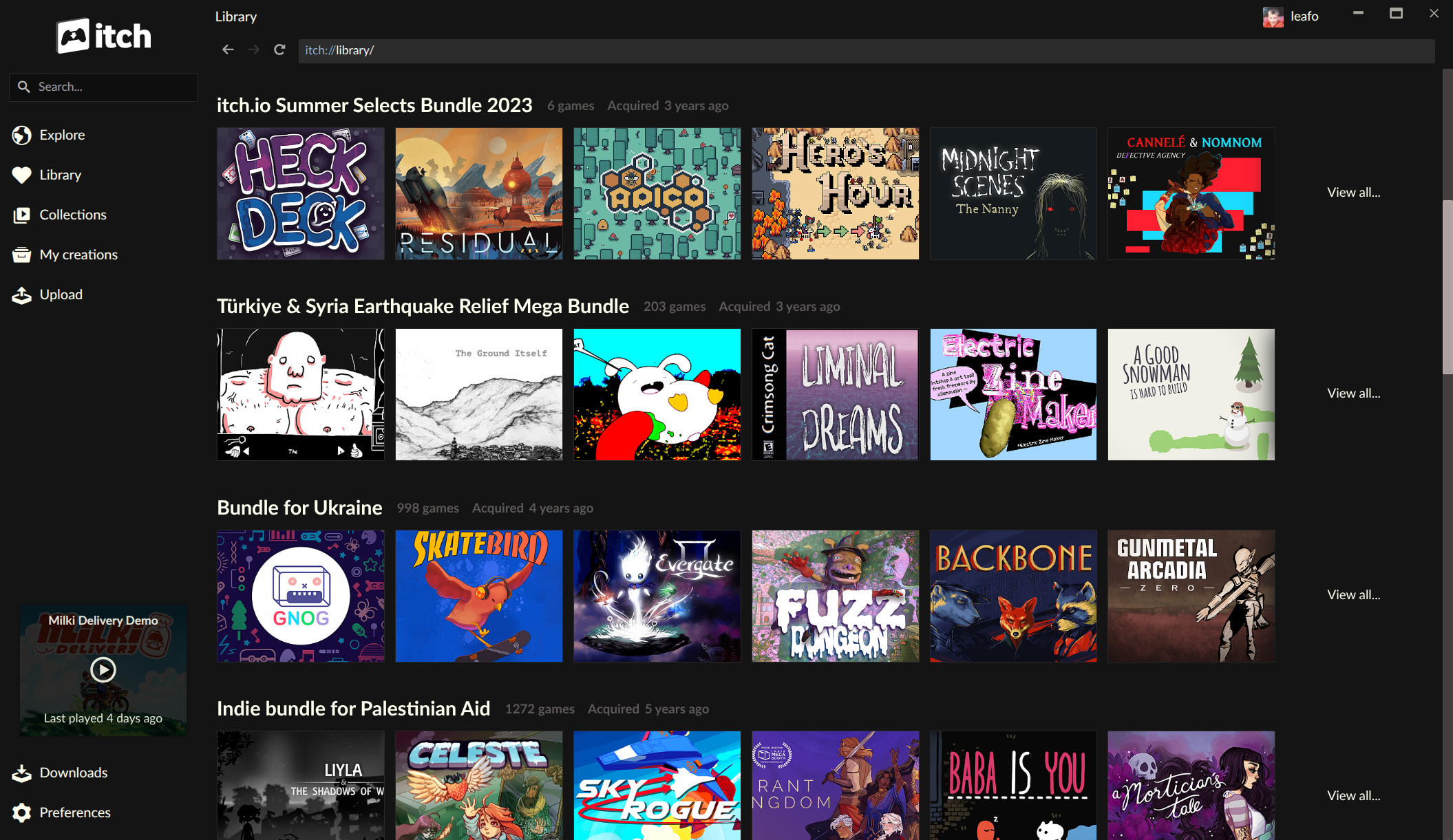
Perhaps the most impactful enhancement within these updates is the complete overhaul of how game bundles are presented and managed within the itch.io app. Previously, the application lacked a native understanding of the unique ownership model employed for the platform’s most extensive charity bundles. Historic events like the "Bundle for Racial Justice and Equality" in 2020, which featured an astounding 1,741 items and was purchased over 800,000 times, and the "Bundle for Ukraine" in 2022, comprising nearly 1,000 items and attracting over 400,000 buyers, presented unprecedented technical challenges for traditional database management. Generating individual download keys for every item for every purchaser in these scenarios would have resulted in a staggering number of database entries—potentially exceeding a billion rows for the Racial Justice bundle alone. To circumvent this, itch.io implemented a system where a single record covers the entire bundle purchase, with individual game download keys only being generated upon a user explicitly claiming them via the website.
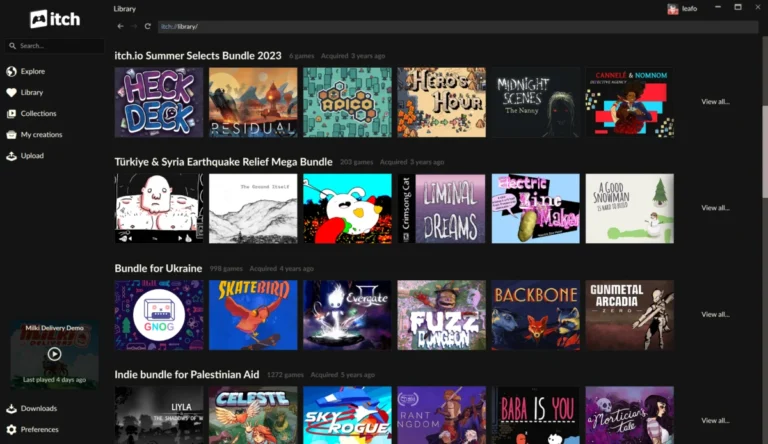
This historical technical constraint meant that games acquired through these colossal bundles would not appear in a user’s in-app library until each one was individually claimed on the itch.io website. This often led to frustration and underutilization of purchased content, as the sheer volume of games made manual claiming a daunting task. With the new updates, the itch.io app now possesses a direct understanding of this nuanced bundle ownership. Bundles a user owns are now prominently displayed in their library, each with its own dedicated page. These bundle pages provide a comprehensive listing of every game included, complete with robust sorting options, title-based search functionality, and filters by platform, classification, and installation status. Crucially, games can now be installed directly from these bundle pages, eliminating the cumbersome step of navigating to the website for each title. This significant improvement is expected to dramatically enhance discoverability and playability for the millions of users who have supported these charitable initiatives, transforming previously unwieldy collections into easily navigable digital libraries. Furthermore, this internal revamp coincides with itch.io’s recent improvements to its bundle hosting tools, providing a more streamlined experience for both creators and consumers.
Empowering Users with Advanced Launch Settings
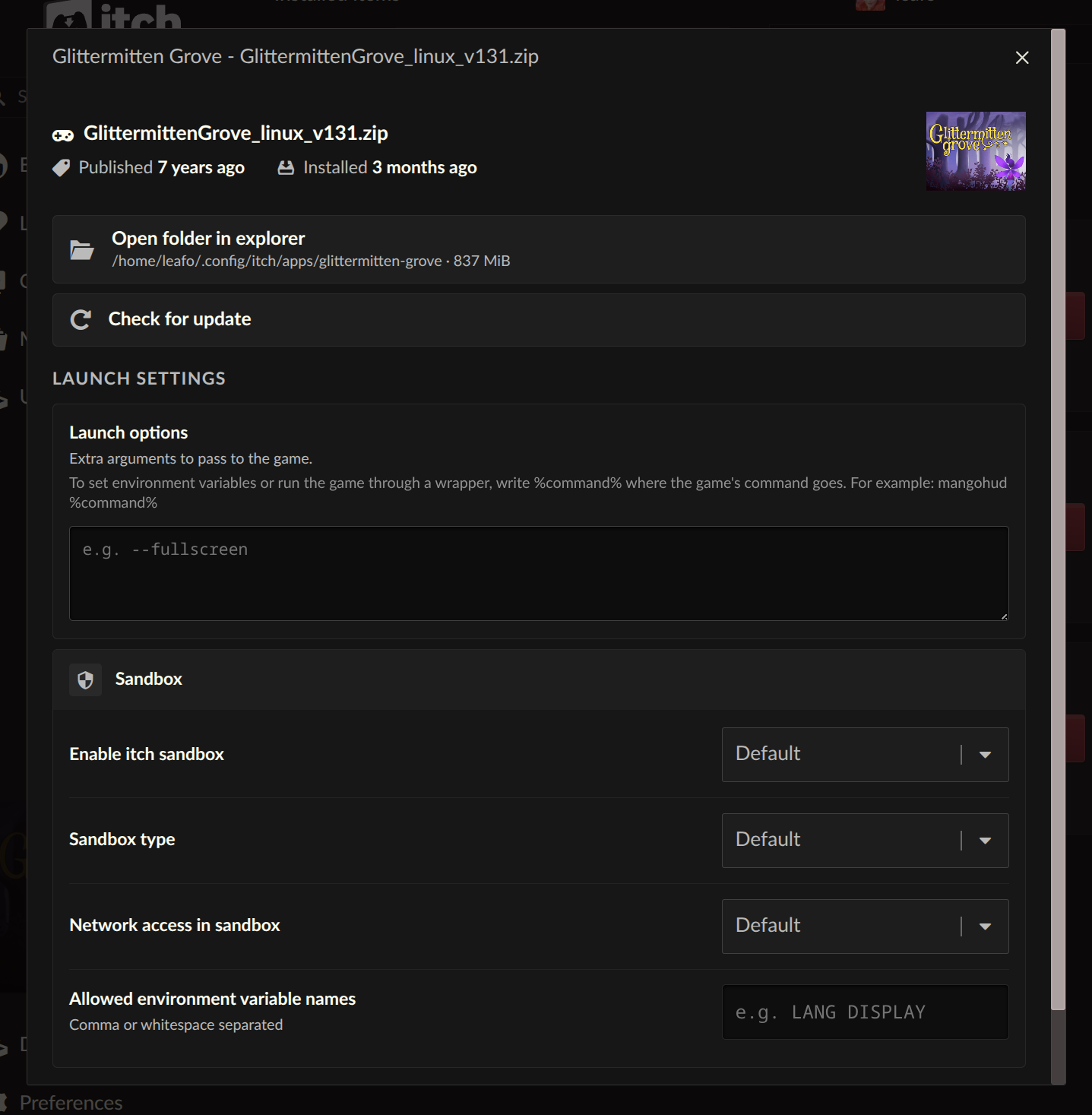
Beyond bundle integration, the latest updates introduce a suite of advanced launch settings, offering unprecedented control over how individual games are executed. Accessible from each installed game’s ‘manage’ dialog, a new "Launch settings" area allows users to configure critical parameters on a per-game basis. These include sandbox restrictions, which can isolate games from the rest of the system for security or stability, and granular network access controls, providing privacy-conscious users the ability to manage a game’s internet connectivity. Additionally, environment variables can now be set, offering a powerful tool for developers during testing or for advanced users customizing game behavior without altering core files.
A highly requested feature, the "Command pattern" option for launch arguments, has also been implemented. This allows users to pass plain arguments directly to a game’s executable, a standard requirement for many titles. More significantly, it introduces the capability to wrap the game’s launch within another command. This functionality is invaluable for users leveraging compatibility layers like Wine or Proton on Linux to run Windows-native games, or for those employing debugging tools, performance monitors, or custom launchers. By allowing users to define a command pattern, itch.io is catering to a more technical audience and acknowledging the diverse computing environments in which its games are played, particularly within the growing Linux gaming community. This level of customization positions the itch.io app as a more flexible and powerful client for discerning users.
Breaking Down Platform Barriers: Flexible Downloads
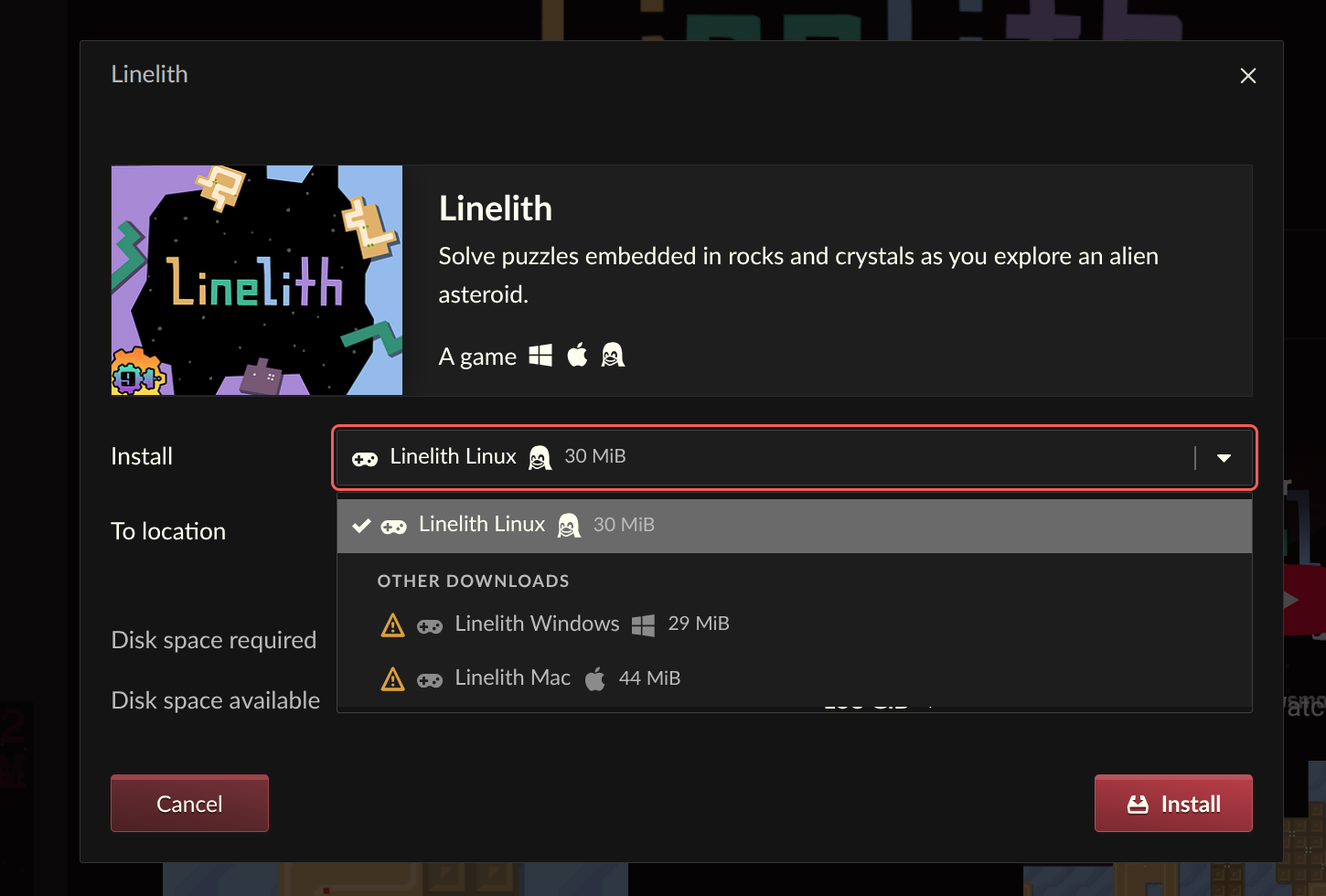
In a move that further emphasizes user autonomy and cross-platform flexibility, the itch.io app now permits the revelation and installation of downloads not explicitly tagged for the user’s current operating system. Previously, if a developer failed to tag an upload for a specific OS, or if a user wished to download a build intended for a different platform (e.g., a Windows build for use with a compatibility layer on Linux), the app would obscure these options. The updated install dialog now includes functionality to reveal and proceed with installing these untagged or non-native platform downloads.
This feature directly addresses a long-standing point of friction for users operating in diverse or niche computing environments. For instance, Linux gamers relying on compatibility tools like Wine or Proton often need access to Windows executables, even if the developer hasn’t specifically provided a Linux-tagged version. By removing this artificial barrier, itch.io not only enhances the utility of its app for cross-platform play but also provides developers with greater flexibility. It mitigates the pressure on creators to meticulously tag every single build for every conceivable operating system, as users now have the means to acquire and attempt to run content regardless of explicit platform tagging. This update reinforces itch.io’s reputation as a platform that champions open standards and user choice, diverging from more restrictive distribution models.
Streamlined Discovery: The New Sidebar Search
The navigation and discovery experience within the itch.io app have also seen refinements, particularly with the replacement of the sidebar search functionality. The previous search mechanism, which relied on the platform’s API for autocomplete suggestions, often presented results in a confusing order, hindering users’ ability to efficiently locate desired content. The developers have acknowledged this limitation, stating that autocomplete is most effective for items a user already possesses or is familiar with.
The revamped sidebar search adopts a more intuitive approach, drawing a clearer distinction between searching for owned items and discovering new content. While the specifics of the new search interface are not fully detailed in the provided information, the intent is clear: to provide a more focused autocomplete experience for existing library items, while directing broader content discovery queries to the full search experience available on the itch.io website. This strategic change aims to reduce user frustration by ensuring that search results are contextually relevant, thereby improving overall app usability and content accessibility.
Addressing User Feedback: The MacOS Hotfix and Developer Responsiveness
The release of these significant updates was not without its initial challenges. Shortly after the deployment of v26.15.0 and v26.17.0, a number of macOS users reported critical issues, primarily widespread application crashes that rendered the itch.io app unusable. User feedback, as evidenced by comments on the original announcement, quickly highlighted the severity of this problem, with multiple reports of the app "quitting unexpectedly" upon launch or during operation.
In a demonstration of rapid developer responsiveness, the itch.io team swiftly pushed out a hotfix, version v26.18.0, specifically designed to address and resolve the macOS crashing issue. This prompt action underscores the importance of a vigilant development cycle and a direct channel for user feedback, which itch.io maintains through its GitHub issues tracker. For users whose installations were caught in a persistent crash loop, the official recommendation was to reinstall the application from the setup program available at itch.io/app. This ensures a clean installation of the hotfixed version, restoring stability and functionality. Such immediate remediation efforts are crucial for maintaining user trust and ensuring the long-term viability of a software platform.
The Broader Vision: Itch.io’s Commitment to the Indie Ecosystem
These comprehensive updates collectively reinforce itch.io’s strategic position as a vital, creator-centric platform within the independent game development landscape. By focusing on critical user pain points—particularly around large game bundles and granular application control—itch.io is actively enhancing the value proposition of its desktop client. The platform has consistently differentiated itself from larger digital storefronts through its flexible revenue sharing models, support for experimental content, and a strong emphasis on community and direct creator-to-player relationships.
The technical solutions implemented for bundle management not only improve user experience but also demonstrate itch.io’s capacity to innovate and overcome complex distribution challenges unique to its ecosystem. The addition of advanced launch settings and platform-agnostic downloads caters directly to power users and the growing segment of gamers who utilize non-traditional setups or wish for greater control over their software environment. This commitment to flexibility and user empowerment aligns with the broader ethos of indie gaming, where customization and freedom are highly valued.
As the digital distribution landscape continues to evolve, updates like these are crucial for itch.io to maintain its competitive edge and foster a robust community. By actively listening to its user base, iterating on its core application, and tackling long-standing technical hurdles, itch.io is solidifying its role as an indispensable tool for both indie game enthusiasts and the developers who bring their visions to life. Users can acquire the latest version of the itch.io app from https://itch.io/app, with existing installations configured to update automatically. Full changelogs for v26.15.0 and v26.17.0 remain accessible on the platform’s GitHub repository, offering transparent insight into the ongoing development process. The trajectory of these updates signals a strong commitment to continuous improvement, promising an even more refined experience for the itch.io community in the future.
About the Author