A year after issuing a public call to action for Americans to "Share the American Dream," tech entrepreneur and Stack Overflow co-founder Jeff Atwood, alongside his wife Betsy Atwood, has announced a substantial $50 million pledge towards the newly established Rural Guaranteed Minimum Income Initiative (RGMII). This significant commitment, representing half of their remaining wealth, targets systemic poverty by implementing direct cash transfer programs in underserved rural counties across the United States, building upon an initial $21 million in immediate charitable donations made in early 2025. The initiative marks Atwood’s "third and final startup," pivoting his entrepreneurial drive towards a philanthropic endeavor focused on evidence-based poverty alleviation.
Background: A Tech Pioneer’s Philanthropic Turn
Jeff Atwood rose to prominence as a highly influential figure in the software development community. His "Coding Horror" blog became a staple for programmers, sharing insights on coding practices, software design, and the broader tech industry. In 2008, he co-founded Stack Overflow, an online community question-and-answer platform for professional and enthusiast programmers. Stack Overflow rapidly grew into an indispensable resource, becoming one of the most visited websites for developers worldwide. The platform’s success culminated in its acquisition in June 2021 by Prosus, a Dutch internet investment firm, for a reported $1.8 billion. This acquisition provided Atwood with considerable wealth, prompting a profound re-evaluation of its purpose.

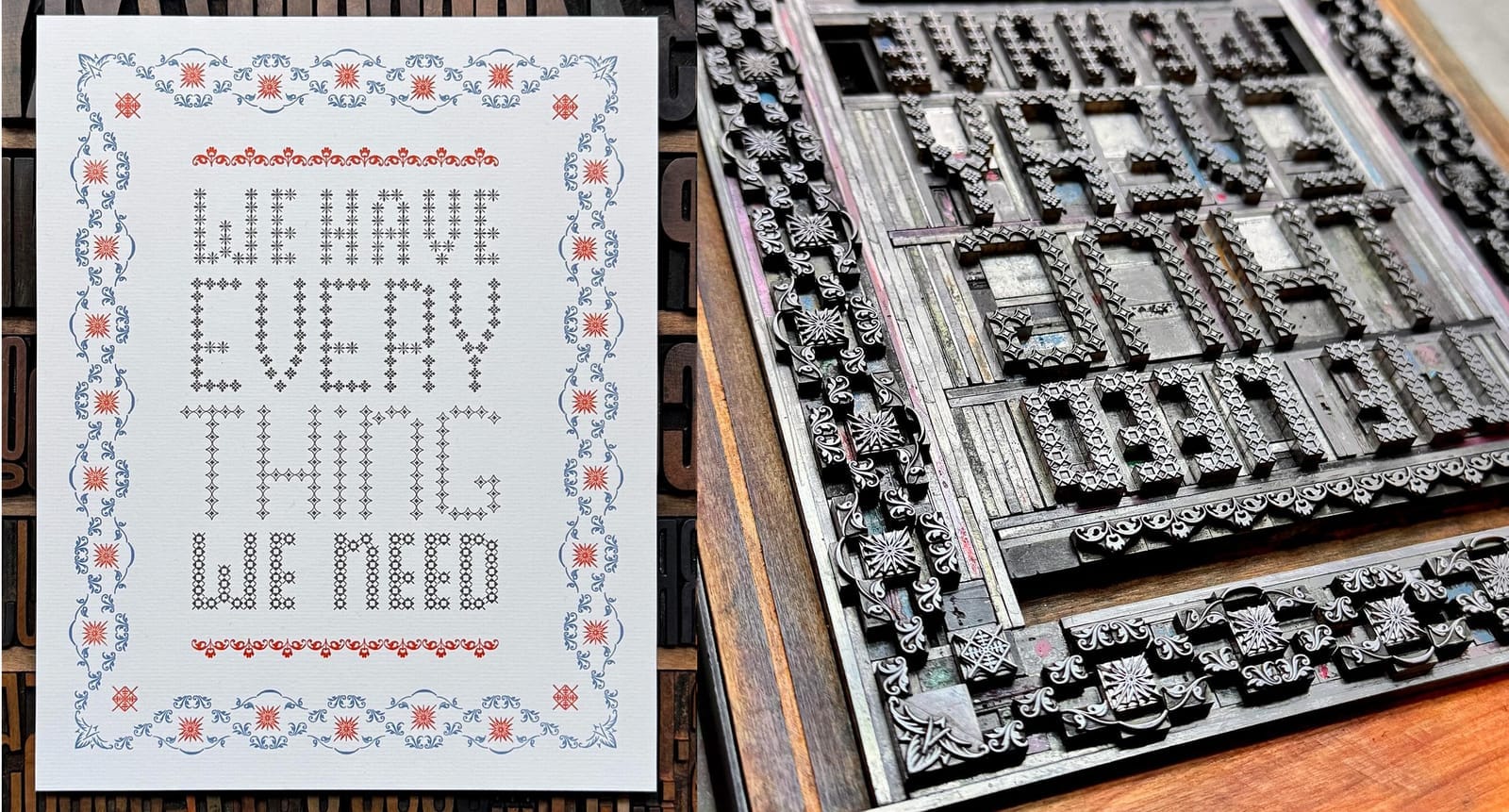
Atwood’s journey into large-scale philanthropy began with a fundamental question: "When, exactly, is enough?" This introspection, spurred by his family’s financial security, led to the "Share the American Dream" pledge in early 2025. The pledge outlined a two-pronged approach: immediate support for organizations effectively helping those in need, and long-term efforts to ensure the American Dream remains fair and attainable for future generations. This philosophy resonated deeply with his wife, Betsy Atwood, who articulated their family’s core belief on a recent podcast: "We have everything we need; how do we make sure everybody has what they need?" This sentiment underscores the initiative’s focus on basic human necessities—a comfortable place to live, enough to eat, and access to healthcare—as foundational elements for opportunity.
Chronology of a Vision: From Pledge to Initiative
The first phase of the "Share the American Dream" pledge focused on immediate relief. In January 2025, the Atwoods initially allocated $1 million to eight carefully selected nonprofit charities. However, witnessing the escalating urgency of societal needs, they swiftly increased their contributions by an additional $13 million within a few months, bringing the total immediate donations to $21 million. These funds were directed to organizations addressing acute issues such as food insecurity, housing instability, and emergency aid, aiming to alleviate immediate suffering.
While crucial, these reactive measures highlighted the need for systemic change. Atwood recognized that "you can’t take a completely short term view and fight each individual fire reactively, as it comes. You’ll never stop firefighting." This realization spurred the development of the long-term strategy, leading to the $50 million pledge. Initially, Atwood explored models like a modernized RAND Corporation or Lever for Change, seeking to empower experts to forge a realistic path toward preserving the American Dream. By March 2025, a consensus had formed around a specific solution: Guaranteed Minimum Income (GMI). This decision marked a pivotal moment, shifting the focus from general research to the direct implementation and advocacy of a proven economic intervention. The establishment of the Rural Guaranteed Minimum Income Initiative (RGMII) followed swiftly, operationalizing this vision.

Understanding Guaranteed Minimum Income (GMI)
Guaranteed Minimum Income (GMI) is a refined approach to direct cash transfers, distinguished from Universal Basic Income (UBI) by its targeted application. While UBI typically involves providing a regular, unconditional income to all citizens, GMI focuses on directing financial assistance to those who most critically need it, particularly families experiencing generational poverty or individuals facing acute economic hardship. This targeted approach ensures that resources are allocated where they can have the most profound impact, maximizing efficiency and addressing specific vulnerabilities.

The concept of direct cash transfers, from which GMI and UBI derive, has a rich, albeit often overlooked, history. Early proponents in the United States included figures like Thomas Paine in the 18th century, advocating for a citizen’s dividend. In the 20th century, economists like Milton Friedman, a Nobel laureate, even proposed a negative income tax, a mechanism similar in principle to GMI, to efficiently alleviate poverty. Throughout the decades, various pilot programs and academic studies have explored the efficacy of such interventions. Modern research, often citing experiments in places like Stockton, California; Finland; and various Canadian cities, consistently demonstrates the positive effects of direct cash transfers. Studies have shown improvements in recipients’ physical and mental health, increased educational attainment for children, enhanced financial stability, and even reductions in local crime rates. Crucially, these programs often debunk common misconceptions, showing that recipients typically use the funds responsibly for basic needs, housing, education, and transportation, and do not, in significant numbers, reduce their work effort. Instead, the financial stability provided by GMI can empower individuals to pursue education, vocational training, or better-paying jobs, ultimately fostering greater economic self-sufficiency.
The Rural Guaranteed Minimum Income Initiative: A Focused Approach
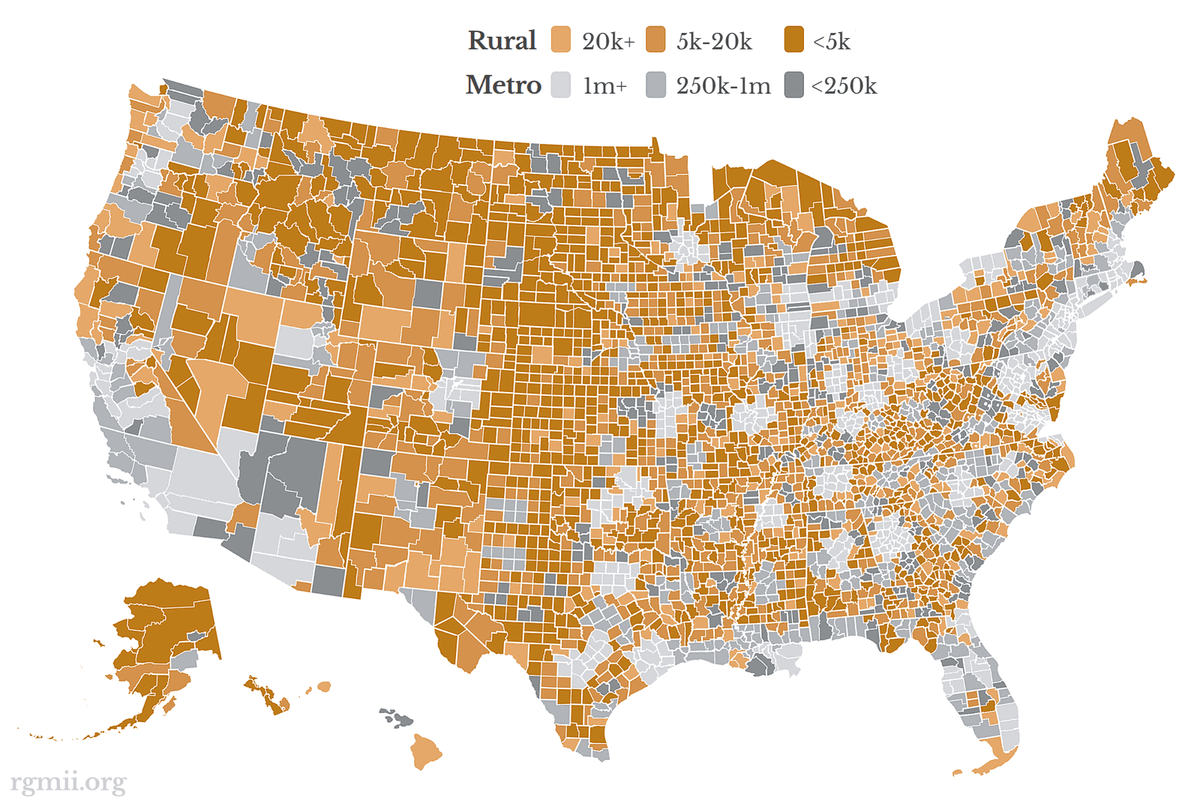
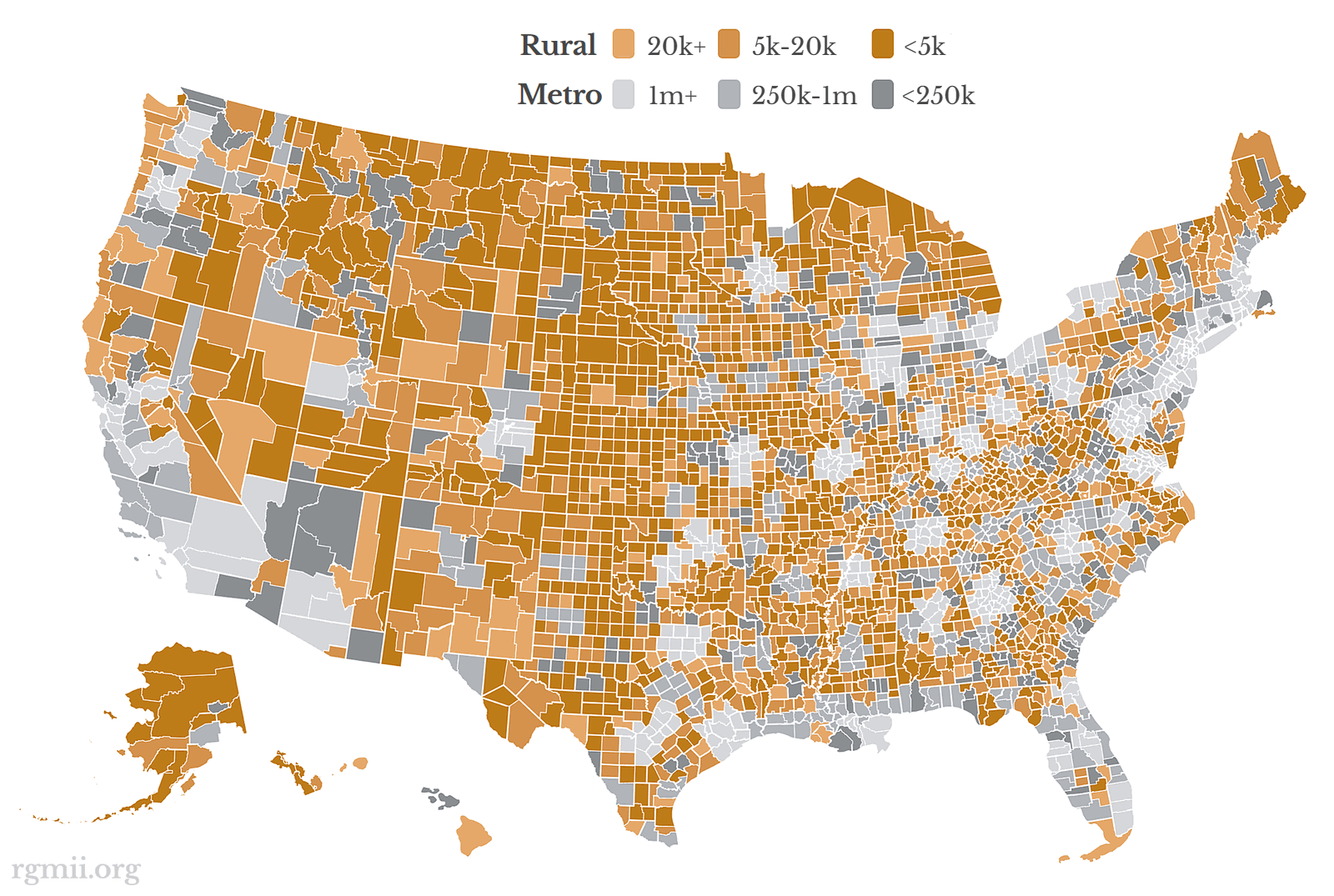
The RGMII’s strategic focus on rural counties is a deliberate and data-driven decision. Rural America, often overlooked in national policy discussions and philanthropic endeavors, faces disproportionately high rates of poverty and limited access to resources. According to recent demographic data, many rural areas struggle with persistent economic challenges, including declining industries, out-migration of younger populations, and inadequate infrastructure. By concentrating efforts in these regions, the RGMII aims to maximize the impact of each dollar, as living costs are generally lower than in urban centers, allowing the direct cash transfers to go further. Furthermore, the smaller, more tightly-knit populations in rural counties offer ideal conditions for robust, observable studies, facilitating meticulous data collection and analysis.
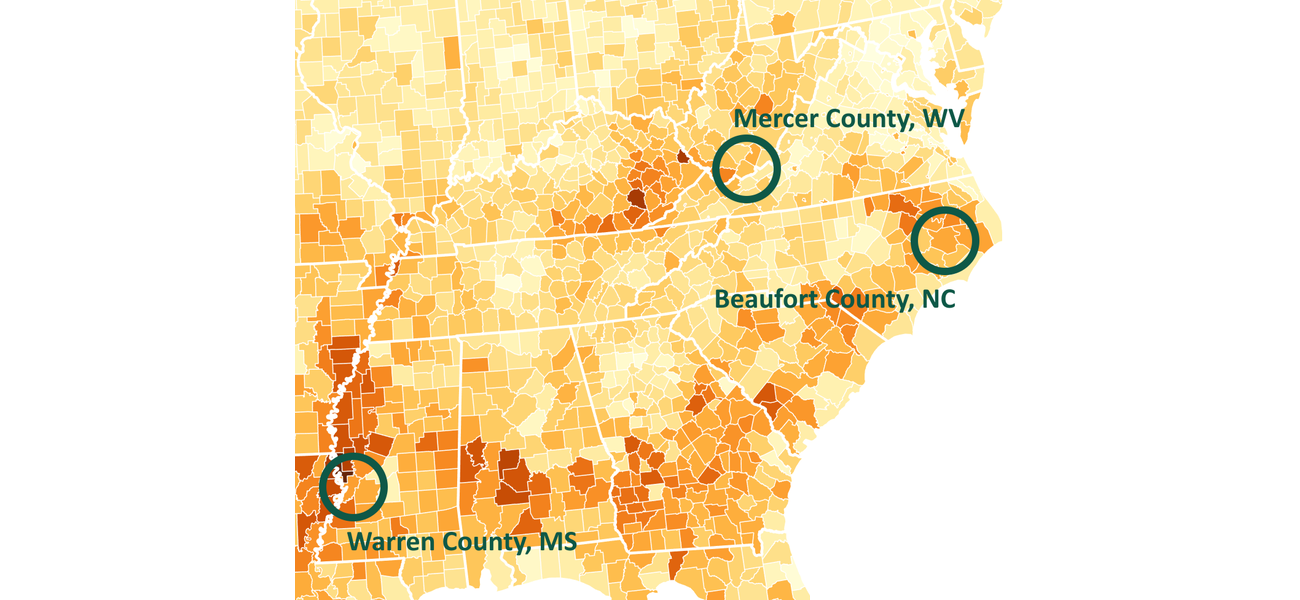
Atwood’s personal connection to rural America further strengthens this focus, recognizing the "incredible untapped talent" that often resides in these communities. The RGMII has already initiated three county-level programs: in Mercer County, West Virginia; Beaufort County, North Carolina; and Warren County, Mississippi. These counties, representative of diverse rural challenges across the country, will serve as initial pilot sites. Over a period of 16 months, thousands of individuals and families in these areas will receive direct financial assistance, designed to lift them out of poverty. The initiative is committed to transparently sharing all data and results with the broader public and academic community, contributing to a growing body of evidence on the effectiveness of GMI.
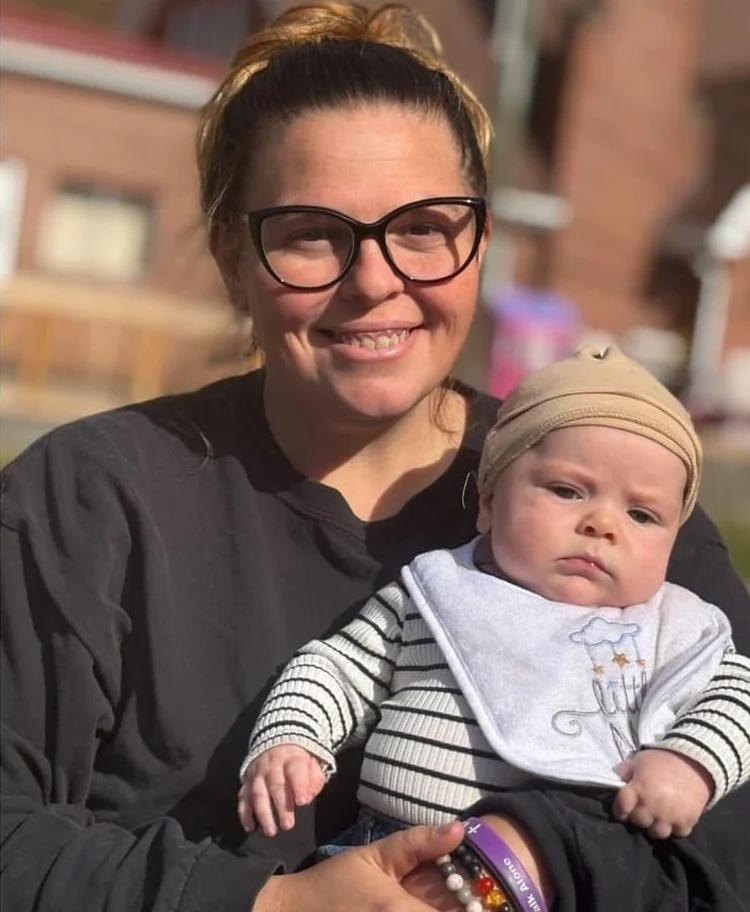
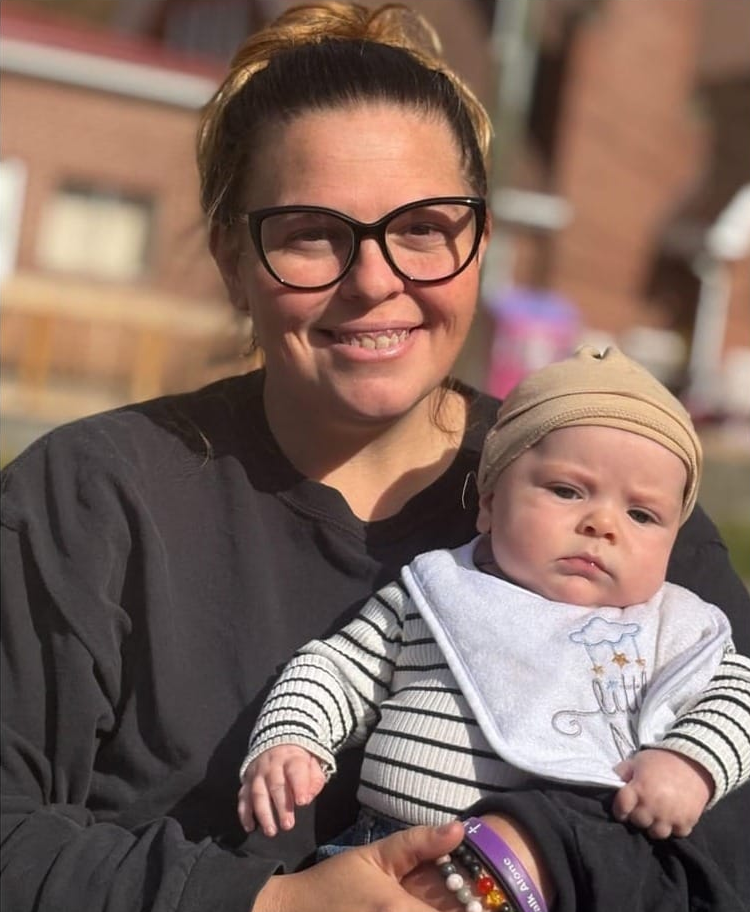
The impact of such programs is powerfully illustrated by the experiences of beneficiaries like Stacy D. from West Virginia, a participant in one of the RGMII’s pilot programs. As a mother of five, who had to stop working due to a high-risk pregnancy and then faced the breakdown of her family’s only vehicle, Stacy’s story highlights the precariousness of life for many low-income families. Without a local support network, unexpected expenses can quickly cascade into crises. The GMI assistance provided Stacy with the means to repair her car, enabling her to return to work, attend crucial medical appointments for her baby, and access essential services. Her testimony — "This is gonna… it’s going to do a lot!" — underscores how direct cash transfers provide dignity, agency, and the practical means to overcome immediate barriers, allowing individuals to stabilize their lives and plan for the future.
Broader Implications and a Call to Action
The RGMII represents a significant and potentially transformative development in American philanthropy. By committing substantial personal wealth to a specific, evidence-backed intervention, Jeff Atwood is setting a precedent that could influence other high-net-worth individuals and philanthropic foundations. His approach emphasizes direct action, rigorous data collection, and a focus on systemic issues rather than merely treating symptoms. This model encourages a shift towards outcomes-oriented giving, where the effectiveness of interventions is continuously measured and shared.
The success of the RGMII’s pilot programs and the comprehensive data generated will play a crucial role in informing wider policy discussions. As the initiative aims to expand to all 50 states, the accumulated evidence could significantly bolster arguments for GMI as a viable and effective component of national social safety nets. It challenges traditional welfare paradigms by empowering individuals with financial autonomy, often proving more efficient and less bureaucratic than existing programs. The RGMII’s work could serve as a powerful catalyst for legislative reforms, demonstrating that investing directly in people’s basic needs can yield broad societal benefits, including improved public health, educational outcomes, and economic vitality in underserved regions.
Atwood’s decision to frame the RGMII as his "third and final startup" is telling. It signifies a dedicated, entrepreneurial commitment to advancing the concept of direct cash transfer, rather than establishing a traditional, broad-mandate foundation. This focus ensures agility and a singular mission: to prove and scale what the data already suggests—that "giving money to those most in need is perhaps the most radical act of love we can take on… and all the data I can find shows us that it works."
The initiative invites broader participation, emphasizing that "everyone is invited to help." This includes engaging with the RGMII’s publicly available research and study analyses, understanding the fascinating history of GMI, and advocating for these concepts with elected representatives. Education is key, as many still harbor misconceptions about direct cash transfer programs. For those "to whom much is given," the RGMII offers a direct pathway to sponsor county-scale GMI studies, accelerating the goal of reaching all 50 states and contributing to a growing, open dataset on poverty alleviation. The vision is clear: to collectively embrace the "path of love" by ensuring that the American Dream, like happiness, is only truly real when it is shared by all. More information on the initiative can be found at staygold.us and rgmii.org.
About the Author