Itch.io, a prominent open marketplace for independent digital creators with a strong emphasis on video games, has recently curated and highlighted a fresh collection of browser-based games, emphasizing immediate accessibility and diverse gameplay experiences. This initiative caters to a growing segment of players who prefer instant entertainment without the commitment of downloads, offering a "single-click" gateway to new and updated titles. The selection spans a broad spectrum of genres, from narrative-driven visual novels to fast-paced racing simulations and strategic idle games, underscoring the platform’s commitment to showcasing the breadth of indie creativity. This curated list is not merely a promotional effort but a strategic move that reinforces itch.io’s foundational principles: lowering barriers to entry for both developers and players, fostering a vibrant community, and championing the innovative spirit of independent game development.
The Enduring Appeal of Browser Gaming and Itch.io’s Role
Browser-based gaming has experienced a significant resurgence, evolving far beyond its early Flash-era roots. Modern web technologies like HTML5, WebGL, and WebAssembly have empowered developers to create sophisticated and visually compelling experiences that run directly within a web browser, eliminating the need for dedicated installations. This technical evolution has democratized game access, allowing players to jump into new titles on virtually any device with an internet connection, from desktop PCs to tablets and even smartphones. For many, the appeal lies in the convenience: no storage space concerns, no lengthy download times, and no compatibility issues often associated with traditional game clients. This low-friction access is particularly attractive for casual players seeking quick diversions or for those exploring new genres without significant time or financial investment.
Itch.io has strategically positioned itself at the forefront of this browser gaming revolution within the indie sphere. Unlike larger digital storefronts that often prioritize high-budget, downloadable titles, itch.io provides a robust platform specifically designed to host and promote independent creations, including a vast library of browser-playable games. The platform’s flexible submission process, creator-friendly revenue sharing model, and strong community features have made it a preferred home for thousands of indie developers worldwide. By regularly spotlighting new and updated browser games, itch.io not only provides visibility for these creators but also educates its audience about the quality and diversity available in this often-underestimated segment of the gaming landscape. This curation is vital for cutting through the sheer volume of content uploaded daily, helping players discover hidden gems that might otherwise go unnoticed.
A Glimpse into the Latest Browser Game Showcase
The recently featured collection exemplifies the variety and innovation thriving on the platform, with several titles emerging directly from high-pressure game development events known as "game jams." These events challenge developers to create a game from scratch, often within a tight timeframe (e.g., 48-72 hours) and based on a specific theme. Game jams are crucial incubators for creative ideas, rapid prototyping, and fostering community collaboration, frequently leading to polished browser-ready experiences.
Dead Names: A Poignant Sci-Fi Narrative

Leading the curated list is Dead Names, a short science fiction visual novel developed with a pixel art aesthetic reminiscent of classic Game Boy titles. Visual novels, a genre heavily focused on interactive storytelling, allow players to immerse themselves in rich narratives, often making choices that influence the plot’s progression. Dead Names tackles profound themes of "letting go" within a future setting, creating an atmospheric experience that resonates emotionally. The inclusion of LGBTQIA themes further enriches its narrative depth, reflecting a growing trend in indie games to explore diverse perspectives and stories. The choice of a Game Boy ROM aesthetic is not merely a stylistic homage; it imbues the game with a nostalgic charm while also demonstrating how artistic constraints can foster unique visual storytelling. This game exemplifies how indie developers leverage accessible formats like browser games to deliver impactful, concise narratives that might not fit the mold of larger, more commercial productions. The developer’s inferred intent appears to be the creation of a focused, introspective experience that prioritizes emotional resonance over complex gameplay mechanics, a hallmark of many successful visual novels.
Tiny Truck Racing: Fast-Paced Pixelated Action
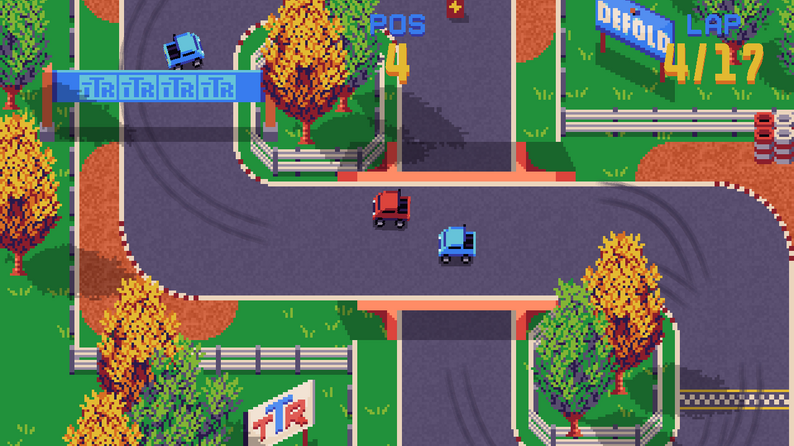
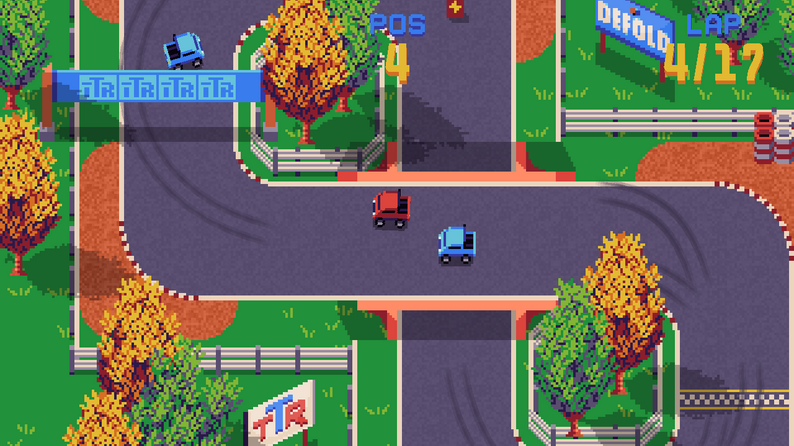
For players seeking adrenaline and competitive spirit, Tiny Truck Racing offers a fast-paced pixel art racing experience. This title emerged from the "Made With Defold Jam 2024," an event dedicated to games created using the Defold engine, known for its efficiency and suitability for 2D games. The game provides three distinct modes—Single Race, Tournament, and Time Trial—catering to various player preferences, from quick challenges to sustained competitive play. With four selectable trucks and strategic nitro boosts, Tiny Truck Racing delivers arcade-style excitement. The pixel art here serves to enhance the retro racing feel, reminiscent of 8-bit and 16-bit era classics, proving that engaging racing action doesn’t require photorealistic graphics. The game’s straightforward mechanics and immediate fun factor make it an ideal browser title for short bursts of entertainment, embodying the instant gratification often sought by browser game enthusiasts. Its development within a jam environment highlights the engine’s capabilities and the developer’s ability to craft a complete, enjoyable experience under pressure.
Nomad Idle: The Evolution of Passive Progression
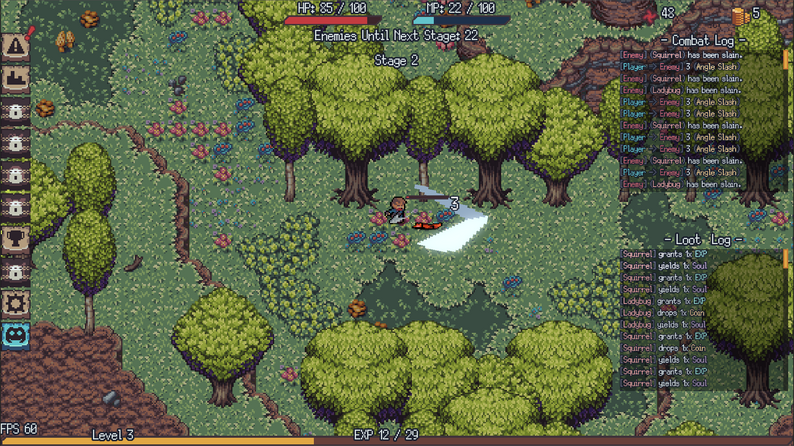
Nomad Idle represents the popular "idle game" genre, an auto-battler that has recently received a significant update. Idle games, also known as incremental games, thrive on the satisfaction of passive progression, where players make initial decisions and then watch their character or system evolve over time, often without constant active input. Nomad Idle integrates auto-battling with character build customization, allowing players to craft unique strategies by leveling up stats, crafting equipment, and selecting passive skills. While the core gameplay is largely automated, the inclusion of character-specific active skills adds a layer of strategic depth, allowing players to intervene and accelerate progress. The "recently updated" status of Nomad Idle signals ongoing developer engagement and responsiveness to community feedback, which is crucial for the longevity of idle games. This iterative development approach often seen on itch.io allows games to grow and evolve, fostering a dedicated player base. The game’s appeal lies in its ability to provide a sense of accomplishment and continuous progression, even during periods of minimal active play, making it perfect for multitasking or background enjoyment.
Laura’s Room: Psychological Horror in Retro Tones
Delving into the darker side of gaming, Laura’s Room is a psychological horror title crafted for "GBJAM 12," a game jam specifically focused on creating games with the aesthetic and technical limitations of the original Game Boy. Players step into the shoes of Danni, driving through a rainy, dark night, haunted by an unseen pursuer. The Game Boy-inspired aesthetic, with its limited color palette and pixelated graphics, surprisingly enhances the psychological horror, creating an unsettling atmosphere that relies more on suggestion and dread than explicit gore. This choice demonstrates how stylistic constraints, when artfully applied, can intensify a game’s thematic impact. Psychological horror often explores the internal states of characters and the player’s own fears, and Laura’s Room leverages its retro presentation to create a unique sense of vulnerability and isolation. The atmospheric gameplay is a testament to the developers’ ability to evoke strong emotions using minimalist tools, proving that true horror lies in what is unseen and implied.
Hamster Shelter: Post-Apocalyptic Cuteness
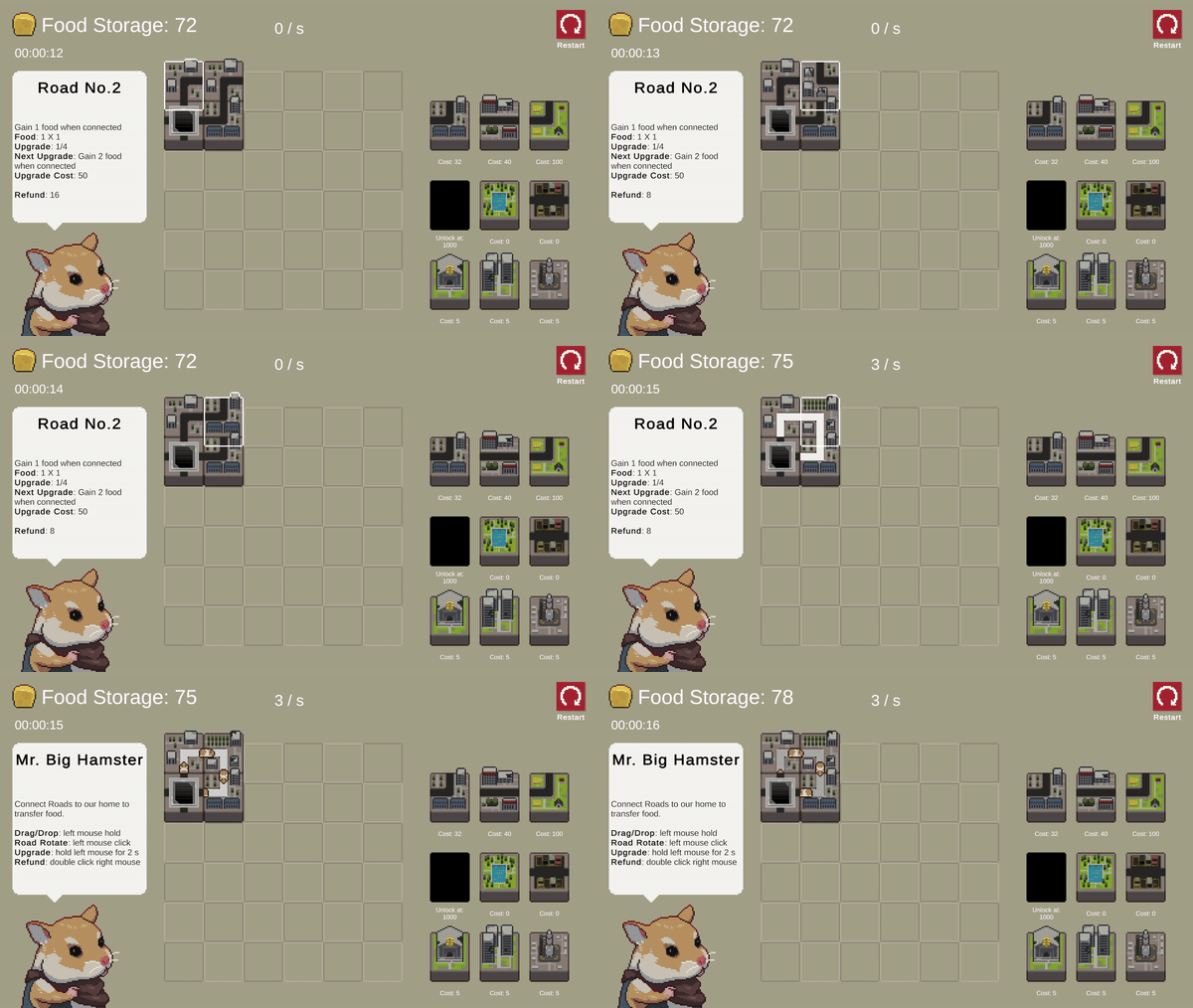
Hamster Shelter offers a unique blend of post-apocalyptic survival and relaxing management gameplay, created for "Ludum Dare 56," one of the world’s largest and longest-running game jams. In this title, players manage tiny hamsters struggling to survive in a ruined world. The core mechanic involves building roads to a central home and transporting food, functioning as a background game that allows for a laid-back experience. The juxtaposition of cute, tiny hamsters against a desolate, post-apocalyptic backdrop creates an intriguing narrative and visual contrast. This game taps into the appeal of low-stress management simulations, where the focus is on gradual growth and problem-solving rather than intense action. Its ability to run in the background caters to players who enjoy a persistent world that progresses even when they are not actively engaged, a feature that aligns well with the browser game format. The Ludum Dare origin highlights the creative interpretation of a jam theme, often leading to unexpected and charming results.
Mouse Mouse: A Novel Platforming Experience
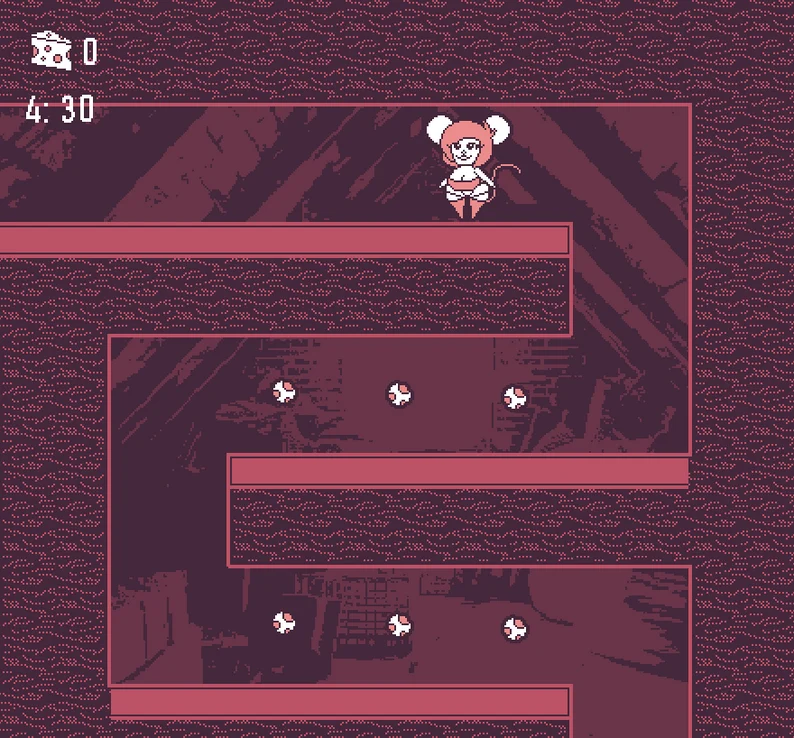
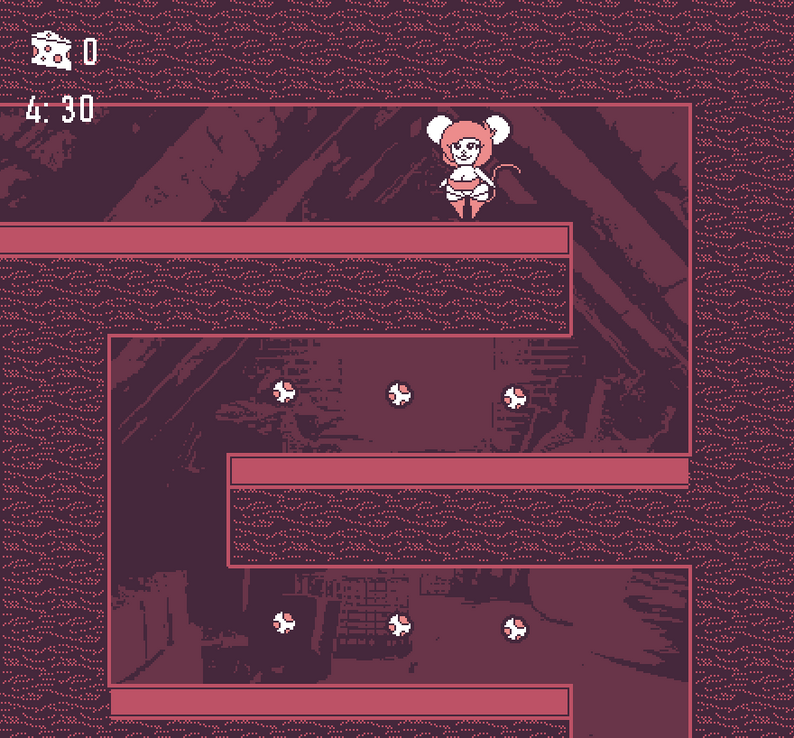
Mouse Mouse is a short, pixel art platformer that introduces a unique control scheme: the mouse character is controlled by the player’s actual mouse. Developed within a brisk 48-hour timeframe for Ludum Dare 56, this game challenges players to jump, climb, and collect cheese as quickly as possible. This innovative control mechanic offers a fresh twist on traditional platforming, requiring players to adapt to a different way of interacting with the game world. The precision and responsiveness of mouse input, typically used for aiming or camera control, are recontextualized for direct character movement, creating a distinct gameplay feel. The simplicity of the pixel art and the clear objective of collecting cheese contribute to an immediately understandable and engaging experience, perfect for quick playthroughs. Mouse Mouse exemplifies the kind of experimental gameplay that often emerges from game jams, where developers are encouraged to push boundaries and explore unconventional ideas.
Play With Me: A Spooky Virtual Pet Revival

Taking a dark turn, Play With Me injects a spooky twist into the beloved virtual pet genre. Also a product of Ludum Dare 56, this game invites players to interact with three mysterious creatures residing within a forgotten toy. Each creature offers its own unique minigames, ensuring varied engagement. The retro-inspired visuals contribute significantly to the game’s eerie atmosphere, evoking a sense of nostalgic unease that enhances the "spooky" element. Virtual pets traditionally focus on nurturing and companionship, but Play With Me subverts these expectations, creating a sense of apprehension and mystery around the digital companions. This genre subversion, combined with the minigame structure, provides an engaging yet unsettling experience. The game challenges players to manage their fear while uncovering the secrets of these strange, forgotten creatures, demonstrating how familiar mechanics can be reinterpreted to create novel emotional responses.
Jelly Gang: Physics-Based Puzzle Platforming
Rounding out the featured list is Jelly Gang, a physics-based puzzle platformer that redefines character control. Created for Ludum Dare 56, this game puts players in command of a group of 30 squishy characters. The innovative mechanic lies in the "focus region" around the player’s mouse cursor: only the characters within this region respond to controls. This introduces a significant strategic layer, requiring players to carefully manage their group and manipulate the environment. The physics-based nature of the game means that environmental interactions and character movements are governed by realistic (or realistically stylized) physical properties, adding to the challenge and emergent gameplay possibilities. Jelly Gang offers a fresh take on the puzzle platformer genre by blending precise control with mass management and environmental interaction, providing a complex yet rewarding experience. Its unique mechanic highlights the potential for creative solutions to platforming challenges, moving beyond traditional single-character control.
The Broader Impact and Implications of Itch.io’s Curation
Itch.io’s ongoing effort to highlight free browser games carries significant implications for the independent gaming ecosystem. For players, these curated lists serve as an invaluable resource, offering a gateway to discover new and exciting experiences without any financial barrier. The "single-click" accessibility is a powerful draw, encouraging experimentation and broad engagement across genres. The platform effectively acts as a discovery engine, connecting players with innovative content they might not encounter elsewhere.
For developers, being featured on itch.io’s blog provides crucial visibility in a crowded marketplace. Many of these games originate from game jams, which are designed for rapid prototyping and idea generation. By showcasing these jam games, itch.io validates the effort put into these creative sprints and provides a platform for these concepts to gain traction. This exposure can lead to valuable community feedback, potential for further development into full-fledged commercial titles, and direct support from players. It reinforces itch.io’s reputation as a developer-first platform, offering not just a storefront but also a community hub and promotional engine.
The prevalence of game jam titles in this collection, such as those from Ludum Dare 56, GBJAM 12, and the Made With Defold Jam 2024, underscores the symbiotic relationship between game jams and platforms like itch.io. Jams serve as a powerful creative crucible, generating a continuous stream of fresh, innovative content, while itch.io provides the infrastructure for these creations to reach a global audience. This cycle is vital for the health and growth of the indie game development scene, fostering experimentation, learning, and community building.
Moreover, the emphasis on browser games aligns with a broader industry trend towards cloud gaming and instant-play experiences. While not a direct competitor to major cloud streaming services, itch.io’s browser game offerings provide a grassroots, indie-focused alternative that demonstrates the power of web technologies for game distribution. This accessibility ensures that gaming remains inclusive, welcoming players with varying hardware capabilities and internet speeds.
Itch.io representatives continually emphasize their commitment to fostering an accessible and diverse gaming ecosystem. Their curation strategy is an active demonstration of this mission, providing a spotlight for games that might otherwise be overlooked by traditional media or larger platforms. The positive reception from players for these ‘single-click’ experiences underscores a clear demand for low-commitment, high-quality entertainment that respects players’ time and resources.
In conclusion, itch.io’s ongoing commitment to showcasing free and fresh browser games is more than just a weekly roundup; it is a vital function that supports the independent gaming community, democratizes access to innovative content, and champions the enduring spirit of creative exploration in game development. Players are encouraged to explore not only these highlighted titles but also the broader "New & Popular Browser Games from the last 7 days" section, and to actively engage with the developers through comments and feedback, further enriching this dynamic ecosystem.
About the Author