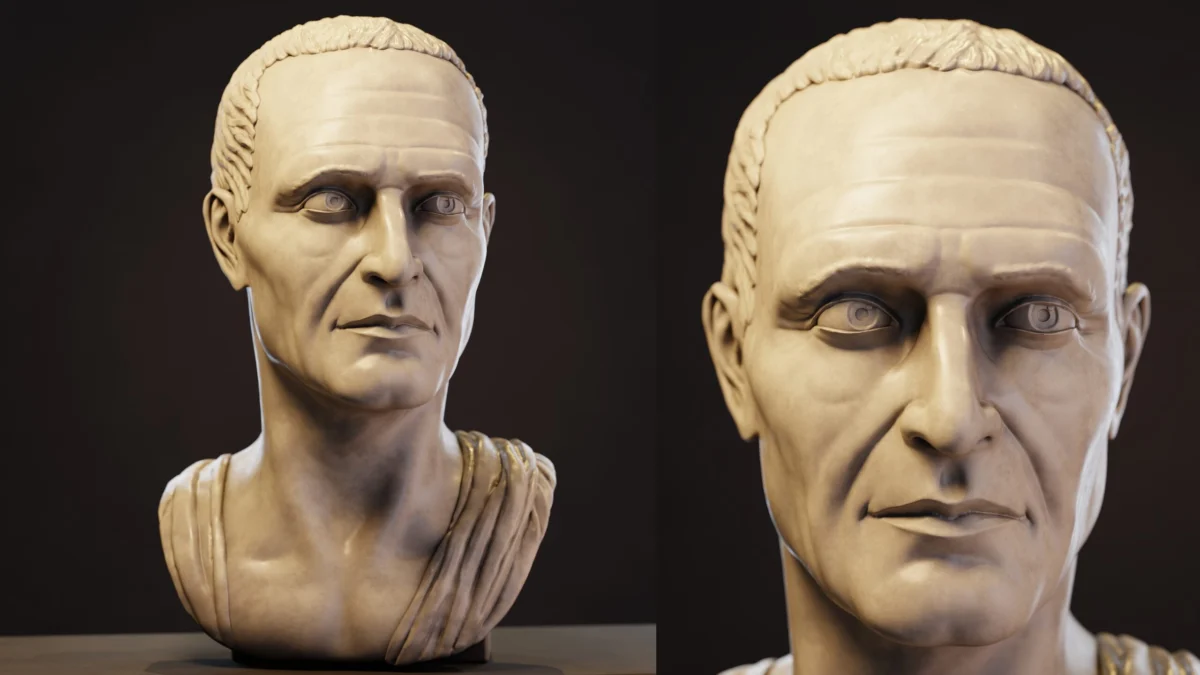
A detailed and comprehensive real-time tutorial has been released, guiding aspiring and experienced 3D artists through the intricate process of sculpting a realistic Roman marble bust statue within the popular open-source 3D creation suite, Blender. The tutorial, created by 3D Artist and YouTuber Ryan King Art, offers an end-to-end workflow, meticulously covering every stage from initial concept development to final animation. This in-depth instructional content aims to demystify complex sculpting techniques and empower users to achieve professional-grade results.
Unpacking the Tutorial’s Scope and Methodology
The tutorial distinguishes itself by presenting the entire sculpting process in real-time, eschewing accelerated playback or selective editing. This approach provides viewers with an unvarnished look at the artist’s workflow, allowing them to observe the nuances of each stroke, decision, and refinement. The comprehensive nature of the tutorial is evident in its structured breakdown of the artistic pipeline.
Key stages covered include:
- Reference Gathering: The foundational step of collecting high-quality visual references is emphasized, highlighting its critical role in achieving historical accuracy and artistic fidelity. This involves sourcing images of existing Roman busts, understanding anatomical proportions, and studying marble textures and weathering.
- Head Sculpting: The core of the tutorial delves into the detailed sculpting of the human head. This segment likely covers techniques for blocking out primary forms, refining secondary details such as facial features, and ensuring anatomical correctness. The tutorial’s real-time format allows viewers to witness the iterative nature of sculpting, including adjustments and corrections.
- Posing and Composition: Beyond static form, the tutorial addresses the art of posing the sculpt. This involves understanding how to convey character and emotion through posture and facial expression, crucial elements in creating a compelling bust.
- Fabric Sculpting: The realistic rendering of drapery and fabric is a hallmark of classical sculpture. This section likely details techniques for creating the folds, creases, and textures of clothing that would adorn a Roman bust, adding a layer of realism and historical context.
- Material Application: The tutorial moves into the realm of digital materials, focusing on achieving a convincing marble appearance. This would involve understanding subsurface scattering, reflectivity, and texture mapping to simulate the unique qualities of polished and aged marble.
- Lighting and Rendering: Achieving a photorealistic render requires careful attention to lighting. The tutorial guides users through setting up lighting environments that enhance the form and texture of the sculpt, culminating in the final rendering process.
- Animation: The inclusion of animation suggests a progression beyond a static render, potentially covering techniques for subtle movements or camera animations that bring the bust to life.
The decision to provide this tutorial in real-time is a significant pedagogical choice. While it demands a longer viewing time, it offers an unparalleled opportunity for deep learning. Unlike sped-up tutorials that can mask difficulties or shortcuts, real-time instruction allows viewers to see the artist’s thought process, problem-solving strategies, and the time investment required for each stage. This transparency is invaluable for artists aiming to develop their own skills and understanding of the sculpting process.
Contextualizing the Tutorial within the 3D Art Landscape
The release of this tutorial by Ryan King Art arrives at a time of continued growth and accessibility in the field of 3D art. Blender, as a free and open-source software, has democratized access to professional-grade 3D creation tools. This has led to an explosion of independent artists and a burgeoning online community dedicated to sharing knowledge and techniques.
Roman busts, as artistic subjects, hold significant historical and cultural weight. They represent a pivotal era in art history, characterized by realism, idealization, and the commemoration of prominent figures. By focusing on this subject matter, Ryan King Art not only provides a technical sculpting lesson but also an opportunity to engage with classical art principles. The ability to recreate such iconic forms digitally allows artists to bridge historical artistic traditions with modern digital tools, fostering a deeper appreciation for both.

The "real-time" aspect of the tutorial can be seen as a response to a demand for more authentic and less curated learning experiences. In an era where content can be easily edited and polished, the raw, unedited nature of a real-time tutorial offers a refreshing contrast, fostering a sense of direct mentorship and practical insight.
Analysis of Implications and Future Trends
The availability of such detailed, real-time tutorials has several implications for the 3D art community and the broader digital creative industries.
For aspiring artists: This tutorial lowers the barrier to entry for creating complex digital sculptures. By providing a clear roadmap and demonstrating techniques step-by-step, it empowers individuals who may not have access to traditional art education or expensive software. The comprehensive nature of the tutorial means that a single resource can cover a significant portion of the 3D art pipeline, making it an efficient learning tool.
For established artists: Even experienced 3D artists can benefit from observing different workflows and techniques. Real-time tutorials can reveal subtle nuances or efficient methods that might be overlooked in more condensed formats. Furthermore, the focus on classical subjects like Roman busts can inspire new artistic directions and creative explorations.
For educational platforms and content creators: The success of tutorials like this underscores the value of in-depth, transparent content. It suggests a continued demand for learning resources that prioritize practical application and authentic demonstration over brevity and superficial polish. This could encourage more creators to invest time in producing comprehensive, real-time instructional material.
Broader impact on digital heritage and preservation: The ability to digitally recreate historical artifacts like Roman busts has implications for cultural heritage preservation and accessibility. Digital models can be used for virtual exhibitions, educational resources, and even for the creation of physical replicas through 3D printing. Tutorials that teach these skills contribute to the growing field of digital archaeology and cultural heritage dissemination.
The trend towards more comprehensive and transparent learning content in 3D art is likely to continue. As software becomes more powerful and accessible, the emphasis will shift towards the artistic skill and conceptual understanding required to leverage these tools effectively. Tutorials like Ryan King Art’s "Sculpting a Roman Bust Statue in Blender" serve as excellent examples of how to bridge the gap between technical proficiency and artistic vision, offering a valuable resource for the next generation of digital artists. The meticulous detail and real-time demonstration within this tutorial position it as a significant contribution to the educational landscape of 3D art, empowering artists to explore historical aesthetics with modern digital tools.
About the Author