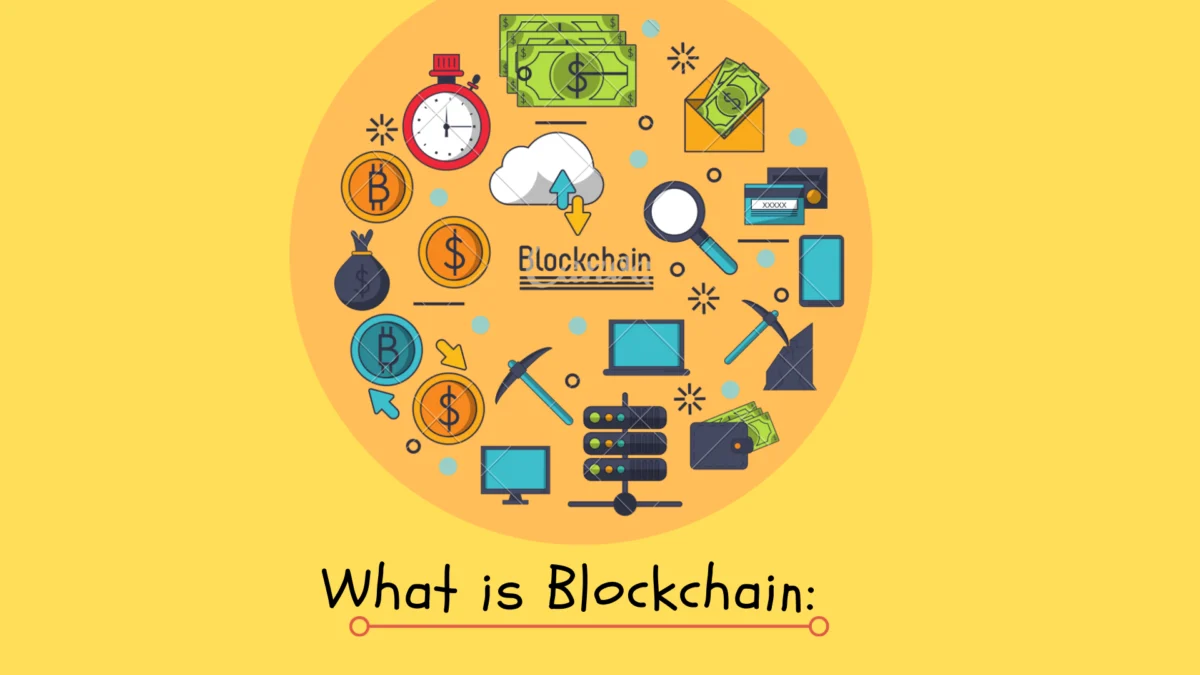
The landscape of digital transactions and data management is undergoing a profound transformation, driven by a technology that has moved from niche interest to mainstream discussion: blockchain. Initially recognized as the foundational technology behind cryptocurrencies like Bitcoin, blockchain’s potential extends far beyond digital currency, promising to redefine security, transparency, and decentralization across a multitude of industries. This article delves into the core of blockchain technology, exploring its origins, intricate workings, diverse applications, and the significant implications it holds for the future.
The Genesis of a Disruptive Innovation
The concept of a tamper-proof digital ledger has roots that predate the widely publicized emergence of Bitcoin. The intellectual journey began in 1991 when mathematicians Stuart Haber and W. Scot Stornetta first proposed a system designed to timestamp digital documents in such a way that they could not be backdated or tampered with. Their work laid the theoretical groundwork for a secure method of recording information.
Several years later, in 1998, software developer Nick Szabo further conceptualized this idea by proposing "Bit Gold," a precursor to digital currency that aimed to secure a digital payment system. However, it wasn’t until the pseudonymous Satoshi Nakamoto published a white paper in 2008, outlining Bitcoin and its underlying technology, that blockchain truly entered the public consciousness. Nakamoto’s invention demonstrated a practical and functional implementation of a decentralized, distributed ledger that could facilitate peer-to-peer transactions without the need for intermediaries. This marked a pivotal moment, transitioning blockchain from a theoretical concept to a revolutionary technology with tangible applications.
Understanding Blockchain: A Distributed Ledger Explained
At its heart, blockchain is a distributed, immutable digital ledger that records transactions across a network of computers. Unlike traditional databases, which are typically centralized and controlled by a single entity, a blockchain is shared among numerous participants, known as nodes. This decentralized nature is a cornerstone of its security and transparency.
Imagine a digital record book, but instead of being held by one person, copies of this book are distributed among thousands, or even millions, of individuals. When a new transaction occurs, it is grouped with other recent transactions into a "block." This block is then cryptographically linked to the previous block, forming a chronological "chain." Each block contains a unique digital fingerprint (a hash) of the preceding block, along with a timestamp and the transaction data itself. This interconnectedness ensures that any attempt to alter a previous block would break the chain, immediately alerting the network to the tampering.
This fundamental principle of distributed consensus and cryptographic linking is what gives blockchain its integrity. It allows for the verification of transactions and the assurance of data fidelity without requiring a central authority to validate them. This is why blockchain is often referred to as Distributed Ledger Technology (DLT).
How Blockchain Operates: A Step-by-Step Breakdown
The operational mechanism of a blockchain can be understood through a series of interconnected steps:
- Transaction Initiation: A participant initiates a transaction, such as sending cryptocurrency or recording a piece of data.
- Transaction Verification: This transaction is broadcast to the network of nodes. These nodes then validate the transaction based on a set of predefined rules. For cryptocurrencies, this often involves verifying that the sender has sufficient funds.
- Block Creation: Validated transactions are bundled together to form a new block. This block also includes a cryptographic hash of the previous block in the chain, a timestamp, and other relevant data.
- Consensus Mechanism: Before a new block can be added to the chain, it must be agreed upon by the network. This is achieved through a consensus mechanism. The most well-known are Proof-of-Work (PoW), used by Bitcoin, where miners compete to solve complex computational puzzles, and Proof-of-Stake (PoS), where validators are chosen based on the amount of cryptocurrency they "stake" in the network.
- Block Addition: Once consensus is reached, the new block is added to the end of the existing blockchain across all participating nodes. This makes the transaction permanent and immutable.
- Distribution: The updated blockchain, now containing the new block, is distributed to all nodes in the network, ensuring that everyone has an identical and up-to-date record.
The beauty of this process lies in its efficiency and security. While the underlying cryptography and consensus mechanisms can be complex, modern technology enables these operations to occur rapidly. The continuous advancement of computing power and network infrastructure suggests that these processes will become even faster and more streamlined in the future.
Beyond Cryptocurrencies: Diverse Applications of Blockchain
While blockchain technology is inextricably linked with cryptocurrencies like Bitcoin and Ethereum, its applications extend far beyond digital currency. Its inherent characteristics of security, transparency, and immutability make it suitable for a wide range of industries and use cases.
One of the most impactful non-cryptocurrency applications is in supply chain management. Companies like Walmart, Siemens, and Pfizer are leveraging blockchain to enhance the traceability and transparency of their products. IBM’s Food Trust platform, for example, utilizes blockchain to track the journey of food items from farm to table. This is particularly crucial in addressing issues such as foodborne illnesses. When outbreaks occur, tracing the source of contamination can be a lengthy and complex process. With blockchain, food suppliers and manufacturers can pinpoint the exact origin of contaminated products in near real-time, enabling faster recalls and preventing future outbreaks. This technology allows for a precise record of every step in the supply chain, from where ingredients were sourced, to when they were processed, and where they were shipped.
In the healthcare sector, blockchain can be used to securely store and share patient medical records. This offers patients greater control over their data and ensures that medical professionals have access to accurate and up-to-date information, while maintaining strict privacy controls. The immutability of blockchain ensures that once a record is added, it cannot be altered without leaving a clear audit trail, enhancing data integrity.
Digital identity management is another area where blockchain holds significant promise. By creating a decentralized and secure digital identity, individuals can have more control over their personal information and how it is shared, reducing the risk of identity theft and fraud. This could revolutionize online interactions, allowing users to authenticate themselves securely without repeatedly providing sensitive details.
Furthermore, blockchain is being explored for applications in voting systems to enhance transparency and prevent electoral fraud, in intellectual property management to protect creators’ rights, and in real estate transactions to streamline property transfers and reduce paperwork. The potential for blockchain to disrupt traditional industries by offering more secure, efficient, and transparent alternatives is vast.
The Power of Decentralization: Enhancing Security and Resilience
A key feature of blockchain technology is its decentralization. Instead of data being stored in a single, central location, it is distributed across numerous nodes in a network. This architecture offers significant advantages in terms of security and resilience.
Consider a scenario where a company’s central database is compromised. This could lead to a massive data breach, exposing sensitive information. With blockchain, even if one node is compromised or experiences technical difficulties, the network as a whole remains functional and secure. The distributed nature means that there is no single point of failure. If one copy of the ledger is corrupted or lost, the other nodes can still access and verify the correct information, cross-referencing it to maintain the integrity of the entire chain.
This concept of decentralization ensures that no single entity has absolute control over the data. It fosters trust by removing the reliance on a central authority, which can be prone to errors, corruption, or censorship. The authenticity and irreversibility of data stored on a blockchain are guaranteed by this distributed architecture and the underlying cryptographic principles. This makes blockchain an ideal technology for storing sensitive and critical data, such as legal contracts, government identification, and detailed inventory records, where immutability and verifiable authenticity are paramount.
Navigating the Landscape: Pros and Cons of Blockchain Technology
Like any transformative technology, blockchain comes with its own set of advantages and disadvantages that warrant careful consideration.
Pros of Blockchain
- Enhanced Security: The cryptographic nature and distributed ledger system make blockchain highly secure and resistant to tampering.
- Increased Transparency: Transactions recorded on a public blockchain are visible to all participants, fostering accountability and trust.
- Decentralization: Eliminates the need for central authorities, reducing single points of failure and control.
- Immutability: Once data is recorded on the blockchain, it cannot be altered or deleted, ensuring data integrity.
- Efficiency: Can streamline processes by removing intermediaries, leading to faster transaction times and reduced costs.
- Traceability: Provides a clear and auditable trail for all transactions and data recorded.
Cons of Blockchain
- Scalability Issues: Some blockchain networks, particularly older ones like Bitcoin, can struggle with processing a high volume of transactions quickly, leading to slower speeds and higher fees during peak demand.
- Energy Consumption: Certain consensus mechanisms, such as Proof-of-Work, are energy-intensive, raising environmental concerns. However, newer mechanisms like Proof-of-Stake are significantly more energy-efficient.
- Complexity: Understanding and implementing blockchain technology can be complex, requiring specialized expertise.
- Regulatory Uncertainty: The regulatory landscape for blockchain and cryptocurrencies is still evolving in many jurisdictions, creating uncertainty for businesses and investors.
- Immutability Can Be a Double-Edged Sword: While immutability is a strength, it also means that errors or fraudulent transactions, once recorded, are difficult to reverse.
Frequently Asked Questions About Blockchain
To further clarify the intricacies of this technology, several common questions arise.
Is Blockchain a Cryptocurrency?
No, blockchain is not a cryptocurrency. Blockchain is the underlying technology that enables cryptocurrencies to function. It serves as a distributed ledger that records all cryptocurrency transactions in a secure and transparent manner. Cryptocurrencies are applications built on blockchain technology.
Is it Possible for Blockchain to Be Hacked?
Theoretically, blockchain can be hacked, but it is an extremely difficult and resource-intensive undertaking. The distributed nature of the network, with thousands or millions of nodes constantly verifying transactions, makes it nearly impossible for a single attacker to gain control and alter the ledger. To compromise a large blockchain network would require controlling a majority of the network’s computing power, a feat that is prohibitively expensive and complex.
What is the Most Prominent Blockchain Company?
While the blockchain ecosystem is dynamic, companies like Coinbase Global have emerged as significant players. Coinbase operates a robust infrastructure and provides services for the digital currency economy, making it a prominent entity in the space. Other major technology companies, such as IBM, Microsoft, and Oracle, are also heavily invested in developing and implementing blockchain solutions for enterprise use.
Who Owns Blockchain?
Blockchain, as a decentralized technology, is not owned by any single entity. It is a distributed system of interconnected nodes, each holding a copy of the ledger. This lack of centralized ownership is a fundamental aspect of its design, promoting openness and preventing single-party control.
What is the Difference Between Bitcoin and Blockchain Technology?
Bitcoin is a specific cryptocurrency, while blockchain is the distributed ledger technology that powers Bitcoin and many other cryptocurrencies. Bitcoin uses blockchain to record all its transactions securely and transparently. Blockchain, in turn, can be used for applications beyond just cryptocurrencies.
What is the Difference Between Blockchain and a Database?
A traditional database is typically a centralized collection of data managed by a single system, allowing for easy viewing and editing by authorized users. It often relies on a client-server architecture. In contrast, a blockchain is a distributed, append-only ledger where data is stored in blocks chronologically. Each block is cryptographically linked to the previous one, and the entire chain is replicated across numerous nodes. This design makes data modification extremely difficult and eliminates the risk of unauthorized alterations by other parties, offering a level of security and immutability not typically found in standard databases.
The Road Ahead: A Blockchain-Infused Future
Blockchain technology is no longer a futuristic concept; it is actively being integrated into various industries and is poised to become an indispensable part of our digital infrastructure. Over the next 5-10 years, we can anticipate its widespread adoption across finance, healthcare, logistics, government, and beyond.
While there may be initial hesitation and a learning curve associated with adopting blockchain systems, the benefits of enhanced security, transparency, and efficiency are compelling. As businesses and individuals become more familiar with its capabilities and understand its potential to streamline operations, reduce costs, and foster trust, the adoption rate is expected to accelerate significantly. Entrepreneurs and established corporations alike will increasingly leverage blockchain technology to gain a competitive edge and revolutionize how data is stored, shared, and transacted in the digital age. The journey of blockchain is far from over; it is, in many ways, just beginning.
About the Author