The Microsoft gaming ecosystem is undergoing its most significant structural transformation since the acquisition of Activision Blizzard, as Xbox leadership confirmed a new wave of layoffs and a sweeping reorganization of its first-party studio hierarchy. In a blog post released today, Xbox executive Matt Booty detailed the latest stage of a comprehensive "reset" that will result in the elimination of 268 positions across first-party development teams, Xbox Game Studios (XGS) management, and various central functions. This latest round of redundancies brings the division to the three-quarter mark of a massive restructuring process first signaled in July, which has seen the total elimination of approximately 3,200 roles across the organization.
The reorganization signals a fundamental shift in how Microsoft manages its sprawling portfolio of intellectual property, prioritizing high-engagement "platform" titles while consolidating legacy console studios under new management umbrellas. While the broader Xbox division grapples with contraction, King—the mobile powerhouse behind Candy Crush—has emerged not only unscathed but expanded, absorbing the Microsoft Casual Games portfolio and solidifying its position as a cornerstone of the company’s mobile strategy.
The Ascent of King and the Platform Strategy
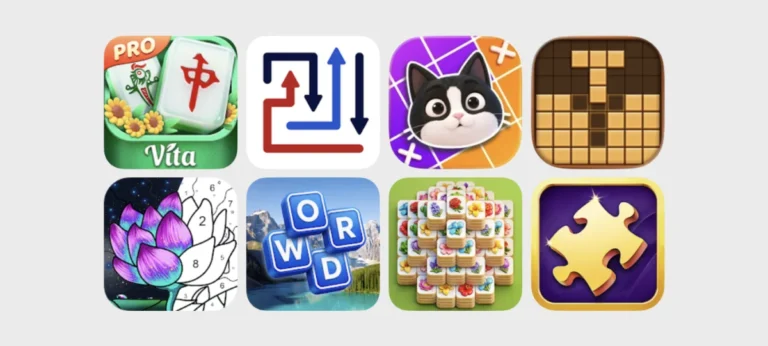
In a move that underscores Microsoft’s commitment to the mobile and casual gaming markets, King has been tasked with overseeing the Microsoft Casual Games suite. This portfolio includes "evergreen" staples of the Windows ecosystem, such as the Microsoft Solitaire Collection, Minesweeper, and Mahjong. This expansion follows a previous internal promotion in July, where King and Mojang, the developer of Minecraft, were elevated within the corporate hierarchy to report directly to Xbox executive Asha Sharma.
According to Sharma, the elevation of these two entities is a recognition of their unique status within the industry. "These two studios have increasingly become platforms and are our largest by monthly active players," Sharma stated in a July briefing. "They bring critical geographic, demographic, and differentiation to Xbox." By treating King and Mojang as independent platforms rather than traditional development studios, Microsoft appears to be insulating its most consistent revenue generators from the volatility affecting its more traditional console-focused divisions.
However, the path forward for King is not without internal friction. Despite its protected status within the Xbox hierarchy, the studio is facing significant labor unrest in Europe. Staff at King’s Stockholm and Malmö offices are scheduled to begin strike action at 5:00 AM this Friday, September 25. The labor dispute stems from management’s rejection of a collective bargaining agreement that has been under negotiation for over a year. This tension follows a reduction of approximately 200 jobs at King last summer—roughly 10% of its workforce—with heavy losses reported in the Stockholm, Barcelona, London, and Berlin offices.
A New Order for Console and PC Studios
While the mobile and "platform" sectors of the business are being fortified, the traditional first-party console and PC development landscape is being radically reshaped through consolidation and divestment. The most striking change involves the transfer of oversight for several legendary studios to Activision. Under the new structure, Activision will now oversee Rare, the UK-based developer of Sea of Thieves and GoldenEye 007, as well as World’s Edge, the studio responsible for the Age of Empires franchise. Perhaps most significantly, Activision has been handed the reins to develop the next entry in the Halo franchise, a move that marks the end of an era for the series’ previous stewards.
Consolidation is also the theme for Microsoft’s RPG and racing divisions. Bethesda, which was acquired by Microsoft in 2021 as part of the ZeniMax Media deal, will now absorb Obsidian Entertainment. This merger brings together the two primary architects of the modern Fallout and Elder Scrolls-style RPGs under a single management structure. Similarly, the racing genre specialists Playground Games, known for the Forza Horizon series, and Turn 10 Studios, the creators of Forza Motorsport, will merge into a unified racing entity.
The restructuring has also resulted in more permanent closures and the offloading of several high-profile creative teams. Xbox confirmed that Cambridge-based Ninja Theory, the developer behind Hellblade: Senua’s Sacrifice, is likely to be closed. Furthermore, three studios previously acquired during Xbox’s aggressive expansion phase between 2018 and 2021—Double Fine Productions, Compulsion Games, and Undead Labs—have been divested. The terms of these divestments remain unclear, though they represent a significant scaling back of the "Xbox Game Studios" brand as it was known during the previous console generation.
Chronology of the Xbox Restructuring
The current state of the Xbox division is the result of a multi-year sequence of acquisitions followed by a rapid "market correction." To understand the scale of the current 268-job cut, one must look at the timeline of the 2024-2026 restructuring:
- October 2023: Microsoft officially closes the $69 billion acquisition of Activision Blizzard King, the largest deal in gaming history.
- January 2024: Microsoft announces an initial 1,900 layoffs across Activision Blizzard and Xbox, citing "areas of overlap."
- July 2026: A massive "reset" is announced by Matt Booty and Asha Sharma, targeting 3,200 total roles and a complete overhaul of studio reporting lines.
- August 2026: King is identified as having "escaped" the initial brunt of the cuts, while rumors of labor dissatisfaction in Sweden begin to surface.
- September 2026 (Present): The latest 268 cuts are announced, confirming the closure of Ninja Theory and the divestment of Double Fine, Compulsion, and Undead Labs. King assumes control of Microsoft Casual Games as labor strikes loom.
Labor Relations and the Role of Artificial Intelligence
The human cost of this restructuring has been accompanied by a growing debate over the use of automation in game development. Following the 200 layoffs at King last summer, internal sources alleged that a portion of the redundant staff was being effectively replaced by AI tools—tools that those very employees had helped to build and train.
While King management officially refuted these claims in March, stating that AI had not replaced jobs, the sentiment among the workforce remains fraught. Reports from within the company have highlighted a decline in morale, with some employees describing "toxic management" and "toothless ethics teams" in the wake of the layoff lawsuits. Conversely, some long-term King veterans have pushed back against this narrative, suggesting that the company culture remained "pampered" compared to the wider industry, and that the friction was a natural result of the transition into the Microsoft corporate ecosystem.
The impending strike in Sweden represents a critical flashpoint for Microsoft. The rejection of the collective bargaining agreement suggests a cultural clash between the American corporate model—which typically resists unionization—and the Nordic model of labor relations, where collective bargaining is the standard. How Microsoft handles the strike at King will likely set a precedent for its other European-based studios, including those now under Activision’s management.
Industry Analysis: The Shift from Content to Ecosystem
The restructuring of Xbox is reflective of a broader trend within the video game industry, often referred to as the "Post-Acquisition Consolidation" phase. After years of aggressive studio acquisitions designed to bolster the Game Pass subscription service, Microsoft is now pivoting toward a leaner, "hits-driven" model that prioritizes massive, recurring revenue streams.
By placing King and Mojang at the center of its strategy, Microsoft is acknowledging that the future of its gaming business relies less on the traditional "console war" and more on the "engagement war." King’s Candy Crush and Mojang’s Minecraft provide a level of demographic reach and consistent monthly active users (MAUs) that even flagship titles like Halo have struggled to maintain in recent years.
The decision to divest from studios like Double Fine and Ninja Theory suggests that Microsoft is moving away from the "boutique" studio model. These studios, while critically acclaimed, often produce single-player experiences that do not offer the long-term monetization or "platform" potential of a live-service game. By consolidating its RPG and racing talents under Bethesda and the merged Playground/Turn 10, Microsoft is seeking to eliminate redundancies in management and technology sharing, even at the cost of individual studio identity.
Looking Ahead: The Final Quarter of the Reset
With the Xbox restructuring now 75% complete, the industry is watching closely to see what the final stage of Matt Booty’s "reset" will entail. The transition of Halo to Activision management is perhaps the most symbolic gesture of this new era, suggesting that no legacy brand is immune to the requirements of the new corporate structure.
As the 268 affected employees begin their transition out of the company, the focus shifts to the stability of the remaining studios. The success of this reorganization will ultimately be measured by whether the consolidated "mega-studios" can deliver the high-quality content required to sustain the Game Pass ecosystem, and whether King can successfully integrate Microsoft’s casual portfolio while navigating a period of intense labor unrest. For now, the Xbox of 2026 looks fundamentally different from the one that began the decade—a leaner, more centralized entity focused on mobile platforms and high-scale engagement over traditional studio independence.
About the Author