The highly anticipated launch of Star Wars: Zero Company, a new turn-based tactical game from developer Bit Reactor, has been met with a paradoxical reception, combining initial critical and fan acclaim with the somber revelation of significant staff reductions preceding its release. While the game has quickly garnered attention for its engaging gameplay and faithful adherence to the Star Wars universe, the studio behind it faced a severe internal crisis, reportedly furloughing approximately 80 percent of its employees in the weeks leading up to the game’s official debut. This stark contrast between external success and internal turmoil casts a long shadow over what might otherwise have been a triumphant moment for the fledgling studio.
Bit Reactor’s Genesis and the Promise of Tactical Excellence
Bit Reactor emerged onto the gaming scene with considerable pedigree and high expectations. Founded by a cohort of former employees from Firaxis Games, a studio renowned for its mastery of turn-based strategy, Bit Reactor quickly positioned itself as a new standard-bearer for the genre. Key figures like CEO, co-founder, and creative director Greg Foertsch brought with them an impressive legacy, having contributed significantly to critically acclaimed titles such as XCOM: Enemy Unknown and XCOM 2. These games are widely regarded as modern classics in the tactical genre, celebrated for their deep strategic layers, compelling narratives, and challenging gameplay. The formation of Bit Reactor under such experienced leadership signaled a promising future for fans of intricate, turn-based combat systems, particularly when coupled with the immense narrative potential of the Star Wars franchise.
The studio’s mission, as articulated by its founders, was to leverage this collective experience to innovate within the tactical space, promising titles that would push the boundaries of strategic depth and player engagement. The announcement of Star Wars: Zero Company immediately captured the imagination of both Star Wars enthusiasts and tactical game aficionados, who eagerly awaited a title that could blend the rich lore of a beloved galaxy far, far away with the meticulous planning and execution characteristic of top-tier turn-based games. The prospect of applying the strategic rigor seen in the XCOM series to the iconic universe of Star Wars generated substantial buzz, positioning Star Wars: Zero Company as one of the most anticipated releases in the genre.
The Development Journey and Anticipation for "Zero Company"
The development cycle of Star Wars: Zero Company was characterized by a period of quiet anticipation, with details slowly emerging about its gameplay mechanics and narrative scope. The game was poised to offer players a fresh perspective on galactic conflict, moving beyond the real-time action typically associated with Star Wars games to embrace a more cerebral, turn-based approach. Early previews and developer insights hinted at a game designed to challenge players tactically, requiring careful unit placement, strategic ability usage, and a deep understanding of the battlefield. The game’s setting within the expansive Star Wars lore promised to introduce new characters, scenarios, and challenges, allowing players to command familiar units and engage in strategic battles across iconic planets.
As the launch date approached, the excitement surrounding Star Wars: Zero Company intensified. The game represented a significant venture for Bit Reactor, not only as its debut title but also as a high-profile licensed property with the weight of Disney and Lucasfilm Games behind it. For many, it was seen as a litmus test for the studio’s ability to translate its founders’ legendary experience into a new, compelling product that could stand alongside their previous works while forging its own identity within the Star Wars canon. The initial reports following its release suggested that the game had indeed resonated with its target audience, quickly accumulating positive feedback for its strategic depth, authentic Star Wars atmosphere, and engaging mission design, leading to its characterization as a "massive hit."
The Unveiling of Financial Distress: A Pre-Launch Furlough
However, the narrative of success quickly became intertwined with a stark revelation concerning Bit Reactor’s internal stability. It was confirmed, shortly after the game’s launch, that the studio had furloughed approximately 80 percent of its workforce prior to the game’s release. This information, initially reported by Game File and subsequently covered by various industry outlets, dramatically altered the perception of the studio’s health and the context of Star Wars: Zero Company‘s launch.
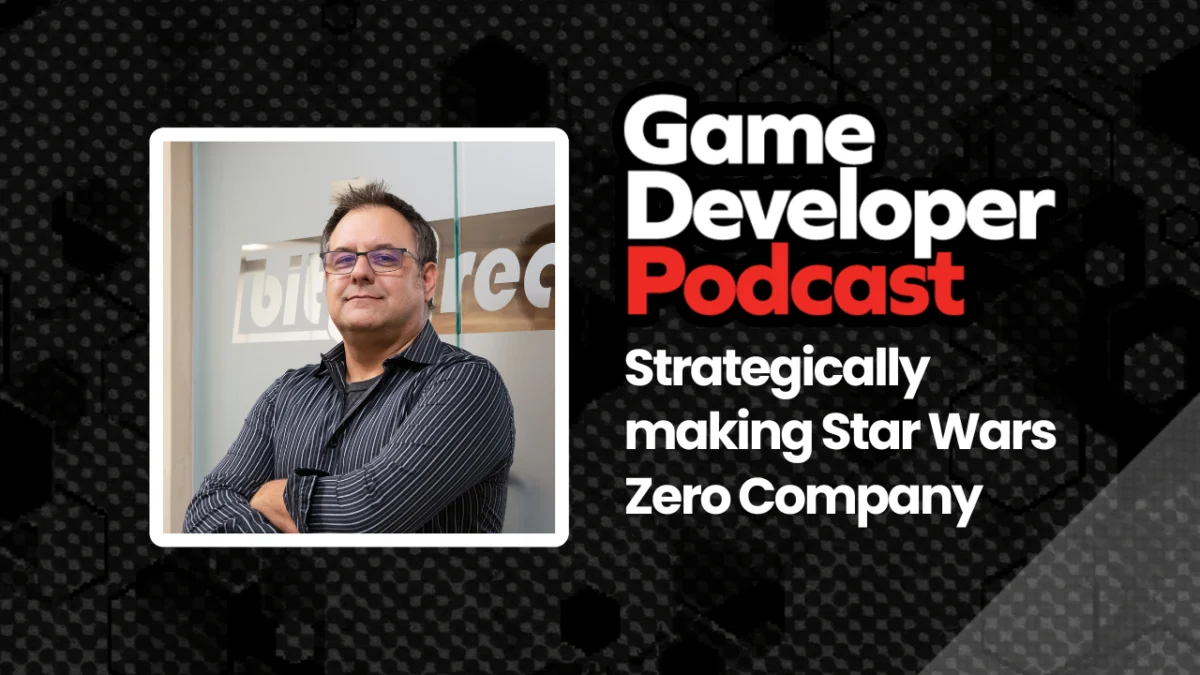
The timeline of these events is critical. The interview with Greg Foertsch, which was later featured on the Game Developer Podcast, was recorded before the confirmation of these widespread furloughs. This chronological detail is crucial for understanding the optimistic tone and forward-looking discussions within the interview, which now stand in stark contrast to the grim reality that was simultaneously unfolding behind the scenes at Bit Reactor. The decision to furlough such a substantial portion of the staff suggests a severe financial strain or strategic realignment within the company, indicating that despite the creative talent and the highly anticipated product, the studio was grappling with significant operational challenges.
Such large-scale furloughs, especially preceding a major game launch, raise immediate questions about post-launch support, ongoing development, and the long-term viability of the studio. While furloughs differ from layoffs in that they imply a temporary suspension of employment with the potential for recall, an 80 percent reduction is indicative of a profound crisis. It suggests a dramatic contraction of resources and capabilities at a critical juncture when a new game typically requires robust ongoing support, including bug fixes, performance optimization, and potential future content development.
Greg Foertsch’s Interview: A Glimpse into a Pre-Crisis Vision
Amidst the backdrop of these revelations, the insights shared by Greg Foertsch in his pre-furlough interview offer a poignant glimpse into the studio’s creative vision before its internal struggles became public. Foertsch, speaking on the Game Developer Podcast, delved into his passion for several key aspects of game development, reflecting the aspirations and values that defined Bit Reactor at its inception.
One of the central themes Foertsch explored was his dedication to "well-crafted in-game cameras." In tactical games, camera work is not merely an aesthetic choice but a fundamental element of gameplay, directly impacting player understanding, strategic planning, and immersion. A well-designed camera system can convey crucial battlefield information, highlight key moments, and allow players to seamlessly navigate complex environments. Foertsch’s emphasis on this detail underscores a commitment to the core mechanics that make tactical games engaging and user-friendly, a testament to the meticulous design philosophy expected from a Firaxis veteran. This focus highlights the importance of player experience and the intricate craft involved in making strategic decisions visually intuitive.
Another significant topic was Foertsch’s perspective on "inviting as many team members as possible into the game development process." This inclusive philosophy champions collaborative creativity, suggesting that diverse perspectives and broader input lead to a more robust and innovative final product. In an industry often criticized for hierarchical structures, such an approach underscores a progressive management style aimed at empowering developers and fostering a sense of shared ownership. This particular insight now carries a heavy irony, given the subsequent reduction of the very team members Foertsch championed, raising questions about the future of such collaborative processes within the significantly downsized studio.
Finally, Foertsch shared his "love for the Star Wars character Huyang." This seemingly minor detail offers a humanizing touch, showcasing the personal connection and passion that developers often bring to licensed projects. Huyang, a droid architect of lightsabers and a mentor figure in The Clone Wars and Ahsoka series, embodies craftsmanship, legacy, and guidance – qualities that perhaps resonated with Foertsch’s own role in guiding Bit Reactor and its inaugural Star Wars title. Such personal anecdotes, while endearing, now serve as a stark reminder of the optimism and creative drive that once defined the studio before its financial woes became public.
Broader Industry Context and Implications
The situation at Bit Reactor is not an isolated incident but rather a symptom of a broader, increasingly volatile landscape within the video game industry. The past year has seen a wave of layoffs, studio closures, and consolidations across the sector, affecting both independent developers and major publishers. Factors contributing to this instability include rising development costs, increased market competition, shifting consumer habits, and the lingering economic uncertainties post-pandemic. Even successful launches or critically acclaimed titles are no longer a guarantee of job security or studio longevity.
The furloughing of 80 percent of Bit Reactor’s staff, particularly after a "massive hit" launch, exemplifies this alarming trend. It highlights the often-unseen financial pressures and business decisions that underpin game development, even when the creative output is lauded. For the furloughed employees, the experience is undoubtedly devastating, representing a sudden loss of income and professional momentum. For the remaining staff, the challenge of maintaining a complex game like Star Wars: Zero Company with drastically reduced resources will be immense, potentially impacting future content updates, bug fixes, and community engagement.
Moreover, this event contributes to a growing sense of unease among game developers globally, fostering a climate of precarity despite the industry’s record revenues. It underscores the critical need for greater transparency from studios and publishers regarding their financial health and employment practices. The community response to such news often includes a mix of sympathy for the affected employees, concern for the future of the game, and critical scrutiny of the business models that lead to such outcomes.
The Future of Bit Reactor and "Star Wars: Zero Company"
The path forward for Bit Reactor and Star Wars: Zero Company remains uncertain. With 80 percent of its workforce furloughed, the studio’s capacity for sustained development, post-launch support, and future projects is severely compromised. While the game has reportedly achieved early success, the ability to capitalize on this momentum with expansions, downloadable content (DLC), or even essential maintenance patches will be significantly hampered. Players who invested in the game may now face concerns about its long-term viability and the extent of future support.
Potential scenarios for Bit Reactor could range from a successful restructuring and recall of employees (though an 80% furlough makes this challenging), to further downsizing, or even an eventual closure or acquisition. The industry has witnessed numerous instances where studios, even after releasing well-received games, have succumbed to financial pressures. The fate of Star Wars: Zero Company‘s intellectual property, licensed from Lucasfilm Games, also becomes a point of speculation. Should Bit Reactor fail to recover, the rights for potential sequels or spin-offs could revert, or be reassigned, leaving the game’s nascent legacy in limbo.
Ultimately, the story of Star Wars: Zero Company and Bit Reactor serves as a potent reminder of the complex and often brutal realities of the modern video game industry. A game celebrated for its creative merit and initial success has been launched into a paradox, its triumph muted by the profound internal struggles of the studio that brought it to life. This dichotomy underscores the ongoing challenges faced by developers, highlighting the constant tension between artistic ambition, market demands, and the often-unpredictable financial currents that shape the very landscape of interactive entertainment.
About the Author