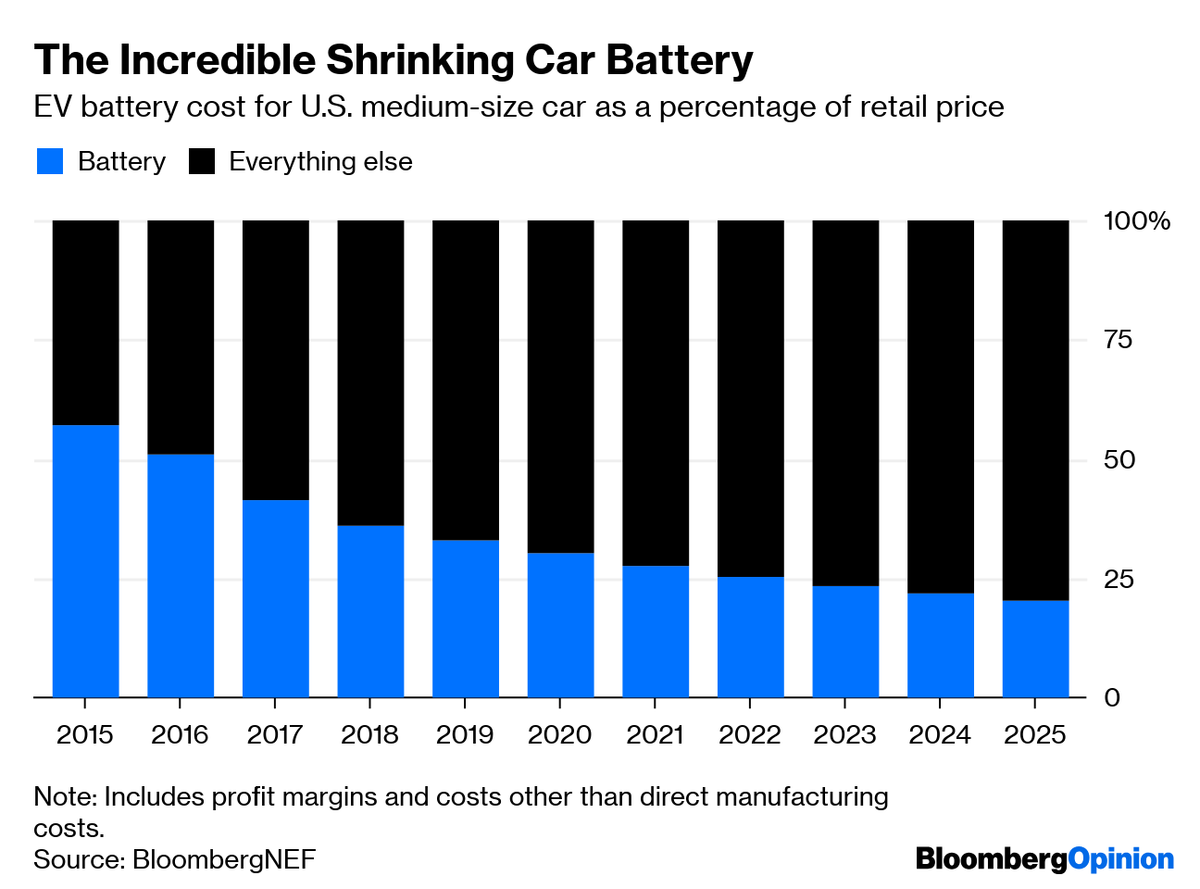
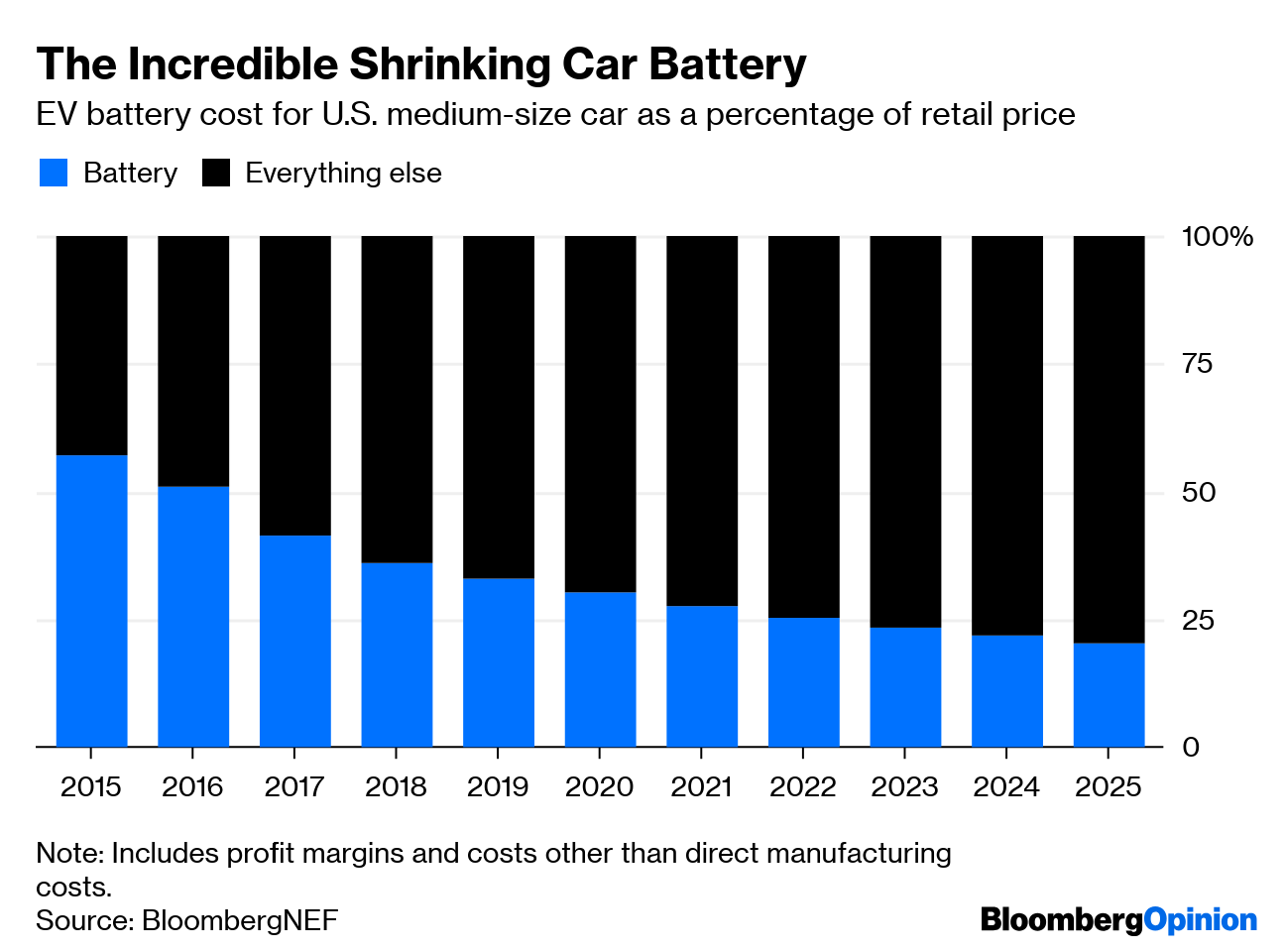
The dramatic decline in electric vehicle battery prices is fundamentally reshaping the transportation landscape, most notably enabling the widespread adoption and affordability of electric scooters as a viable urban mobility solution. For electric cars, the substantial battery pack remains a significant cost component; thus, decreasing EV prices are directly correlated with the falling cost of battery technology, as core manufacturing costs for materials like rubber, aluminum, glass, and steel are relatively stable. However, the impact of battery price reduction is even more pronounced in electric scooters, which are inherently lightweight, compact, and simple machines, essentially comprising a battery and an electric motor.
The Lithium-Ion Revolution: Resurrecting Electric Mobility
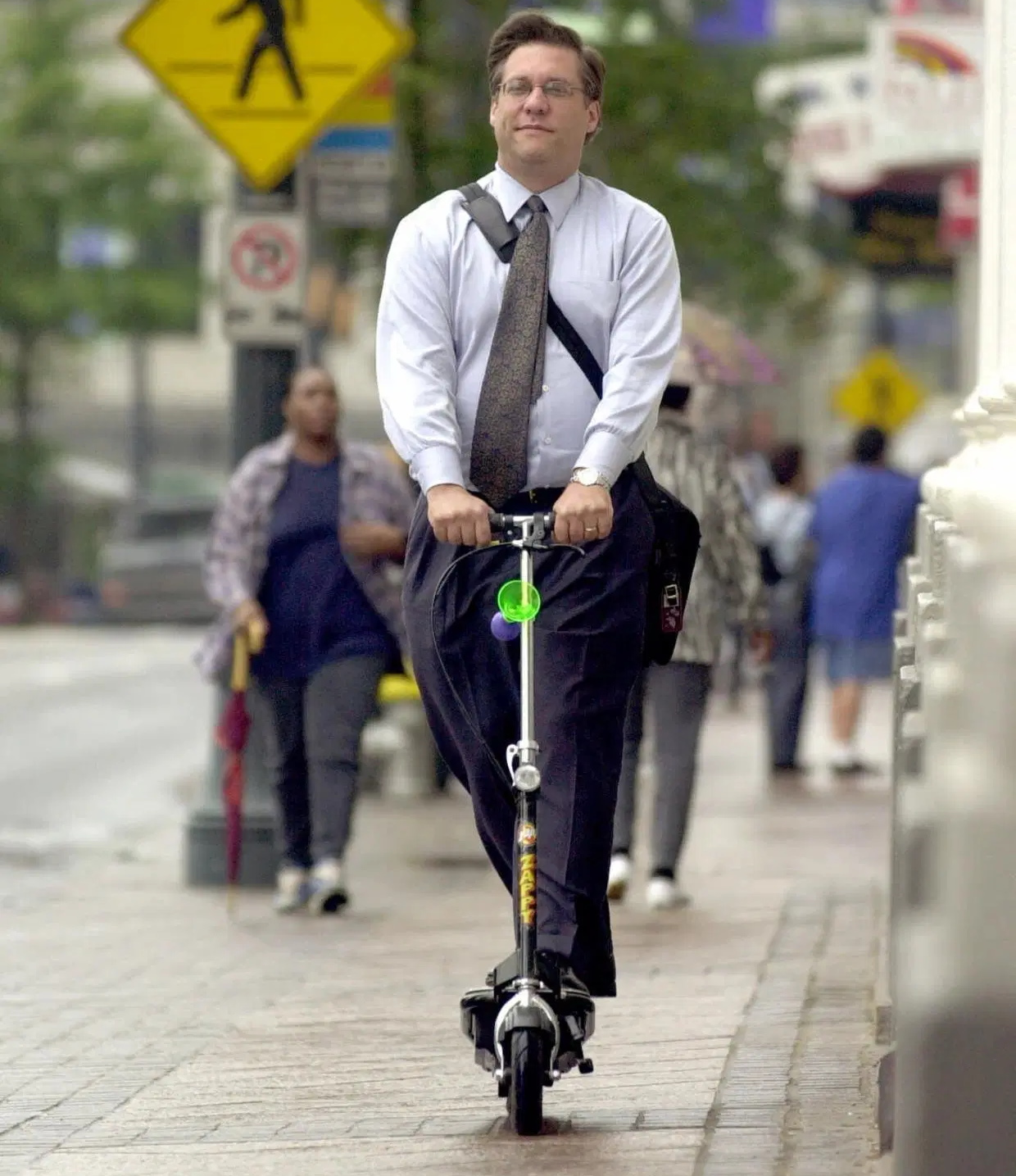
The viability of modern electric vehicles, from cars to scooters and indeed almost all portable electronics, hinges on the maturity and affordability of Lithium-ion battery technology. Historically, early electric scooters, such as the Zappy model from two decades ago, and electric cars of the early 2000s, were hampered by the limitations of lead-acid batteries. These older batteries were characterized by excessive weight, insufficient power output, limited range, and prolonged charging times—factors that collectively rendered electric personal transport impractical and expensive.

The advent and subsequent refinement of Lithium-ion battery technology marked a pivotal shift. These batteries offer superior energy density, lighter weight, faster charging capabilities, and a significantly longer lifespan compared to their lead-acid predecessors. This technological leap has not only made electric vehicles more performant but also critically, more economical. Data from BloombergNEF indicates a profound reduction in Lithium-ion battery pack prices, plummeting from over $1,100 per kilowatt-hour (kWh) in 2010 to approximately $132/kWh by 2023, representing a staggering decrease of over 89% in just over a decade. This continuous downward trend in battery costs is the primary economic engine behind the current surge in electric mobility.
The Economic Transformation of Electric Scooters: A Case Study
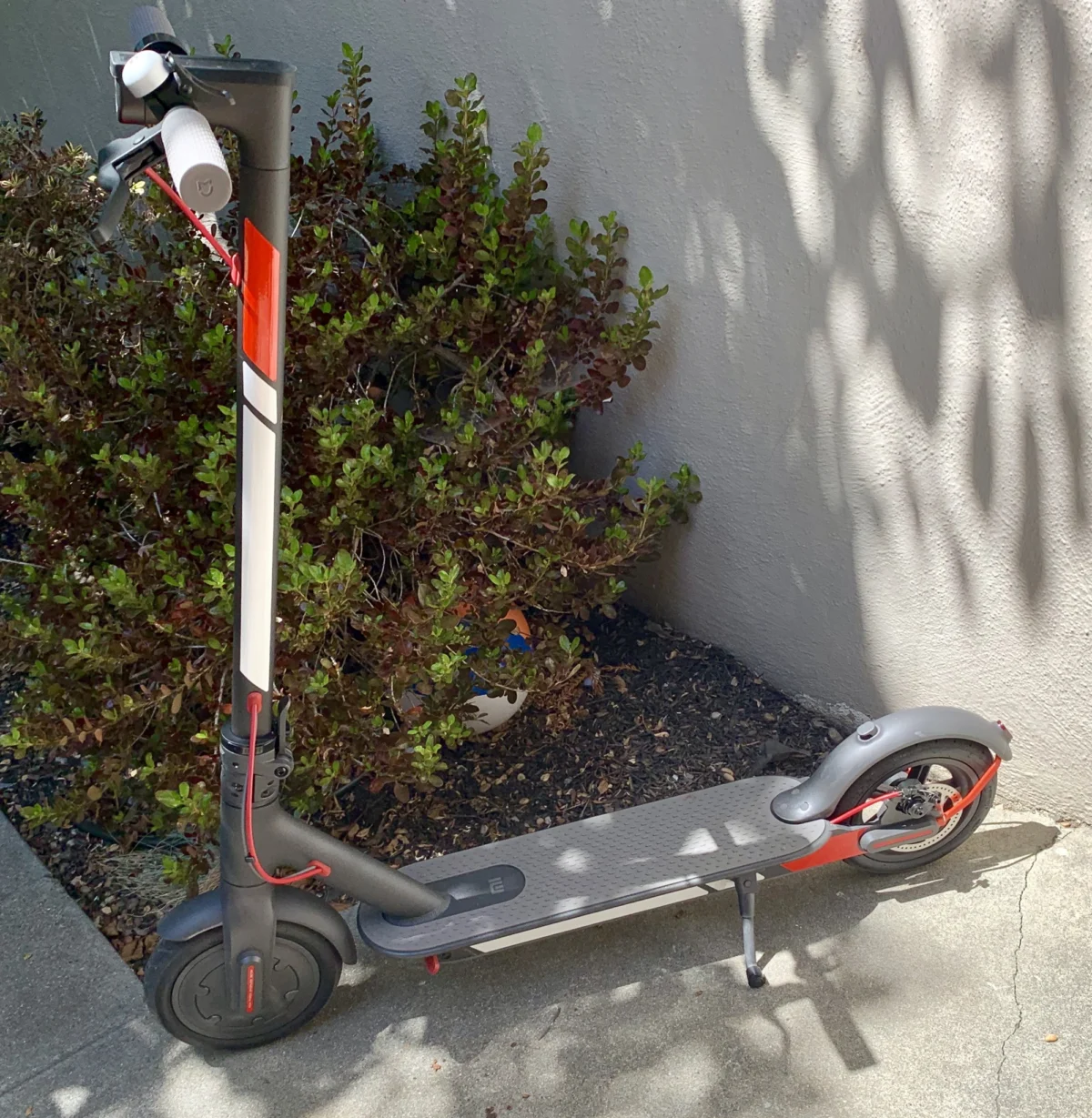
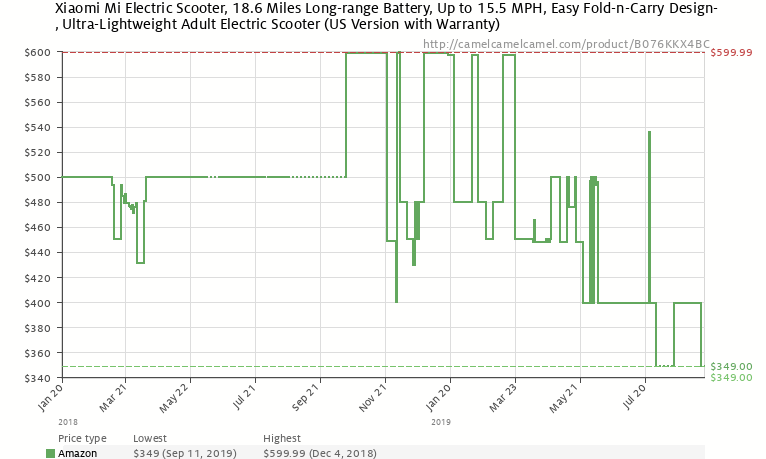
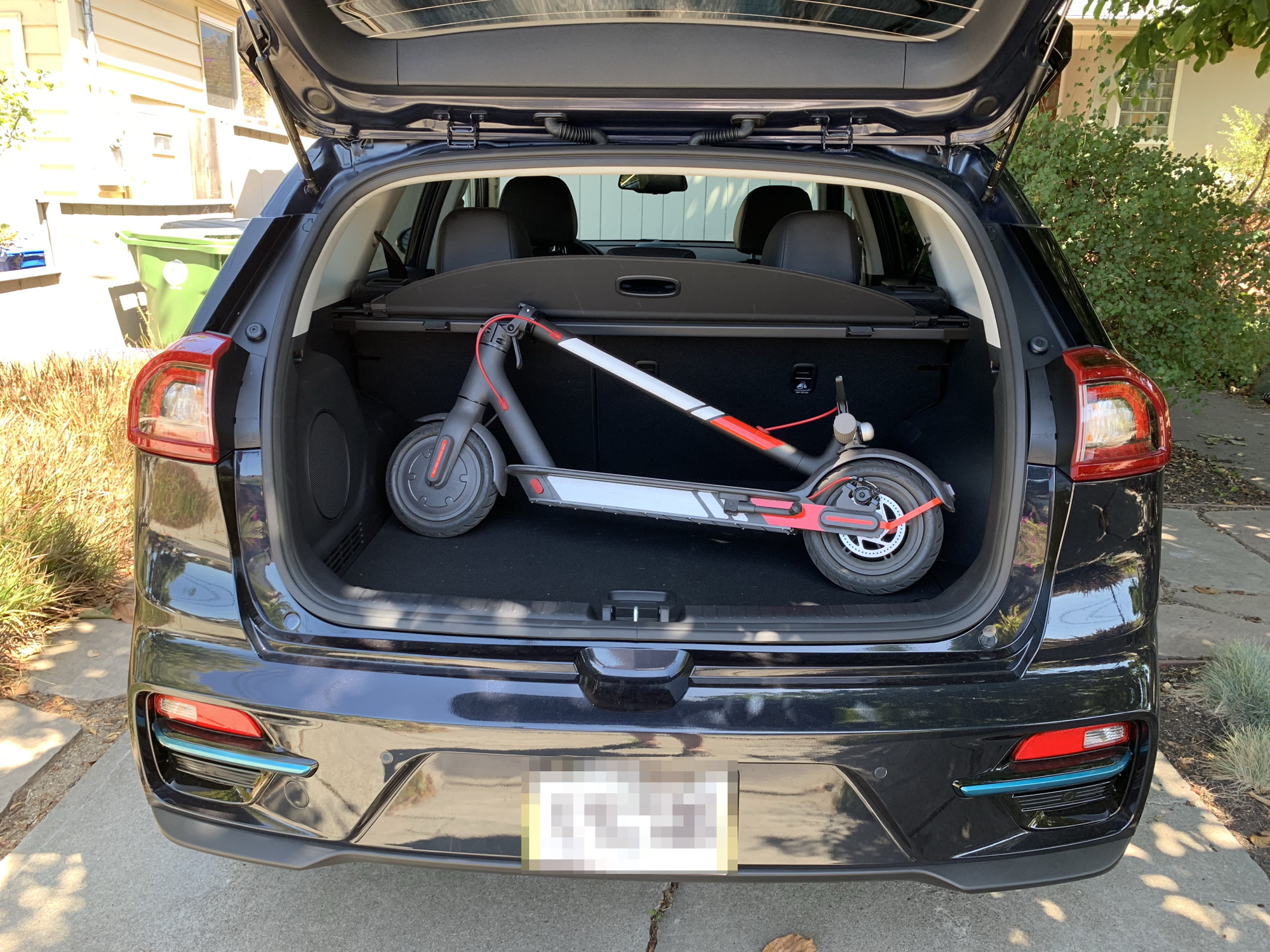
To empirically observe the effect of this battery cost reduction, one can examine the pricing trajectory of popular electric scooter models. The Xiaomi Mi M365, a widely adopted model since its introduction, serves as an excellent illustration. When it entered the U.S. market in early 2017, its initial price point was around $800. Within three years, by late 2019, the price of this popular electric scooter had approximately halved. This significant price drop, largely independent of other fundamental manufacturing costs for the scooter’s frame, wheels, and electronics, underscores the direct impact of declining battery expenses and the economies of scale achieved through increased production.
This dramatic reduction in electric scooter prices between 2016 and 2019 coincided with, and indeed fueled, the rapid proliferation of the electric scooter smartphone app rental industry. Companies such as Bird, Lime, Skip, Spin, and Scoot rapidly deployed fleets of these devices in urban centers globally. Early iterations of these rental scooters were often modified Xiaomi M365 units, demonstrating the model’s suitability and affordability for mass deployment. By late 2018, many rental companies had begun transitioning to custom-built, more ruggedized scooters optimized for the demands of the rental market, further reflecting the burgeoning industry’s growth and specialization.
Micro-Mobility’s Ascendance: Addressing Urban Transportation Needs
The rise of electric scooters signals a fundamental shift in how urban populations address short-distance travel. Major transportation providers, including ride-sharing giants like Uber, recognize that traditional car-based transport is often an inefficient and environmentally burdensome solution for many basic travel needs. Uber’s internal analysis, for instance, has indicated that a substantial portion of its rides—approximately 46%—are for distances under three miles. This data highlights a significant market segment where micro-mobility solutions like electric bikes and scooters can effectively displace car trips, offering a more agile, cost-effective, and sustainable alternative.
Electric scooters present a compelling solution for the "last-mile problem" in urban commuting, bridging the gap between public transit hubs and final destinations. Their compact size allows for easy navigation through congested city streets, and their electric propulsion contributes to reduced urban air and noise pollution. This environmental benefit, coupled with the potential to alleviate traffic congestion, positions electric scooters as a critical component of integrated urban transportation strategies. Economically, the micro-mobility sector has also spurred new business models, job creation in maintenance and logistics for rental fleets, and reduced personal transportation expenditures for consumers.
Navigating the Complex Regulatory Landscape
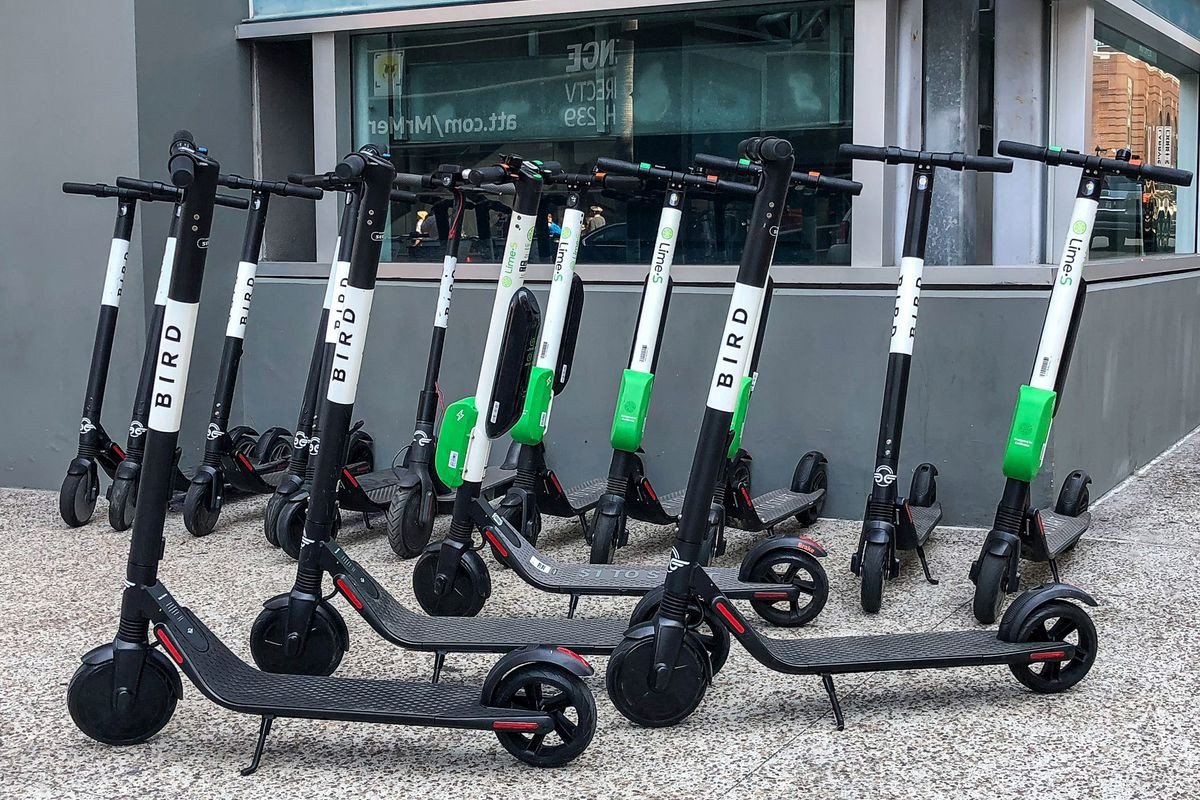
Despite their undeniable benefits, the rapid emergence of electric scooters has presented significant challenges for local governments and regulatory bodies worldwide. The lack of pre-existing frameworks for such novel modes of transport has led to a patchwork of inconsistent and often contradictory regulations. Jurisdictions grapple with fundamental questions concerning where scooters can be ridden, who is permitted to operate them, and what safety equipment is mandatory.
For example, current electric scooter laws in California mandate that riders possess a valid driver’s license—a requirement not typically imposed on electric bicycle users—and prohibit scooters from being operated on sidewalks. These restrictions are often viewed by advocates as onerous and potentially hindering the widespread adoption of scooters as a practical urban transport option. However, one widely accepted regulatory measure is the imposition of speed restrictions. A common limit, such as 15 miles per hour, is largely supported as a sensible maximum for an adult standing on a device without specialized safety equipment, balancing efficiency with rider and pedestrian safety. The existence of high-performance models capable of speeds exceeding 40 miles per hour, while demonstrating technological advancement, also underscores the necessity for robust safety regulations to prevent dangerous incidents.

Statements from city planners and transportation authorities often reflect a cautious optimism mixed with pragmatic concerns. They recognize the potential of scooters to reduce traffic and emissions but are simultaneously challenged by issues such as sidewalk clutter from improperly parked scooters, pedestrian safety conflicts, and the need for dedicated infrastructure like scooter lanes or parking zones. Statistics on scooter-related accidents, while still evolving, point to the importance of helmet usage and rider education.
Diversity, Innovation, and Future Outlook
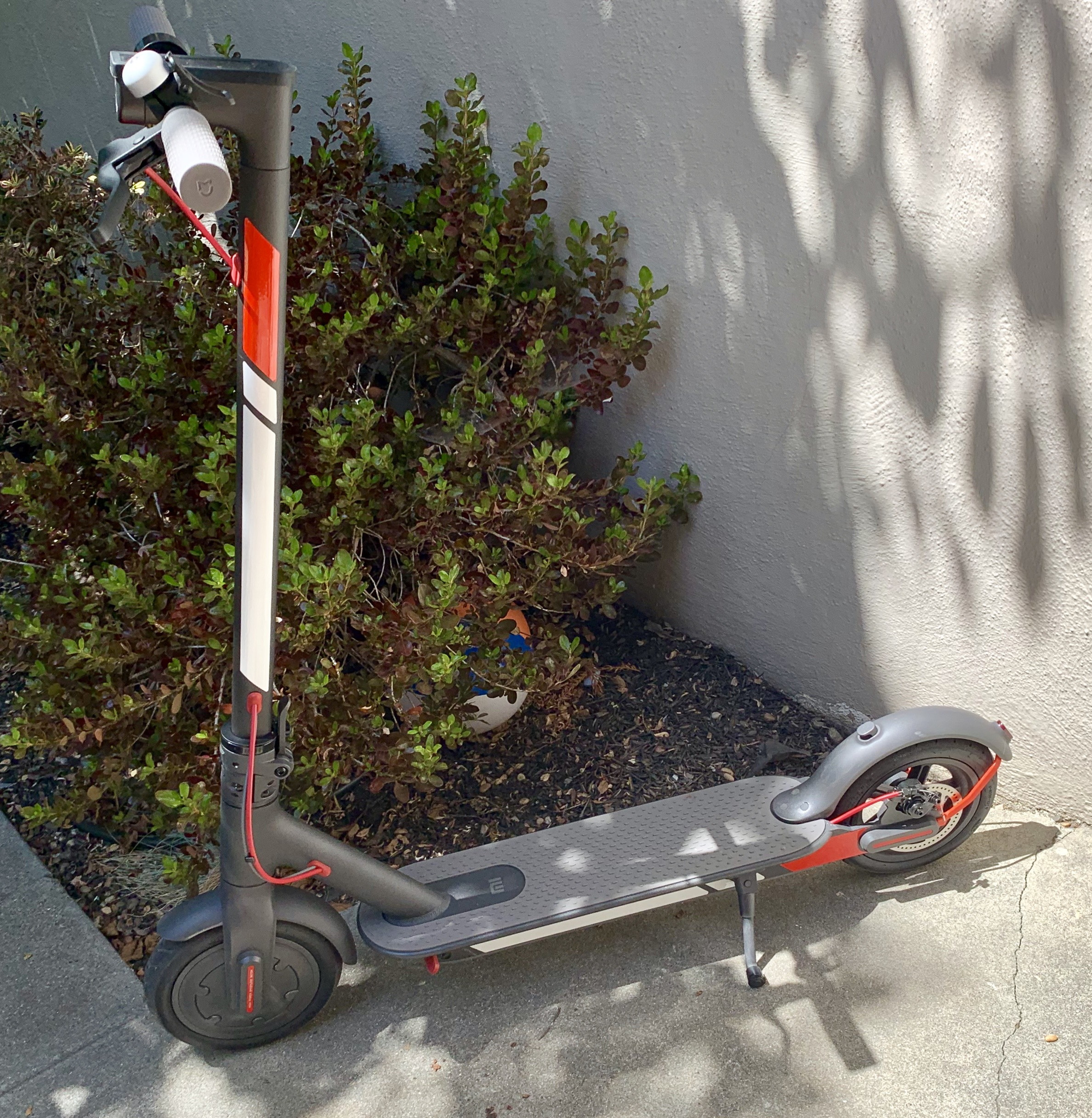
Beyond the "everyman" models like the Xiaomi M365, the electric scooter market has rapidly diversified. Consumers can now choose from a spectrum of options, including luxury electric scooters with premium materials and advanced features, ultralight models designed for maximum portability, rugged off-road scooters built for varied terrains, and high-performance machines boasting powerful motors and advanced suspension systems. This segmentation reflects a maturing market responding to a wider range of consumer preferences and needs.
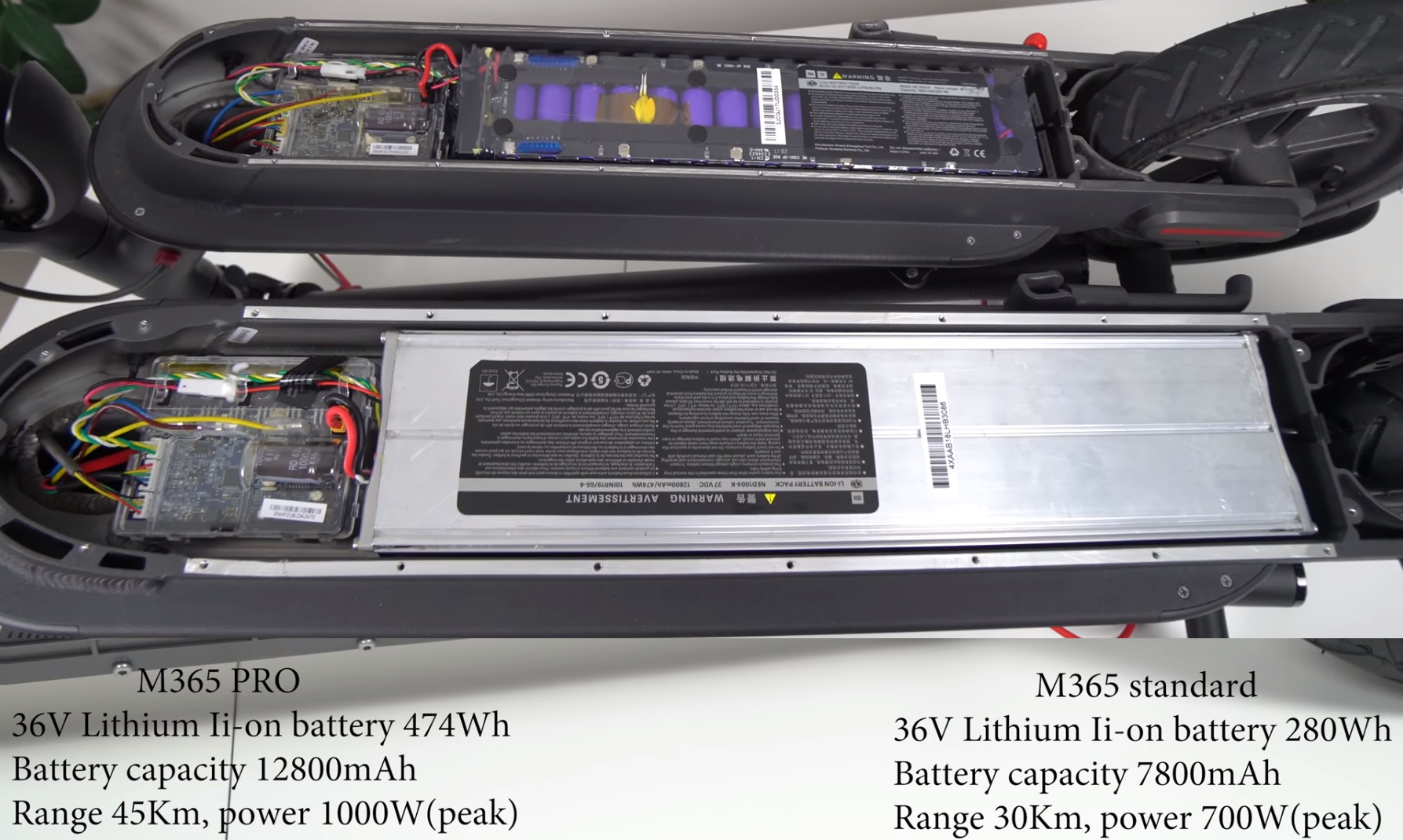
Technological advancements continue to refine the electric scooter experience. The successor to the M365, the Xiaomi M365 Pro, introduced incremental but welcome improvements such as a larger battery, enhanced disc brakes, more powerful motors, an improved display, and a more robust latch mechanism. Furthermore, the inherent digital nature of electric vehicles, including Bluetooth connectivity and app integration, allows for features like firmware updates and even user-driven modifications, showcasing a blend of hardware and software innovation.
Despite these advancements, challenges persist. The original article highlights the practical issue of flat tires on small wheels, suggesting solutions like tire sealants or solid tubeless tires, albeit with a trade-off in ride comfort. Durability and maintenance remain key considerations, particularly for rental fleets. The long-term sustainability of the rental business model itself has also evolved, with some companies pivoting from per-minute charges to monthly rental subscriptions in an effort to enhance profitability and user convenience, addressing issues like theft and vandalism.
Looking back, the electric scooter’s current trajectory stands in stark contrast to the fate of earlier "transformational" personal mobility devices like the Segway. Launched in 2001 with immense hype and a price tag of $5,000 (equivalent to over $7,200 today), the Segway failed to revolutionize personal transport, largely due to its prohibitive cost, cumbersome design, and limited practicality for everyday urban use. In contrast, today’s affordable electric scooters, available for a fraction of that cost, are fulfilling the promise of accessible, personal micro-mobility that the Segway once aspired to deliver.
While the question of whether electric scooters represent the absolute future of all transportation remains open, their profound impact on urban mobility, driven by relentless innovation in battery technology and declining costs, is undeniable. As cities continue to grapple with congestion and environmental concerns, and as battery technology further advances, electric scooters are poised to play an increasingly integral role in shaping the way people move within urban environments, offering a glimpse into a more agile, sustainable, and digitally integrated transportation future.
About the Author