
The digital landscape has undergone a significant upheaval following Elon Musk’s acquisition of Twitter in late 2022 and its subsequent rebranding to X, prompting widespread discussion among users, advertisers, and industry experts regarding the stability and future of centralized social media platforms. The transition has been marked by a series of dramatic policy shifts, leadership changes, and content moderation adjustments that have fundamentally altered the platform’s identity and sparked a renewed call for decentralized alternatives. Critics argue that these changes have dismantled the platform’s previous iteration, which for many served as a vital global town square, while proponents maintain that the transformation is a necessary evolution towards a more robust and free-speech-oriented digital environment.
Background to the Acquisition and Initial Promises
Twitter, launched in 2006, grew to become an indispensable tool for real-time information, political discourse, and cultural exchange. By 2022, it boasted hundreds of millions of active users globally, influencing news cycles and facilitating rapid communication. Its role as a de facto public square, however, also brought challenges, particularly concerning content moderation, misinformation, and the spread of hate speech, issues that Twitter’s previous management grappled with extensively.
Elon Musk, CEO of Tesla and SpaceX, initiated his bid to acquire Twitter in April 2022, citing a desire to unlock the platform’s "extraordinary potential" and uphold free speech principles. His initial offer of $44 billion quickly embroiled the company in a high-stakes corporate drama. Musk expressed concerns about Twitter’s content moderation policies, perceived censorship, and the prevalence of spam accounts (bots), vowing to implement radical changes to address these issues. He envisioned a platform that would be a bastion of free expression, an "everything app" capable of integrating various services beyond microblogging. This vision, however, immediately raised alarms among civil liberties advocates, researchers, and former Twitter employees who feared that a loosening of content moderation standards could exacerbate the spread of harmful content and misinformation.

A Tumultuous Timeline of Transformation
The period following Musk’s takeover was characterized by rapid and often controversial decisions, creating a turbulent environment for employees, users, and advertisers alike.
- October 27, 2022: Elon Musk officially completes the acquisition of Twitter for $44 billion. His first actions include firing top executives, including CEO Parag Agrawal, CFO Ned Segal, and legal affairs and policy chief Vijaya Gadde.
- November 2022: Mass layoffs begin, with approximately half of Twitter’s 7,500-strong workforce terminated. Many key engineering and content moderation teams are significantly reduced or eliminated. Musk introduces a controversial "Twitter Blue" subscription service, offering verification badges to anyone willing to pay, leading to a surge in impersonation accounts and widespread confusion.
- December 2022: Several journalists reporting on Musk are temporarily suspended, drawing condemnation from press freedom organizations. The platform reinstates numerous previously banned accounts, including that of former President Donald Trump, signaling a significant shift in content moderation philosophy.
- January 2023: Advertisers, wary of the platform’s instability and changes to content moderation, continue to reduce or pull their spending. Reports indicate a substantial drop in advertising revenue, Twitter’s primary income source.
- February 2023: Technical glitches and outages become more frequent, attributed by some to the depleted engineering staff. Discussions about the future direction of the platform intensify, with Musk hinting at a broader "X" app vision.
- July 2023: Twitter is officially rebranded as "X," replacing the iconic bird logo with a stylized ‘X’. This move is met with mixed reactions, with many users expressing nostalgia for the old brand and confusion over the new identity. The rebranding signifies a complete break from Twitter’s legacy, emphasizing Musk’s vision for an "everything app."
- August 2023 – Present: X continues to face challenges, including ongoing advertiser reluctance, fluctuating user engagement, and increased scrutiny from regulators globally regarding content safety and data privacy. The platform introduces new features and monetization strategies, such as revenue sharing for creators, in an attempt to diversify its income streams.
The Impact on Users, Advertisers, and Digital Discourse
The changes implemented under Musk’s leadership have had profound implications across various segments. For many long-time users, the platform’s transformation has been disorienting. Reports from analytics firms like Apptopia and Sensor Tower indicated a decline in daily active users and user engagement in the months following the acquisition. The perception of increased hate speech, misinformation, and technical instability led many to either reduce their activity or abandon the platform entirely.
Advertisers, who historically accounted for over 90% of Twitter’s revenue, reacted with significant caution. Major brands paused or significantly reduced their spending on the platform, citing concerns about brand safety in an environment with perceived lax content moderation. GroupM, one of the world’s largest media buying agencies, advised clients to evaluate the risks of advertising on X due to "brand safety concerns." Data from Pathmatics/Sensor Tower suggested that by early 2023, more than half of Twitter’s top 100 advertisers from 2022 had either significantly cut their spending or stopped advertising on the platform altogether. This exodus had a severe financial impact, with Musk himself acknowledging a massive drop in revenue.
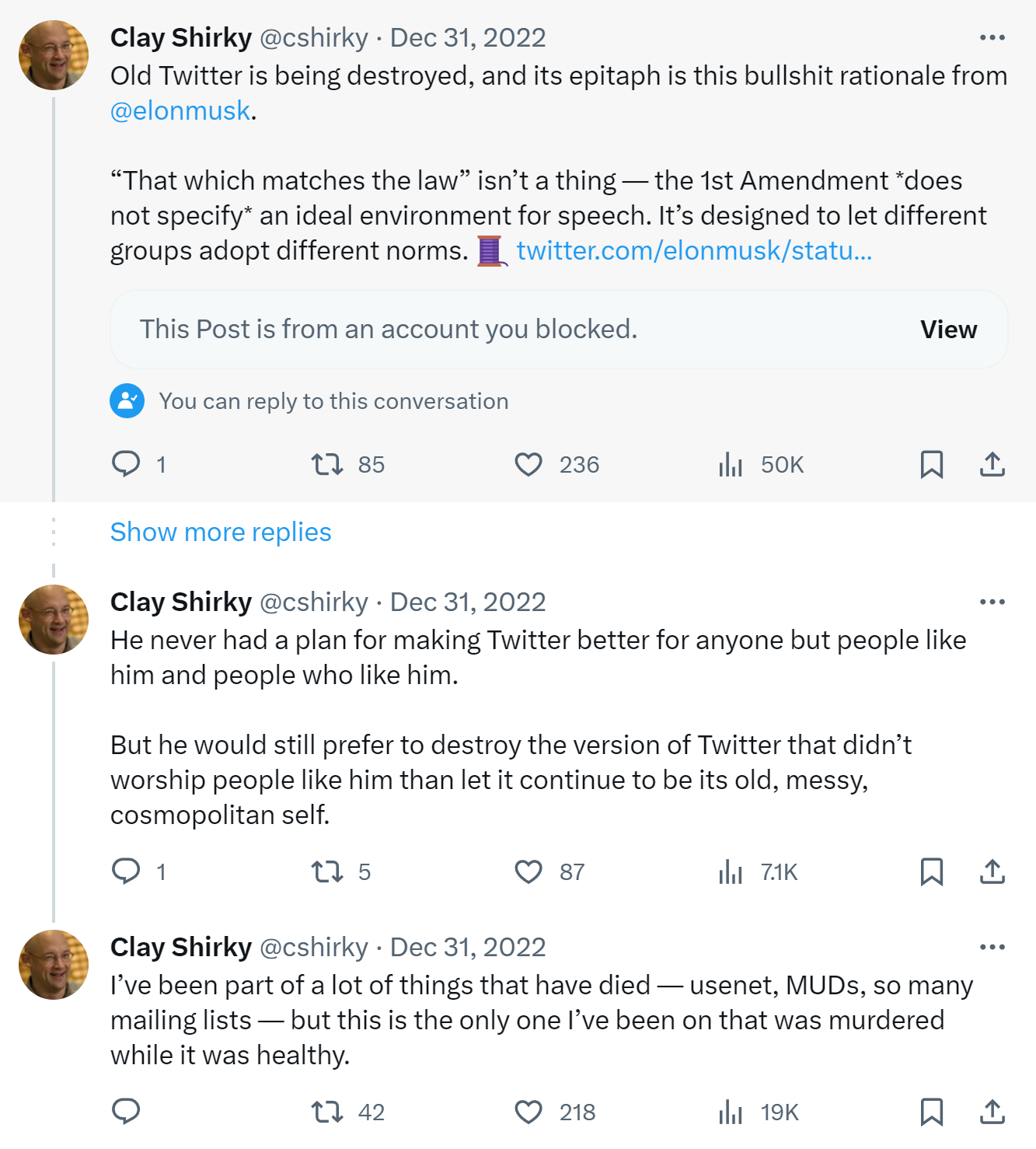
Beyond financial and user metrics, the transformation of X has significantly impacted the broader digital discourse. The shift in content moderation policies, particularly the reinstatement of controversial accounts and the explicit emphasis on "free speech absolutism," has been met with alarm by civil society organizations and human rights groups. Organizations like the Anti-Defamation League (ADL) and the Center for Countering Digital Hate (CCDH) reported a noticeable rise in hate speech and extremist content on the platform. This created an environment where vulnerable communities felt less safe and where the spread of harmful narratives seemed less constrained, challenging the very notion of a healthy public square.
The Resurgence of Decentralization: A Call for User Empowerment
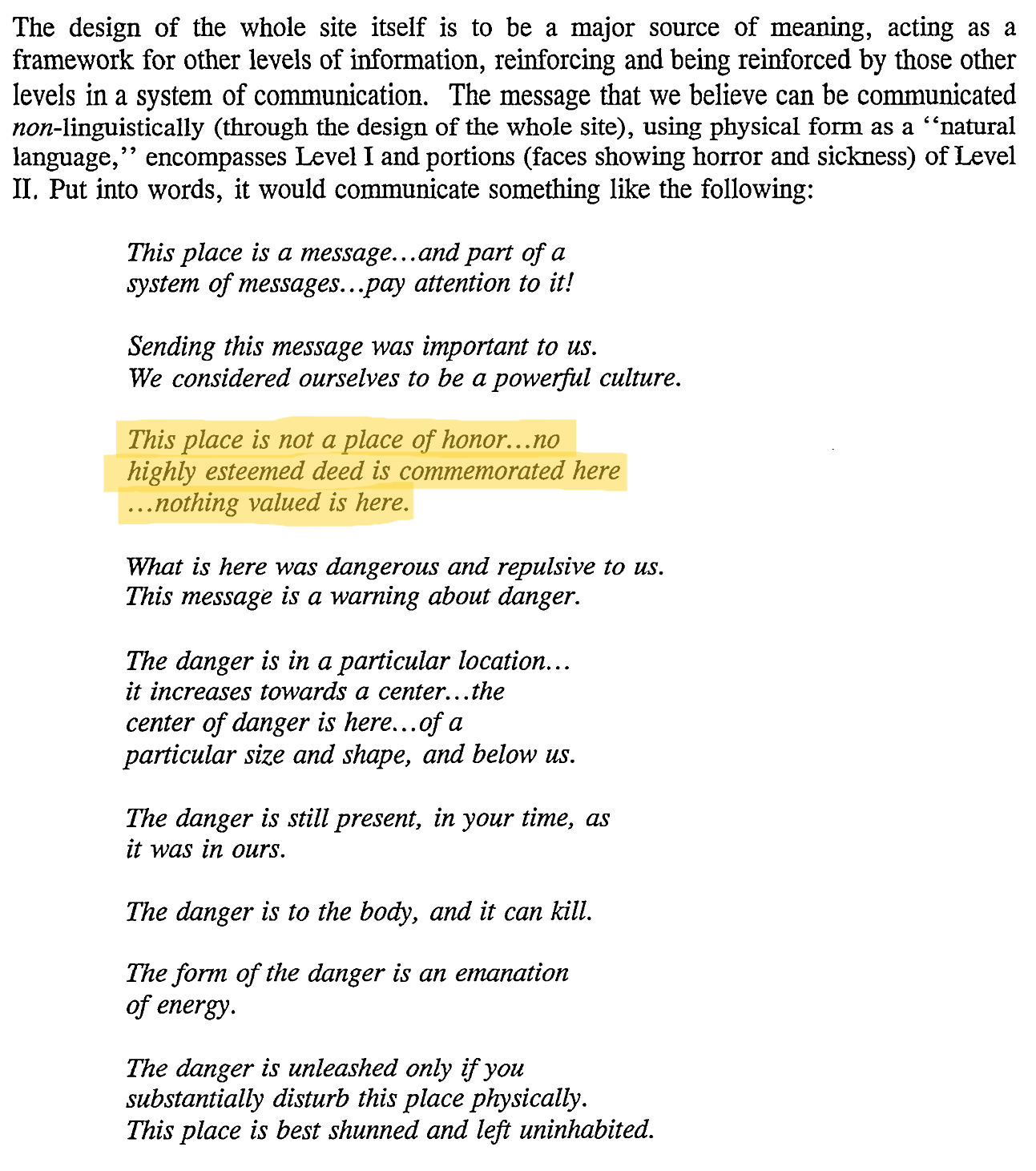
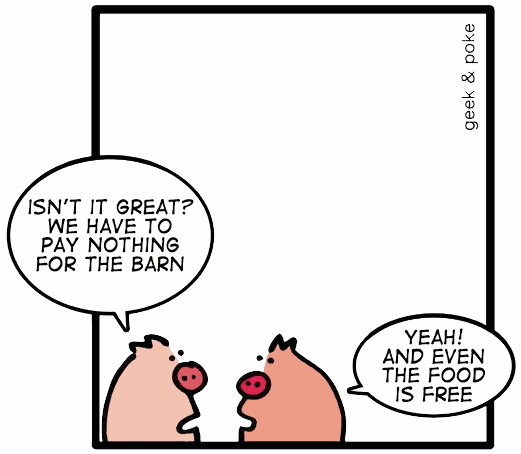
In response to the perceived instability and centralized control exemplified by the Twitter/X transition, there has been a notable resurgence of interest in decentralized social media alternatives. The argument for decentralization posits that relying on a single, privately owned platform, especially one susceptible to the whims of an individual owner, carries inherent risks. Users become "digital sharecroppers," investing their time and content into a system where they lack true ownership or control, and where their digital community can be dismantled or fundamentally altered without their consent.
Paul Ford, in a widely cited commentary, articulated this sentiment, suggesting that large, centralized digital gatherings are inherently problematic. He invoked a biblical analogy, hinting that human nature is better suited for smaller, more manageable communities, echoing the concept of Dunbar’s Number (the cognitive limit to the number of stable social relationships an individual can maintain). Ford’s perspective, widely shared among critics, suggested that the destruction of Twitter, while lamentable for its prior utility, served as an unwitting favor by highlighting the dangers of unchecked power in digital spaces.
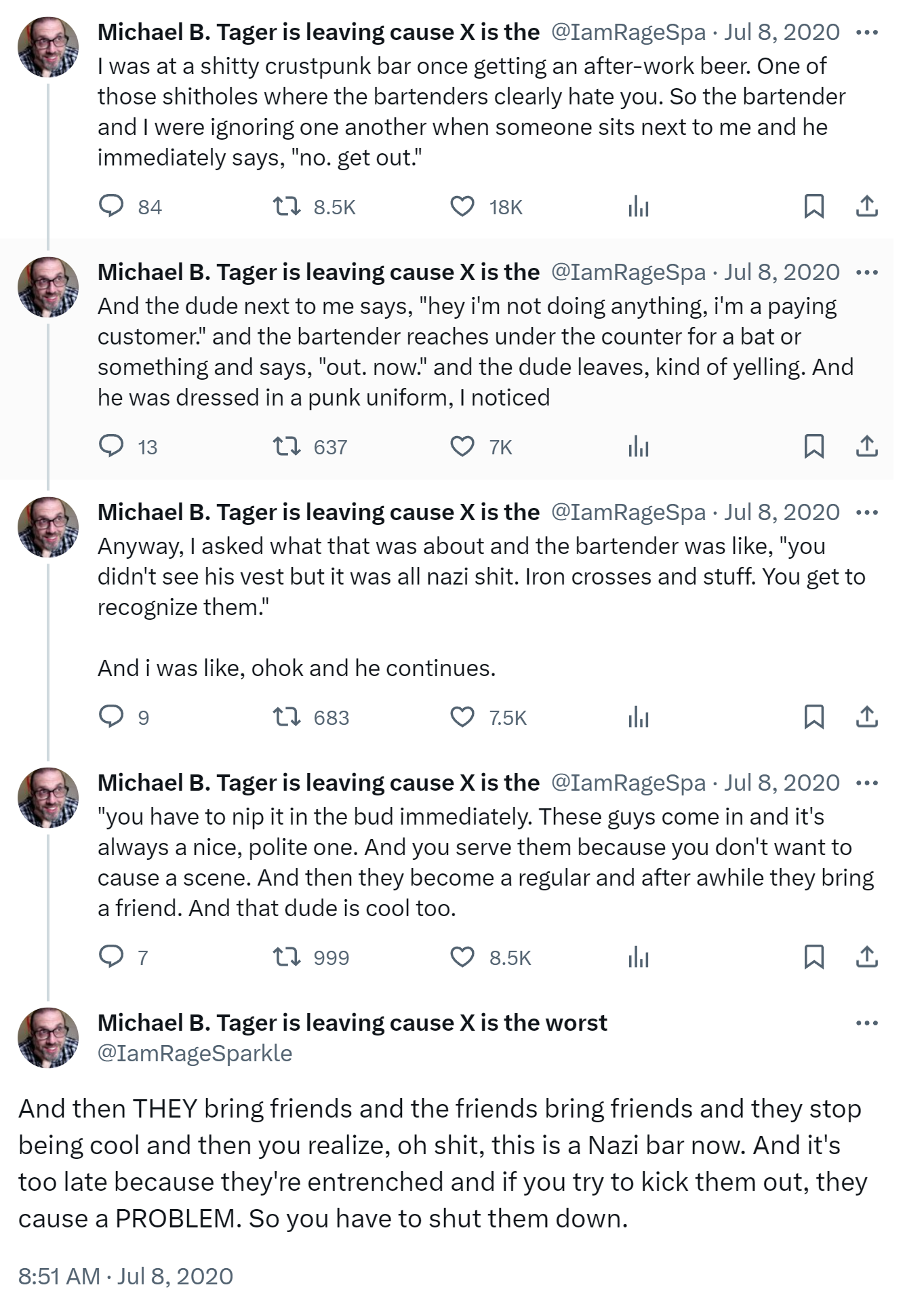
This sentiment has fueled the growth of platforms built on federated and open-source principles. Mastodon, a prominent example, operates as a network of interconnected, independently run servers (instances). Users choose an instance to join, which then federates with others, allowing for broad communication while maintaining local moderation and governance. This model offers users greater control over their data, their community guidelines, and the overall user experience, mitigating the risk of a single entity dictating the terms for everyone. While often described as "messy" due to its distributed nature, proponents argue that this complexity is a worthwhile trade-off for increased resilience, user empowerment, and democratic governance, akin to the challenges and rewards of a functioning democracy compared to an autocracy.
The principles behind decentralized platforms advocate for collective ownership of content and communities. While these services may not be "free" in the traditional sense (often requiring contributions for server maintenance or development), proponents argue that the cost is a small price to pay for genuine autonomy and protection against the arbitrary changes that can plague centralized systems. This shift reflects a maturing understanding of the true cost of "free" online services, which often come at the expense of user data, privacy, and control.
Broader Implications and the Future of Digital Public Squares
The events surrounding Twitter’s transformation into X serve as a critical case study in the ongoing debate about the governance of digital public squares. They underscore the inherent tension between free speech absolutism and the need for content moderation to prevent harm and maintain a healthy environment. The experiment under Musk has highlighted the fragility of platforms built entirely on the vision of a single leader, no matter how influential or well-intentioned.
The implications extend beyond the fate of a single platform. It has reignited discussions among policymakers, technologists, and civil society groups about regulatory frameworks for social media, the importance of interoperability, and the development of open standards that could foster a more resilient and user-centric internet. The push for decentralized and federated alternatives suggests a potential paradigm shift, moving away from monolithic platforms towards a more diverse and distributed ecosystem where users have greater agency.
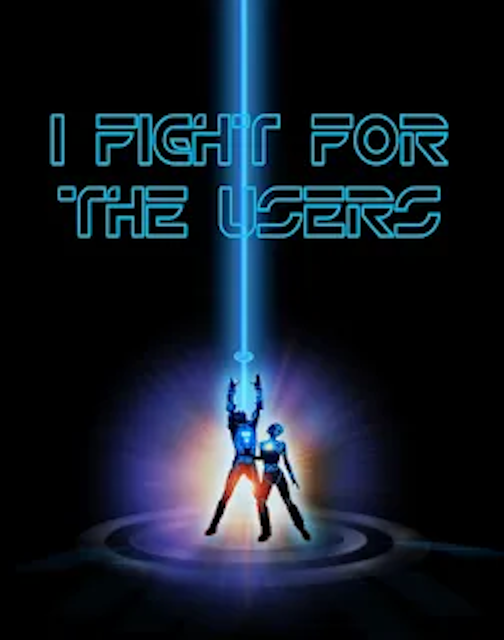
Ultimately, the saga of Twitter and X has served as a powerful, albeit painful, demonstration of the vulnerabilities inherent in highly centralized digital infrastructure. It has solidified the argument that true digital empowerment requires not just innovative technology, but also governance models that prioritize user control, community autonomy, and robust, transparent moderation, rather than leaving the fate of global discourse to the dictates of a single, powerful entity. The challenge now lies in building and sustaining these alternatives, ensuring they are accessible, scalable, and capable of fostering the kind of healthy, vibrant digital communities that many believe were lost in the transformation of a once-iconic platform. The path forward, though potentially more complex and demanding, is increasingly viewed as the only survivable long-term strategy for preserving meaningful and democratic online interaction.
About the Author