Digital entertainment, particularly interactive video games and serialized webtoons, has mastered the art of generating momentum, transforming brief moments of leisure into prolonged, immersive experiences. The intricate interplay of progression systems, compelling characters, narrative suspense, and the perpetual promise of new discoveries fuels an almost insatiable desire for continuous engagement, turning casual consumption into binge-worthy marathons. This phenomenon is rooted in deeply ingrained psychological principles, meticulously leveraged by creators to maintain audience captivation.
The Irresistible Pull of Binge-Worthy Digital Entertainment
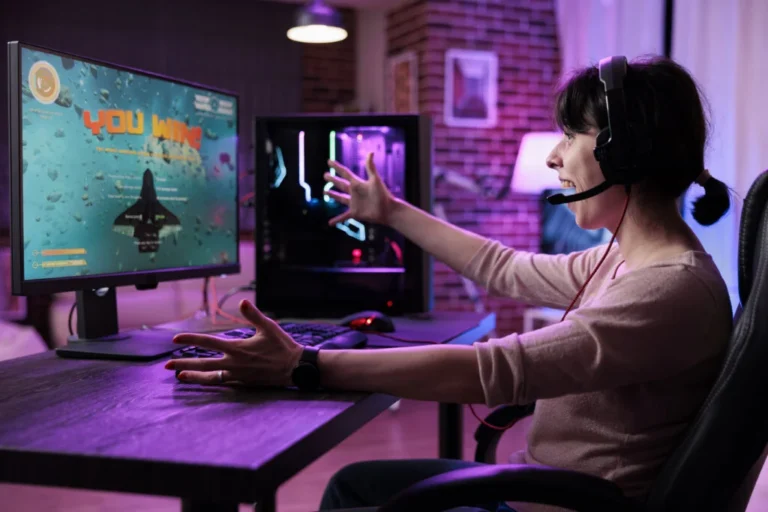
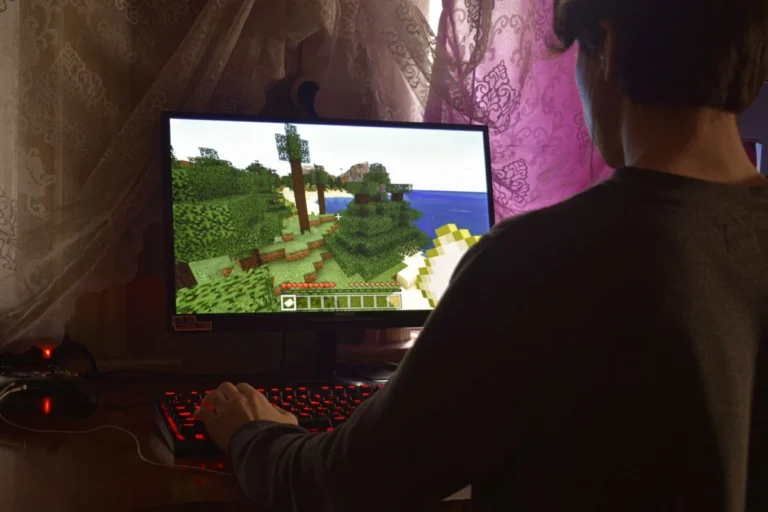
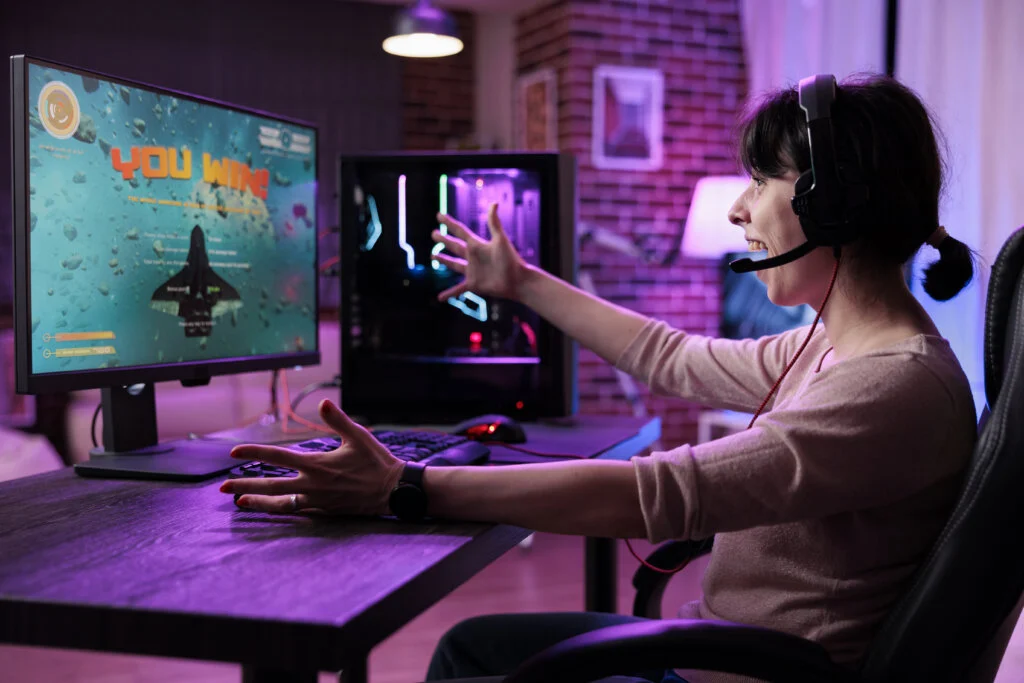
The scenario is remarkably consistent across diverse digital formats. A player intending to engage with a video game for a mere thirty minutes finds themselves completing a mission, only for a new area to unlock or a critical plot twist to be revealed by a companion character. The decision to play "just a bit longer" often leads to hours slipping by unnoticed. Similarly, a webtoon reader finishes an episode, confronts a sharp cliffhanger, and realizes the next chapter is a mere scroll away. What began as a quick reading break invariably escalates into a multi-chapter marathon.
While superficially distinct—gaming involves active control, inventory management, and strategic decision-making, whereas webtoons primarily entail passive scrolling through a narrative—both forms of media exert a powerful hold on their audiences. This shared capacity for sustained engagement stems from a fundamental design philosophy: ensuring there is always "something waiting around the corner." As research highlighted in Computers in Human Behavior (2017) suggests, reward and progression systems are foundational to maintaining player motivation. Webtoons employ analogous techniques through new episode releases, dynamic character developments, and strategically placed cliffhangers.
Progression: The Engine of Continuous Engagement
Progression stands as a foundational pillar in the architecture of compelling game design. Players are consistently presented with goals, whether it’s leveling up a character, acquiring new skills, unlocking powerful gear, or advancing through a sprawling narrative. Each minor achievement, often accompanied by visual and auditory feedback, serves as a psychological ‘small win,’ reinforcing positive behavior and fueling the desire to uncover what comes next. Academic research on video game engagement, such as that published in the Journal of Personality and Social Psychology (2010), underscores that games are profoundly motivating when they instill a sense of competence and foster connection among players.
This constant sense of forward movement is crucial for sustaining interest. When objectives are clear and attainable, and progress is visibly tracked, investment remains high. Conversely, experiences that feel stagnant, where each level or chapter lacks tangible advancement, struggle to retain an audience. Game designers meticulously craft systems where different mechanics—from combat and exploration to crafting and social interaction—converge to create a cohesive and continuously rewarding experience. An industry analyst, commenting on the success of live-service games, noted, "The most successful titles aren’t just about the initial purchase; they’re built on an evergreen promise of more content, more challenges, and more ways for players to grow within the game world. This continuous feedback loop is critical for long-term engagement."
Webtoons, despite their different format, achieve a remarkably similar sense of momentum. Readers are drawn through chapters by the evolving relationships between characters, the gradual unraveling of complex plots, and the expansion of intricate fictional universes. The ‘progression’ here is less about numerical stats and more about narrative advancement and emotional investment. As one webtoon creator explained in a digital panel, "We treat each episode like a mini-game level. There’s a small arc, a sense of accomplishment, and then, crucially, a hook that promises greater things to come. It’s about building anticipation and paying it off, then immediately rebuilding it." The medium changes, but the fundamental human desire for progress and discovery remains constant.
Stories: Imbuing Movement with Genuine Meaning
While progression provides the impetus for movement, it is a strong, resonant story that imbues that movement with genuine meaning. A game might boast cutting-edge graphics and innovative mechanics, but these elements alone are often insufficient to sustain long-term player investment. The narrative often proves to be the differentiator. When players develop an emotional connection to characters, they become deeply invested in their fates and the overarching plot.
Consider the tension of wondering if a beloved companion will survive the next perilous battle, or the intrigue surrounding the true motives of a shadowy antagonist. This emotional resonance explains why story-driven games, from epic role-playing adventures to poignant narrative experiences, remain memorable years after their initial release. Players are not merely checking off objectives; they are living through a journey, making choices that feel consequential, and witnessing character arcs unfold. The same phenomenon occurs with webtoons; readers become emotionally attached to protagonists and antagonists alike, transforming them from passive observers into invested participants who eagerly await the next development.
The evolution of digital storytelling has seen games transition from simplistic plots to complex, branching narratives with deep lore and moral quandaries. This shift mirrors the sophistication found in traditional literature and cinema, elevating the perceived value of digital entertainment. According to a recent survey by the Entertainment Software Association, narrative quality is now a top factor for many players when choosing new games, reflecting a growing demand for experiences that go beyond mere gameplay mechanics.
Cliffhangers: Crafting the "One More" Effect
The art of the cliffhanger is a powerful psychological tool designed to exploit the human brain’s natural aversion to unresolved tension. A well-crafted cliffhanger deliberately creates an immediate information gap, leaving the audience suspended at a crucial moment. This could involve a protagonist uncovering a shocking betrayal, an antagonist stepping out of the shadows just as stability seems to be restored, or a sudden, dramatic reversal of fortune. Then, the scene abruptly concludes, or the screen cuts to black.
This is precisely when the temptation of "one more" becomes almost irresistible. Psychologically, this phenomenon can be linked to the Zeigarnik effect, which posits that people remember uncompleted or interrupted tasks better than completed ones. The brain actively seeks closure, and a cliffhanger is a masterclass in denying that closure, compelling the audience to continue. Game designers frequently employ similar structural techniques, often answering one lingering question while simultaneously introducing new mysteries or challenges, creating a perpetual cycle of curiosity and resolution. A game might end a chapter with a dramatic boss battle that reveals a deeper conspiracy, or a questline might conclude with a difficult moral choice whose consequences are only hinted at.
Webtoons, by their very episodic nature, are perfectly suited for this architectural approach to storytelling. Each episode typically provides a localized payoff—a minor plot point resolved, a character interaction completed—while meticulously leaving readers curious about the next installment. This expert management of curiosity ensures the audience never feels completely finished, always anticipating the next drop. Data from leading webtoon platforms indicates that episodes ending on strong cliffhangers consistently see higher engagement rates and quicker transitions to the next available chapter, underscoring their effectiveness in driving binge consumption.
Why Gamers Easily Transition to Binge Readers
The transition from avid gamer to enthusiastic webtoon reader is often seamless, primarily because gamers are already thoroughly conditioned to continuous entertainment loops. The gaming experience itself is built on a foundation of incremental rewards, ongoing challenges, and unfolding narratives that train players to expect and desire continuous engagement.
- Gaming: Players are accustomed to progression bars filling, experience points accumulating, new levels unlocking, and story beats revealing themselves over extended play sessions. They understand the concept of investing time for future narrative or mechanical rewards.
- Webtoons: Establish a parallel rhythm. Readers are accustomed to character development arcs, plot twists, and world-building revelations unfolding across sequential chapters. The act of scrolling through an episode is akin to progressing through a game level, with a clear endpoint that immediately sets up the next beginning.
While the formats differ—one is interactive, the other primarily visual narrative—they share a similar storytelling DNA. Both rely on character growth, the unfolding of complex narratives over time, and the creation of immersive worlds that encourage deep investment. If an individual enjoys story-heavy games, they are highly likely to find webtoons a familiar and equally rewarding experience, offering the same rush of exploring a fictional universe and becoming emotionally invested in its inhabitants. An industry analyst recently observed, "The lines between gaming and other digital media are blurring. Gamers are sophisticated consumers of digital narratives, and webtoons offer an accessible, often mobile-first, way to get that fix without requiring the same cognitive load as complex gameplay. It’s a natural cross-pollination of entertainment habits." Modern game design increasingly incorporates deep storytelling, recognizing that not every gaming session needs to be about intense action; sometimes, players simply crave a compelling story to get lost in. With smartphones ubiquitous, picking up a webtoon becomes an effortless extension of digital leisure.
Optimizing Digital Story Consumption: Finding Flow Without Friction
Convenience plays a pivotal role in sustaining engagement when an audience is already caught up in a compelling narrative. Any significant friction in accessing the next episode or chapter can disrupt the "flow state" and lead to a loss of interest. A streamlined reading experience, an intuitively organized library, and instant access to new chapters are crucial for maintaining momentum. Platforms that minimize barriers between content pieces are inherently more successful at fostering binge consumption.
For readers seeking a dedicated manhwa site to read online, factors such as the size and diversity of the catalog, the quality of translations, and the pricing model are critical considerations. Some services operate on subscription models, offering access to an extensive library for a flat fee, which can feel more liberating than paying for individual chapters. This ‘all-you-can-eat’ model directly supports binge-reading by removing the micro-transaction decision at each chapter break.
Before committing to a platform, potential users often have practical questions. For instance, inquiries like "Is HoneyToon free?" reflect concerns about accessibility and cost, while "Is HoneyToon Safe & Legit?" addresses trustworthiness and user data security. Reputable platforms prioritize transparent communication about their access options, content acquisition methods, and privacy policies to build user confidence. The competitive landscape of digital content distribution means that platforms must not only offer compelling stories but also a superior, frictionless user experience to thrive.
Frequently Asked Questions
What makes story-driven games so engaging?
Story-driven games transcend simple task lists by introducing rich characters, immersive worlds, and intricate plots. When players care about the narrative, every action—from exploration to combat—feels meaningful. The gameplay serves a deeper narrative purpose, creating a profound sense of investment that keeps players hooked. It’s the difference between merely playing a game and living through an epic journey.
Why do cliffhangers make people keep reading or playing?
A powerful cliffhanger creates an immediate information gap, leaving the audience with an unanswered question or a moment of intense suspense. For example, a character might make a shocking discovery right at the episode’s conclusion, or a critical battle could end on an ambiguous note. This sudden spike in tension and the inherent human desire for closure compel the brain to crave immediate resolution, making it incredibly difficult to stop before the next installment.
Are webtoons anything like video games?
While they utilize different formats—one interactive, the other sequential visual narrative—webtoons and video games share a surprisingly similar storytelling DNA. Both rely heavily on character development, the gradual unfolding of a narrative over time, and the creation of compelling fictional universes. If an individual enjoys the deep immersion and character-driven plots of story-heavy games, they will find webtoons offer a remarkably familiar and equally captivating rush of exploring a well-crafted fictional world.
What makes a game hard to put down?
Games become highly addictive when they provide clear, achievable goals coupled with consistently rewarding progress. The satisfaction of beating a tough challenge, leveling up a character, or arriving at a pivotal plot reveal acts as a powerful motivator. Often, simple curiosity about what lies ahead is enough. This constant drip of small milestones, combined with the anticipation of larger rewards, keeps players glued to the screen for extended periods.
Why do people end up binge-reading or binge-playing?
Modern digital platforms are designed to remove virtually all friction between content pieces. The next chapter, episode, or level is typically just a click or a scroll away. When a story or game truly hooks an individual, this seamless access transforms what was intended as a quick break into hours of continuous engagement. The ease of transition from one piece of content to the next allows casual entertainment to escalate into a full marathon session before the consumer even consciously registers the passage of time.
Wrapping Up
The ubiquitous phrase "one more" encapsulates the essence of modern digital entertainment’s magnetic appeal. Whether it’s "one more mission," "one more level," "one more episode," or "one more chapter," the underlying experience across formats is remarkably consistent. Audiences continue to engage when they feel deeply invested in their current activity and perpetually curious about what lies immediately ahead.
For game designers and webtoon creators, this understanding underscores that engagement extends far beyond mere mechanics or artistic style. A potent blend of clear progression pathways, compelling storytelling, relatable characters, and strategically managed curiosity are all indispensable components that contribute to a truly immersive and enduring experience.
And for audiences, this explains why a meticulously planned 30-minute gaming session or a quick webtoon read can effortlessly expand into an entire evening of continuous digital consumption. The true allure of binge-worthy entertainment lies in its capacity to do more than simply demand our attention; the most effective digital experiences provide compelling reasons to keep going, fostering a deep, often unconscious, desire for endless discovery. As digital platforms continue to evolve, the psychological levers that drive this sustained engagement will only become more refined, cementing the place of games and webtoons as dominant forces in the entertainment landscape.
About the Author