Final Fantasy X stands as a pivotal milestone in the history of Square Enix’s revered franchise and a landmark achievement in the role-playing game genre. Released in 2001, it redefined storytelling paradigms for the series by being the first mainline entry to incorporate full voice acting, a technological and creative leap that profoundly altered character expression and narrative immersion. Producer Yoshinori Kitase notably articulated how this innovation allowed characters to convey emotions with unprecedented depth, adding rich layers to an already compelling narrative. This shift resonated strongly with players, as evidenced by consistent community discussions, such as those on platforms like Reddit, where the game’s intricate character development, nuanced relationships, and gradually unfolding thematic complexities are frequently lauded. The synergy between robust writing and spoken dialogue birthed some of the franchise’s most enduring and impactful exchanges, contributing to a powerful narrative payoff that made its slow-burn journey exceptionally rewarding.
Development and Context: A New Era for Final Fantasy
The genesis of Final Fantasy X coincided with a significant transition in console generations, moving from the PlayStation to the PlayStation 2. Following the critical and commercial successes of Final Fantasy VII, VIII, and IX on the original PlayStation, expectations for the series’ next iteration were immense. Square, then Square Co. Ltd., aimed to push technological boundaries while simultaneously evolving the narrative experience. The decision to implement full voice acting was a monumental undertaking, fraught with technical challenges related to memory constraints, lip-syncing, and the sheer volume of recorded dialogue. It also demanded a more meticulous approach to scriptwriting and localization, as spoken words carry a different weight and nuance than text alone. Key development figures, including Yoshinori Kitase (producer), Motomu Toriyama (event director), and Kazushige Nojima (scenario writer), were instrumental in navigating these complexities, striving to craft a game that leveraged the PlayStation 2’s capabilities to deliver a truly cinematic and emotionally resonant experience. This ambitious goal marked a deliberate effort to deepen player connection with the world and its inhabitants, setting a new benchmark for narrative presentation in JRPGs.
Release, Reception, and Commercial Success
Final Fantasy X first launched in Japan on July 19, 2001, followed by North America on December 18, 2001, and Europe on May 29, 2002. Upon its release, the game was met with widespread critical acclaim, garnering an average score of 92/100 on Metacritic. Reviewers universally praised its stunning graphics, intricate turn-based combat system, and particularly its groundbreaking narrative presentation. The implementation of voice acting was frequently highlighted as a revolutionary feature, enhancing character personalities and dramatic scenes. Publications lauded the emotional depth conveyed through the performances, noting how it drew players deeper into the world of Spira. Commercially, Final Fantasy X was an immediate success, selling over two million copies in Japan within its first week. By 2004, it had sold over 6.6 million copies worldwide, a figure that continued to grow with subsequent re-releases on various platforms, including the PlayStation 3, PlayStation Vita, PlayStation 4, Nintendo Switch, Xbox One, and PC, eventually surpassing 20 million units across all versions. This sustained commercial performance underscored its lasting appeal and impact on the gaming landscape.
The World of Spira: A Narrative of Sacrifice and Rebellion
Final Fantasy X introduces players to Tidus, a star blitzball player from the technologically advanced city of Zanarkand. His world is violently disrupted by the monstrous entity known as Sin, which transports him to the ancient, water-logged world of Spira. Here, he encounters Yuna, a young summoner embarking on a perilous pilgrimage to defeat Sin and bring a temporary calm, known as the "Calm," to the land. Tidus joins her as a guardian, hoping to find a way back to his own time and home.
The narrative of Final Fantasy X transcends typical heroic quests, delving into profound themes of sacrifice, religious dogma, and the courage to challenge established traditions. While the game features the robust turn-based combat and extensive character progression expected of a Final Fantasy title, its true power lies in the emotional stakes it meticulously builds. Players are drawn into a vivid world where initial expectations are gradually subverted by unexpected revelations: the cyclical nature of Sin’s return, the potentially manipulative doctrines of the Yevon faith, and the devastating price summoners pay for their duty. The story evolves from a straightforward pilgrimage into a profound exploration of existential choice, forcing characters and players alike to question whether to passively accept a preordained fate or bravely forge their own path. The brilliance of its writing, amplified by the vocal performances, ensures that every theme—from the futility of endless sacrifice to the enduring power of love and friendship—resonates deeply through the characters’ spoken words.
Voices of Spira: Character and Dialogue
The full voice acting in Final Fantasy X allowed for a nuanced portrayal of its diverse cast, enabling their personalities, struggles, and growth to be conveyed with unprecedented clarity. Each character’s dialogue is not merely informative but serves as a window into their soul, reflecting their internal conflicts and evolving perspectives.
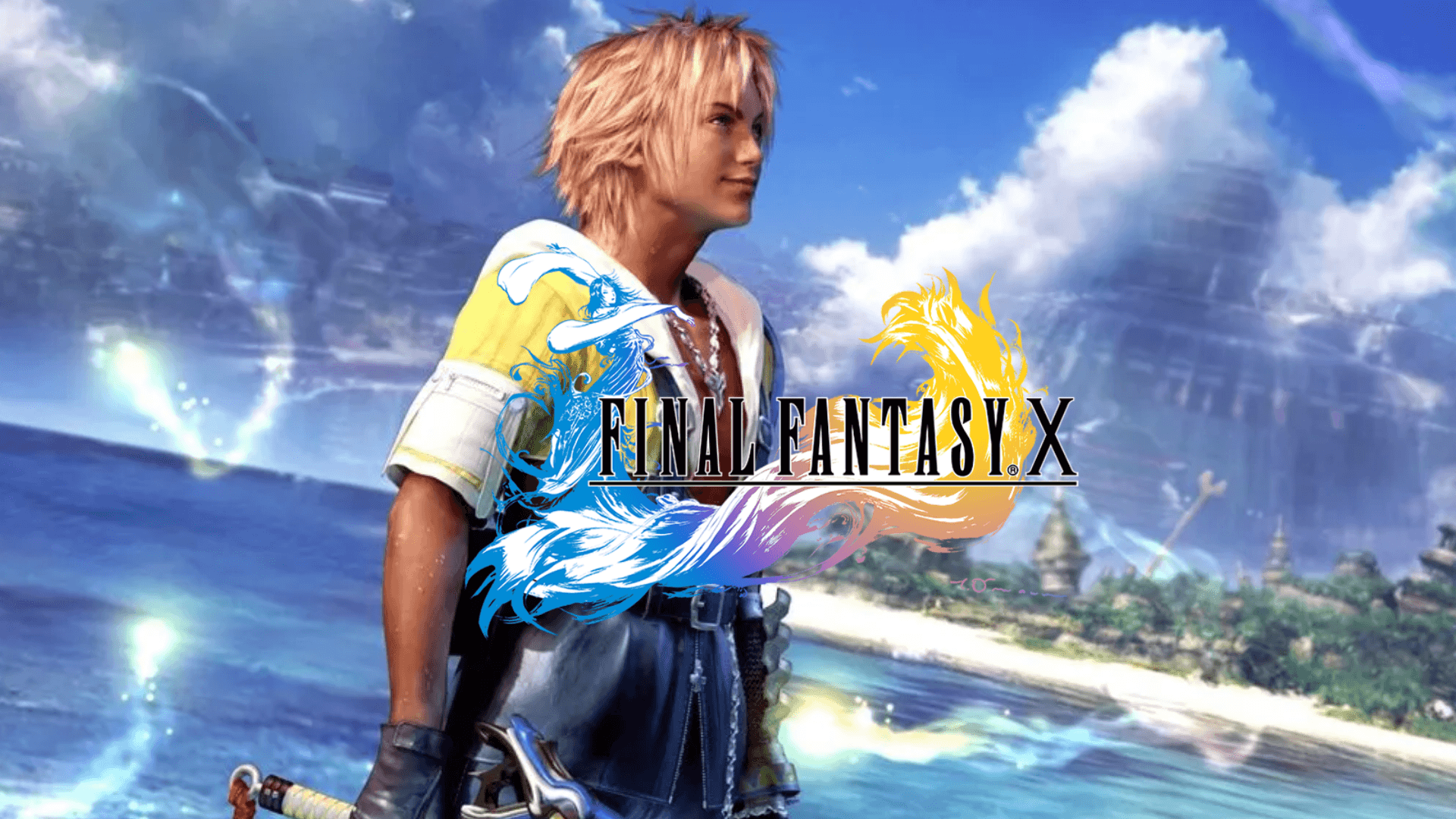
Tidus: As the protagonist, Tidus begins his journey as a carefree, impulsive, and sometimes naive blitzball star from a bygone era. His initial dialogue often reflects his confusion and frustration with Spira’s harsh realities. For example, his iconic, albeit sometimes awkward, "Ha ha ha ha ha" laugh, encouraged by Yuna, illustrates his struggle to process grief and find joy amidst overwhelming sorrow. Yet, as he witnesses Yuna’s unwavering resolve and learns the truth of Spira, he matures, becoming the party’s emotional anchor. His poignant reflection, "This is my story. It’ll go the way I want it, or I’ll end it here," encapsulates his journey from a displaced youth to a determined agent of change, ready to challenge destiny. His raw honesty, even when ill-timed, ultimately contributes to the emotional core of the game.
Yuna: The compassionate and determined summoner, Yuna, carries the immense burden of her sacred duty with grace and an outward optimism that often masks her internal struggles. Her words frequently reveal her unwavering commitment to Spira’s people, even at great personal cost. "I will defeat Sin. I must," she states with conviction, embodying her selfless resolve. Her dialogue also highlights her growing strength and defiance against the oppressive cycle of sacrifice. A pivotal moment sees her declare, "No more tears, no more pain. We will never be afraid again," signaling her rejection of the established order and her embrace of a new, hopeful future. Her journey is defined by a quiet strength that blossoms into fierce determination, and her voice acting beautifully conveys this transformation.
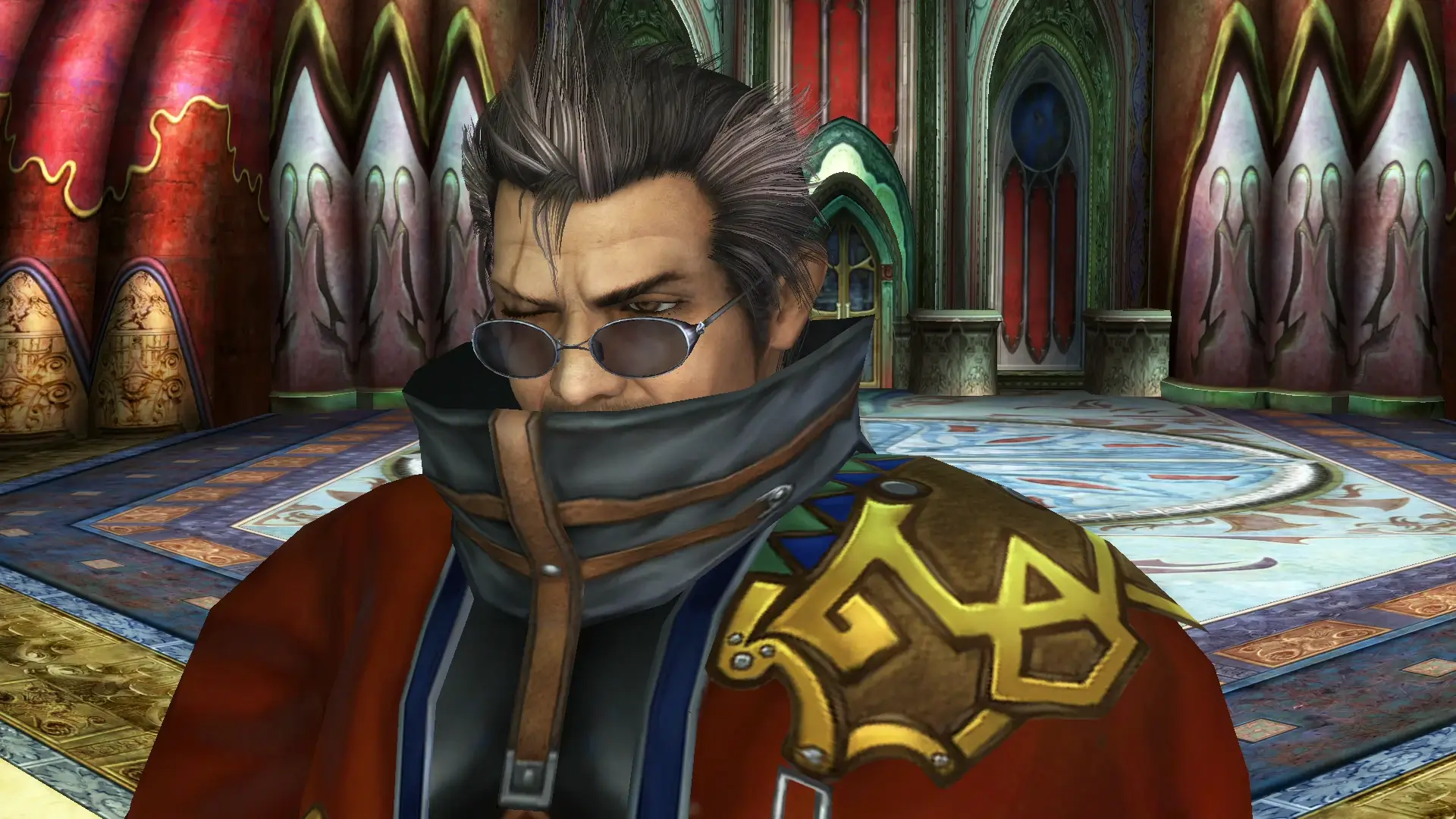
Auron: The stoic and enigmatic warrior, Auron, serves as a veteran guardian and a mentor figure, possessing a profound understanding of Spira’s past and the true nature of Sin. His blunt observations and cryptic pronouncements are delivered with a calm, authoritative demeanor, making him one of the group’s most dependable and wise figures. "Listen to my words. This may be our last chance," he advises, his gravity underscoring the seriousness of their quest. His often-minimalist dialogue carries significant weight, such as his famous line, "This is it. This is your story. It all begins here," which grounds Tidus’s journey within a larger, more ancient conflict. Auron’s words are often imbued with a sense of fatalism, yet also a quiet encouragement for his young companions to defy fate.
Other Notable Voices:
The supporting cast further enriches the narrative tapestry. Wakka, the passionate blitzball player and devoted guardian, often expresses his unwavering faith in Yevon and his strong sense of community, though his beliefs are challenged throughout the pilgrimage. Lulu, the stern black mage, provides pragmatic wisdom and a grounded perspective, often countering Tidus’s impulsiveness with her mature insights, such as "It is true that the dead do not suffer, but the living must endure." Rikku, the energetic Al Bhed machina user, brings a vibrant, optimistic spirit, challenging the traditional views of Spira with her technological ingenuity and outspoken nature. Even the antagonists, like Seymour Guado, articulate their twisted philosophies with a chilling gravitas, adding depth to their roles as formidable adversaries. The combined vocal performances elevate these characters beyond mere archetypes, making their relationships and individual arcs incredibly resonant.
Beyond moments of dramatic intensity, Final Fantasy X also masterfully integrates lighter exchanges and humorous quips, which provide crucial emotional balance. These instances of levity, often involving Tidus’s initial bewilderment or Rikku’s cheerful demeanor, serve to humanize the characters and highlight the bonds forming within the party, making the ultimate sacrifices even more impactful.
The Broader Impact and Implications of Voice Acting
Final Fantasy X’s pioneering use of full voice acting irrevocably changed player expectations for JRPGs. It set a new standard for narrative delivery, pushing other developers to integrate high-quality voice work into their titles to achieve similar levels of immersion and emotional connection. This move wasn’t without its critics or challenges; some purists argued that it detracted from the player’s imagination, while others pointed to occasional awkward voice direction or localization choices. However, the overwhelming consensus was that the benefits far outweighed the drawbacks. The ability to hear characters express joy, sorrow, anger, and hope directly through their voices forged a more immediate and profound bond between the player and the narrative.
The success of Final Fantasy X demonstrated that voice acting could not only enhance storytelling but also become an integral component of character development, allowing for more subtle performances and complex emotional arcs. This paradigm shift influenced subsequent Final Fantasy titles, which continued to feature full voice acting, as well as countless other JRPGs and narrative-driven games across the industry. It elevated the role of voice actors in game development, recognizing their crucial contribution to the overall artistic vision.
Enduring Legacy and Cultural Resonance
Final Fantasy X’s influence extends far beyond its initial release. Its narrative, characters, and themes continue to be debated and celebrated by a dedicated global fanbase. The game’s re-releases on modern platforms introduced it to new generations of players, solidifying its status as a timeless classic. The enduring popularity led to a direct sequel, Final Fantasy X-2, a rare occurrence for a mainline Final Fantasy title, further exploring the lives of Yuna and her companions in a changed Spira.
The game’s philosophical underpinnings—the questioning of tradition, the fight against an inescapable fate, and the profound exploration of grief and sacrifice—resonate deeply, making it more than just an entertaining adventure. It is a contemplative experience that challenges players to consider universal human dilemmas. The memorable quotes, delivered with passion and conviction by a talented voice cast, are not merely lines of dialogue; they are encapsulations of character, moments of profound revelation, and echoes of an epic journey that continues to inspire and move players over two decades later. Final Fantasy X stands as a testament to the power of storytelling in video games, proving that strong gameplay, innovative graphics, and refined mechanics are truly enriched when complemented by a narrative conveyed with emotional honesty and powerful, spoken words.
About the Author