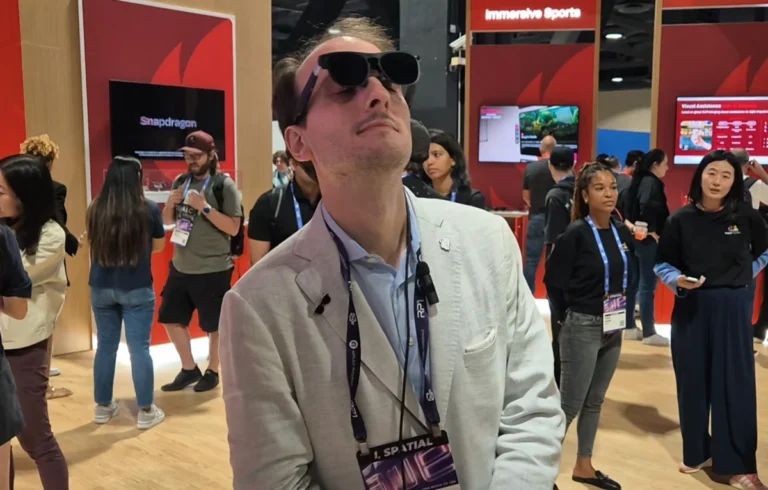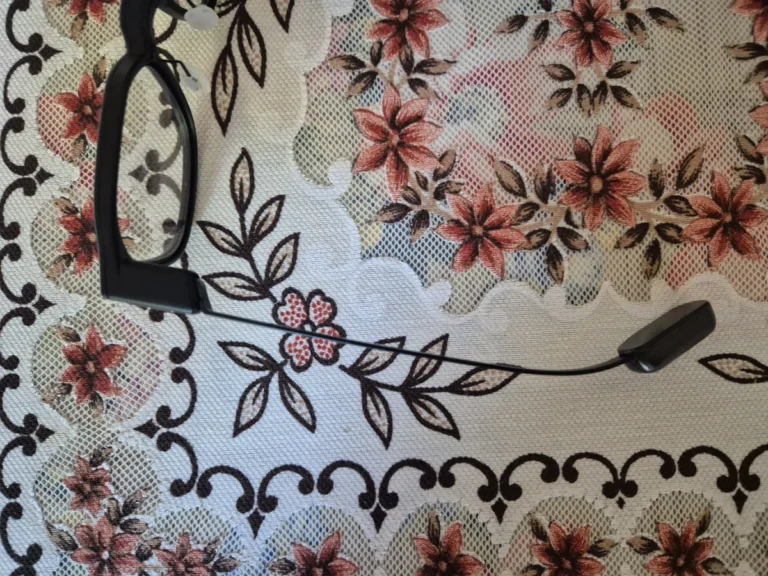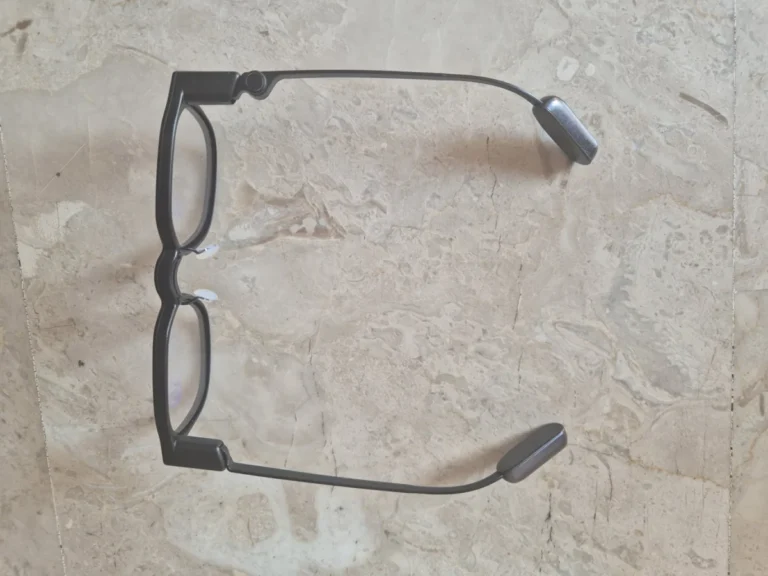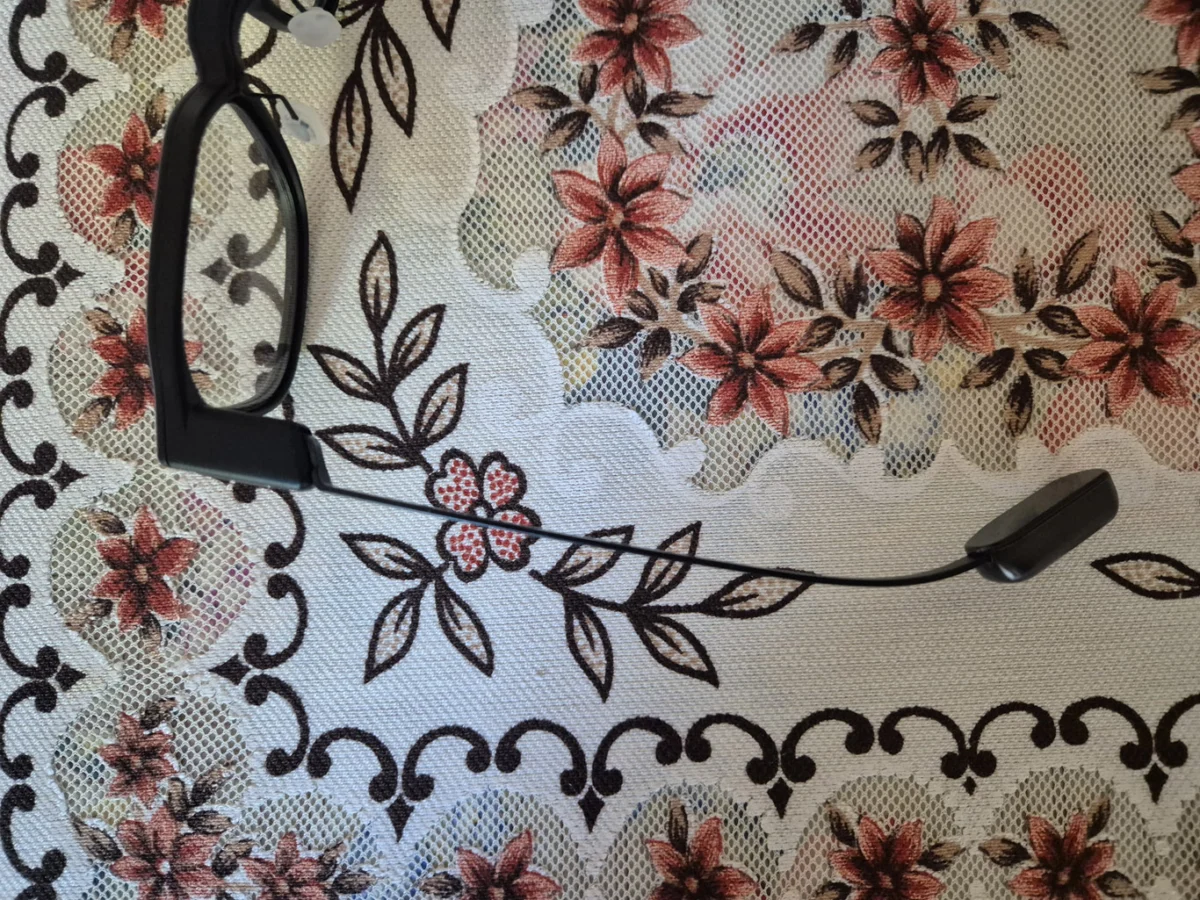
RayNeo, a specialized subsidiary of the global electronics conglomerate TCL, has officially expanded its wearable portfolio with the launch of the RayNeo iO Smart Glasses. Positioned as a privacy-centric alternative to camera-equipped wearables, the iO model emphasizes a lightweight, minimalist design intended for all-day use. By removing both cameras and integrated speakers, RayNeo aims to address the social friction often associated with smart eyewear while leveraging artificial intelligence to enhance user productivity and information accessibility.

The RayNeo iO Smart Glasses enter a competitive market currently bifurcated between high-end augmented reality (AR) headsets and audio-centric frames like the Ray-Ban Meta series. RayNeo’s latest offering carves out a niche by focusing on a "heads-up display" (HUD) experience that prioritizes text-based notifications and AI assistance without the intrusive nature of video recording hardware.

Technical Specifications and Hardware Architecture
The engineering of the RayNeo iO is centered on extreme portability. Weighing only 33 grams, the device is significantly lighter than most contemporary smart glasses, which often exceed 50 grams due to complex battery and sensor arrays. The frames house a dual monochrome waveguide display, a technology choice that reflects TCL’s deep expertise in display manufacturing.

This monochrome system provides a field of view (FOV) of approximately 23 degrees. While modest compared to immersive VR headsets, it is optimized for high-contrast text legibility. With a peak brightness of 1,200 nits, the display is designed for outdoor visibility, allowing users to read notifications or prompts even under direct sunlight. The lenses maintain high transparency, ensuring that the digital overlay does not significantly dim the user’s natural vision.

A notable hardware departure in the iO model is the omission of onboard speakers. While this reduces weight and production costs, it necessitates a reliance on the integrated microphone array for input, with feedback provided exclusively through the visual display. For interaction, the device features a multi-modal interface: a mechanical rotating crown for menu navigation, a touch-sensitive temple for gesture controls, and voice-command capabilities.

Chronology of Development and Market Positioning
RayNeo has maintained an aggressive release cycle since its inception. The company previously gained attention with the RayNeo X2 and the subsequent X3 Pro, the latter of which was noted for its high-fidelity full-color displays. However, the X-series’ larger form factor and integrated cameras posed challenges for mainstream social acceptance.

The development of the iO model represents a strategic pivot toward "invisible technology." This timeline reflects a broader industry trend where manufacturers are increasingly separating "media-consumption" glasses from "information-assistance" glasses. By launching the iO in September 2026, RayNeo is positioning itself against emerging competitors like Even Realities, which also utilize monochrome HUDs to minimize eye strain and maximize battery efficiency.

Software Ecosystem and AI Integration
The functionality of the RayNeo iO is driven by the RayNeo AI companion app, which must be installed on a paired smartphone. The software suite includes several key productivity tools:

- AI Assistant (Smart Cues): Utilizing large language models (LLMs), the glasses can listen to ambient conversations or direct queries and provide real-time textual summaries or answers.
- Live Translation: The device supports multi-language translation, including English, Chinese, and Italian, displaying transcribed text directly in the user’s line of sight.
- Teleprompter: A tool designed for public speakers and content creators, allowing scripts to be read from the HUD while maintaining eye contact with an audience.
- Life Log: This feature uses the microphone array to record and summarize daily interactions, creating a searchable archive of the user’s day.
- Dashboard and Widgets: A customizable home screen provides at-a-glance information such as weather, stock market updates, and time.
Testing of these features indicates that while the AI integration is robust, performance is heavily dependent on the stability of the paired smartphone’s data connection. The "Life Log" feature, in particular, raises interesting technical questions regarding how the system categorizes activities using audio data alone in the absence of visual sensors.

Privacy Analysis and Social Implications
The primary selling point of the RayNeo iO is the absence of a camera, a design choice intended to eliminate "recording anxiety" in social settings. This allows the device to be worn in environments where cameras are typically restricted, such as private offices or healthcare facilities.

However, the inclusion of high-sensitivity microphones and the "Life Log" audio-recording feature suggests that privacy remains a nuanced issue. RayNeo has sought to address this by incorporating a privacy LED on the right temple that illuminates when the microphones are active. Industry analysts have noted, however, that the placement of this LED—near the user’s ear—may be difficult for bystanders to notice, potentially limiting its effectiveness as a transparency tool. Despite these concerns, RayNeo maintains that the device is fully compliant with global data protection standards, including GDPR, ensuring that audio processing is handled with high levels of encryption.

Power Management and Charging Infrastructure
Battery life is a critical metric for "all-day" wearables. RayNeo claims the iO can last up to two days under "normal" usage patterns, which involves intermittent notification checking and AI queries. For continuous high-load tasks, such as real-time translation, the battery life is rated at approximately six hours.

To achieve this longevity, the device employs aggressive power-saving protocols. The display automatically enters standby mode after 15 seconds of inactivity. A built-in accelerometer allows the screen to wake instantly when the user tilts their head upward, a gesture-based activation that preserves battery while maintaining accessibility.

The charging mechanism utilizes a proprietary magnetic adapter that connects to two pins under the lens bridge. This adapter converts the connection to a standard USB-C port. While this allows for a thinner frame design by removing the bulky USB-C port from the glasses themselves, it requires users to carry a specialized accessory for recharging.

Market Impact and Future Outlook
The RayNeo iO Smart Glasses are currently available at a retail price of $499 for the standard edition and $549 for a bundle including a specialized charging case. At launch, the company offered a $50 introductory discount to stimulate early adoption.

The success of the iO will likely depend on user acceptance of the "display-only" feedback loop. The lack of audio output means the glasses cannot be used for phone calls or music, narrowing their utility to purely informational and productivity-based tasks. For professionals who require a discreet teleprompter or instant translation without the social stigma of a camera, the iO represents a significant step forward in wearable ergonomics.

As the industry moves toward 2027, the RayNeo iO serves as a case study in the trade-offs between functionality and form factor. By prioritizing a weight of 33g and a camera-free chassis, RayNeo is betting that the future of smart eyewear lies not in replacing the smartphone, but in providing a lightweight, unobtrusive companion that enhances the human experience through subtle, AI-driven information overlays. The broader impact of this release may encourage other manufacturers to explore "sensor-lite" designs that favor social harmony over total feature density.
About the Author