Background: Itch.io’s Culture and April Fool’s Traditions
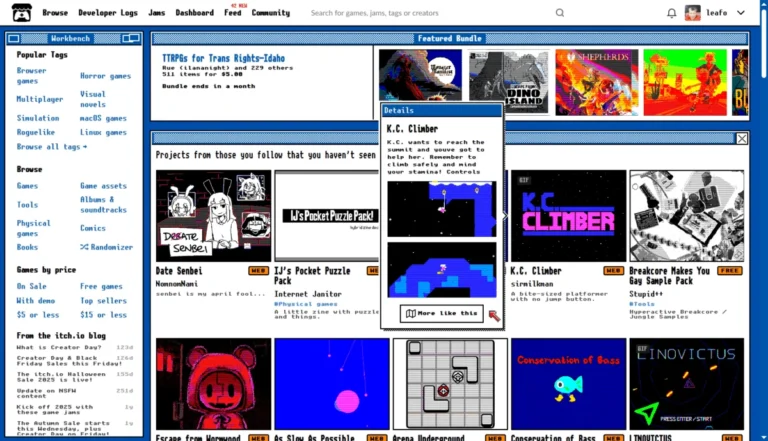
Itch.io has carved out a distinctive niche in the digital distribution landscape, serving as a vital hub for independent game developers and creators. Founded in 2013 by Leaf Corcoran, the platform is renowned for its open approach, developer-friendly revenue sharing model, and a vibrant community that champions experimental and niche titles. Unlike larger, more corporate storefronts, itch.io often embraces a more playful and community-centric ethos, frequently engaging with its users through various initiatives, game jams, and occasional lighthearted stunts.
The tradition of April Fool’s Day pranks is deeply ingrained in internet culture, particularly within the tech and gaming industries. Giants like Google, Blizzard, and Valve have historically engaged in elaborate hoaxes, satirical product announcements, or temporary interface changes to entertain and sometimes playfully mislead their audiences. These events often serve as a way for companies to showcase their personality, engage with their community on a lighter note, and generate buzz. For a platform like itch.io, known for its creative freedom and quirky community, participating in this tradition with an artistic, retro-inspired alteration of its core interface was a fitting expression of its brand identity. The "Ameyega" moniker itself is a clear nod to classic computing platforms like the Commodore Amiga and perhaps the Sega Mega Drive (Genesis), hinting at the nostalgic journey the developers intended to evoke.
Chronology of the Ameyega Mode Event
The rollout and subsequent conclusion of Ameyega mode followed a brief but eventful timeline:
- Late March 2024: Development of Ameyega mode likely commenced, with developers at itch.io crafting the ASCII art rendering engine and integrating it with the site’s existing structure. The decision to base the aesthetic on the
viznut.fi/unscii/fonts suggests a deliberate choice to lean into a specific, recognizable retro style. - April 1st, 2024 (Initial Launch): Ameyega mode officially went live on the itch.io homepage. The blog post accompanying its launch explicitly stated, "Happy April 1st. We’ll run this one a bit longer because I got it out late." This indicated a slight delay in its planned release, potentially pushing its availability into the later hours of April Fool’s Day or even slightly beyond in some time zones. The immediate transformation of the homepage into a stark, character-based display surprised many users logging in on the day.
- Early April 2024 (Extended Availability): True to their word, itch.io kept Ameyega mode active on the main homepage for a period beyond April 1st. This extension allowed more users to experience the unique interface, especially those who might have missed the initial window or were logging in from different global time zones. This also provided an extended period for the community to react and discuss the temporary change.
- Mid-April 2024 (Official Conclusion): The official announcement regarding the conclusion of Ameyega mode was posted, stating, "Ameyega mode is now over, thanks everyone." This marked the return of the standard itch.io homepage for general browsing.
- Ongoing Access (Limited): Despite its conclusion, itch.io provided a persistent link (
https://itch.io/?ameyega) allowing logged-in users to revisit the Ameyega mode homepage. This gesture acknowledged the interest generated by the prank and offered a way for users to experience it or show it to others, with the caveat that it would remain available only "until the next time we make substantial changes to the homepage."
The Aesthetic and Technical Underpinnings of Ameyega Mode
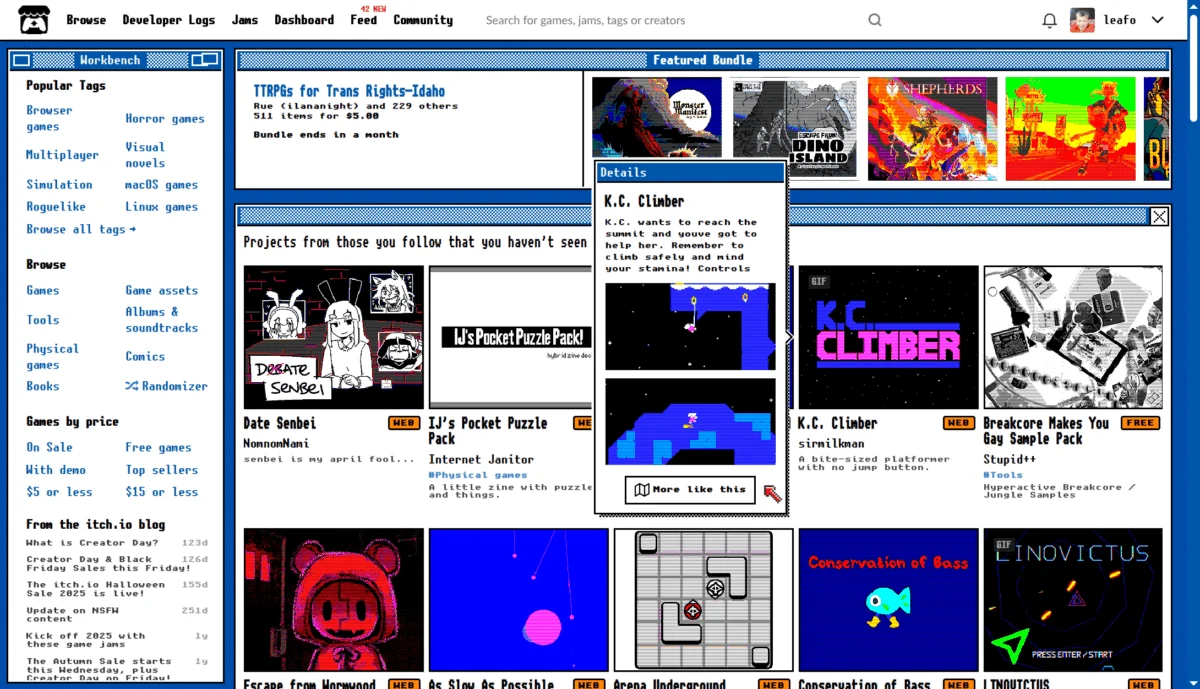
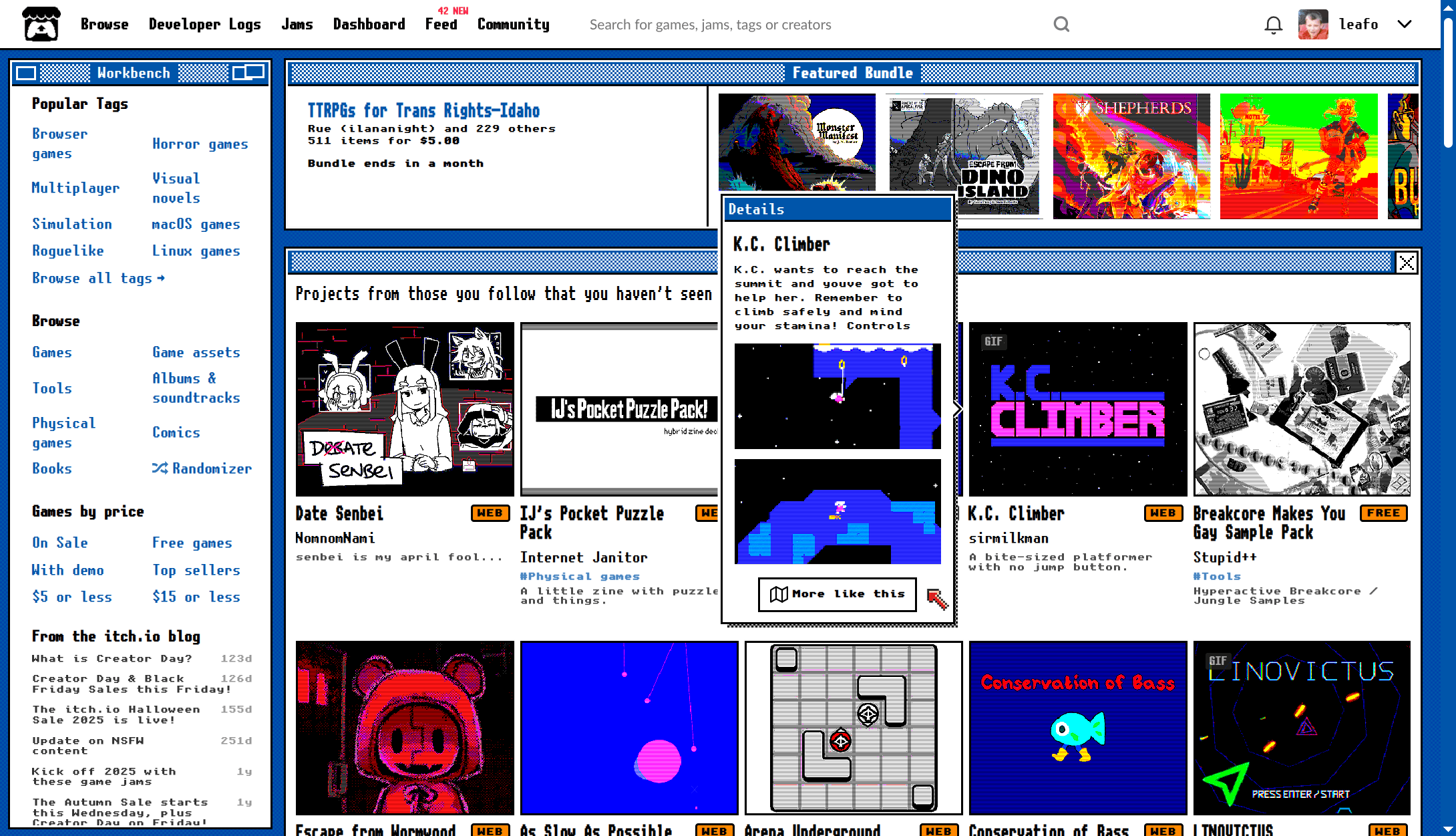
Ameyega mode was a comprehensive visual overhaul of the itch.io homepage, replacing all graphical elements, images, and standard typography with a monochrome, character-based rendering. This transformation was achieved by converting the site’s modern web design into an ASCII art representation, a technique that dates back to the earliest days of computing when graphical interfaces were rudimentary or non-existent. The chosen aesthetic leaned heavily into the visual language of terminals, bulletin board systems (BBS), and text-based adventure games, evoking a powerful sense of nostalgia for users familiar with these bygone eras of technology.
The implementation utilized fonts credited to viznut.fi/unscii/, a resource known for providing pixel-perfect console fonts that accurately replicate the look of vintage computer displays. This choice ensured authenticity in the retro presentation. Every element, from game thumbnails and developer avatars to navigation menus and promotional banners, was rendered using a limited palette of characters, symbols, and shades, creating a distinctly "lo-fi" yet surprisingly detailed appearance. For instance, complex images would be approximated by patterns of @, #, &, and . characters, while text would appear in a blocky, monospaced font. The navigation, while visually altered, largely retained its functionality, forcing users to adapt to a different visual language to interact with the platform. This daring aesthetic choice deliberately challenged modern web design conventions, prioritizing a thematic experience over conventional user interface best practices.
Community Reactions: A Spectrum of Experience
The introduction and subsequent conclusion of Ameyega mode ignited a lively discussion within the itch.io community, with comments on the official announcement page revealing a deeply divided user base. The reactions can broadly be categorized into enthusiastic appreciation, significant accessibility concerns, and reports of technical glitches.
Enthusiastic Appreciation and Nostalgia
A considerable segment of the community lauded Ameyega mode for its creativity and nostalgic appeal. Users expressed genuine delight at the "delightful throwback" and described the browsing experience as "nostalgic and charming." Many praised the itch.io team for their ingenuity and humor, suggesting that the prank successfully captured the spirit of April Fool’s Day. Some users, like "windflash," explicitly stated, "The ASCII art homepage was a delightful throwback – it actually made browsing feel nostalgic and charming. Kudos to the team for the creativity, and props for keeping it available a little longer. Would love to see it return as an optional theme someday!"
Intriguingly, some users found the retro interface to be functionally superior for their personal needs. User "katt-kirsch" commented, "Please please please make an option to keep this, it’s SO much easier to read for me wow I love love love it," highlighting an unexpected benefit of the simplified visual style for certain individuals. This sentiment was echoed by "mauisland," who stated, "I would like for itch.io to change to it permanently. I was sad to find out it was a joke." Such comments underscore a desire for more customizable interface options and a potential market for retro-themed visual modes within modern platforms. The "Top tier jump scare" comment from "annamatapoeia" also points to the prank’s successful immediate impact.
Accessibility Concerns and Navigation Challenges
Conversely, a significant portion of the feedback highlighted severe usability and accessibility issues. For many, the ASCII art rendered the website difficult, if not impossible, to navigate effectively. User "ulysseandcharybde" exclaimed, "Oh so cool, i’m disabled and I CAN’T WATCH THIS! How do you get this crap off?!", powerfully articulating the frustration and exclusion experienced by users with visual impairments or specific cognitive processing challenges. The high-contrast, blocky nature of the ASCII art, while nostalgic for some, proved to be an overwhelming visual experience for others, leading to discomfort and difficulty in discerning content.
Other users, like "boveedevin," reported, "omg please change it back this is so hard to navigate and there is no option in my feed to see new updates I follow. I hate thisssss," indicating a disruption to their regular workflow and a feeling of being locked out of essential features. The sentiment of the prank "going too far" was expressed by "reizi-tigerfish," urging for a swift return to the standard interface. This backlash underscores the critical importance of universal design principles and the potential pitfalls of aesthetic-driven changes that might inadvertently exclude portions of a user base. Even seemingly minor visual alterations can have profound impacts on user experience, especially for platforms with a broad and diverse international audience.
Technical Glitches and Interface Inconsistencies
Beyond aesthetic and accessibility concerns, Ameyega mode also introduced temporary technical glitches, most notably affecting the site’s "Dark Mode" functionality. Several users reported that after Ameyega mode was activated, their preferred Dark Mode setting ceased to function on the homepage, reverting to a default light theme even after the prank was supposedly over. User "raidenslayer" stated, "Yeah, and never do it again, please. Because you messed up, Dark mode and I can’t get it to work. And it looks like I’m not the only one who’s having that problem." "Emanoelmelo" similarly commented, "it’s over but dark mode is not working now…"
This issue, while seemingly minor, highlights the complexities of integrating temporary visual overlays with existing, robust UI settings. It also demonstrates itch.io’s responsiveness, as "clypsiphaya" later updated their comment: "EDIT: four hours after posting this, the front page is showing Dark mode correctly. Apparently they’re paying attention!" This quick resolution indicates active monitoring of user feedback and a commitment to restoring full site functionality promptly.
One user, "dabbit-the-rabbit," used the comment section to voice a completely unrelated but significant concern: "when are you guys going to fix the problem where a huge portion of the community cannot post anything on anyones game pages? ive been asked multiple time to play and review games and leave links but you have locked people out of forming community and engagement around the games people release here? that was kind of the WHOLE point of this site." While not directly related to Ameyega mode, this comment indicates broader community frustrations that can surface during high-engagement events, reminding platforms that while temporary fun is appreciated, fundamental site functionality remains paramount.
Broader Implications and Lessons Learned
The Ameyega mode event, despite its brief tenure, offers several insights into user experience design, community engagement, and brand perception for online platforms.
Firstly, it reinforced itch.io’s image as a playful, community-oriented platform willing to experiment and engage with its users on a personal level. Such events contribute to a distinct brand identity that differentiates it from more corporate competitors. The willingness to extend the prank and provide a persistent access link further cemented this image of responsiveness and user consideration.
Secondly, the diverse user reactions underscored the critical importance of accessibility in web design. While a retro aesthetic can evoke nostalgia for some, it can create significant barriers for others. Any future experimental interfaces or optional themes would greatly benefit from robust accessibility testing and perhaps offering opt-out mechanisms for users who find them challenging. The immediate and vocal feedback regarding navigation difficulties and visual discomfort serves as a powerful reminder that "fun" should never come at the expense of inclusivity.
Thirdly, the temporary technical glitches, particularly with Dark Mode, highlighted the challenges of integrating non-standard visual elements into a complex web application. Even well-intentioned pranks can expose underlying compatibility issues. The rapid resolution of these issues by the itch.io team, however, also demonstrated effective technical support and a commitment to maintaining a stable user environment.
Finally, the event generated significant discussion and engagement, which is often a key objective for such initiatives. While not all feedback was positive, the sheer volume of comments and the passionate nature of the discourse indicate a highly active and invested user base. This engagement, both positive and negative, provides valuable data for platform developers to understand user preferences, identify pain points, and potentially inspire future features, such as optional themes or accessibility enhancements. The idea of "optional themes," frequently mentioned in the comments, could be a direct inspiration for future development, allowing users to choose their preferred interface style without imposing it universally.
As itch.io continues to evolve as a vital platform for independent creators, events like Ameyega mode serve as both a testament to its unique culture and a learning opportunity for refining its approach to user experience and community interaction. The ASCII art homepage may be gone for now, but its impact on the community conversation is likely to resonate for some time.
About the Author