The digital marketplace itch.io has unveiled a comprehensive suite of platform enhancements, addressing key areas of user experience, creator monetization, and community engagement. These updates, detailed in a recent changelog, include the introduction of a sophisticated Sale Explorer, a complete overhaul of its bundle hosting system, a modernized jam theme editor, and an enhanced Patreon integration. The improvements underscore itch.io’s continued commitment to fostering an accessible and robust ecosystem for independent game developers and digital creators.
Elevating Discoverability with the Sale Explorer
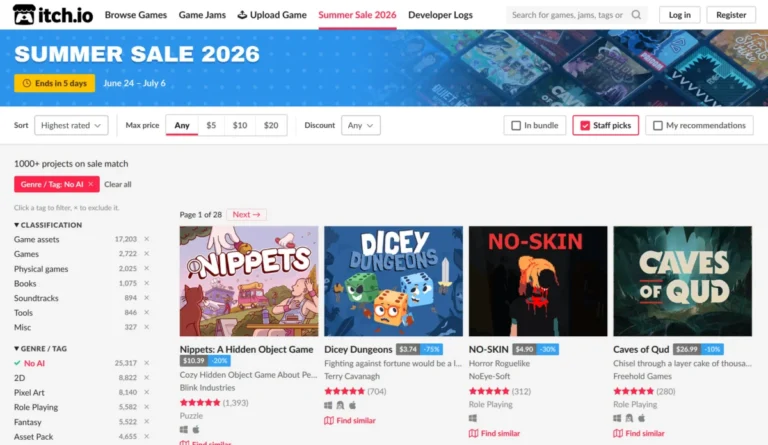
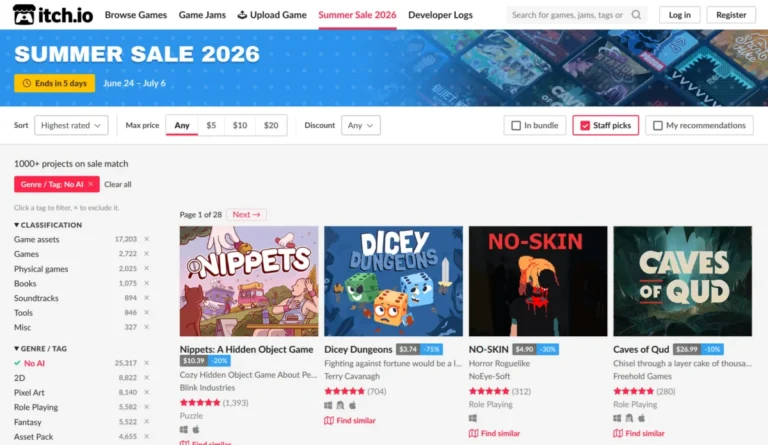
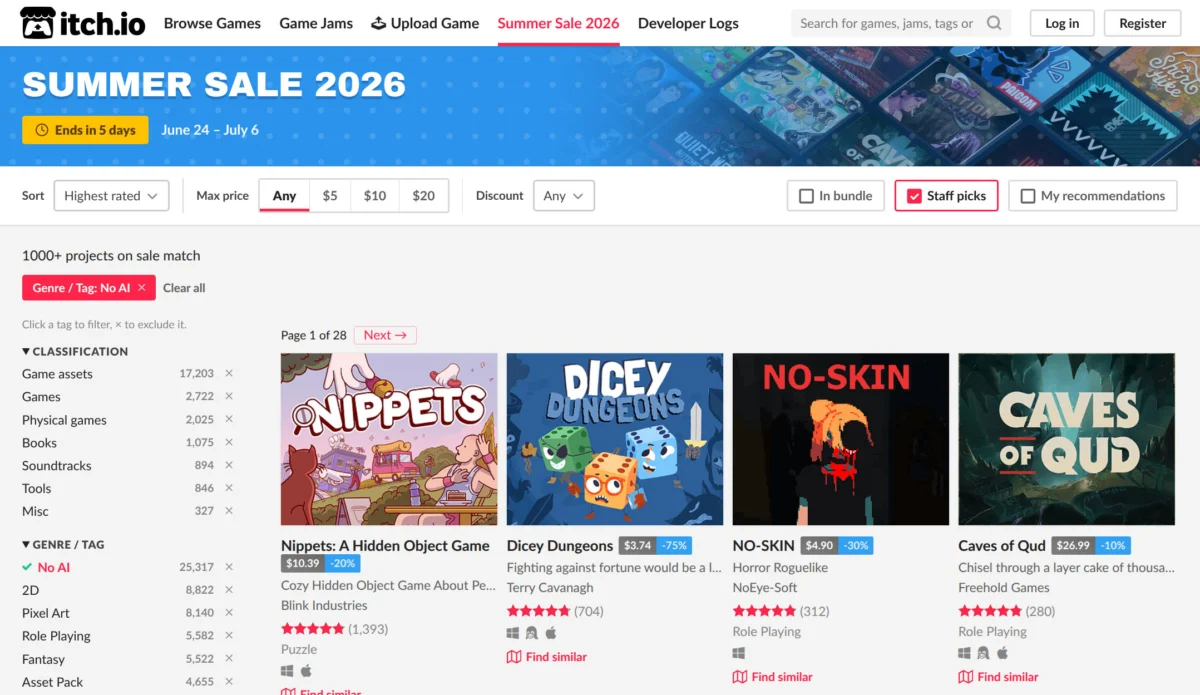
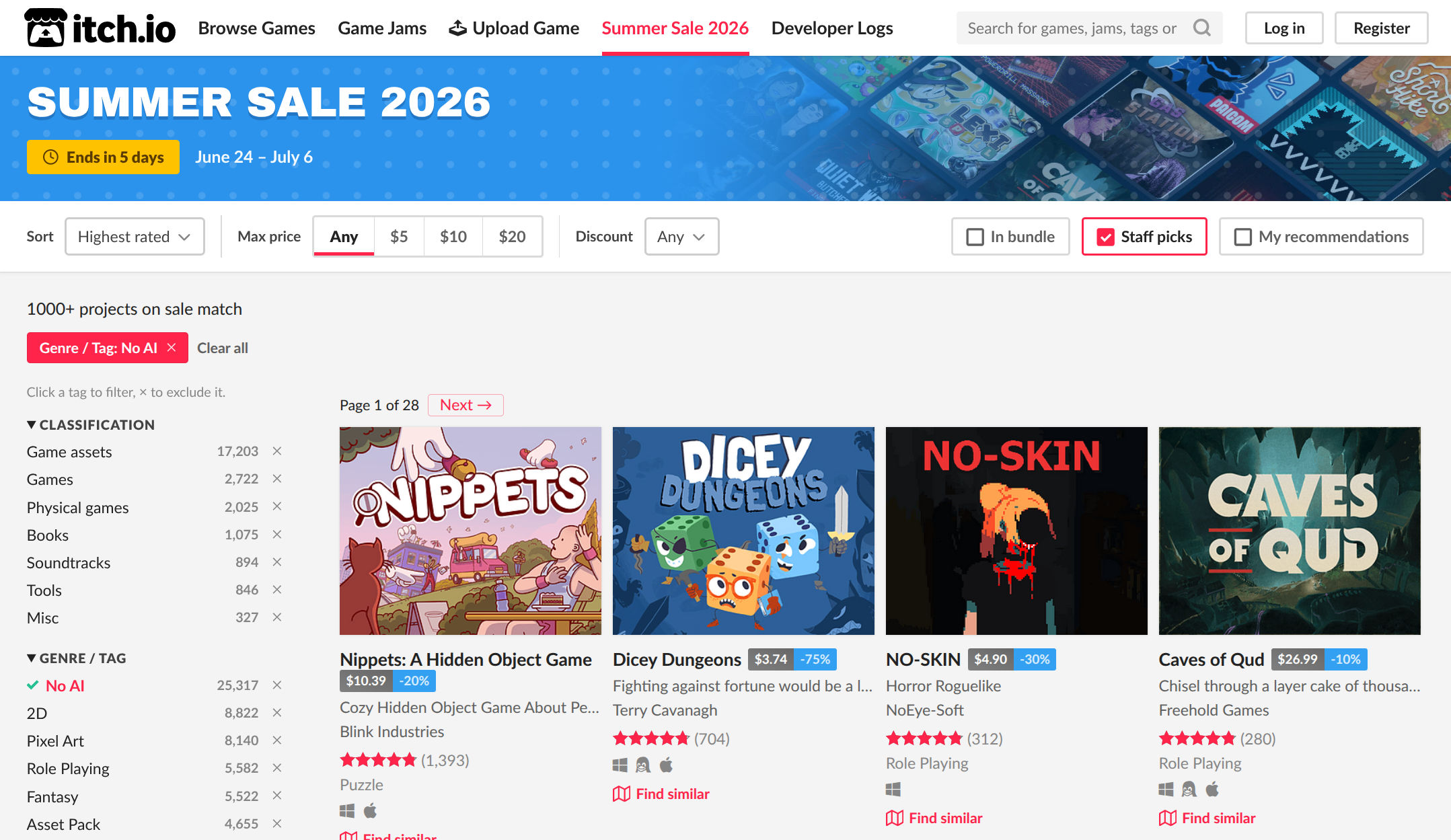
Central to the recent updates is the launch of the Sale Explorer, a new browsing interface designed to significantly improve discoverability during large-scale promotional events. Coinciding with the ongoing Summer Sale, which features an extensive catalog of over 30,000 discounted projects, the Sale Explorer offers users a powerful toolkit for navigating vast collections of digital content. Historically, large sales on digital storefronts, while beneficial for consumers and creators, often presented a challenge in terms of effective browsing and content discovery. Users could easily become overwhelmed by the sheer volume of offerings, leading to missed opportunities for both buyers and sellers.
The Sale Explorer directly addresses this challenge by integrating advanced filtering and sorting mechanisms. While specific details of these mechanisms were not exhaustively outlined in the initial announcement, the implication is a robust system that allows users to narrow down selections based on criteria such as genre, tags, price ranges, user ratings, and potentially other metadata. The system aims to move beyond simple categorical browsing, enabling a more granular and personalized discovery process. For instance, a user seeking a niche indie RPG within a massive sale would now possess the tools to quickly filter out unrelated genres and focus on relevant titles, a feature that has been highly requested across various digital marketplaces.
The integration of the Sale Explorer during site-wide seasonal sales marks a strategic move by itch.io to enhance the value proposition of its promotional events. By making it easier for users to find specific types of content, the platform not only improves the consumer experience but also potentially drives higher engagement and sales for participating developers, especially those with smaller, independent titles that might otherwise get lost in the noise. The platform has indicated that many of these enhancements are slated for future integration into its standard browse pages, suggesting a long-term vision for improved discoverability across the entire site, moving beyond just sale periods. This progressive rollout indicates an iterative development approach, leveraging real-world usage data from sale events to refine and optimize browsing functionalities for everyday use.
Revolutionizing Collaborative Bundles with a Revamped Hosting System
Another significant update involves a complete overhaul of itch.io’s bundle hosting system, a core feature that has been in operation for over a decade. Bundles, particularly those organized for charitable causes or thematic collections, have become a hallmark of the independent game development community, allowing multiple creators to pool their projects for a common goal. However, the previous system, while functional, presented considerable logistical challenges, particularly for organizers managing large collaborative efforts. The process of coordinating contributions, setting up revenue splits, and managing participant permissions could be cumbersome and time-consuming.
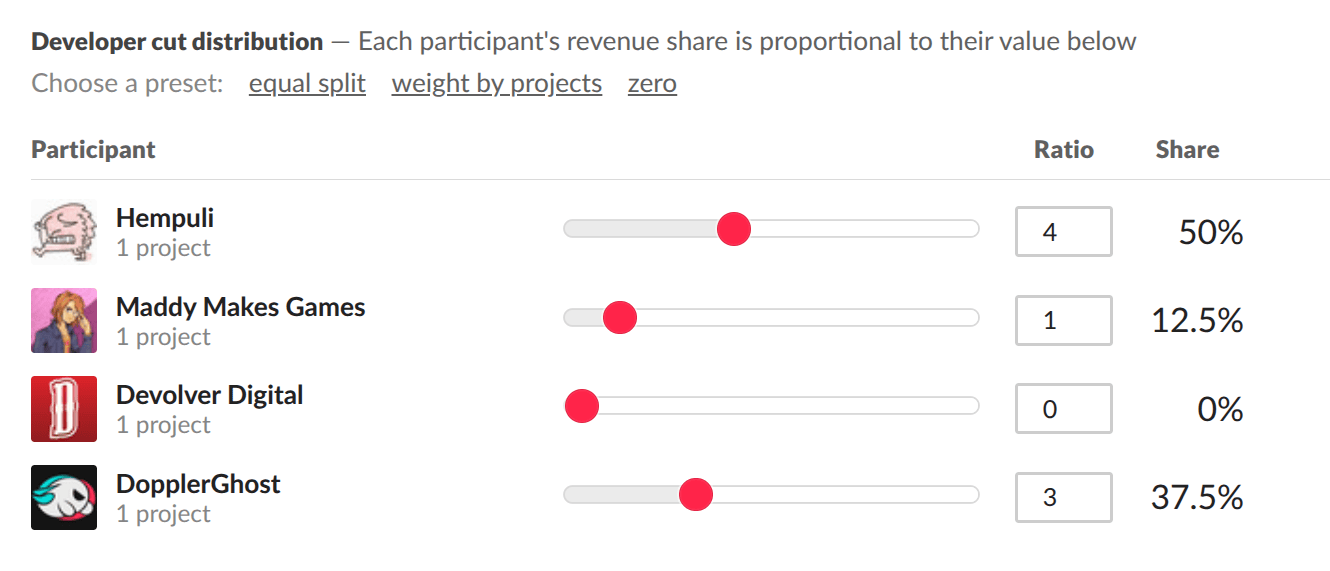
The revamped bundle hosting system introduces a suite of improvements designed to streamline these complex processes. While the specific new functionalities were not fully enumerated, the emphasis on easing the organization of "large collaborative bundles" points to features such as enhanced administrative tools, more flexible revenue distribution options, and improved communication channels between organizers and participants. For instance, new features could include:
- Granular Permission Controls: Allowing organizers to delegate specific tasks without granting full administrative access.
- Automated Revenue Splits: Simplifying the often-complex process of distributing proceeds among numerous contributors and designated charities, potentially offering tiered or percentage-based allocation directly within the platform.
- Streamlined Asset Management: Making it easier for developers to submit and update their projects within a bundle framework.
- Improved Communication Dashboards: Centralized areas for organizers to send announcements, track participation statuses, and resolve issues.
These enhancements are particularly impactful for charitable bundles, which often involve hundreds, if not thousands, of contributing developers and significant sums of money raised for various causes. By reducing the administrative burden, itch.io is empowering community organizers to focus more on promotion and impact, rather than getting bogged down in technicalities. The ability for existing pending bundles to leverage these new features after resetting participation indicates a commitment to forward compatibility and immediate benefits for ongoing initiatives. This modernization positions itch.io to better support large-scale community initiatives, reinforcing its reputation as a platform that prioritizes developer and community needs.
Modernizing Game Jam Experiences with an Enhanced Theme Editor
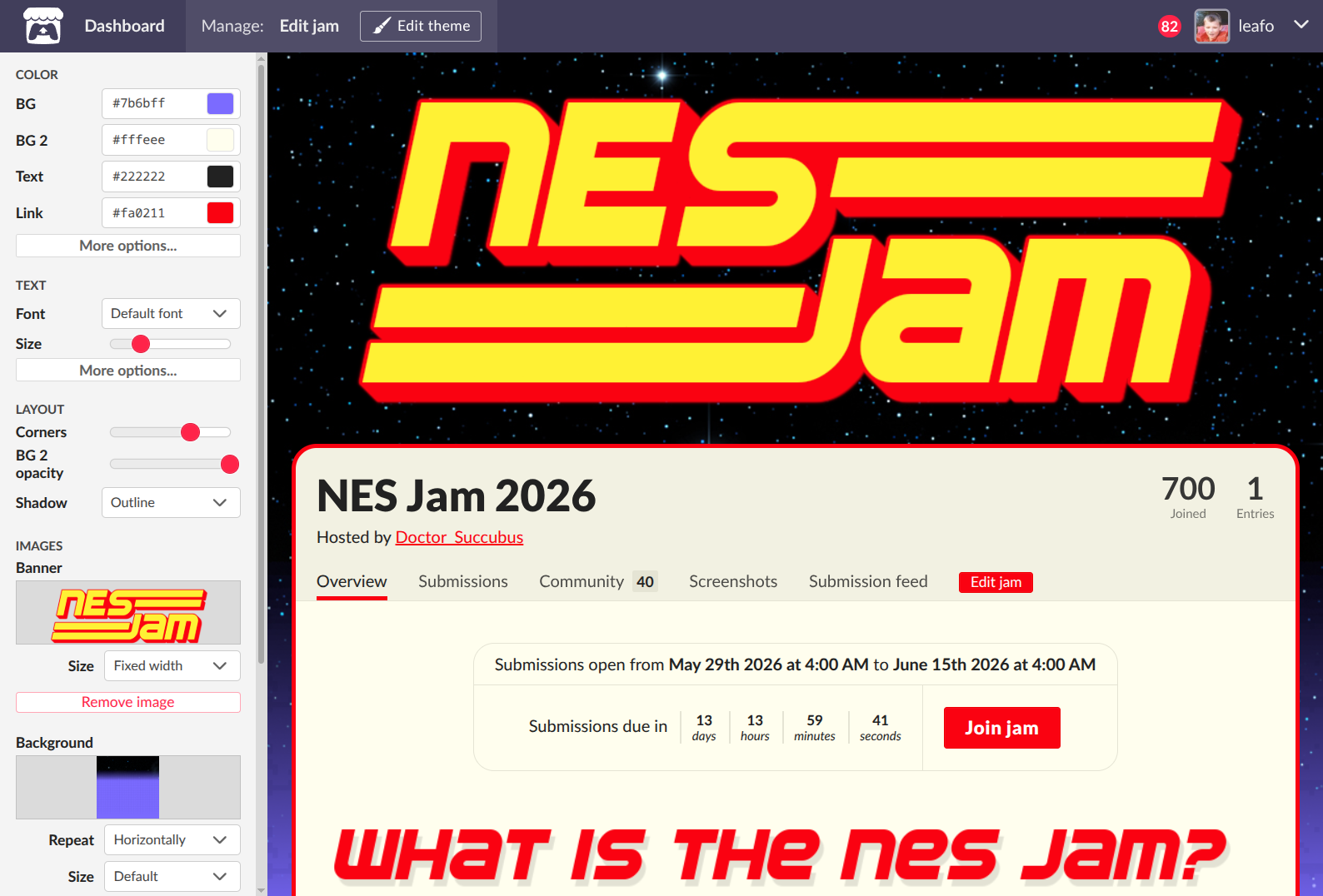
Game jams are pivotal events within the indie game development scene, fostering creativity, skill development, and community building through time-constrained project creation. itch.io has long been a primary host for these events, providing robust tools for organizers to manage submissions, judging, and participant engagement. The latest update introduces a modernized jam theme editor, migrating it to the same streamlined user interface (UI) employed across other parts of the site. This standardization aims to provide a more intuitive and powerful customization experience for jam hosts.
The previous jam theme editor, while functional, likely predated some of the more contemporary design philosophies now prevalent on the platform. The upgrade means that jam hosts now benefit from a range of new customization options, enhancing the visual appeal and branding of their event pages. These options could include:
- Advanced Layout Controls: Greater flexibility in arranging content blocks, images, and text to create more dynamic and engaging pages.
- Expanded Color Palettes and Font Choices: Moving beyond a limited set to offer a broader spectrum of design elements, allowing hosts to align event aesthetics more closely with their themes or brands.
- Integrated Media Management: Easier embedding of images, videos, and other multimedia directly into the jam page, improving presentation quality.
- Responsive Design Tools: Ensuring that jam pages look excellent and function smoothly across various devices, from desktops to mobile phones.
Crucially, itch.io has taken care to preserve existing custom CSS on jam pages, ensuring that hosts who have invested time in bespoke designs will not see their work disrupted. For those who utilize custom CSS, the announcement post provides detailed information regarding markup changes, allowing them to adapt their styles to the new system seamlessly. This attention to backward compatibility is vital for a platform that serves a highly technical and creative user base. The revamped editor empowers jam organizers to create more professional, engaging, and unique event pages, which can attract more participants and better showcase the creativity inherent in game jams, ultimately enriching the entire community experience.
Streamlined Creator Monetization with Enhanced Patreon Integration
Monetization and creator support are fundamental pillars of the independent digital content ecosystem. itch.io has long supported various methods for creators to earn revenue, including direct sales, "pay-what-you-want" models, and integrations with third-party platforms. The latest update significantly enhances its Patreon integration, rebuilding it on Patreon’s V2 API. This technical upgrade resolves longstanding issues and introduces more flexible and reliable ways for creators to grant access to their projects based on Patreon membership.
The previous integration, operating on an older API, faced limitations, particularly concerning how access was granted. One notable issue was its reliance on pledge amounts, which created complications for patrons paying in different currencies due to fluctuating exchange rates. This often led to discrepancies where a patron might technically meet a pledge requirement in their local currency but fall short when converted to the creator’s default currency, resulting in access being incorrectly denied. The V2 API integration directly addresses this by allowing access to be granted based on membership tiers instead of rigid pledge amounts. This shift provides a much more robust and equitable system for both creators and patrons.
Creators now have three primary methods to grant access to their projects:
- Grant access to specific tiers: This is the most flexible option, allowing creators to map specific Patreon tiers (e.g., "Bronze Supporter," "Silver Patron") directly to project access. This means if a patron is subscribed to the "Silver Patron" tier, they automatically gain access to associated itch.io projects, regardless of their payment currency, as long as they maintain that tier membership.
- Grant access based on pledge amount (legacy option): While tier-based access is preferred, the option to grant access based on pledge amounts might still be available for creators who prefer it or for historical continuity, though the V2 API likely handles currency conversion more gracefully.
- Combination of both: Creators may have the flexibility to combine these methods, offering complex access rules based on their Patreon structure.
Beyond resolving currency-related issues, the new system handles several other scenarios that the old integration could not. These improvements likely include better synchronization of patron statuses (e.g., automatically revoking access if a patron cancels their pledge, though the article states "once a patron claims access… they keep it indefinitely," implying a one-time grant model rather than ongoing subscription-dependent access), more robust error handling, and a generally more stable connection between the two platforms. The clarification that "membership is checked at grant time" reinforces that this is a system designed for a one-time unlock, where a patron gains permanent access to a project once their tier/pledge requirement is met, rather than a continuous subscription model where access is lost if the pledge ceases. This model aligns with itch.io’s typical ownership structure for purchased content.
This enhanced integration is critical for creators who rely on platforms like Patreon for sustainable income, allowing them to seamlessly offer exclusive content or early access to their supporters on itch.io. It streamlines their workflow and provides a more reliable experience for their patrons, strengthening the bond between creators and their communities. This move further solidifies itch.io’s position as a creator-friendly platform that understands and supports the diverse monetization strategies employed by independent developers.
Broader Implications and the Future of itch.io
These extensive updates are not isolated improvements but rather strategic enhancements that collectively reinforce itch.io’s unique position within the digital distribution landscape. Unlike more corporate-driven platforms, itch.io has consistently championed a developer-first philosophy, offering highly flexible revenue sharing models (including the option for developers to take 100% of earnings) and fostering a strong sense of community. The recent changelog underscores this commitment by addressing long-standing pain points and introducing features that directly empower creators and improve user engagement.
The Sale Explorer is a direct response to the increasing volume of content on the platform, ensuring that growth does not come at the expense of discoverability. As the indie game scene continues to flourish, with more developers choosing platforms like itch.io for their accessibility and flexibility, effective browsing tools become paramount. The refinement of the bundle hosting system is a testament to the power of community and collaboration, facilitating larger, more impactful initiatives like charity bundles that often raise significant funds for social causes. This reflects itch.io’s role not just as a marketplace, but as a platform for social good and collective action.
The modernized jam theme editor speaks to the vitality of game jams as a cultural phenomenon within independent development. By providing better tools for organizers, itch.io is investing in the grassroots creativity that feeds the wider industry. Finally, the enhanced Patreon integration highlights the evolving landscape of creator monetization, where direct patron support is becoming an increasingly important revenue stream. By making this integration more robust and user-friendly, itch.io is acknowledging and supporting the diverse ways creators choose to fund their work, whether through traditional sales or community patronage.
The comments section of the original announcement reflects immediate positive feedback from the community. Users praised the Sale Explorer for its ability to make browsing "actually manageable" and expressed enthusiasm for the Patreon updates. One developer specifically highlighted the potential for a "revenue split feature to be usable per project," indicating a continuous desire for more granular financial tools for collaborative projects, a point acknowledged by a platform representative. This ongoing dialogue between the platform and its users is a hallmark of itch.io’s development process, where community feedback often directly informs future updates.
In an increasingly competitive digital marketplace, itch.io distinguishes itself by prioritizing the needs of independent creators and fostering a vibrant, supportive community. These recent updates are not merely technical fixes; they represent a significant investment in the platform’s infrastructure, designed to enhance discoverability, streamline collaboration, empower community events, and solidify creator monetization. As the independent game development sector continues to expand, itch.io’s strategic evolution ensures it remains a vital and attractive hub for digital creativity, offering tools that adapt to the dynamic demands of its unique user base. The platform continues to invite feedback on its community forums and through its support channels, signaling an ongoing, iterative approach to development that keeps its users at the heart of its progress.
About the Author