The global mobile gaming landscape is currently undergoing a period of intense experimentation as the industry’s largest developers and publishers utilize soft launches to refine monetization, retention, and gameplay mechanics before full-scale international releases. This comprehensive report examines the current state of titles in active testing, ranging from high-budget hero shooters to AI-powered user-generated content platforms. As market saturation increases and user acquisition costs remain high, the strategic importance of these limited geographical rollouts has never been more critical for established giants such as Blizzard, Electronic Arts, and Supercell.

The Evolution of Established Franchises and IP Expansion
A significant portion of current testing activity involves the adaptation of major PC and console intellectual properties (IP) for the mobile audience. Blizzard’s Overwatch Rush represents a pivotal move for the studio as it seeks to translate its high-octane hero shooter formula into a more accessible, mobile-first experience. Currently in soft launch across the Philippines, Malaysia, and Indonesia, the title is being scrutinized for its ability to maintain the competitive integrity of the Overwatch brand while optimizing controls for touchscreens. Industry analysts suggest that the choice of Southeast Asian markets for testing is a calculated move to gauge performance in high-growth regions with mobile-heavy demographics.

Simultaneously, Electronic Arts and its subsidiary PopCap are iterating on the long-standing Plants vs. Zombies franchise. The latest iteration, Plants vs. Zombies 3: Evolved, has shifted toward a merge-based mechanic, a departure from the traditional tower defense roots of the series. With the recent Title Update 1.0.5, developers have focused on reworking the player onboarding experience and rebalancing reward structures. This shift toward "merge" mechanics reflects a broader industry trend where publishers are seeking to capitalize on the high retention rates associated with casual puzzle genres.

Sony’s PlayStation Mobile division is also making strides with Ratchet & Clank: Ranger Rumble. Developed in collaboration with Oh BiBi, this multiplayer platformer arena shooter is currently accessible in France and several Nordic countries. This rollout is part of Sony’s broader corporate strategy to expand its flagship PlayStation IPs into the mobile sector, aiming to create a cross-platform ecosystem that increases brand touchpoints.

The Integration of Artificial Intelligence and User-Generated Content
Perhaps the most significant technological shift observed in the current testing cycle is the integration of generative Artificial Intelligence (AI) into gaming platforms. Meta’s Pocket app, which recently expanded its testing phase to the United States after an initial rollout in Brazil, serves as a primary example. Pocket is positioned as a TikTok-like feed for "gizmos"—small, interactive experiences and games created by users through text-based AI prompts and photo inputs. This "vibe-coding" approach lowers the barrier to entry for game creation, potentially disrupting the traditional developer-player relationship.

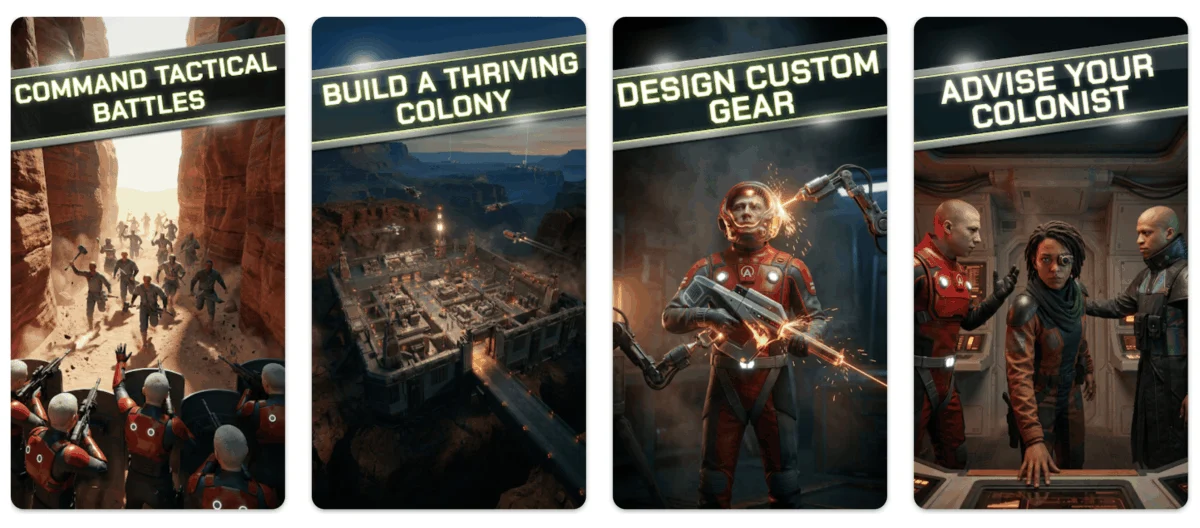
In the 4X survival genre, Parallel Studios’ Colony is gaining traction as a pioneer in AI-driven gameplay. The title features "agentic characters" that operate autonomously based on AI logic, alongside real-time 3D item generation. Google has publicly identified Colony as a benchmark for the developing AI-driven games category. The "silent launch" strategy employed by Parallel Studios allows for the collection of high-fidelity data on AI interactions before a coordinated global marketing push.

Diversification Strategies Among Genre Leaders
Leading casual and mid-core publishers are increasingly diversifying their portfolios to mitigate the risks associated with single-genre reliance. Playrix, traditionally known for its "Scapes" series, is currently testing five distinct titles. These include Aqua Match, which applies the studio’s match-3 expertise to an underwater setting, and Questbound, a squad battler that represents a significant pivot into the fantasy mid-core market. The testing of Austin’s Odyssey, which focuses on the franchise’s central character in a more narrative-driven format, suggests Playrix is exploring character-centric brand extension.

King, a division of Activision Blizzard, has been experimenting with Minecraft Blast in collaboration with Mojang. Although the title was recently removed from certain storefronts after a brief soft launch in Canada and Malaysia, official communications indicate the project remains in the "extremely early" stages. This partnership highlights the ongoing trend of combining massive sandbox IPs with proven puzzle mechanics to capture a wider audience segment.

In the racing sector, Fingersoft is iterating on its highly successful physics-based series with Hill Climb Racing 3. The introduction of real-time multiplayer is a response to player demand for more social and competitive features. By soft-launching in the UK and Finland, Fingersoft is able to stress-test server stability and matchmaking algorithms in technologically mature markets.

Competitive Landscapes: Open Worlds and Survival Mechanics
The open-world and survival categories are seeing increased competition from publishers like Garena and Tencent. Garena Free City, currently registering downloads in the Philippines and Argentina, appears to be a direct competitor to the Grand Theft Auto formula. Given Garena’s success with Free Fire, industry observers are closely watching how the developer handles the technical requirements of a mobile open-world environment.

Tencent, operating under the Level Infinite brand, has introduced Crownstone Survival. Slated for testing in the United States, France, and Turkey, the game enters a crowded survival market. Tencent’s strategy often involves utilizing soft launches to determine which specific sub-genres of survival (e.g., extraction-based vs. base-building) resonate most with different regional audiences.

Miniclip, through its various subsidiaries like Sybo and Derby, is testing a wide array of titles. Pure Crime: Gangster Shooting represents a foray into the open-world crime genre, while Paint Brawl utilizes the Subway Surfers IP in a Splatoon-style arena shooter. This aggressive multi-title testing strategy allows Miniclip to identify high-potential concepts early in the development cycle.

Chronology of Key Development Milestones
The timeline for these projects varies significantly, reflecting the different stages of the "soft launch" lifecycle:

- Early 2021: Initial reveal of Supercell’s Clash Heroes.
- February 2024: Zynga and NaturalMotion begin testing CSR 3 in select European and African markets.
- Mid-2024: Supercell reboots Clash Heroes as Project Rise, shifting the focus toward a more streamlined action RPG experience.
- August 2024: Meta expands Pocket testing to the US market; Supercell opens beta signups for Project Rise.
- Late 2024: Blizzard’s Overwatch Rush enters the Southeast Asian market; Rovio (Sega) begins testing Angry Birds Match World.
- Winter 2026: Projected release window for Hoyoverse’s Petit Planet.
Market Analysis and Industry Implications
The data provided by tracking services such as AppMagic indicates that the Philippines, Canada, and Australia remain the preferred "proving grounds" for mobile developers. These regions offer a representative mix of player behaviors and monetization patterns that allow publishers to project global performance.

The shift toward hybrid-casual mechanics—seen in titles like EA’s PvZ 3 and various Rollic titles—is a response to the changing economics of mobile gaming. As privacy changes (such as Apple’s ATT) have made targeted advertising more difficult, developers are turning to gameplay depth to drive organic retention. By blending simple mechanics (merge, match-3) with meta-layers (base building, RPG progression), publishers are successfully increasing the Lifetime Value (LTV) of their players.

Furthermore, the involvement of major publishers in "stealth" accounts—where games are published under less recognizable names—allows for testing without the pressure of brand expectations. This practice is evident in the testing of Hoverboard Party and Paint Brawl, where the Subway Surfers IP is being tested under non-primary accounts to gather unbiased user feedback.

Official Responses and Strategic Outlook
While many publishers remain tight-lipped during the testing phase, the consensus among industry leaders is that the "soft launch" is no longer just a technical test but a comprehensive market validation process. Supercell’s decision to reboot Project Rise rather than cancel it entirely reflects a more iterative approach to development, moving away from their historic "kill-fast" culture toward one of refinement.

Sega’s acquisition of Rovio is also beginning to bear fruit, with a noticeable increase in the cadence of Angry Birds-related tests, such as Angry Birds Rush and Bloom City Match. This suggests a revitalized strategy to leverage the Angry Birds brand across multiple puzzle sub-genres.

In conclusion, the current wave of mobile game testing reveals an industry at a crossroads. Developers are balancing the safety of established IPs with the radical potential of AI and UGC. The success of these titles will likely depend on their ability to offer meaningful innovation within familiar frameworks, ensuring they can capture and hold player attention in an increasingly fragmented digital entertainment market. As these games move from soft launch to global availability, they will define the competitive landscape of the mobile industry for the next several years.
About the Author