The augmented reality (AR) landscape underwent a significant shift at the recent Augmented World Expo (AWE) with the unveiling of the XREAL Aura, a device positioned as the first consumer-oriented AR glasses to run on the Android XR operating system. Developed through a high-level strategic collaboration between Chinese manufacturer XREAL, Google, and Qualcomm, the Aura represents a pivot toward a standardized software ecosystem for spatial computing. Unlike previous iterations of AR hardware that relied on proprietary or fragmented software, the Aura integrates directly with Google’s suite of services and the Snapdragon computational platform, signaling a move toward mainstream accessibility.

The All-in-Two Architecture and Hardware Design
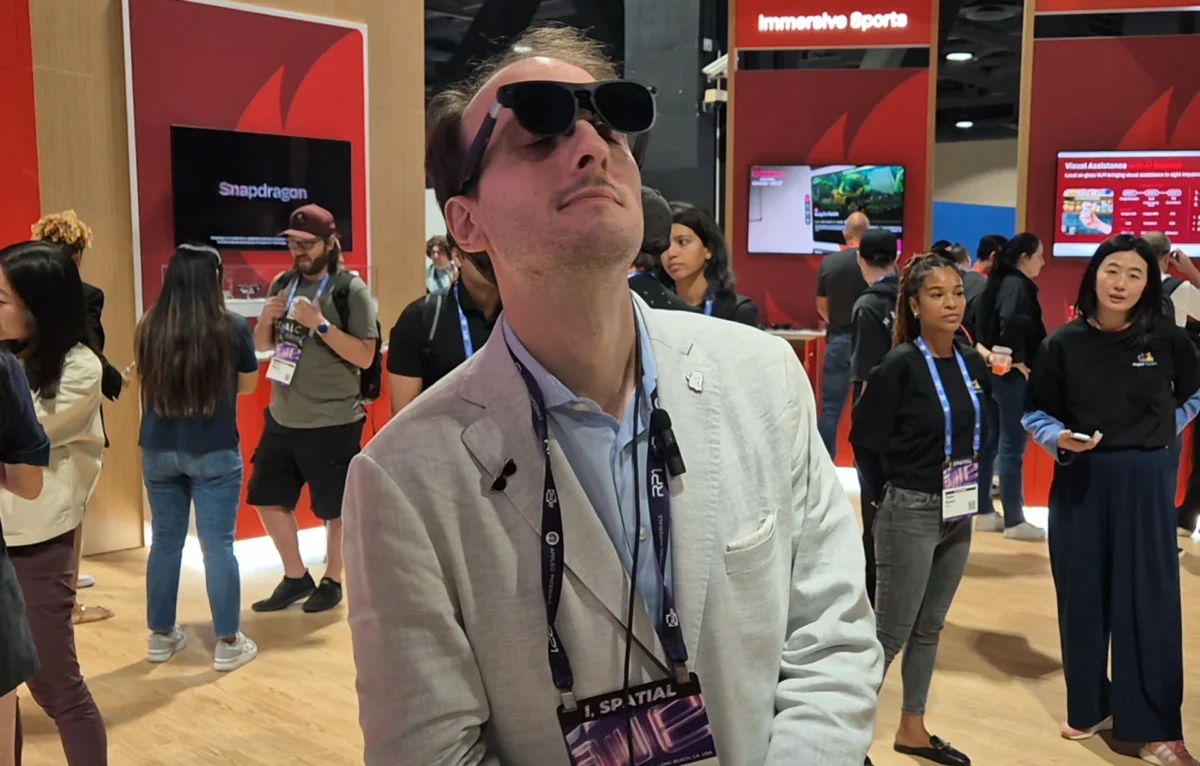
The XREAL Aura utilizes an "all-in-two" design philosophy, a configuration that separates the visual hardware from the computational components. The headset consists of a pair of lightweight glasses, weighing approximately 95 grams, tethered via a dedicated cable to a pocket-sized computational "puck." This puck, weighing roughly 300 grams, houses the battery and the Qualcomm Snapdragon Elite chipset, allowing the headwear to maintain a form factor reminiscent of oversized sunglasses rather than a traditional bulky VR headset.

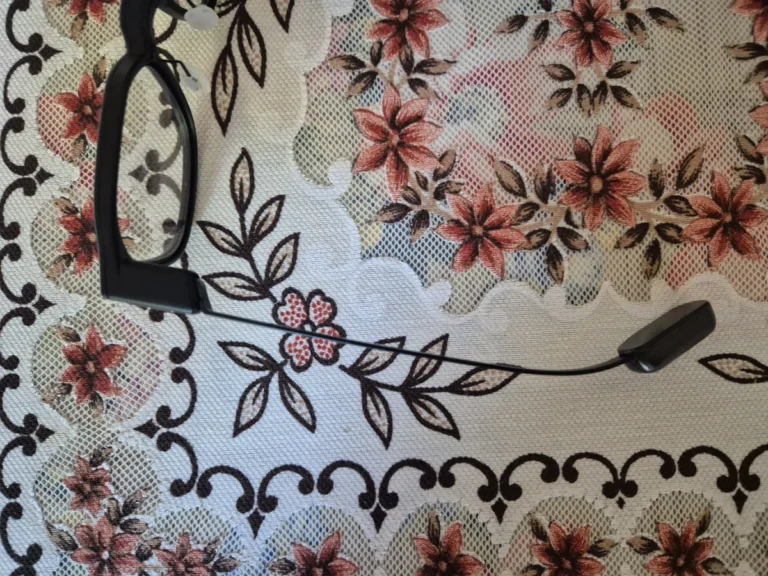
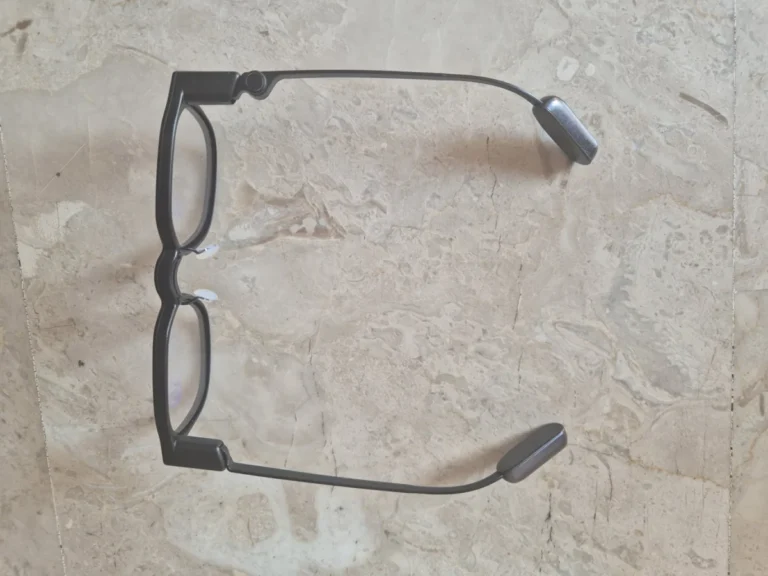
The physical design of the glasses incorporates three front-facing sensors: two dedicated tracking cameras situated on the lateral edges and a central RGB vision camera. A privacy LED indicator is positioned adjacent to the central camera to notify bystanders when the imaging hardware is active. The internal hardware features prism optics, delivering a resolution of 1920 x 1200 pixels per eye with a refresh rate of 120Hz. The device also includes integrated spatial audio speakers and physical controls for volume, power, and menu navigation located on the temples of the frames.

Chronology of Development and Strategic Partnership
The path to the XREAL Aura launch began with the increasing demand for "spatial computing" solutions following the entry of major players like Apple and Meta into the high-end XR market. XREAL, formerly known as Nreal, has historically focused on "Birdbath" and prism optic tethered glasses. However, the Aura marks a departure from their previous "Air" series by adopting a fully realized 6-Degree-of-Freedom (6DOF) tracking system and a robust operating system.

The collaboration with Google is particularly noteworthy. After the sunsetting of Google Glass and the stagnation of the Daydream platform, Google’s involvement in Android XR represents a renewed commitment to the wearable market. By partnering with XREAL, Google provides the Aura with immediate access to a vast repository of 2D and 3D applications via the Google Play Store, including optimized versions of YouTube, Google Maps, and Chrome. Qualcomm’s role in providing the Snapdragon Elite chipset ensures that the device has the thermal efficiency and processing power required to handle complex AR overlays without the weight constraints of an onboard processor.

Visual Performance and Electrochromic Dimming
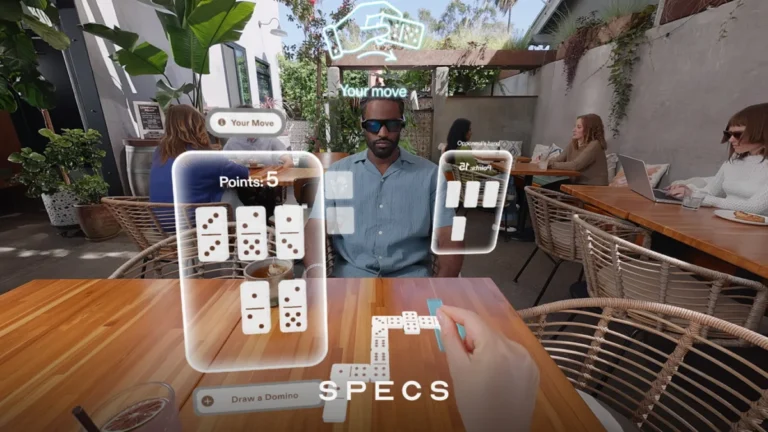
A defining technical feature of the XREAL Aura is its electrochromic dimming capability. This technology allows users to electronically adjust the transparency of the outer lenses. The system offers five manual levels of opacity, or it can be automated by the operating system. When the lenses are fully opaque, the device functions similarly to a Virtual Reality (VR) headset, providing high-contrast environments for media consumption. When transparent, the device facilitates an AR experience where virtual elements are overlaid onto the physical world.

The field of view (FOV) is measured at 70 degrees diagonally. While this exceeds the 50-degree standard found in many contemporary AR glasses, technical analysis indicates a disparity between horizontal and vertical coverage. The 16:10 aspect ratio of the displays prioritizes horizontal immersion, which is beneficial for widescreen cinema and multi-window productivity. However, the vertical FOV remains a limiting factor for fully immersive 3D environments, occasionally creating a "letterbox" effect where virtual objects are clipped if the user looks too far up or down.

Interaction Modalities and AI Integration
The XREAL Aura eschews traditional handheld controllers in favor of a multimodal interaction scheme. The primary interface relies on 6DOF hand tracking, allowing users to manipulate virtual windows through pinches, swipes, and taps. Reports from early testing sessions suggest that while the tracking is stable and capable of handling hand-over-hand occlusions, there is a minor latency between physical movement and system response—a common hurdle for first-generation consumer AR.

Secondary interaction is provided by the computational puck, which features a built-in touchpad for tactile navigation. Furthermore, the Aura is deeply integrated with Google Gemini, Google’s multimodal AI. This integration allows for "vibe-coded" experiences where users can use voice commands to ask the AI to analyze their surroundings, draft documents in real-time, or navigate complex environments via Google Maps. A dedicated button on the top of the glasses allows for the instant invocation of the AI assistant.

Market Positioning and Industry Implications
The XREAL Aura is slated for a Fall release with a price point officially described as "less than $1,500." This pricing strategy positions the Aura between the consumer-grade Meta Quest 3 (approx. $500) and the enterprise-focused Apple Vision Pro ($3,499). By targeting the $1,000 to $1,500 range, XREAL and Google are appealing to "prosumers" and early adopters who desire a portable, stylish alternative to heavy headsets.

The broader implications for the XR industry are significant. The adoption of Android XR could potentially solve the "content gap" that has plagued AR hardware for a decade. If developers can build for a unified Android-based spatial platform, the ecosystem of available apps will grow exponentially compared to proprietary systems.

However, technical challenges remain. Initial feedback from the AWE demonstrations highlighted concerns regarding thermal management, with some units becoming warm during extended use. Additionally, the ergonomic trade-off of the tethered cable remains a point of contention among enthusiasts; while it enables the 95g weight of the glasses, it tethers the user to the 300g puck, which must be carried in a pocket or on a belt.

Future Outlook
As the XREAL Aura moves toward its commercial launch, the focus shifts to developer adoption. The success of the device will likely depend on whether the Google Gemini integration can provide a "killer app" that justifies the $1,000+ investment. Potential use cases identified by industry analysts include hands-free navigation, real-time language translation with visual subtitles, and portable multi-monitor workstations for remote professionals.

The XREAL Aura stands as a testament to the maturation of AR technology, moving away from experimental "smart glasses" toward a functional, high-resolution spatial computer. With the backing of Google and Qualcomm, XREAL has positioned the Aura as a primary competitor in the race to define the next generation of personal computing. The upcoming months will determine if the consumer market is ready to embrace a tethered, AI-driven AR future.
About the Author