In an urgent call to action, technology entrepreneur and philanthropist Jeff Atwood has announced a sweeping commitment to address what he perceives as an unprecedented crisis facing the American Dream. Atwood, co-founder of influential platforms Stack Overflow and Discourse, revealed that his family has already made eight $1 million donations to nonprofit organizations providing immediate relief to those in need. Furthermore, he pledged half of his remaining personal wealth over the next five years to long-term initiatives aimed at ensuring all Americans have equitable access to the foundational promise of the nation. This significant philanthropic endeavor is driven by a deep concern over escalating wealth inequality, democratic erosion, and the rising costs of essential services, which Atwood argues are making the American Dream increasingly unattainable for many.
The Genesis of a Pledge: A Personal Journey
Atwood’s journey from humble beginnings to significant wealth accumulation forms the bedrock of his current philanthropic imperative. Born to parents from hardscrabble rural West Virginia and North Carolina, Atwood recounted a childhood marked by struggle. His parents, though loving, battled alcoholism, a challenge that profoundly impacted the family until a pivotal divorce when Atwood was 16 forced a reckoning and ultimately led to their healing. This difficult period, he notes, instilled in him the profound value of unconditional love and the joy of reflecting that love onto others.
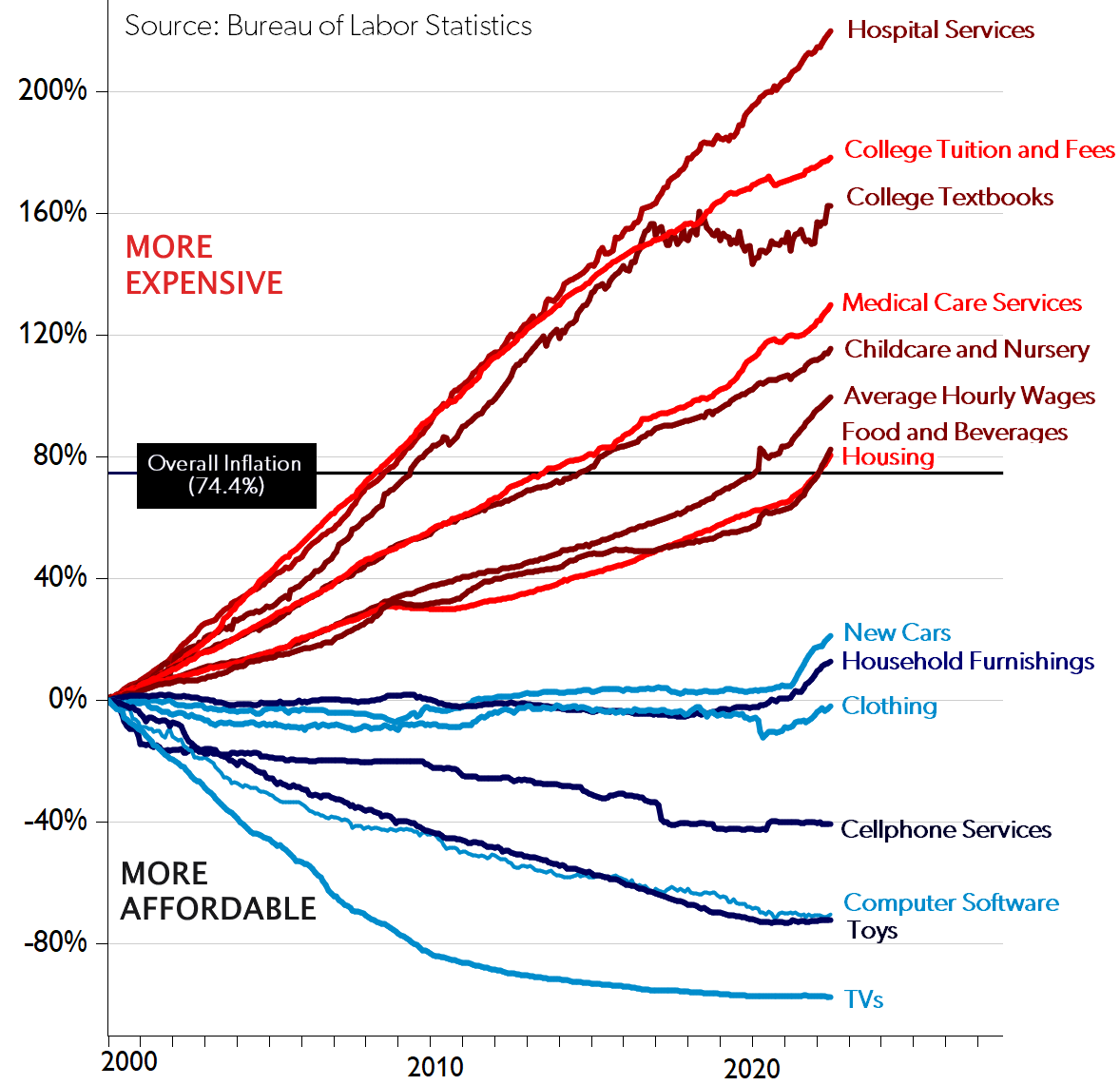
He attended public schools in Chesterfield County, Virginia, and later the University of Virginia, founded by Thomas Jefferson, graduating in 1992. His college years were a testament to the challenges faced by many students then, and even more so today. Atwood worked part-time as a Safeway cashier, earning the federal minimum wage, supplementing his income with Pell grants, scholarships, and other odd jobs to cover tuition. At that time, in-state tuition at the University of Virginia was approximately $3,000 per year. Today, the same education costs around $23,000 annually, an increase of nearly eightfold over three decades. This staggering rise in educational expenses, alongside soaring costs in healthcare and housing, represents a significant barrier to entry for the middle class and a direct threat to the American Dream, as highlighted by Atwood’s personal experience and broader economic data. According to EducationData.org, the average cost of college tuition has consistently outpaced inflation and wage growth, creating a student debt crisis that now exceeds $1.7 trillion.
Building Digital Democracies: Stack Overflow and Discourse
Atwood’s professional career saw him rise to prominence in the technology sector, co-founding two platforms that embody his belief in democratic principles and empathetic community building. In 2008, alongside Joel Spolsky, he co-founded Stack Overflow, a Q&A website for programmers that quickly became an indispensable global resource. The platform was built on principles of "digital democracy," where users collectively voted to rank questions and answers, and community moderators were elected through ranked-choice voting. This innovative model created a shared Creative Commons knowledge base, demonstrating the power of collective intelligence and democratic governance in a digital space. Forbes reported in 2021 on its $1.8 billion acquisition, underscoring its immense success and impact.
Building on the lessons learned from Stack Overflow, Atwood and Spolsky developed Discourse, a free, open-source tool designed for constructive and empathetic community discussions. Discourse emphasizes setting community-agreed boundaries and provides robust moderation tools to enforce them, fostering environments where disagreement can occur within a framework of respect. Atwood sees these projects as "for the public good," demonstrating that corporate success can align with societal benefit. He attributes his ability to achieve this success, and the substantial financial rewards that followed, to the promise of the American Dream—a combination of hard work and good fortune.

The Unsettling Reality of Wealth and Inequality
However, Atwood’s personal attainment of the American Dream led to a profound re-evaluation of its accessibility and fairness. He describes a growing detachment that comes with immense wealth, where the daily struggles of cost-of-living—which define the lives of most Americans—become irrelevant. This realization spurred a critical reflection on the growing disparity between the ultra-rich and the rest of society. "The more wealth you attain, the more unmistakably clear it becomes how unequal life is for so many of us," Atwood stated, going as far as to label the accumulation of billionaire-level wealth as "unamerican."
His concerns are corroborated by extensive data on wealth inequality. In 2012, the wealthiest 1% of Americans held 24% of the nation’s wealth. By 2021, this figure had climbed to 30%. Globally, the trend is even starker: Oxfam reported that the richest 1% accumulated nearly twice as much wealth as the rest of the world combined over the past two years. This concentration of wealth, Atwood argues, undermines the very essence of a fair and equitable society, where the "reward of production is plenty, not private fortune," echoing the sentiments of W.E.B. Du Bois, who advocated measuring national prosperity by the absence of poverty, prevalence of health, and efficiency of public schools, rather than the number of millionaires.
The Eroding American Dream: Economic and Democratic Dimensions
Atwood’s critique extends beyond economic disparities to the health of American democracy itself. He points to several systemic issues that he believes are hindering the nation’s ability to live up to its founding ideals.

Economic Barriers to Entry
The exponential increase in costs for healthcare, education, and housing has created significant economic hurdles for many aspiring to the American Dream. As noted with college tuition, these essential components of upward mobility have become prohibitively expensive for a large segment of the population. This trend is further exacerbated by wage stagnation for many workers, widening the gap between income and the cost of living. The Consumer Price Index data often illustrates these disproportionate increases, particularly in sectors like medical care and education, far outstripping overall inflation and average wage growth.
Democratic Fragility and Political Polarization
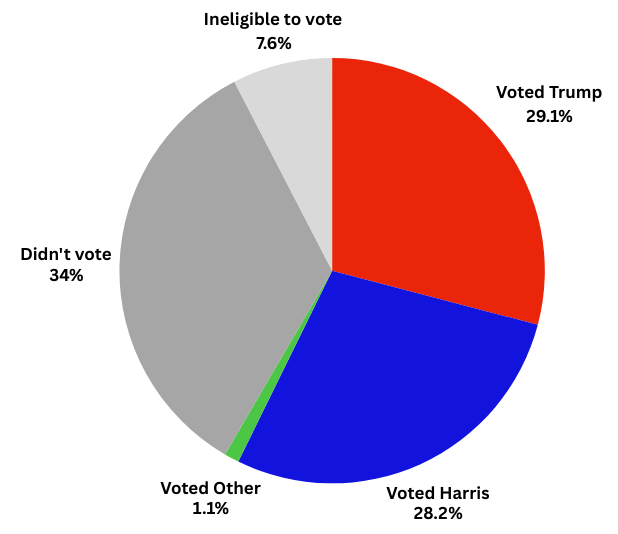
The 2024 United States presidential election serves as a critical backdrop for Atwood’s concerns about democratic health. He observed that a significant portion of the adult population—34%—did not exercise their right to vote. When factoring in the 7.6% of adults ineligible to vote (largely non-citizens or those disenfranchised due to felony convictions), approximately 42% of American adults had no say in the election outcome. Atwood questions the underlying causes of this widespread non-participation, citing potential factors such as voter suppression, gerrymandering that leads to voter indifference, and a pervasive feeling among citizens that their vote no longer matters.
This disengagement, he suggests, indicates a fundamental distrust in government’s ability to ensure fairness for all. The United States’ standing as a leading democracy is increasingly questioned, both domestically and internationally. Political polarization has reached historically high levels, reminiscent of the Gilded Age, a period characterized by stark economic inequality and intense political gridlock. In a two-party system, such extreme polarization can lead to legislative stagnation and an inability to address critical national issues, further eroding public trust and the promise of collective progress. The last meaningful constitutional amendment in the U.S. was passed over 50 years ago, highlighting the challenges in achieving consensus for systemic change.
A Call for Systemic Change and Philanthropic Action
Atwood’s philanthropic initiative is structured to tackle both immediate needs and long-term systemic issues. The eight $1 million donations have already been disbursed to organizations providing critical support, signaling an immediate response to current crises. The pledge of half his remaining wealth over the next five years, however, targets deeper, more enduring challenges.
Proposed Democratic Reforms
To strengthen the democratic process, Atwood advocates for several key reforms:
- Making Election Day a National Holiday: This would remove a significant barrier to voting for many working Americans, allowing them dedicated time to cast their ballots without fear of losing wages or employment.
- Universal Mail-in Voting: Expanding access to mail-in ballots has been shown to increase voter turnout and convenience, particularly for those with mobility issues, demanding schedules, or living in remote areas.
- Adopting Ranked-Choice Voting (RCV): As implemented in his own company’s moderation elections, RCV allows voters to rank candidates in order of preference, ensuring that winning candidates have broader support and reducing the impact of "spoiler" candidates. This system aims to make every vote carry more weight and foster more representative outcomes.
- Strengthening Election Institutions: Investing in and safeguarding state and local election boards, as well as the Federal Election Commission, is crucial for maintaining the integrity and fairness of electoral processes.
Rethinking Philanthropy
Atwood’s approach to philanthropy also distinguishes itself from traditional models. While he admires Warren Buffett’s "Giving Pledge" to donate over 99% of his wealth, Atwood found it incomplete, particularly regarding the timing of wealth transfer. Buffett’s recent amendment to allocate his wealth at death to a charitable trust managed by his adult children, decades after his initial pledge, underscores Atwood’s concern about the immediacy of impact. Atwood, by contrast, is committing a substantial portion of his wealth during his lifetime, within a defined five-year period, explicitly "not just for my own family, but for all my fellow Americans." He plans to retain enough wealth only for his children’s education and housing, reflecting a balance between familial responsibility and a broader commitment to societal well-being.
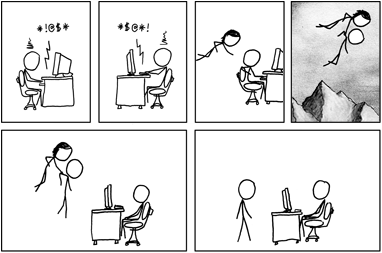
The Philosophical Underpinnings: "Stay Gold" and the Declaration’s Ideals
The core of Atwood’s message is deeply rooted in American cultural and historical narratives. He recounts attending a high school theater performance of S.E. Hinton’s The Outsiders, which illuminated the profound meaning of the phrase "stay gold." Initially associated with innocence, Atwood realized its deeper implication: sharing the American Dream. The play’s director articulated this, emphasizing that "strength lies not just in overcoming hardships but in staying true to ourselves and lifting up those around us," and connecting to themes of resilience, empathy, and unity.
This resonated with Atwood’s understanding of the Declaration of Independence, particularly its second paragraph, penned by Thomas Jefferson: "We hold these truths to be self-evident, that all men are created equal, that they are endowed by their Creator with certain unalienable Rights, that among these are Life, Liberty and the pursuit of Happiness." For Atwood, the American Dream is precisely this set of ideals, even as the nation continually struggles to live up to them. He references Jimi Hendrix’s iconic, distorted rendition of "The Star-Spangled Banner" at Woodstock as a powerful artistic expression of the historical gap between America’s lofty aspirations and its often-harsh realities.
Ultimately, Atwood frames the current national moment as a choice between two paths for the American Dream: one "founded on hate," and another "founded on love." His family’s pledge of half their remaining wealth is a decisive commitment to the latter, advocating for an American Dream built on empathy, equity, and collective uplift.
Looking Forward: Collaboration and Empowerment
Atwood acknowledges that there is no single solution to the complex challenges facing the American Dream. His family’s substantial financial commitment is intended as a catalyst, and he expresses a willingness to advise and empower others who are working towards similar goals. The immediate $8 million in donations marks the initial phase, with the larger, longer-term pledge of half his wealth to be allocated over the next five years.
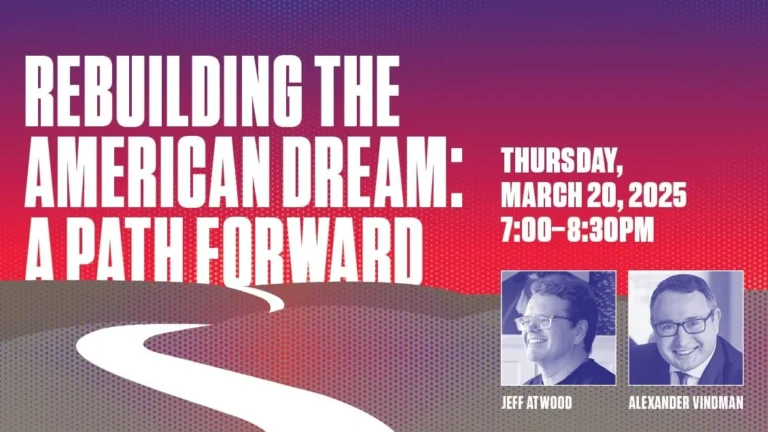
He has already signaled further engagement, mentioning an upcoming followup blog post, "Let’s Talk About The American Dream," and a joint presentation at Cooper Union with Alexander Vindman on Thursday, March 20th at 7pm eastern time, titled "Rebuilding the American Dream: A Path Forward." These events suggest a sustained public advocacy effort alongside his financial contributions.
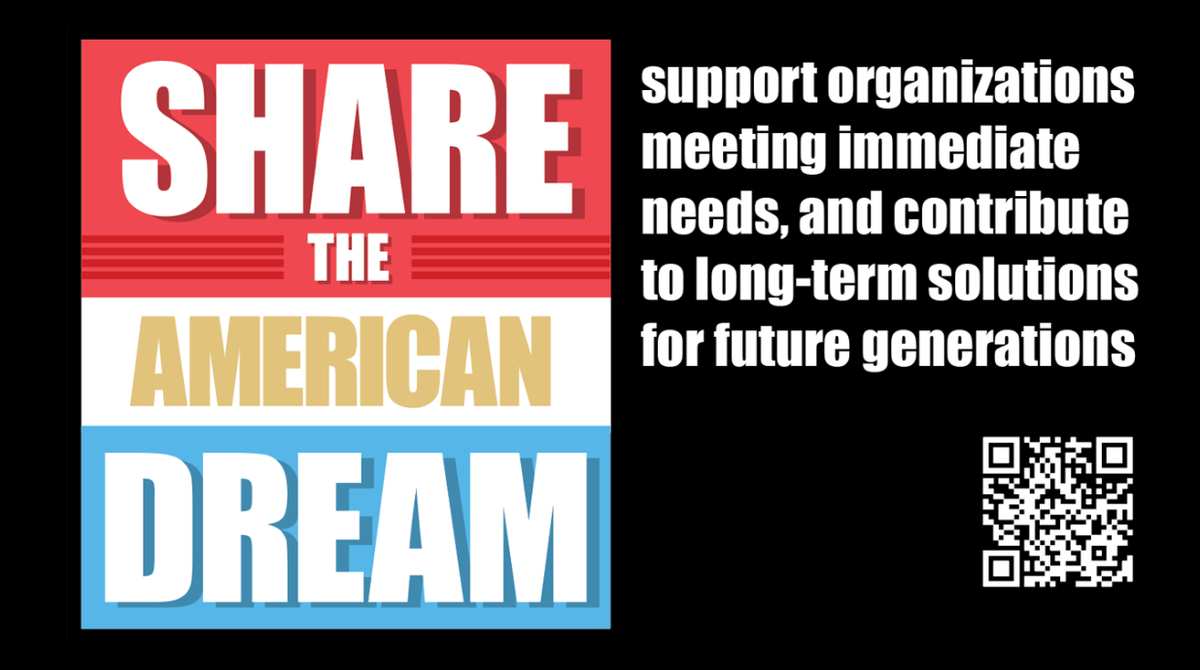
In closing, Atwood reiterates his belief in "Sharing the American Dream" and urges fellow Americans to join this collective effort, concluding with the powerful invocation, "Stay gold, America." His initiative represents a significant private sector intervention into critical public discourse, aiming to inspire broader action and redefine what it means to achieve and uphold the American Dream in the 21st century. His profound gratitude for his partner Betsy Burton, his family, and mentors like Steve McConnell, underscores the collaborative spirit he hopes will define this national undertaking.
About the Author