Meta Platforms Inc. has officially introduced its most significant hardware and software update to date at the Meta Connect 2026 keynote, signaling a strategic pivot toward ubiquitous artificial intelligence and premium, lightweight mixed-reality wearables. The event, headlined by CEO Mark Zuckerberg and CTO Andrew Bosworth, focused on the transition from traditional virtual reality headsets to "AI-native" eyewear and the introduction of a highly personalized digital assistant ecosystem named Muse. Central to the announcements was the unveiling of the "Meta VR Glasses," a high-end, lightweight device priced at $1,299, alongside an expanded lineup of smartglasses and a new AI-integrated pendant designed to bring the Muse assistant into the physical world.

The keynote served as a roadmap for Meta’s hardware strategy over the next fiscal year, emphasizing comfort, social presence, and the integration of large language models into daily life. By moving away from the bulkier form factors of the Quest series toward glasses that utilize external computational pucks, Meta aims to bridge the gap between consumer electronics and fashion-forward accessories.
The Rise of Muse: An AI-Native Ecosystem
The primary theme of the Connect 2026 event was the full-scale integration of Muse AI across Meta’s entire hardware portfolio. Meta described Muse not merely as a chatbot, but as a customizable personal assistant capable of operating natively within a new "AI-first" operating system. This software architecture is designed to prioritize voice and gesture-based interaction over traditional menus.

Key features of the Muse AI include:
- Hyper-Personalization: Users can customize the assistant’s appearance, voice, and persona, allowing for a tailored interaction experience.
- App Integration: Muse has been granted deep permissions across the Meta ecosystem, enabling it to manage emails, suggest fashion purchases, and assist with coding updates by accessing the user’s data in real-time.
- The Muse Pendant: In a surprise announcement, Meta introduced the "Muse Charm," a small wearable pendant designed to act as a dedicated interface for the AI. Expected to launch before the holiday season, the device serves as a entry-level hardware option for users who want constant access to an AI assistant without wearing glasses.
To address long-standing data security concerns, Meta announced that Muse will utilize end-to-end encrypted communication for a significant portion of its cloud processing. This infrastructure ensures that sensitive interactions remain private, with Meta asserting that even its own employees and subcontractors cannot access the encrypted data streams—a move aimed at establishing trust as AI becomes more invasive.

Smartglasses: Fashion Partnerships and Technical Increments
Meta expanded its dominant position in the smartglasses market with the introduction of the Ray-Ban Meta Gen 3. While the core hardware remains an incremental update over the previous generation, the focus has shifted toward aesthetic variety and accessibility. The new lineup includes the iconic Aviator and Zena styles, maintaining the $299 starting price point for the flagship models.
A significant development in the smartglasses category is the partnership with K-pop global icon Lisa. By launching a signature line of "Meta Glasses by Lisa," Meta is targeting a younger, lifestyle-oriented demographic. Market analysts suggest this celebrity integration is a calculated move to move smartglasses beyond the "tech enthusiast" niche and into the mainstream fashion world.

Technical upgrades for the Gen 3 and the new $249 "Affordable Meta Smartglasses" include:
- Dolby Atmos Capture: Video recorded via the glasses will now feature spatial audio, enhancing the immersion of shared content.
- Audio-Only Models: Meta introduced a camera-less "Ray-Ban Meta Audio" version for users primarily interested in hands-free communication and AI interaction without the privacy implications of a camera.
- Hearing Correction Features: In a major push for accessibility, Meta announced a software solution that utilizes the glasses’ microphone array to assist users with hearing impairments, amplifying local speech while filtering background noise.
Project Phoenix: The Meta VR Glasses
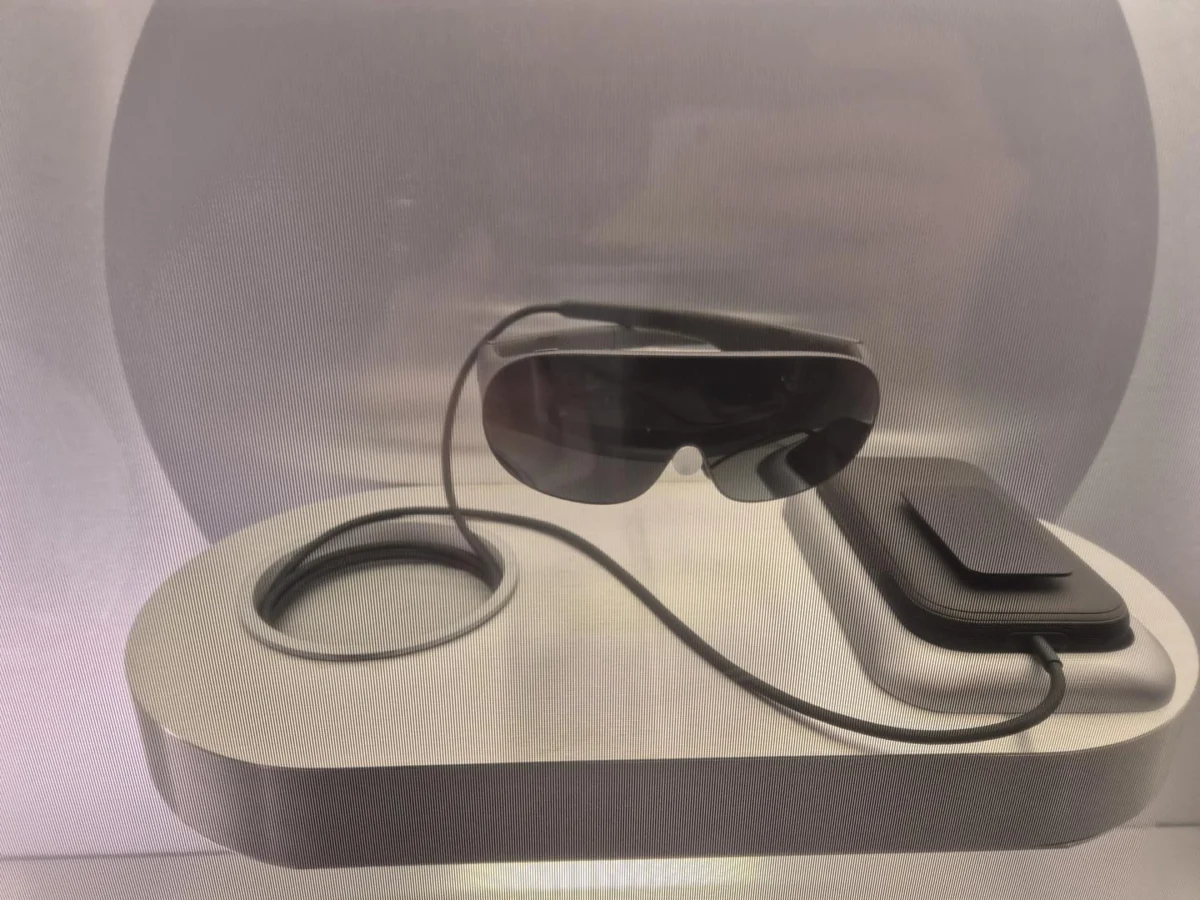
The most anticipated reveal of the event was the "Meta VR Glasses," previously known in the industry by the codename "Phoenix." Priced at $1,299, the device represents Meta’s direct competition to the Apple Vision Pro, though with a distinct focus on portability and weight reduction. Unlike the standalone Quest headsets, the Meta VR Glasses offload processing and battery power to a "computational puck" that the user carries in a pocket or clips to a belt.

Technical specifications and features of the Meta VR Glasses include:
- Display and Optics: The glasses feature high-definition micro-OLED displays with advanced passthrough capabilities, allowing for seamless mixed-reality overlays.
- Interaction: The device is fully integrated with hand and eye-tracking technology, supporting a gesture-based interface similar to the Vision Pro.
- Codec Avatars: Meta demonstrated the first consumer-ready implementation of "Realistic Codec Avatars." These avatars allow for remote meetings that feel physically present, using 2.5D pixel-streamed representations that mimic the user’s facial expressions in real-time.
- Content Library: Over 70 games and productivity apps will support the device at launch, including "Beat Saber Flow" and a new suite of immersive sports content produced in collaboration with filmmaker James Cameron.
Industry experts who received early access to the device noted that while the field of view remains more limited than traditional VR headsets, the clarity and comfort make it a superior choice for media consumption and office productivity. The device is scheduled for a Spring 2027 release.

Strategic Context and Market Implications
The shift toward higher-priced, premium wearables is a direct response to consumer behavior observed in the previous fiscal year. Meta CTO Andrew Bosworth indicated during the event that sales data for the Quest 3 and the more affordable Quest 3S revealed a surprising trend: consumers showed a strong preference for the premium Quest 3 despite the price gap. This data suggested to Meta leadership that the market is willing to pay a premium for better visuals and increased comfort.
By pricing the Meta VR Glasses at $1,299, Meta is positioning itself between the enthusiast-level Quest 3 and the ultra-premium Apple Vision Pro. This "middle-ground" strategy aims to capture professional users and early adopters who desire a high-performance mixed-reality experience without the $3,499 price tag of competitors.

Furthermore, the expansion of the smartglasses line into Europe and other global markets indicates that Meta has resolved the regulatory hurdles that previously limited the distribution of its camera-equipped eyewear. The "Display" version of the smartglasses, which offers basic heads-up notifications, is also set for a worldwide rollout, further solidifying Meta’s lead in the smart eyewear sector.
Conclusion
Meta Connect 2026 marked a transition point for the company, moving from a "VR-first" company to an "AI-and-AR-first" entity. The combination of the Muse AI ecosystem, the lifestyle-oriented Ray-Ban partnership, and the high-performance Meta VR Glasses suggests a multi-pronged approach to the future of computing. While the success of the $1,299 VR glasses will depend on the development of a "killer app" for productivity, the immediate integration of AI into everyday fashion accessories positions Meta to remain the dominant player in the evolving wearable technology landscape.
About the Author