The advent of blockchain technology promises a paradigm shift in how we conduct transactions, manage data, and establish trust in the digital realm. Moving beyond its initial association with cryptocurrencies, blockchain is emerging as a foundational technology with far-reaching implications across numerous industries. Its core principles of decentralization, transparency, and immutability offer compelling solutions to long-standing challenges in security, efficiency, and data integrity.
The Genesis of a Revolutionary Concept
The seeds of blockchain technology were sown in 1991 when mathematicians Stuart Haber and W. Scot Stornetta first proposed a system designed to ensure that digital timestamps could not be tampered with. Their aim was to create a verifiable record of data that was resistant to alteration, a critical need in an increasingly digital world. This early concept laid the groundwork for a more robust and widely adopted implementation.
Years later, in 1998, software developer Nick Szabo conceptualized "Bit Gold," a digital currency system that utilized a similar technological framework to secure transactions. While Szabo’s innovation was forward-thinking, it did not gain widespread traction until the emergence of Satoshi Nakamoto, who is widely credited with inventing the first true blockchain and the cryptocurrency Bitcoin. Nakamoto’s white paper, published in 2008, outlined a peer-to-peer electronic cash system that leveraged blockchain to facilitate secure, decentralized transactions without the need for intermediaries.
Understanding Blockchain: A Distributed Ledger
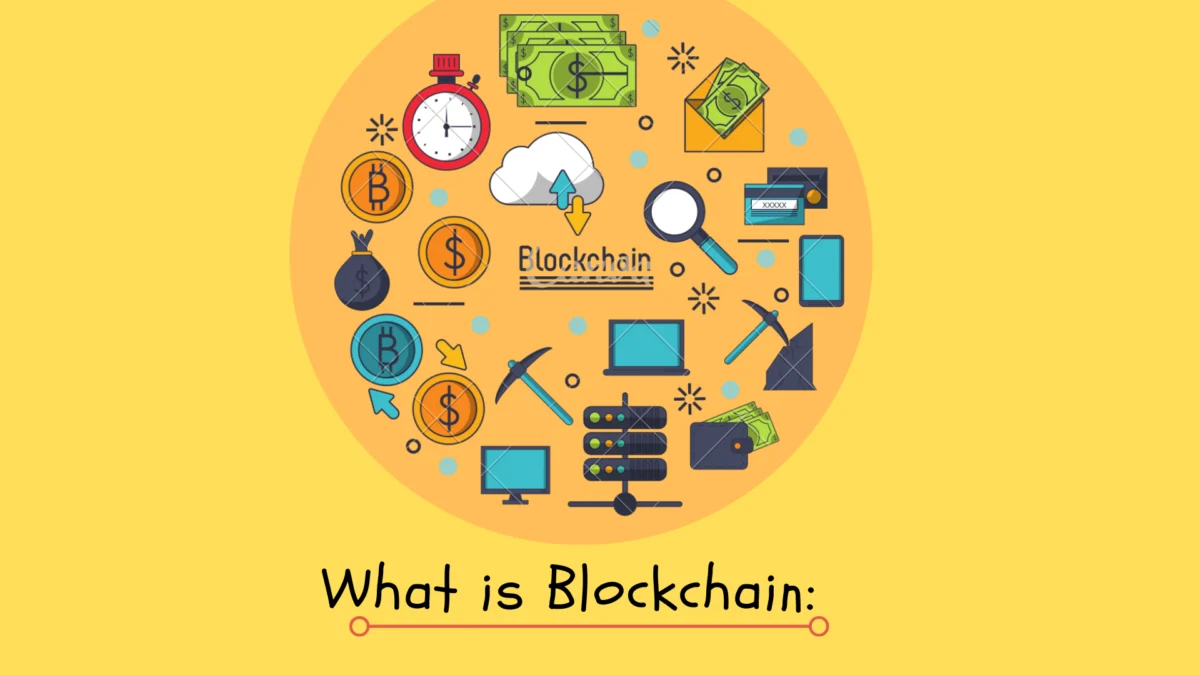
At its essence, a blockchain is a distributed, immutable ledger that records transactions across a network of computers. Instead of data residing in a single, centralized database, it is spread across numerous nodes, creating a highly resilient and transparent system. Each "block" in the chain contains a set of transactions, a timestamp, and a cryptographic hash of the preceding block. This interconnected structure ensures that any attempt to alter data within a block would invalidate subsequent blocks, making the ledger virtually tamper-proof.
This inherent security and transparency have led to blockchain also being referred to as Distributed Ledger Technology (DLT). The distributed nature means that no single entity has complete control over the data, enhancing security and reducing the risk of single points of failure or manipulation.
The Mechanics of Blockchain: A Step-by-Step Process
The operational framework of a blockchain can be understood through a series of fundamental steps:
- Transaction Initiation: A transaction is initiated, for example, the transfer of cryptocurrency or the recording of a data point.
- Transaction Verification: This transaction is broadcast to a network of participants (nodes). These nodes then validate the transaction based on predefined rules and consensus mechanisms.
- Block Creation: Verified transactions are bundled together into a "block."
- Cryptographic Hashing: Each block is assigned a unique cryptographic hash. Crucially, this hash also incorporates the hash of the previous block, forming the "chain."
- Network Consensus: The newly created block is then broadcast to the entire network. Participants on the network collectively agree on the validity of the block through a consensus mechanism (e.g., Proof-of-Work or Proof-of-Stake).
- Block Addition: Once consensus is reached, the block is added to the existing blockchain, becoming a permanent and immutable record.
- Data Distribution: The updated blockchain is then distributed to all participants on the network, ensuring everyone has an identical copy of the ledger.
While the underlying cryptography and network protocols may seem complex, modern technology has streamlined this process, enabling transactions and data updates to occur within minutes. The ongoing advancements in computational power and network infrastructure suggest that these processes will become even more efficient in the future.
Beyond Cryptocurrencies: Diverse Applications of Blockchain
While blockchain technology gained prominence as the backbone of cryptocurrencies like Bitcoin and Ethereum, its utility extends far beyond digital currencies. Its ability to securely and transparently record data has opened doors to a multitude of applications across various sectors.
One significant area of adoption is in supply chain management. Companies like Walmart, IBM (with its Food Trust platform), Siemens, Pfizer, and Unilever are leveraging blockchain to enhance transparency and traceability in their supply chains. For instance, IBM’s Food Trust uses blockchain to track the journey of food products from farm to table. This capability is particularly critical in addressing food safety concerns. In cases of foodborne illnesses caused by bacteria like E. coli or Salmonella, or accidental contamination with allergens, tracing the source of the outbreak can be a lengthy and arduous process, often taking months or even years. Blockchain allows for an immediate and precise understanding of a product’s provenance, enabling swift identification of affected batches, rapid recalls, and ultimately, the prevention of future outbreaks. This proactive approach not only enhances consumer safety but also minimizes financial losses for businesses.
Beyond food safety, blockchain’s immutable record-keeping is proving invaluable in industries where data integrity is paramount. This includes:
- Healthcare: Securing patient records, managing pharmaceutical supply chains, and ensuring the authenticity of medical devices.
- Finance: Streamlining cross-border payments, reducing settlement times, and enhancing fraud detection in traditional financial systems.
- Real Estate: Facilitating secure and transparent property title transfers, reducing paperwork and the risk of fraud.
- Voting Systems: Exploring the potential for secure, transparent, and verifiable online voting.
- Intellectual Property Management: Protecting copyrights and tracking the usage of digital assets.
- Identity Management: Creating secure, self-sovereign digital identities that give individuals greater control over their personal data.
The integration of blockchain into these diverse fields signifies a move towards a more efficient, secure, and trustworthy digital infrastructure.
The Power of Decentralization: Enhancing Security and Resilience
A cornerstone of blockchain technology is its decentralized nature. Unlike traditional systems where data is stored in a central location, making it vulnerable to single points of failure or malicious attacks, blockchain distributes data across a network of interconnected nodes. This decentralization offers several key advantages:
- Enhanced Security: If one node in the network is compromised, the integrity of the entire ledger is not threatened. The distributed nature means that other nodes can cross-reference and validate the correct information, effectively neutralizing the impact of a single faulty or malicious node. This is the essence of "decentralization" – information is not siloed but distributed and accessible across multiple points.
- Increased Resilience: The absence of a central point of control makes the system highly resilient to outages or censorship. Even if some nodes go offline, the network can continue to function.
- Reduced Risk of Data Leakage: In scenarios where centralized databases are breached, sensitive information can be exposed on a massive scale. Blockchain’s distributed architecture significantly mitigates this risk, as attackers would need to compromise a majority of the network’s nodes simultaneously to alter or steal data.
- Authenticity and Irreversibility: Blockchain guarantees not only the accuracy but also the irreversibility of data. Once a record is added to the blockchain, it cannot be altered or deleted without the consensus of the network, ensuring a verifiable and permanent audit trail.
This characteristic makes blockchain ideal for storing sensitive and critical data, including legal contracts, government identification, and company inventory records, where authenticity and immutability are of utmost importance.
Weighing the Advantages and Disadvantages of Blockchain
As with any transformative technology, blockchain presents a spectrum of benefits and challenges.
Pros of Blockchain Technology
- Enhanced Security: The cryptographic nature and distributed ledger system make it highly resistant to fraud and unauthorized modification.
- Transparency: Transactions recorded on a public blockchain are visible to all participants, fostering trust and accountability.
- Immutability: Once data is recorded on a blockchain, it cannot be altered or deleted, ensuring data integrity.
- Decentralization: Eliminates the need for central authorities, reducing reliance on intermediaries and potential points of failure.
- Efficiency: Can streamline processes, reduce transaction times, and lower costs by removing intermediaries.
- Traceability: Provides a clear and verifiable audit trail for transactions and data.
Cons of Blockchain Technology
- Scalability Issues: Some blockchain networks, particularly older ones like Bitcoin, can face limitations in processing a high volume of transactions per second, leading to slower speeds and higher fees during peak demand.
- Energy Consumption: Certain consensus mechanisms, such as Proof-of-Work, are energy-intensive, raising environmental concerns. However, newer mechanisms like Proof-of-Stake are significantly more energy-efficient.
- Complexity: Understanding and implementing blockchain technology can be complex, requiring specialized knowledge and expertise.
- Irreversibility of Errors: While immutability is a strength, it also means that errors or fraudulent transactions, once recorded, are difficult to reverse without network consensus.
- Regulatory Uncertainty: The regulatory landscape for blockchain and cryptocurrencies is still evolving in many jurisdictions, creating uncertainty for businesses and investors.
- Initial Investment: Implementing blockchain solutions can require significant upfront investment in technology, infrastructure, and talent.
Frequently Asked Questions About Blockchain
To further clarify the nuances of this technology, several common questions arise:
Is Blockchain a Cryptocurrency?
No, blockchain is not a cryptocurrency. It is the underlying technology that enables the creation and operation of cryptocurrencies. Think of it as the engine that powers the car (cryptocurrency). Blockchain is a digital ledger that records transactions, while cryptocurrencies are digital assets that utilize this ledger.
Is it Possible for Blockchain to Be Hacked?
While theoretically possible, hacking a blockchain is an extraordinarily complex undertaking. The distributed nature of the ledger, combined with sophisticated cryptographic algorithms and constant network oversight by participants, makes it incredibly difficult for a single attacker to gain control or alter the data. To successfully compromise a widely used blockchain, an attacker would likely need to control a significant portion of the network’s computing power, which is often prohibitively expensive and impractical.
What is the Most Prominent Blockchain Company?
The landscape of blockchain companies is dynamic. However, companies like Coinbase Global have established themselves as major players, offering comprehensive infrastructure, services, and technology for the digital currency economy. Other significant entities include Binance, Ripple, and various blockchain development firms.
Who Owns Blockchain?
Blockchain, as a decentralized technology, does not have a single owner. It is a distributed network of interconnected nodes, where each node can be an electronic device operated by an individual or organization. This distributed ownership is fundamental to its security and resilience.
What is the Difference Between Bitcoin and Blockchain Technology?
Bitcoin is a specific cryptocurrency that was built upon blockchain technology. Blockchain is the foundational distributed ledger system that records Bitcoin transactions. Therefore, Bitcoin is an application of blockchain, not the technology itself.
What is the Difference Between Blockchain and a Traditional Database?
The fundamental difference lies in their architecture and control mechanisms. A traditional database is typically centralized, managed by a single administrator, and data can be easily modified or deleted by authorized users. This client-server model is prone to single points of failure and potential manipulation. In contrast, a blockchain is a distributed ledger where data is stored across multiple nodes. Each block is cryptographically linked to the previous one, and modifications are extremely difficult, requiring network consensus. This decentralized control and immutability eliminate risks of data modification by unauthorized parties and enhance overall security and transparency.
The Future Trajectory of Blockchain Technology
The integration of blockchain technology is poised to accelerate significantly over the next five to ten years. Its potential to revolutionize data management and transactional processes across industries – from finance and healthcare to logistics and governance – is immense. While some organizations may still exhibit hesitation in adopting these systems, this reluctance is expected to diminish as the technology matures and its benefits become more widely understood and realized. As businesses and individuals become more comfortable with its capabilities, entrepreneurs, CEOs, and innovators will increasingly leverage blockchain to enhance efficiency, bolster security, and unlock new opportunities. The era of widespread blockchain adoption is not a distant future; it is an ongoing transformation that is already reshaping our digital world.
About the Author