The acquisition of Twitter by Elon Musk in October 2022 marked a pivotal moment in the history of social media, initiating a period of radical transformation that has fundamentally reshaped the platform now known as X. This dramatic shift has not only altered user experience and platform policies but has also ignited a broader debate within the tech community and among the public regarding the inherent vulnerabilities of centralized digital public squares and the potential imperative for decentralized alternatives.
The Acquisition and Initial Upheaval
Prior to Musk’s takeover, Twitter had established itself as a globally influential platform for real-time information, news dissemination, political discourse, and cultural exchange since its launch in 2006. With hundreds of millions of active users, it served as a vital communication channel for public figures, journalists, activists, and everyday citizens, often breaking news faster than traditional media outlets. Its role in major social and political movements, from the Arab Spring to #BlackLivesMatter, underscored its significance as a tool for collective action and public voice.

Elon Musk’s interest in acquiring Twitter first surfaced in April 2022, culminating in a $44 billion deal. His stated motivations centered on transforming Twitter into a bastion of "free speech absolutism," combating spam bots, and evolving it into an "everything app" similar to China’s WeChat, under the new name "X." The acquisition was finalized on October 27, 2022, immediately ushering in a period of unprecedented change.
Within days of taking ownership, Musk implemented sweeping organizational and policy shifts. A significant portion of Twitter’s workforce, estimated to be around 50% across various departments, including critical content moderation and engineering teams, was laid off. This drastic reduction in staff raised immediate concerns about the platform’s operational stability, security, and ability to enforce its existing content policies. The dissolution of several advisory boards, including the Trust and Safety Council, further fueled anxieties about the future direction of content governance.
Radical Policy Shifts and User Exodus
The early months under Musk’s leadership saw a rapid succession of controversial policy changes. One of the most significant was the overhaul of the "Twitter Blue" verification system. Previously, blue checkmarks denoted verified accounts of public interest, authenticated by Twitter itself. Musk transitioned this to a paid subscription service, making verification available to anyone willing to pay, regardless of identity. This change led to widespread impersonation issues, including instances where individuals mimicked major brands and public figures, disseminating false information and causing market volatility for some companies. The resulting confusion and erosion of trust in verified accounts significantly impacted the platform’s perceived credibility.

Content moderation policies also underwent substantial alterations. Musk reinstated numerous accounts that had previously been banned for violating Twitter’s rules, including those associated with hate speech, conspiracy theories, and harassment. This move, framed by Musk as upholding free speech principles, was met with alarm by civil rights organizations and anti-hate groups, who reported a subsequent increase in the prevalence of hate speech and misinformation on the platform. Reports from organizations like the Anti-Defamation League (ADL) indicated a noticeable rise in antisemitic and other discriminatory content.
Further changes included restrictions on third-party API access, effectively crippling many popular external applications and tools built around Twitter. In July 2023, the platform introduced temporary "rate limits" on how many posts users could view per day, citing issues with data scraping. This decision, implemented without prior warning, severely disrupted user experience and was widely criticized. The subsequent rebranding of Twitter to "X" in July 2023, including a new logo and domain changes, symbolized a complete break from its original identity, signaling Musk’s intent to transform it beyond its microblogging origins.
Data Point: The financial impact of these changes was considerable. Major advertisers, wary of brand safety concerns amidst the policy shifts and content moderation debates, significantly reduced or paused their spending on the platform. According to data from Pathmatics by Sensor Tower, X’s advertising revenue in the U.S. fell by over 60% in the year following Musk’s acquisition. User engagement also saw declines, with some reports from analytics firms like Similarweb indicating a drop in daily active users and time spent on the app, as many users sought alternative platforms.
The Argument for Decentralization
The tumultuous period at X has intensified long-standing discussions about the fragility of centralized social media platforms. Critics argue that platforms controlled by a single entity or individual represent a "single point of failure," where the whims, ideologies, or financial decisions of one owner can unilaterally dictate the terms of public discourse for millions. This sentiment was echoed by many in the tech community, including prominent figures like Jeff Atwood of Coding Horror. Atwood, a long-time user of Twitter, described the platform’s transformation as an "unwitting favor" from Musk, demonstrating "the very real dangers of any platform run by a king, a dictator, a tyrant, a despot, an autocrat."
This critique often references historical analogies, such as the biblical Tower of Babel, as highlighted by tech writer Paul Ford, who argued that humanity’s inherent desire to gather in large, centralized groups often leads to disaster. Ford suggested that human brains are better suited for smaller, more stable relationships ( Dunbar’s number, typically cited as around 150), implying that mega-platforms inherently struggle with healthy large-scale interaction. The notion of a singular "town square" for global discourse, often invoked by proponents of centralized platforms, is increasingly viewed with skepticism as it places immense power in the hands of a few.
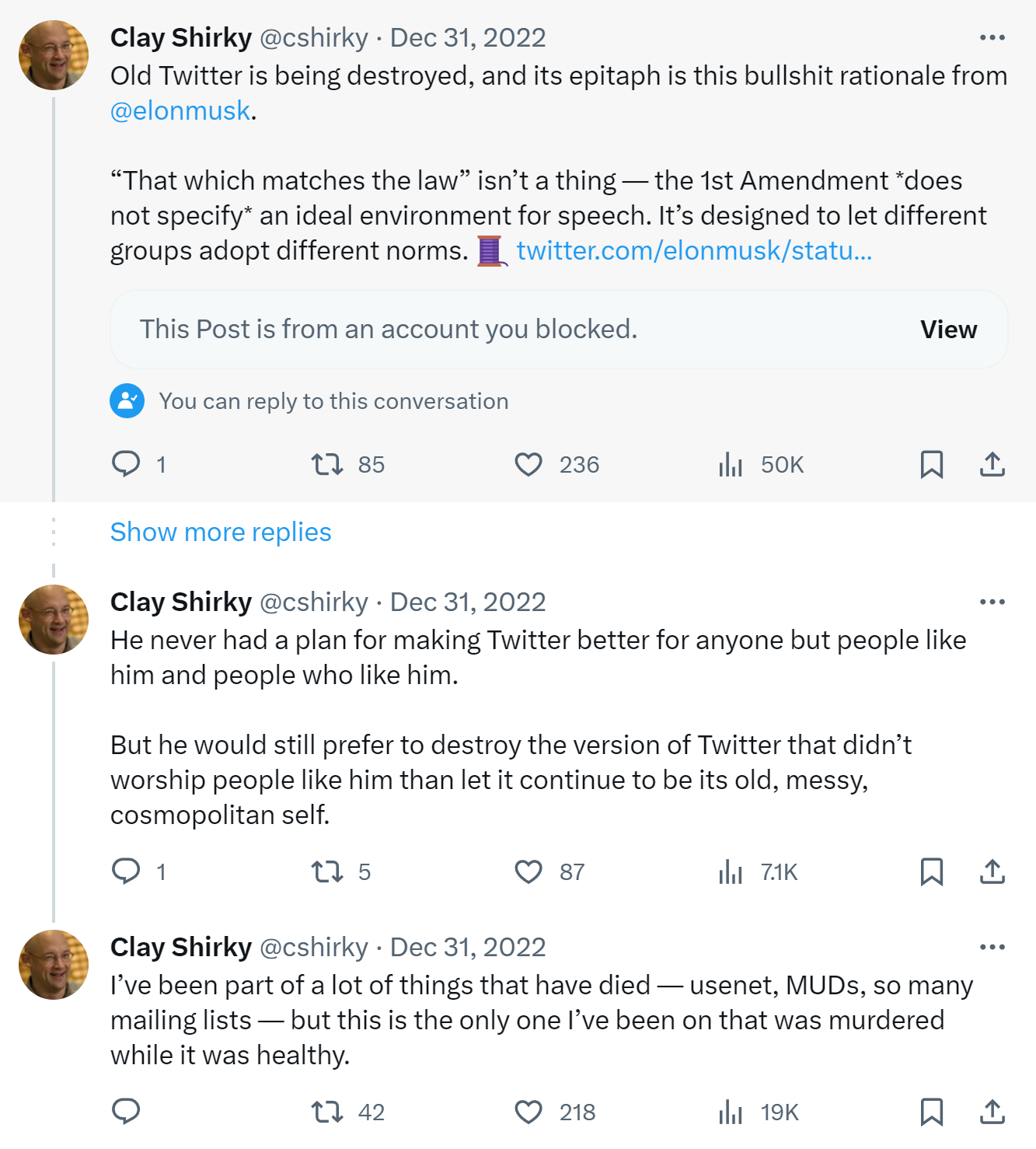
The late internet scholar Clay Shirky’s poignant observation from late 2022, lamenting that Twitter was "murdered while it was healthy" by the whims of its new owner, resonated with many who felt a sense of loss for the platform’s prior iteration. These voices advocate for a paradigm shift, moving away from models where users are akin to "digital sharecroppers," lacking true ownership or control over their data and online communities. Atwood, through his work on Discourse.org, champions collective ownership of content and communities, emphasizing user empowerment through robust moderation tools rather than exploitation.
Emergence of Alternatives and the Fediverse
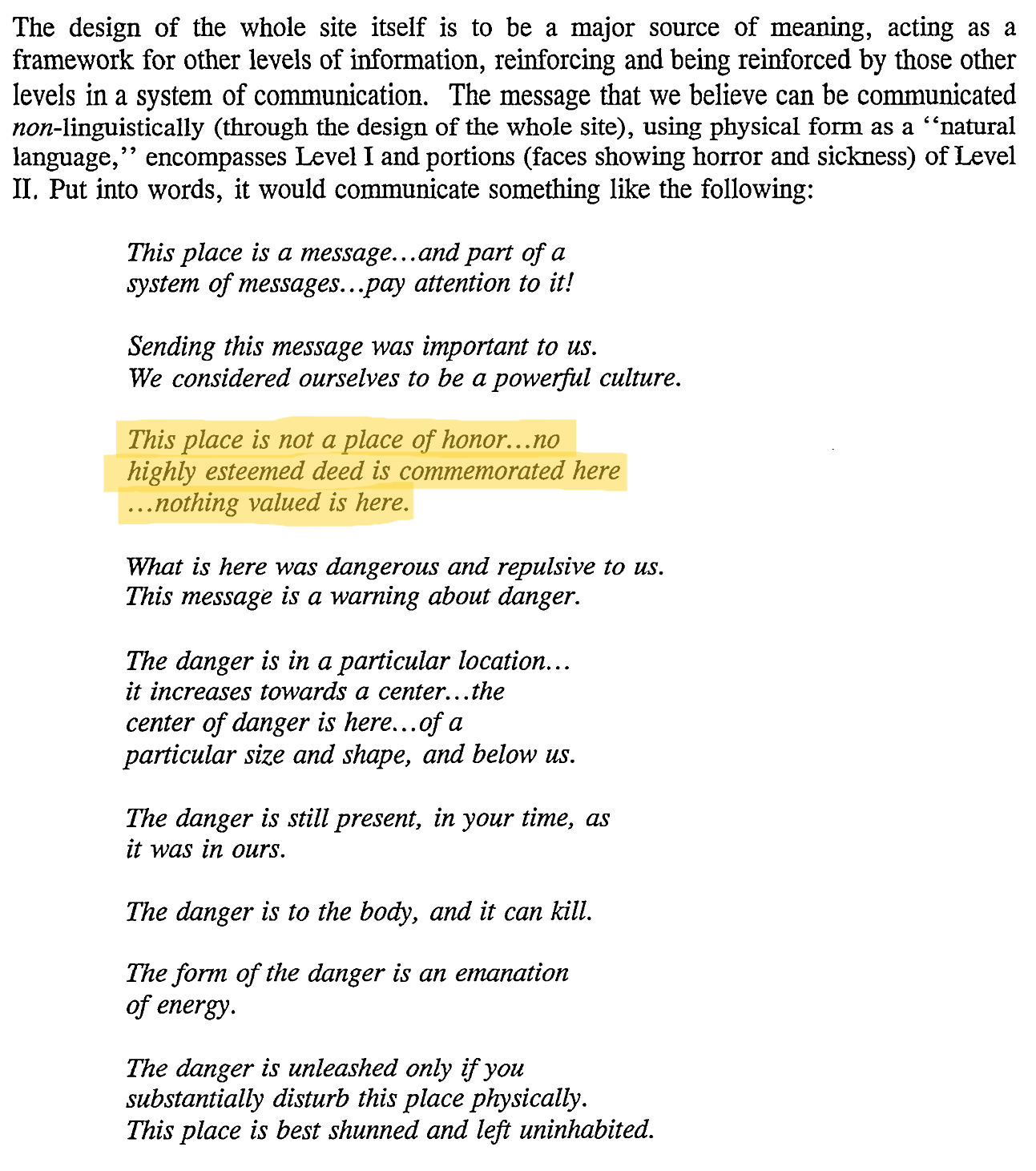
In response to the changes at X, there has been a notable surge in interest and adoption of alternative social media platforms, particularly those built on decentralized or federated models.
Mastodon, an open-source, federated social network based on the ActivityPub protocol, has emerged as a prominent alternative. Unlike centralized platforms, Mastodon operates as a network of independent servers (instances) run by various individuals and organizations, allowing users to choose a community that aligns with their interests and moderation preferences. Posts on one Mastodon instance can be seen by users on other instances, creating a "fediverse" (federated universe). Following Musk’s takeover, Mastodon reported a significant increase in its user base, reaching millions of active users across tens of thousands of instances. Its model emphasizes community-driven moderation and user control, addressing many of the concerns raised by X’s centralized governance.
Other platforms have also entered the fray. Bluesky, founded by former Twitter CEO Jack Dorsey, also operates on a federated protocol (AT Protocol), aiming to offer a decentralized, open-source framework for social networking. Meta, Facebook’s parent company, launched Threads in July 2023, a microblogging platform integrated with Instagram. While Threads is a centralized platform, it has expressed intentions to eventually integrate with the ActivityPub protocol, potentially bridging the gap between centralized and federated social media.
While decentralized platforms offer compelling advantages in terms of user control, censorship resistance, and diverse community governance, they also face challenges. These include the complexity of user onboarding, potential fragmentation across instances, and the difficulty of ensuring consistent moderation standards across a distributed network. However, proponents argue that these challenges are worthwhile in building a more resilient and democratic digital landscape.
Economic Realities of "Free" Services
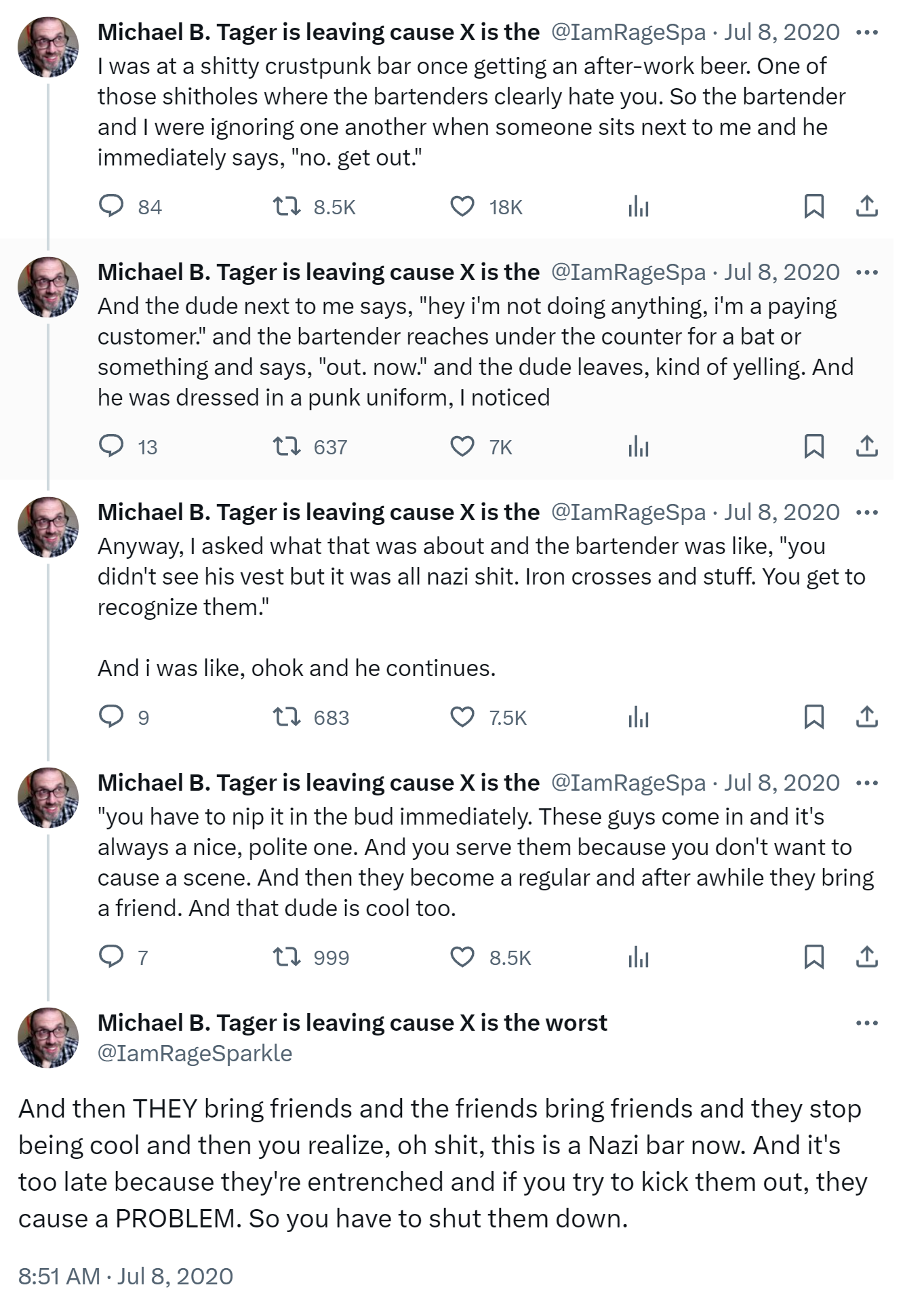
The debate over centralized platforms also sheds light on the economic realities of "free" online services. The widely accepted adage, "If you’re not paying for the product, you are the product," underscores the business model of many large social media companies. These platforms monetize user data and attention through targeted advertising, making users’ engagement and personal information the actual currency. The promise of "free speech" on such platforms often comes with the implicit cost of ceding control to the platform owner, who can alter terms of service, content policies, or even the platform’s fundamental nature at will.
Building and maintaining robust online communities, as emphasized by projects like Discourse, requires significant resources for infrastructure, development, and moderation. When these costs are not directly borne by users through subscriptions or fees, they are typically covered by advertisers or other data monetization strategies. This inherent tension between offering a "free" service and maintaining a healthy, user-centric environment is a critical consideration in the future design of social media. The shift towards models where users contribute financially, or where communities collectively own their platforms, is proposed as a way to align incentives more closely with user empowerment rather than exploitation.
Broader Societal Implications
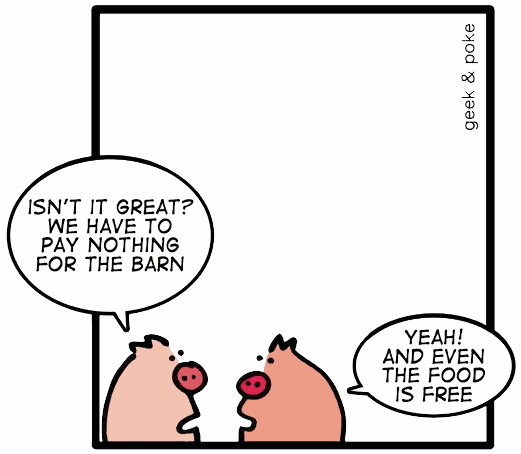
The transformation of Twitter into X under Elon Musk carries profound societal implications. It has underscored how rapidly a vital tool for public discourse can change, affecting news dissemination, political campaigning, and social activism. The volatility demonstrated by X highlights the critical need for a diverse ecosystem of digital public squares that are not solely reliant on the benevolence or stability of a single corporate entity or individual.
The experience with X has galvanized efforts to explore more resilient models for online interaction, fostering platforms that prioritize user agency, transparent governance, and community self-determination. The movement towards federated and open-source alternatives represents a pursuit of digital democracy, where the power is distributed rather than concentrated. While this path may be "messy," much like democracy itself, advocates argue it is the only sustainable long-term solution for fostering healthy, inclusive, and user-empowering online environments.
Specific Community Responses and Philanthropy
Amidst these broader discussions, individuals within the tech community have responded with concrete actions. Jeff Atwood, for instance, initiated a unique philanthropic effort in response to the changes at X. He announced an auction of 10 museum-quality brass plaques, each inscribed with what he considers "the best tweet of all time." All proceeds from these auctions are designated to benefit The Trevor Project, a non-profit organization focused on suicide prevention among LGBTQ youth. This initiative serves as a tangible expression of dissent and a practical contribution to a cause, while also highlighting the cultural shift away from the platform.

In conclusion, the tumultuous period following Elon Musk’s acquisition of Twitter and its transformation into X has catalyzed a critical re-evaluation of centralized social media models. It has brought to the forefront the vulnerabilities inherent in such platforms and has spurred renewed interest and investment in decentralized, user-empowering alternatives. The ongoing debate underscores a fundamental choice for the future of online interaction: between platforms dictated by singular authority and those collectively built and governed by their communities.
About the Author